1800 120 2676
Department of Paediatric Oncology Paediatric Oncology
An initiative by

12 pediatric oncologists, surgeons,
neonatologists,
and physicians,
led by Dr. K. Radha Krishna.
State-of-art NICU and PICU units
with 24/7 trained
pediatric unit
support.

Best clinical outcome success
rate for pediatric
oncology
cases in North A.P.
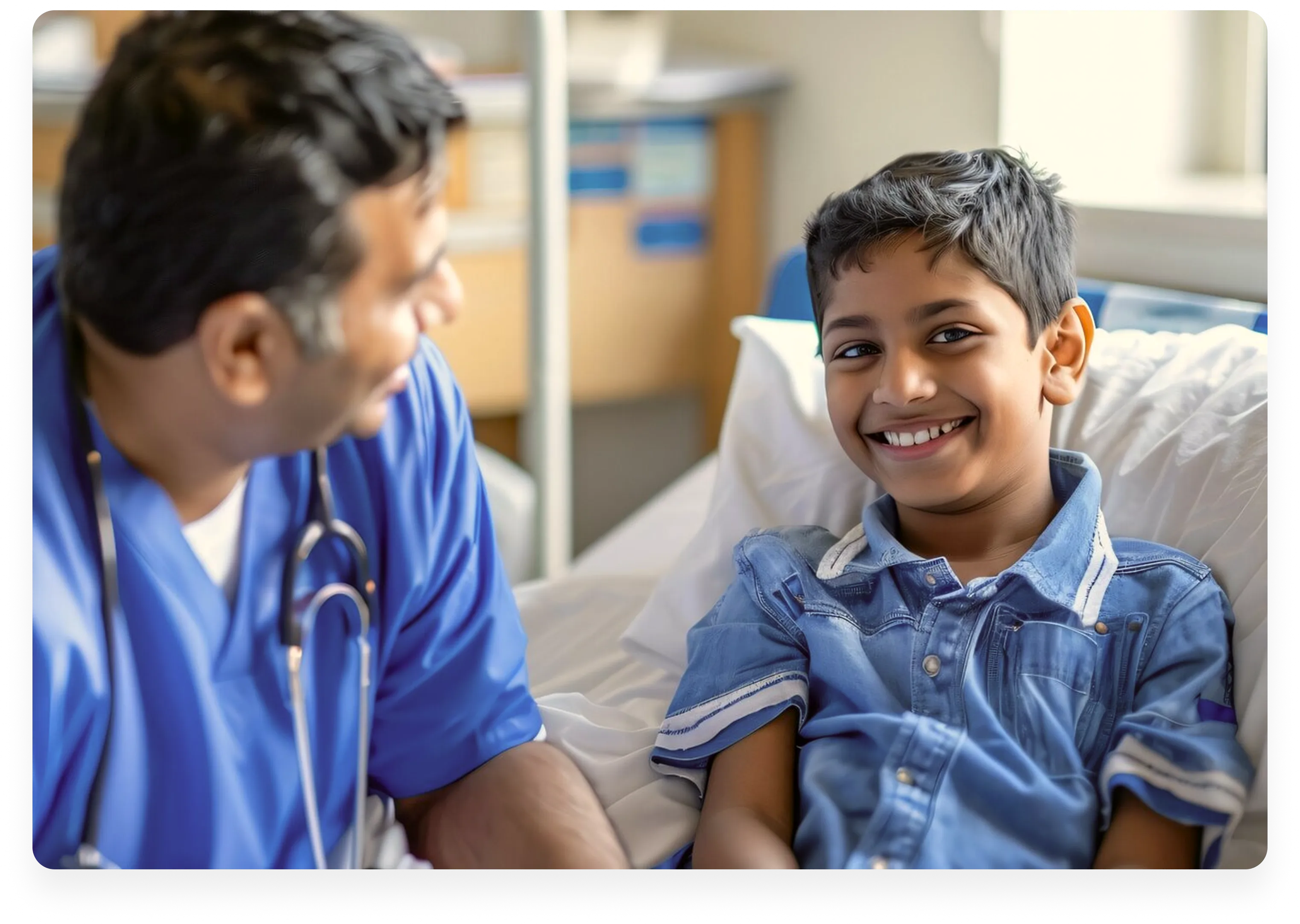
Leaders in pediatric bone marrow transplantation
Our Pediatric Bone Marrow Transplant (BMT) Unit in Vizag is the only center dedicated to providing advanced BMT services for children.
Our team, led by renowned specialists, brings extensive experience from performing numerous successful pediatric transplants. Combining cutting-edge technology with international protocols, we deliver exceptional outcomes with unmatched expertise and compassionate care, making us the trusted choice for families.
Our team, led by renowned specialists, brings extensive experience from performing numerous successful pediatric transplants. Combining cutting-edge technology with international protocols, we deliver exceptional outcomes with unmatched expertise and compassionate care, making us the trusted choice for families.
Our expert services for
Pediatric Oncology
Surgery

Bone marrow transplant
Radiation therapy
Chemotherapy
Targeted therapy
Immunotherapy
Meet our specialist Pediatric Oncology team

Dr. K. Radha Krishna
Head of Pediatric Oncology services
Dr. Radha Krishna’s leadership in
Pediatric Oncology
Dr. Radha Krishna, a celebrated pediatrician with 32 years of experience, leads our Pediatric Oncology wing in Vizag. Renowned for mentoring over 200 pediatricians and serving as a professor at esteemed institutions like AMC, GEMS, and NIMS, he combines academic excellence with compassionate care. A recipient of multiple gold medals and honors, Dr. Radha Krishna is a trusted name in pediatric care, ensuring world-class treatment for young cancer patients.
Comprehensive financial
support for families

Patient
Testimonial
Most common Pediatric cancer types
28%
Leukemia
26%
Brain & Spinal (CNS) Tumor
6%
Neuroblastoma
5%
Wilms Tumor
3% & 5%
Hodgkin & Non-Hodgkin
Lymphoma
Lymphoma
Symptoms &
Warning signs
Unexplained fever / sweating
Constipation
Swelling anywhere in the body
Excessive crying
Seizures
Unexplained weight loss
Unexplained vomiting
Gum swelling
Refusing to eat
Myth vs Fact
Myth
- Contagious & spreads to others
- Becomes infertile
- Reduced lifespan
- No need of follow-ups
- Survivor life is hard, miserable & painful
- Survivor do poorly in schooling & employment
Fact
- Non-contagious
- Not true for most survivors
- Latest techniques can lead a normal life
- Continuous follow-ups to check for recurrence
- Can lead a normal life
- Depends on type of & treatment received
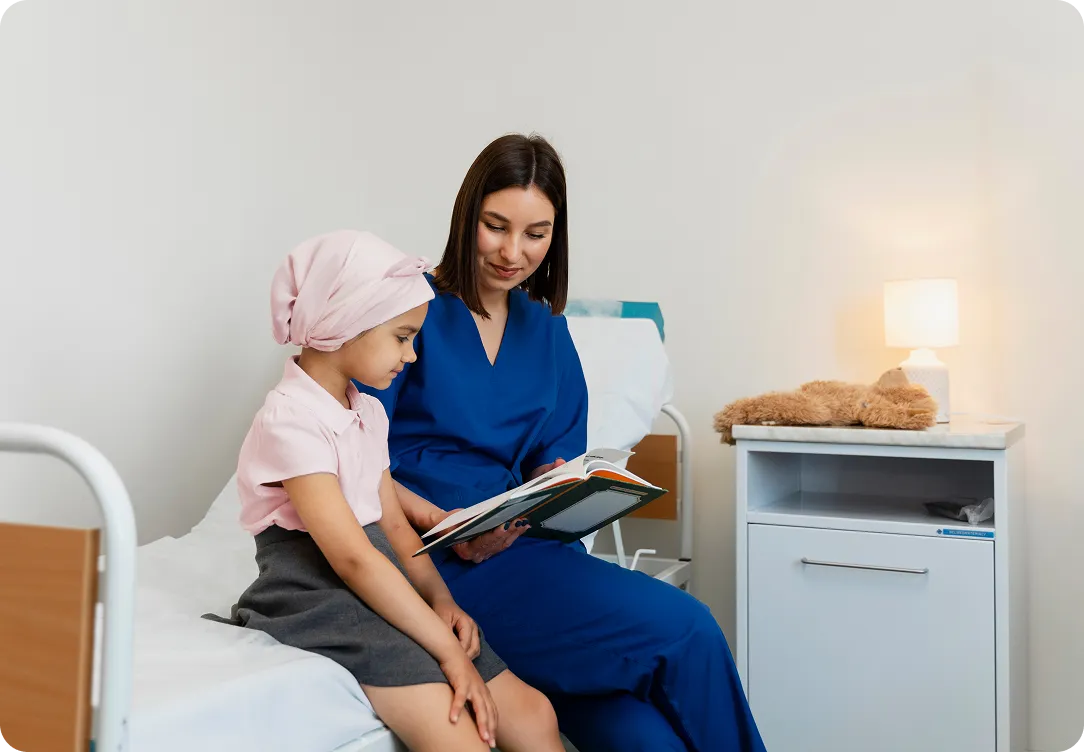
We ensure financial accessibility through
-
Cash payment supportClear and transparent billing processes.
-
Insurance assistanceGuidance on utilizing private insurance for seamless claims.
-
Government schemes
- Aarogyasri for eligible families.
- CGHS for central government employees.
- Employment-based health schemes.
-
Customized financial solutionsTailored assistance based on individual family needs.
Advanced cancer genetic services
Our Pediatric Oncology Unit offers advanced genetic testing, risk assessment, and family history analysis, led by expert cancer genetic counsellors.
Services include identifying inherited cancer risks, precision treatment planning, and genetic counselling for families, ensuring informed and personalized care for young patients.
Types of
Pediatric Cancer
Leukemia
Symptoms: Joint pain, fatigue, weakness, pale skin, bleeding or bruising, fever, weight loss, & other symptoms.
Tests: Blood tests, bone marrow examination, flow cytometry, cytogenetic & molecular genetic tests, & sometimes imaging studies & lumbar puncture.
Brain & Spinal (CNS) Tumors
Symptoms: Headaches, nausea, vomiting, blurred or double vision, dizziness, seizures, trouble walking or handling objects, & other symptoms.
Tests: Neurological exams, advanced imaging techniques (MRI, CT, MRS, fMRI, PET), biopsy procedures, lumbar puncture, molecular and genetic testing, EEG, & blood tests.
Neuroblastoma
Symptoms: The tumor usually starts in the belly (abdomen) where it is noticed as swelling. It can also cause other symptoms, like bone pain & fever.
Wilms Tumor (Nephroblastoma)
Symptoms: It can show up as a swelling or lump in the belly (abdomen). Sometimes the child might have other symptoms, like fever, pain, nausea, or poor appetite.
Hodgkin & Non-Hodgkin Lymphoma
Symptoms: Depends on where the cancer starts and can include weight loss, fever, sweats, tiredness (fatigue), and lumps (swollen lymph nodes) under the skin in the neck, armpit, or groin.
Bone Cancers - Osteosarcoma & Ewing Sarcoma
Symptoms: The most common places for it to start are the pelvic (hip) bones, the chest wall (such as the ribs or shoulder blades), or in the middle of the leg bones. Symptoms can include bone pain and swelling.
Rhabdomyosarcoma
Symptoms: This type of cancer can start in nearly any place in the body, including the head & neck, groin, belly (abdomen), pelvis, or in an arm or leg. It may cause pain, swelling (a lump), or both.
Retinoblastoma
Symptoms: White or yellowish glow in the pupil, crossed eyes or squinting, poor vision, redness & swelling of the eye, eye pain, enlarged pupil, persistent watery eyes.
Frequently Asked
Questions
How is childhood cancer diagnosed?
Doctors advise a combination of blood tests, imaging (X-rays, MRI, CT, or PET scans), biopsies, and other specialized tests to confirm a cancer diagnosis.
What treatment options are available for childhood cancer?
Treatment may include chemotherapy, surgery, radiation therapy, immunotherapy, targeted therapy, or a combination of these approaches, depending on the type and stage of cancer.
Is chemotherapy safe for children?
While chemotherapy can cause side effects, pediatric oncology teams carefully tailor doses to be effective yet safe for children. Advances in supportive care also help manage side effects.
Will my child need to stay in the hospital for treatment?
The need for hospitalization depends on the type of treatment and the child’s condition. Some treatments may be outpatient, while others require inpatient care.
Are there long-term side effects of treatment?
Some treatments may have long-term effects, such as on growth, development, or organ function. Regular follow-ups with our survivorship program help monitor and manage these effects.
How can I help my child cope with cancer treatment?
Providing emotional support, maintaining a routine, and working closely with the medical team can help your child cope. We also offer counseling services with our child-life specialists.
What support services are available for families?
We offer counseling, support groups, financial aid resources, and educational support to help families navigate this challenging time.
What happens if cancer returns after treatment?
If cancer recurs, our team will develop a new treatment plan, which may include different therapies or clinical trials to give your child the best possible outcome.
 1800 120 2676