
Best Cancer Hospital in Hyderabad, India - CION Cancer Clinics
1800 120 2676

Pediatric Oncology Care Now in Vizag
World-Class Treatment with Compassion

Free oncology consultations for children diagnosed with cancer.  banner arrow shower image

Why choose us? underline vector

  •  number one

    Our team of 10+ pediatric oncologists and pediatricians provides expert, compassionate care and holistic support for children and their families.

  •  number two

    Advanced pediatric facilities and 24/7 NICU/PICU support available.

  •  number three

    We offer North Andhra Pradesh’s best pediatric oncology care, combining advanced facilities, expert teams to ensure the best outcomes for children and their families.

Most Common
Pediatric Cancer Types Common Pediatric Vector

Leukemia - 28%

Neuroblastoma - 6%

Wilms Tumor - 5%

Hodgkin &
Non - Hodgkin Lymphoma - 3% & 5%

Brain & Spinal (CNS) Tumors - 26%

symptomps warning hero image

Symptoms & Warning Signs

  • checkbox icon Unexplained Fever/Sweating
  • checkbox icon Excessive Crying
  • checkbox icon Constipation
  • checkbox icon Seizures
  • checkbox icon Swelling anywhere in the body
  • checkbox icon Unexplained Weight Loss
  • checkbox icon Unexplained Vomiting
  • checkbox icon Refusing to Eat
  • checkbox icon Gum Swelling
free consultation vector image

Free consultations for children already diagnosed with Cancer.

free consultation vector image
our expert pediatric oncologits

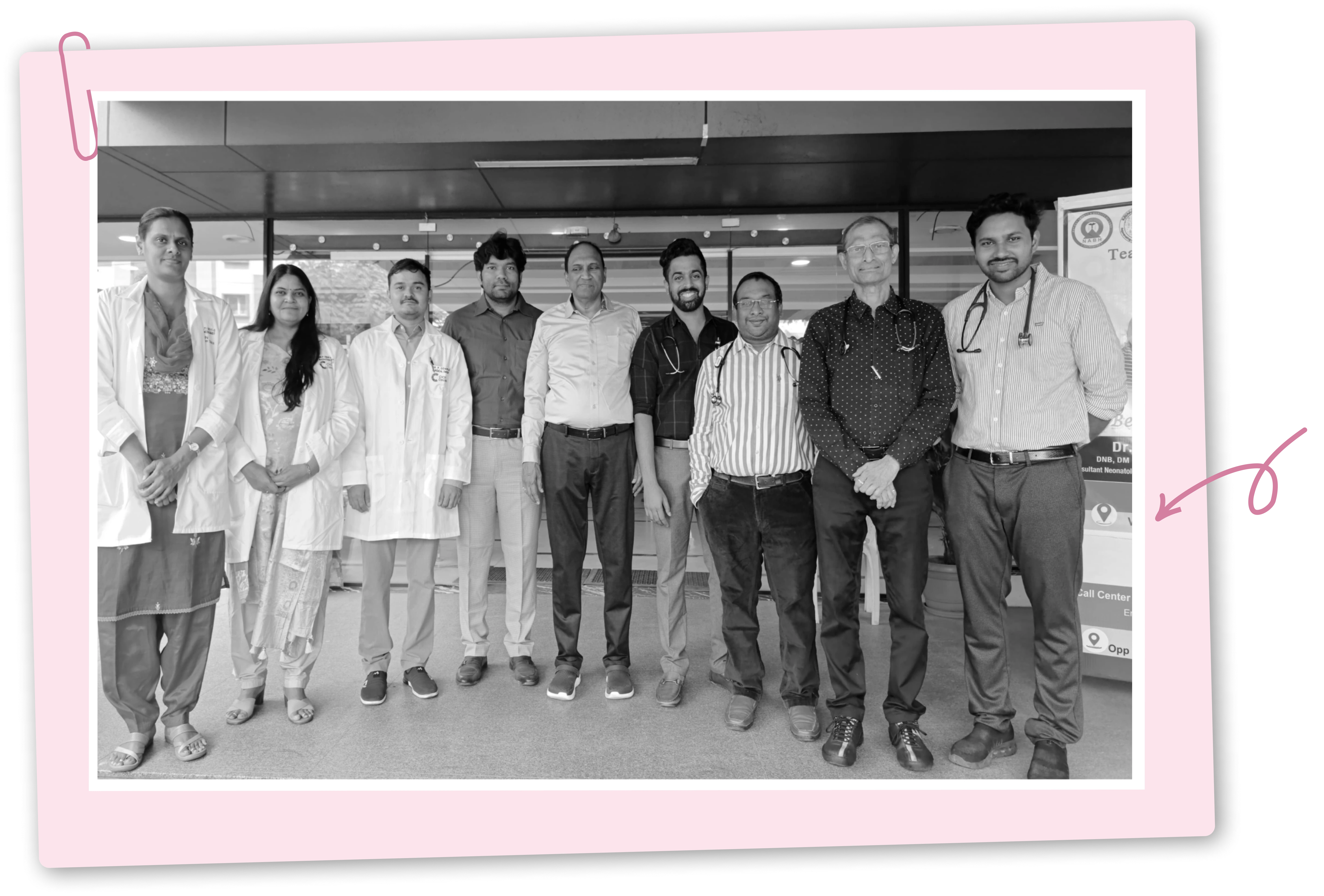
Our expert team of Pediatric Oncologists & Pediatricians

 Expert Pediatric Image

Myth  vs  Fact Down arrow Down arrow Down arrow

Contagious & Spreads

Non Contagious

Become Infertile

Not true for most survivors

Reduced lifespan

Latest techniques

No need of follow ups

Needs continuous follow ups

Survivor life is hard

Can lead a normal life

Survivor do poorly in schooling & employment

Depends on type of & treatment received

Treatment Plan

Treatment for pediatric cancer depends on several factors, including the type, stage of the disease, and the patient’s overall health.

icon logo

Surgery


Surgery for lung cancer is typically an option when the cancer is in its early stages and localized, meaning it hasn't spread to other parts of the body. It is most effective for non-small cell lung cancer (NSCLC) and can be curative when the tumor can be fully removed. However, surgery may not be suitable for patients with advanced cancer, poor lung function, or other medical conditions.

The key types of Surgery for lung cancer include:

Lobectomy - The most common procedure, where an entire lobe of the lung containing the tumor is removed

Pneumonectomy - This involves removing an entire lung when the cancer has spread throughout one lung and cannot be treated with a smaller surger

Segmentectomy or Wedge Resection - A less invasive option where only a small portion of the lung with the tumor is removed, often for smaller, early-stage tumors or patients unable to undergo a full lobectomy.

To Know More, Fill The Form

icon logo

Radiation Therapy


Radiation therapy is a key treatment for lung cancer, especially when surgery isn't an option due to the stage of cancer or the patient's health. It can be used to shrink tumors, either as a primary treatment or to help manage symptoms in advanced stages. In cases where cancer has spread to the brain, radiation can be crucial for symptom control and improving quality of life.
For small cell lung cancer (SCLC), brain irradiation is often used preventively, even if no brain metastases are detected. This is called *prophylactic cranial irradiation (PCI)*, and it aims to reduce the risk of the cancer spreading to the brain, which is common in small cell lung cancer.

The key types of Radiation Therapy for lung cancer include:

External Beam Radiation Therapy (EBRT) - The most common method, where high-energy beams target the tumor from outside the body.

Stereotactic Body Radiation Therapy (SBRT) - A highly precise method for smaller, early-stage tumors, delivering concentrated doses to the cancer while sparing nearby healthy tissue.

Brachytherapy - Internal radiation, where radioactive material is placed inside or near the tumor, often used for cancers that are obstructing airways.

To Know More, Fill The Form

icon logo

Chemotherapy


Chemotherapy is a primary treatment option for lung cancer, especially when surgery is not viable. It targets rapidly growing cancer cells throughout the body, making it effective for both early-stage and advanced cancers. Chemotherapy can be administered before surgery to shrink tumors, after surgery to kill remaining cells, or on its own to control the disease and alleviate symptoms.

The key types of Chemotherapy for lung cancer include:

Standard Chemotherapy - This involves the use of medications that target and kill rapidly dividing cancer cells throughout the body. It's often used in combination with other treatments to enhance effectiveness.

Combination Chemotherapy - Two or more chemotherapy agents are combined to increase the chances of success. This approach helps attack the cancer from multiple angles, often producing better results than single-agent treatments.

Maintenance Chemotherapy - After initial treatment, maintenance chemotherapy may be given over a longer period to keep the cancer in check and prevent recurrence. This is typically used when the cancer has responded well to initial treatment and aims to prolong control of the disease.

To Know More, Fill The Form

icon logo

Targeted Therapy


Targeted therapy is an advanced treatment for lung cancer that focuses on specific molecules involved in cancer growth, offering a more precise approach than traditional chemotherapy. This therapy is often used for patients whose cancer has certain genetic mutations, helping to block cancer's ability to grow and spread, while typically causing fewer side effects.

The key types of Targeted Therapy for lung cancer include:

Growth Inhibitors - These therapies block signals that tell cancer cells to grow uncontrollably. By interfering with these signals, they help slow or stop tumor growth.

Blood Supply Blockers - This approach targets the blood vessels that supply the tumor with oxygen and nutrients. By cutting off the blood flow, it starves the cancer cells, limiting their ability to grow and spread.

Mutation-Specific Inhibitors - These therapies focus on specific genetic mutations found in the cancer cells. By targeting these mutations, they can more effectively attack cancer while sparing healthy cells.

To Know More, Fill The Form

icon logo

Bone
Marrow
Transplant


Palliative care for lung cancer focuses on improving the quality of life for patients by managing symptoms, relieving pain, and addressing emotional, social, and spiritual needs. It is appropriate at any stage of cancer and can be provided alongside curative treatments. The goal is to ease the burden of cancer symptoms like breathlessness, fatigue, and pain, while also supporting the patient and their family in coping with the disease.

The key types of Bone
Marrow
Transplant for lung cancer include:

Symptom Management - Tailored interventions to control pain, nausea, difficulty breathing, and other symptoms, improving the patient's comfort and daily functioning.

Emotional and Psychological Support - Counseling and mental health care to help patients and their families cope with the emotional impact of lung cancer.

Coordination of Care - Palliative care teams work with other healthcare providers to ensure seamless, comprehensive care that aligns with the patient’s goals and preferences.

To Know More, Fill The Form

icon logo

Immunotherapy


Immunotherapy for lung cancer focuses on improving the quality of life for patients by managing symptoms, relieving pain, and addressing emotional, social, and spiritual needs. It is appropriate at any stage of cancer and can be provided alongside curative treatments. The goal is to ease the burden of cancer symptoms like breathlessness, fatigue, and pain, while also supporting the patient and their family in coping with the disease.

The key types of Immunotherapy for lung cancer include:

Symptom Management - Tailored interventions to control pain, nausea, difficulty breathing, and other symptoms, improving the patient's comfort and daily functioning.

Emotional and Psychological Support - Counseling and mental health care to help patients and their families cope with the emotional impact of lung cancer.

Coordination of Care - Palliative care teams work with other healthcare providers to ensure seamless, comprehensive care that aligns with the patient’s goals and preferences.

To Know More, Fill The Form

Find Our
Locations

Our administration and support staff all have exceptional people skills and trained to assist you with all medical enquiries.

Pin
Begumpet   |   Hitech City   |   Malakpet   |   Secunderabad   |   Somajiguda

Our
Patient
Testimonials

Get a Second Opinion, Make your right decision. Your Health Matters.

Get in touch

Types of
Pediatric Cancer

Radiation Image Radiation Image

Leukemia

Symptoms: Joint pain, fatigue, weakness, pale skin, bleeding or bruising, fever, weight loss, & other symptoms.

Tests: Blood tests, bone marrow examination, flow cytometry, cytogenetic & molecular genetic tests, & sometimes imaging studies & lumbar puncture.

Brain & Spinal (CNS) Tumors

Symptoms: Headaches, nausea, vomiting, blurred or double vision, dizziness, seizures, trouble walking or handling objects, & other symptoms.

Tests: Neurological exams, advanced imaging techniques (MRI, CT, MRS, fMRI, PET), biopsy procedures, lumbar puncture, molecular and genetic testing, EEG, & blood tests.

Neuroblastoma

Symptoms: The tumor usually starts in the belly (abdomen) where it is noticed as swelling. It can also cause other symptoms, like bone pain & fever.

Wilms Tumor (Nephroblastoma)

Symptoms: It can show up as a swelling or lump in the belly (abdomen). Sometimes the child might have other symptoms, like fever, pain, nausea, or poor appetite.

Hodgkin & Non-Hodgkin Lymphoma

Symptoms: Depends on where the cancer starts and can include weight loss, fever, sweats, tiredness (fatigue), and lumps (swollen lymph nodes) under the skin in the neck, armpit, or groin.

Bone Cancers - Osteosarcoma & Ewing Sarcoma

Symptoms: The most common places for it to start are the pelvic (hip) bones, the chest wall (such as the ribs or shoulder blades), or in the middle of the leg bones. Symptoms can include bone pain and swelling.

Rhabdomyosarcoma

Symptoms: This type of cancer can start in nearly any place in the body, including the head & neck, groin, belly (abdomen), pelvis, or in an arm or leg. It may cause pain, swelling (a lump), or both.

Retinoblastoma

Symptoms: White or yellowish glow in the pupil, crossed eyes or squinting, poor vision, redness & swelling of the eye, eye pain, enlarged pupil, persistent watery eyes.

arrow arrow arrow

Here’s why
CION is Life Changing

01.
Clarity in Treatment Plan

Our Most Experienced Oncologists provide you
with all viable treatment options, including
associated risks, while maintaining transparency.

02.
Close to you

To reduce patient discomfort, we are
strategically located all across Telangana,
minimizing commute times for our patients.

03.
Budget Friendly

We offer the lowest costs for all Treatments
(Surgery, Chemotherapy, Radiation) and
Diagnostics (PET CT, Biopsy) compared to others.

Our
Services

../../assets/hysterectomy/ourServices/popup/surgery.png

Surgery

In oncology, surgery involves physically removing the tumor and, sometimes, nearby tissues or lymph nodes to eliminate cancer from the body. It is often the first line of treatment for many solid tumors.

../../assets/hysterectomy/ourServices/popup/chemotherapy.png

Chemotherapy

Chemotherapy uses powerful drugs to kill rapidly dividing cancer cells throughout the body. It can be used alone or in combination with other treatments to reduce the risk of cancer returning or to shrink tumors before surgery.

../../assets/hysterectomy/ourServices/popup/radiationTherapy.png

Radiation Therapy

Radiation therapy uses high-energy radiation to damage the DNA of cancer cells, causing them to die or stop dividing. It can be used as a primary treatment or to shrink tumors before surgery and kill remaining cancer cells afterward.

../../assets/hysterectomy/ourServices/popup/getASecondOpenion.png

Get a Second Opinion

Get a Second Opinion with our most experienced oncologists at 50% off, with consultation fees now at Rs. 425.

../../assets/hysterectomy/ourServices/popup/petCtDiagnosticTest.png

PET CT/ Diagnostic Test

Book your PET CT in our Locations: Panjagutta, Himayath Nagar, Narayanaguda, Banjara Hills, Jubilee Hills Check Post. Affordable PET CT scan Starting from Rs.10,999/-

../../assets/hysterectomy/ourServices/popup/bookYourBiopsy.png

Book your Biopsy

Book your Biopsy in our Locations: Kukatpally, Erragadda, Masab Tank, Tolichowki, Ameerpet, Kompally, Lakdikapul. Low Cost Biopsy Starting from Rs.999/-

../../assets/hysterectomy/ourServices/popup/connectWithNutritionest.png

Connect with Nutrionist

Book your Consultation with our Most Experienced Nutritionists for a Perfect Diet Plan tailored to your needs only at Rs.1,200/-

../../assets/hysterectomy/ourServices/popup/consultWithPsychoOncologist.png

Consult with Psycho-oncologist

Book your Consultation with our Most Experienced Psycho - Oncologists at Rs.1,200/-

FAQs

How is childhood cancer diagnosed?

Doctors advise a combination of blood tests, imaging (X-rays, MRI, CT, or PET scans), biopsies, and other specialized tests to confirm a cancer diagnosis.

What treatment options are available for childhood cancer?

Treatment may include chemotherapy, surgery, radiation therapy, immunotherapy, targeted therapy, or a combination of these approaches, depending on the type and stage of cancer.

Is chemotherapy safe for children?

While chemotherapy can cause side effects, pediatric oncology teams carefully tailor doses to be effective yet safe for children. Advances in supportive care also help manage side effects.

Will my child need to stay in the hospital for treatment?

The need for hospitalization depends on the type of treatment and the child’s condition. Some treatments may be outpatient, while others require inpatient care.

Are there long-term side effects of treatment?

Some treatments may have long-term effects, such as on growth, development, or organ function. Regular follow-ups with our survivorship program help monitor and manage these effects.

How can I help my child cope with cancer treatment?

Providing emotional support, maintaining a routine, and working closely with the medical team can help your child cope. We also offer counseling services with our child-life specialists.

What support services are available for families?

We offer counseling, support groups, financial aid resources, and educational support to help families navigate this challenging time.

What happens if cancer returns after treatment?

If cancer recurs, our team will develop a new treatment plan, which may include different therapies or clinical trials to give your child the best possible outcome.