
Not able to open your mouth fully? This might be oral submucous fibrosis
- Almost always caused by areca nut — gutkha, pan masala or plain supari
- Tobacco-free does not mean safe. It is the nut, not only the tobacco
- Stopping halts it. What has already tightened does not loosen
- A recognised pre-cancerous condition, which is why it gets checked

Get it looked at and measured
Tell us what you have noticed and where you live. The first consultation is free, and you leave with your mouth opening written down so the next visit can tell whether it has changed.
No referral needed. If this turns out to be something a dentist should handle, we will say so.
What you would notice
It creeps up over months and years
Nothing happens suddenly, which is why it is usually well established before anybody comes in. These are the 4 things people describe, roughly in the order they appear.
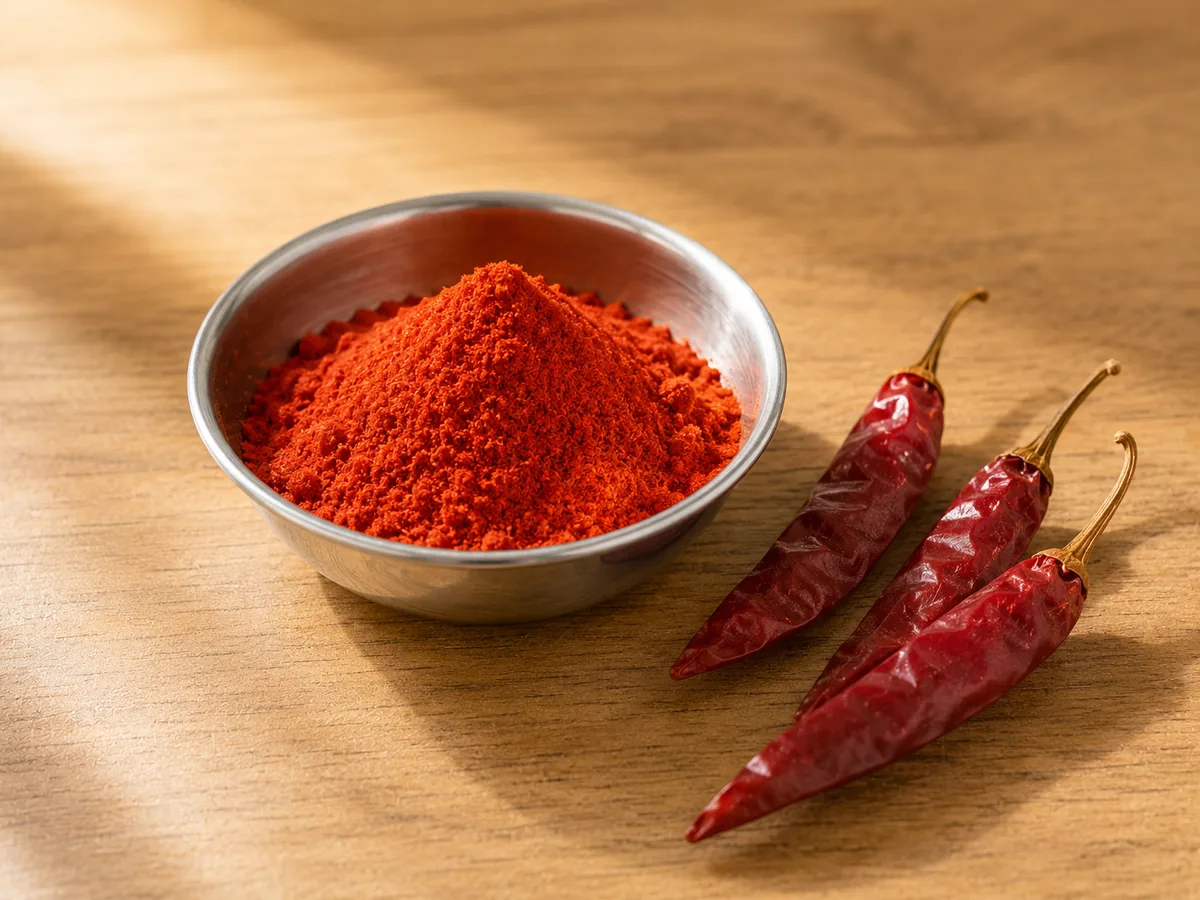
Burning with spicy food
Chilli starts to sting where it never did. Many people change what they eat around it for a year or more before connecting it to anything.

Tight cords inside the cheek
Run your tongue along the inside of your cheek. Firm bands that were not there before are the thing itself, forming.
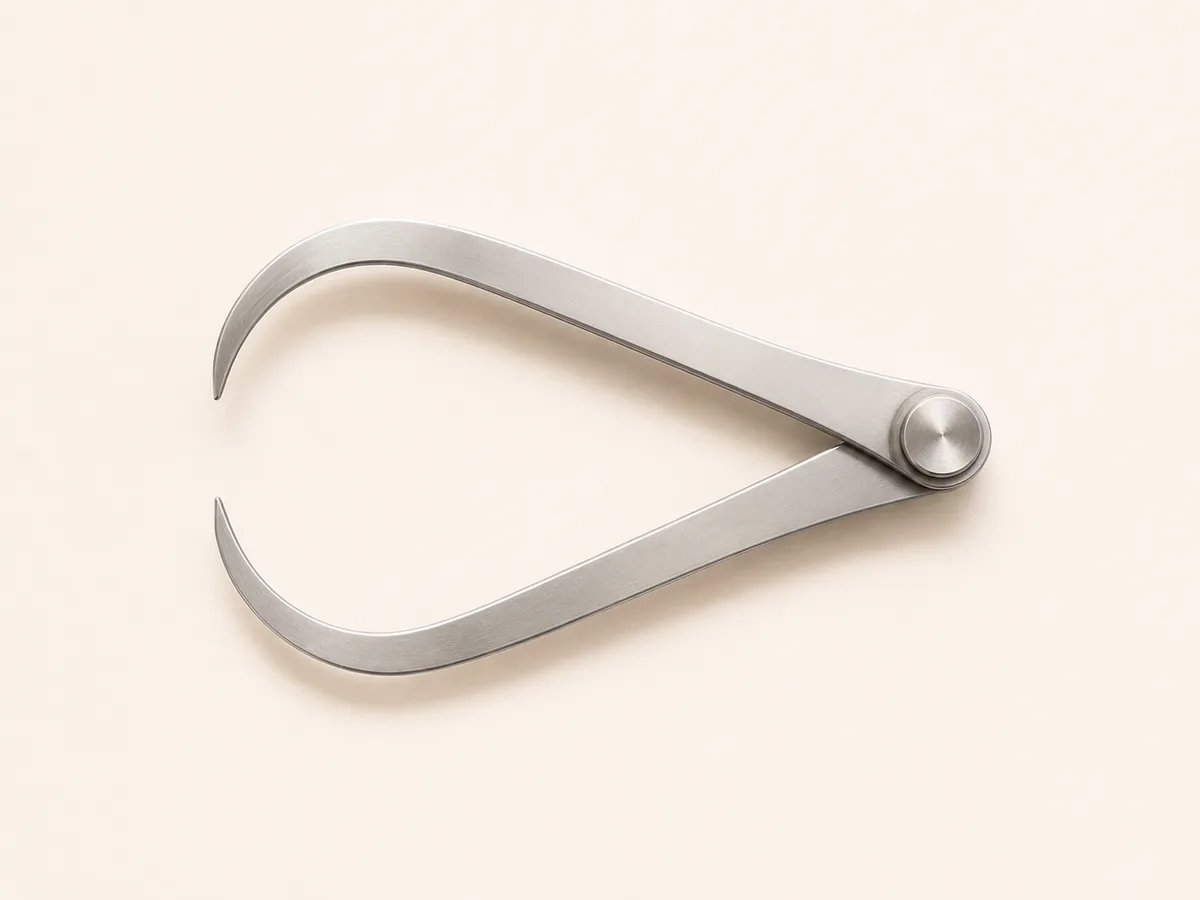
The mouth opens less than it did
Usually noticed when something ordinary becomes awkward: a whole roti, a toothbrush at the back, the dentist asking you to open wider.

The tongue moves less
Putting the tongue out gets harder, and some people find their speech changes slightly. This one tends to come after the tightening is established.
The cause
One habit is behind almost every case
This is not a mystery condition. It is caused by areca nut, and in this part of India that means gutkha, pan masala, supari, mawa or plain betel nut.
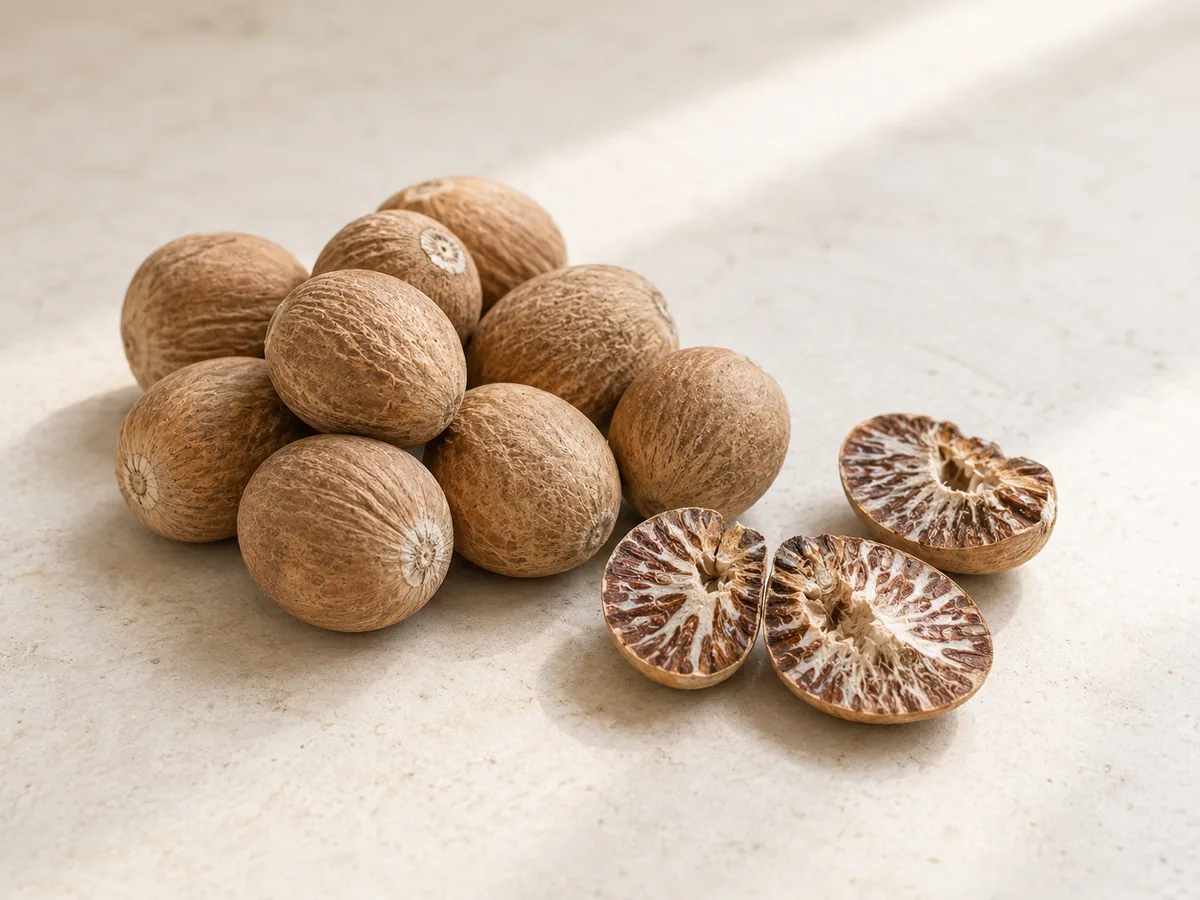
Areca nut, in any form
The nut itself is what stiffens the lining of the mouth. Chewed, held in the cheek, or sucked slowly, the effect is the same and it accumulates.
Tobacco-free is not safe
Pan masala sold as tobacco-free still contains areca nut, and still causes this. Many people switch to it believing they have solved the problem.
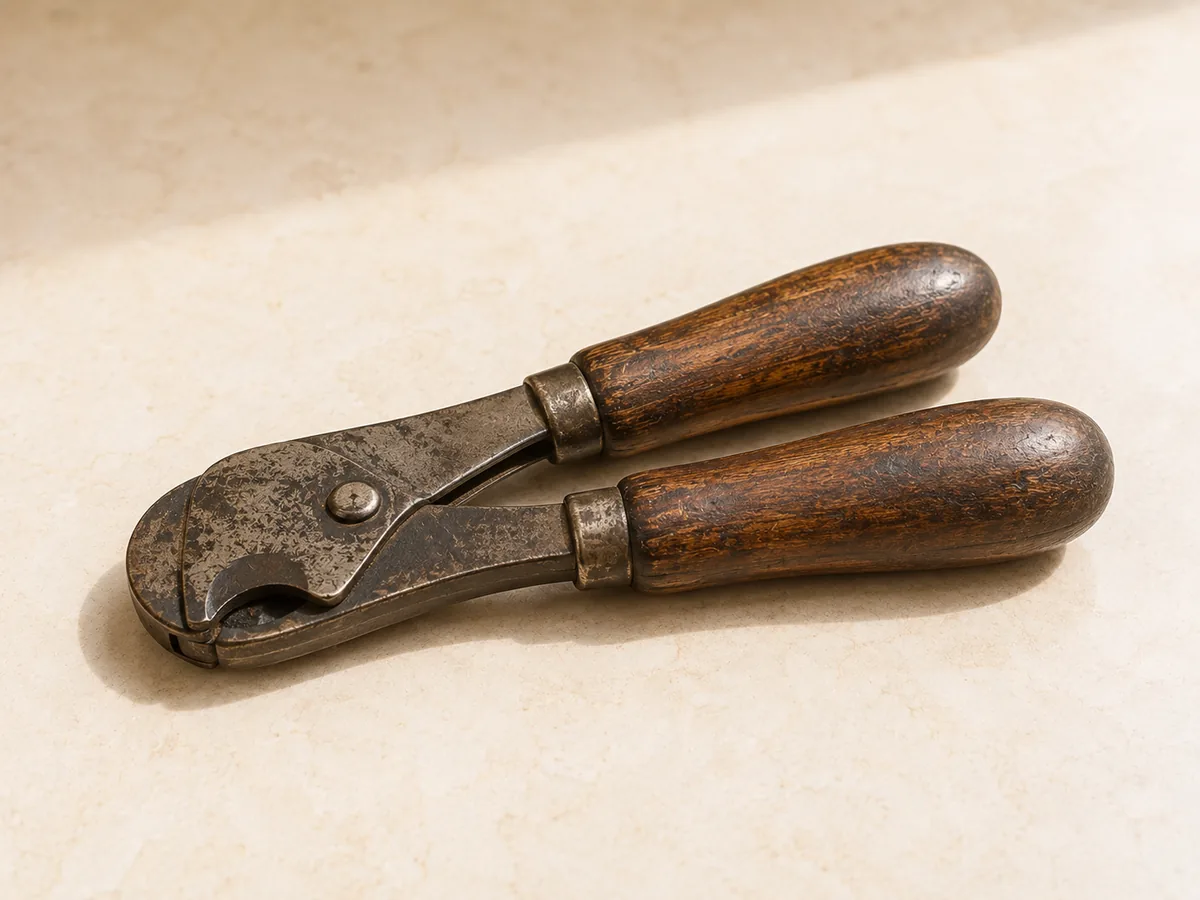
Years, not weeks
It builds with regular use over a long time. How many years and how often matter more than how much you take at a sitting.
If you have stopped already, that counts, and it counts from the day you stopped. Nothing on this page is an argument for giving up on giving up.
Check it yourself
How far should your mouth open?
There is a rough check you can do now, in front of a mirror, and it is where the clinic starts too. Stack your fingers on top of each other and see how many fit between your upper and lower front teeth.
This is a rough guide and not a diagnosis. At the clinic it is measured in millimetres and written into your file. That is the only way anyone can tell later whether it has changed.
Why it matters
Not cancer, but not nothing either
The honest position sits between the two things people assume. It is not a cancer diagnosis, and it is not a harmless stiffness that will pass.

A recognised pre-cancerous condition
It belongs to a small group of conditions where the risk is high enough that the mouth is checked regularly rather than left. Most people who have it do not go on to develop cancer.
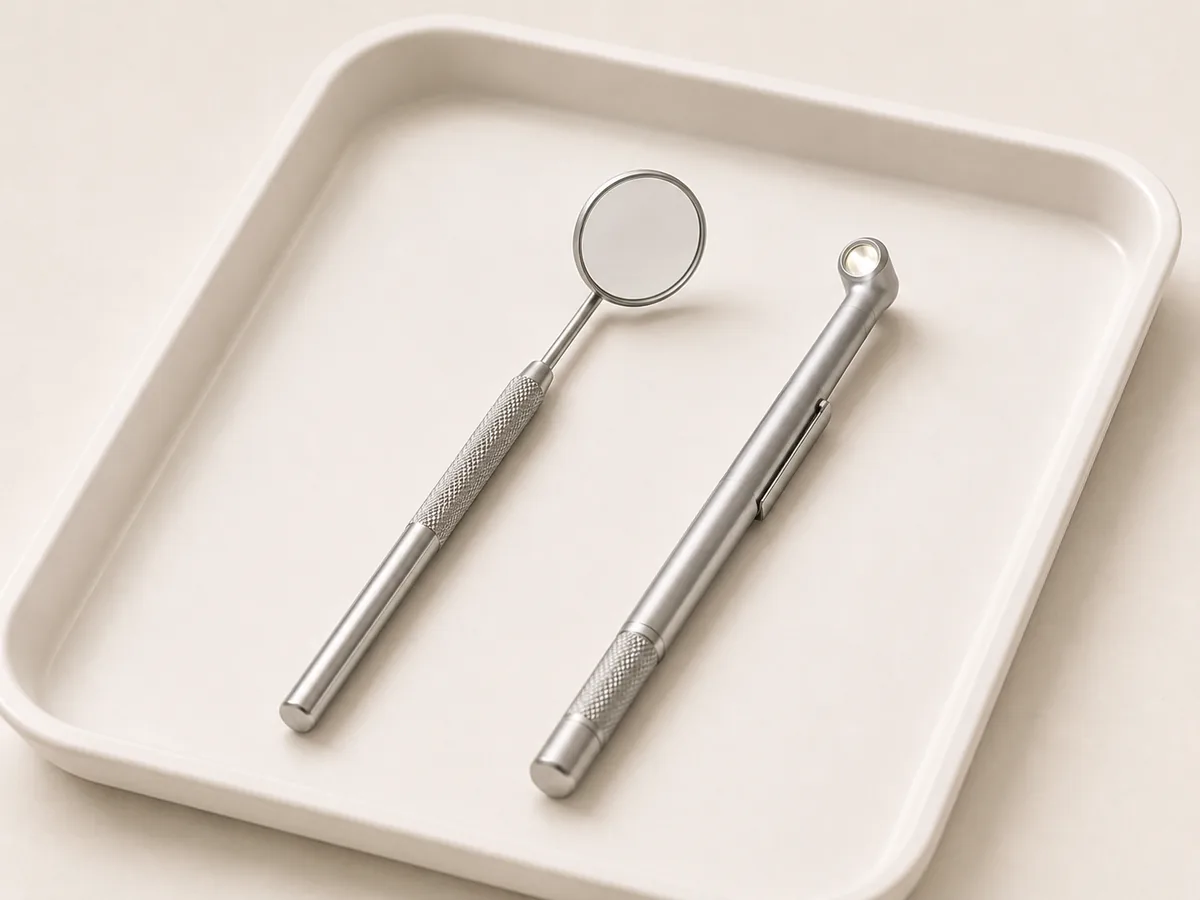
A tight mouth is harder to examine
The parts of the mouth where problems are easiest to miss are the parts that get hardest to see. That is a reason to be checked by someone who does this often.

It only goes one way
Tightening does not reverse. Treatment maintains and sometimes improves what opening you have, but it does not restore what has gone. Today is the most opening you will have.
What can be done
4 things, and the first one is free
They work together rather than in place of each other, and none of the others do much while the habit continues.

Stop the areca nut
The single most effective thing, and the only one that changes the course. It costs nothing and it works from the day you stop.
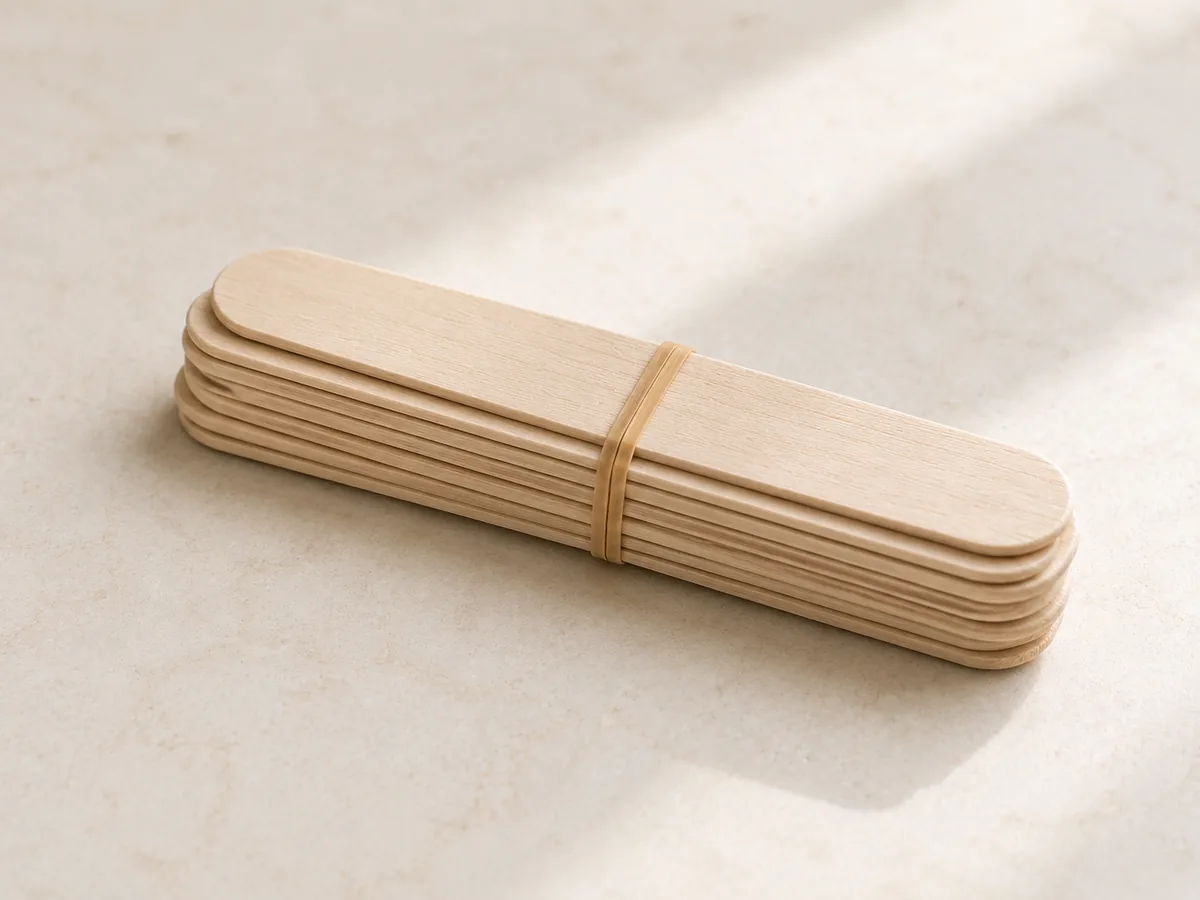
Mouth-opening exercises
Simple stretches that maintain, and sometimes recover a little of, the opening you have. You are shown how. They only work if they are done.
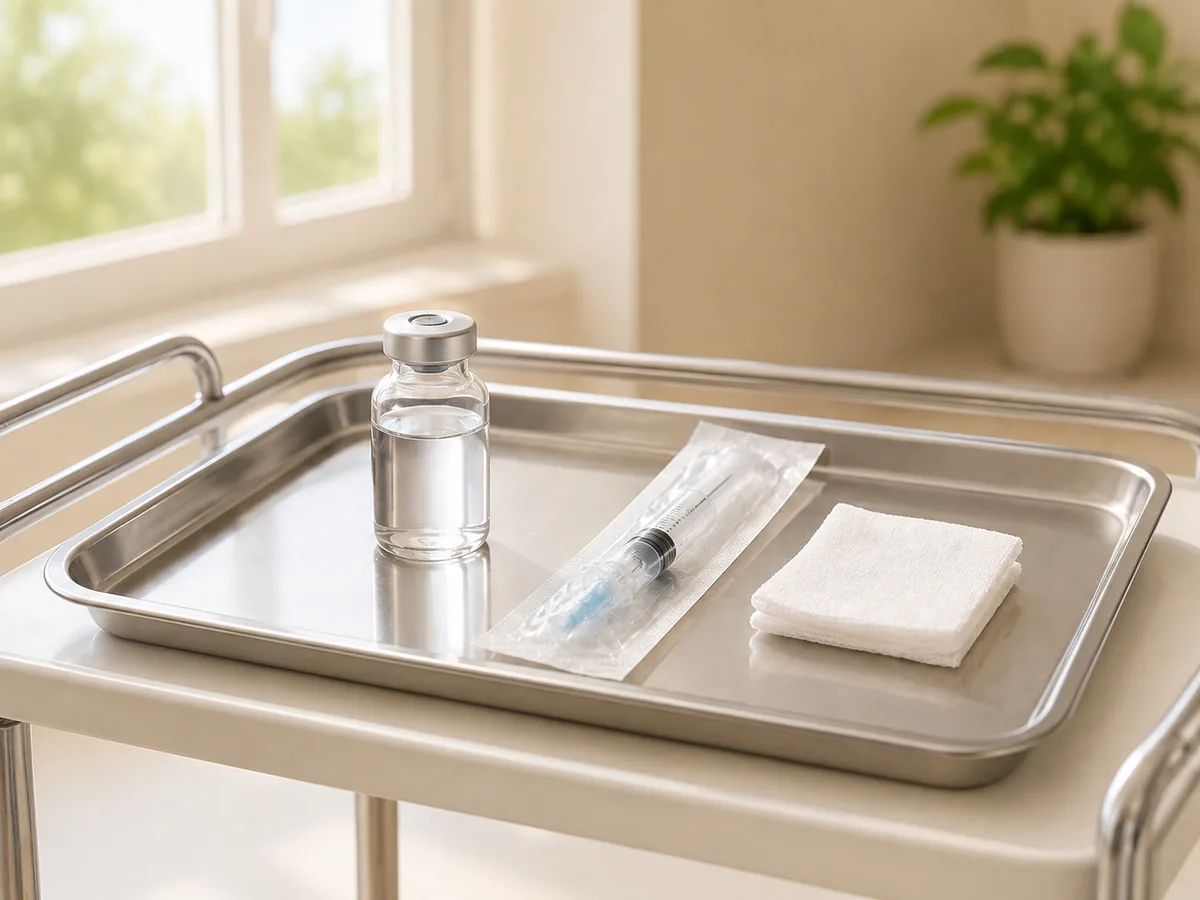
Injections into the tight bands
Medicine given directly into the fibrous bands can ease the burning and help with opening. Decided case by case, not given to everyone.

Surgery to release the bands
For very restricted opening only. The bands are divided and the gap covered. A real operation with a real recovery, and it does not remove the need to stop.
Questions
8 questions people ask, and the honest answers
These are the ones that come up on the phone, starting with the two everybody asks first.
01Is oral submucous fibrosis cancer?
No. It is a separate condition. What makes it matter is that it is recognised as pre-cancerous, so the mouth is watched rather than left alone. Most people who have it do not go on to develop cancer.
02If I stop chewing now, will my mouth open normally again?
No, and it is worth being straight about that. Stopping halts the process. It does not undo the tightening that has already happened. That is the honest reason to stop today rather than next month, because today is the most opening you will have.
03Is tobacco-free pan masala safe?
No. It is the areca nut that causes this, not only the tobacco mixed with it. A packet marked tobacco-free still contains areca nut and still does the same damage.
04I only chew occasionally. Am I still at risk?
Yes, though less so. How long you have chewed and how often matter more than how much at a time. Years of occasional use can do it. If you have noticed any tightening, the amount is no longer the question.
05Does it hurt?
Often not, which is the problem. Many people have no pain at all, just a burning with spicy food and a mouth that opens less than it did. Because nothing hurts, it is usually well advanced before anybody comes in.
06Will I need surgery?
Most people do not. Surgery is for cases where the opening is very restricted. For most, stopping the habit and doing the stretching exercises is what is offered, sometimes with injections into the tight bands.
07Can my dentist manage this instead?
A dentist will often be the one who spots it. Where it is early and there is nothing suspicious to look at, dental follow-up is reasonable. What an oncology check adds is a look at the areas that are hardest to see, and a written record of your opening so change can be measured.
08Do I need a biopsy?
Not usually, and not for the fibrosis itself. A biopsy is done if there is a patch or an ulcer that needs identifying, not to confirm the tightening. If one is advised you will be told exactly why.
Where
Checked at all 10 Hyderabad centres
It is a consultation and an examination, so it runs anywhere. You leave with your opening measured and recorded, whichever centre you go to.
- CION Ameerpet
HMDA Maitrivanam, Ameerpet
- CION Kukatpally
Mumbai Highway, Kukatpally
- CION Tolichowki
Khader Bagh, Tolichowki
- CION Masab Tank
AC Guards, Masab Tank
- CION L.B. Nagar
Anu Arcade, near the Metro, L.B. Nagar
- CION Banjara Hills
Road No. 12, Banjara Hills
- CION Kompally
NH-44, Suchitra Road, Jeedimetla
- CION Balanagar
Balanagar Main Rd, Ferozguda, Balanagar
- CION Pragathi Nagar
Pragathi Nagar Rd, near JNTU, Kukatpally
- CION Nacharam
Behind Telephone Exchange, IDA Nacharam
Beyond the city, 31 more towns across 16 districts of Telangana and north Andhra Pradesh. Ask for the closest when you call.
Get it measured now, so next year can be compared to it.
Give us your name, number and where you live. Someone will call and book a look at your mouth, and you will be told plainly what stage it is at and what would help.
Toll free 1800 202 8726 · No referral needed · Telugu, Hindi and English