
A red patch in your mouth that will not go — do not wait on this one
- Most red patches are a rubbed spot, a burn or an infection
- Those settle within 2 weeks. That is the whole test
- A red patch usually does not hurt, which is why it gets ignored
- Unlike a white patch, a persistent red one is sampled rather than watched

Had it more than 2 weeks?
Tell us what you have noticed and where you live. The first consultation is free, and the look itself takes a couple of minutes.
No referral needed. If this turns out to be something ordinary, you will be told that plainly and sent home.
Start here
Most red patches in the mouth are none of the frightening things
The mouth is a busy, warm, constantly injured place. These 4 causes account for the great majority, and every one of them settles on its own.
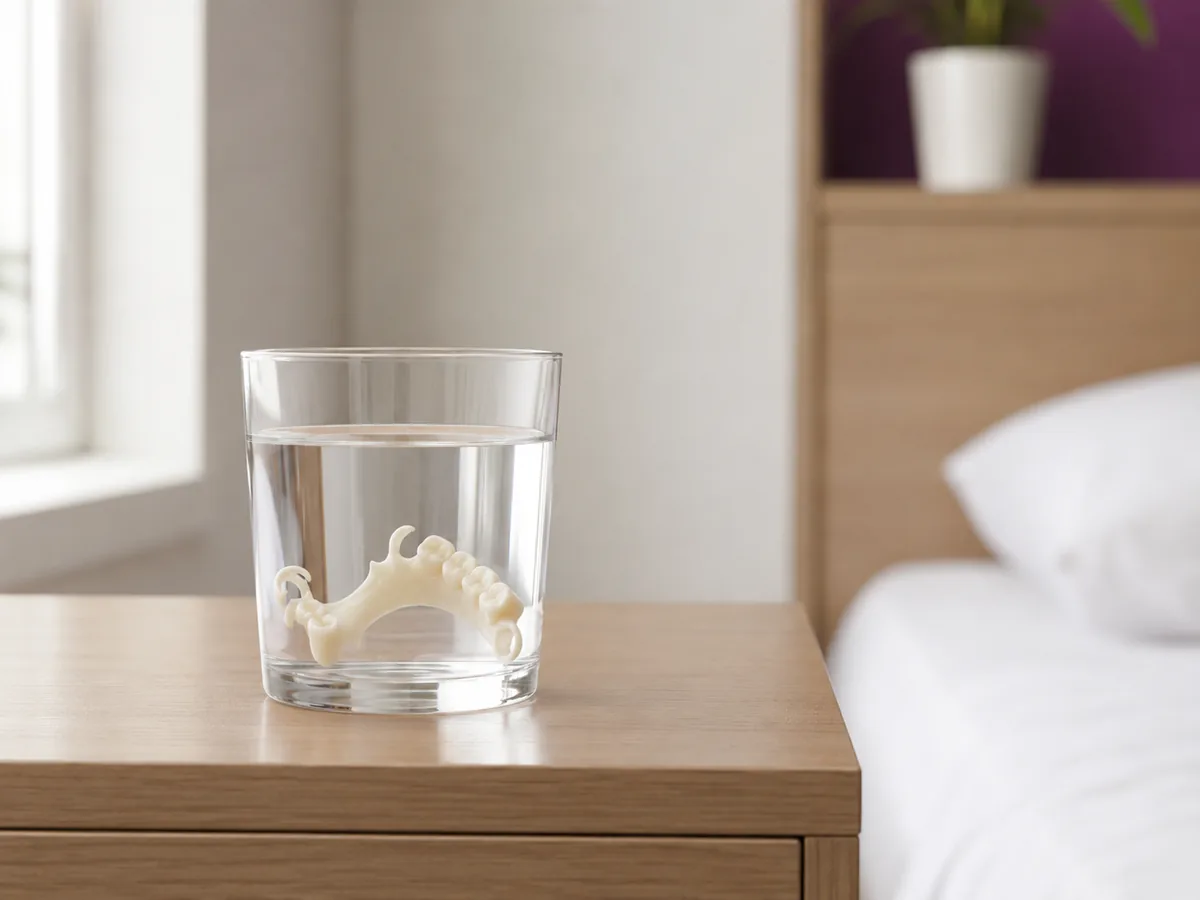
A denture or a plate rubbing
A denture that has shifted, or a new one you are still getting used to, leaves a red area exactly where it presses. Adjust the fit and it clears.

A burn or a bite
Hot tea, hot food, or catching the cheek while eating. It is sore for a few days and gone within a week or so.
An infection
Some infections make patches of the lining go red and sore, particularly after antibiotics, in diabetes, or for denture wearers. It responds to treatment.
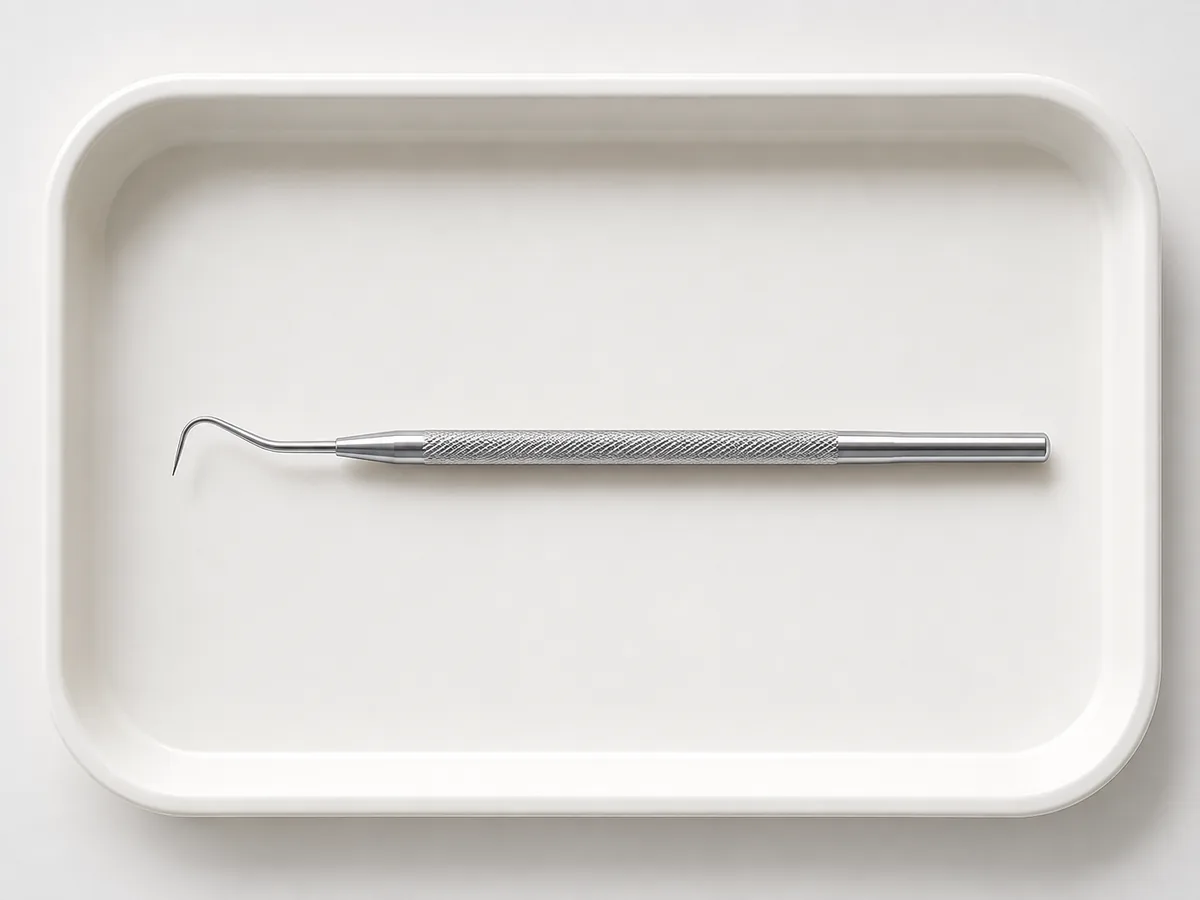
A sharp tooth or a filling
A broken edge rubbing the same spot every day keeps a red patch going indefinitely. People often blame the patch rather than the tooth causing it.
All 4 have something in common: each has a clear reason behind it, and each gets better once that reason is fixed. The rest of this page compares against that.
What is different
3 things that set the other kind apart
None of these means cancer. They mean the patch is not behaving like the ordinary causes above, which is the reason to have it looked at rather than wait.

It is still there after 2 weeks
A rubbed spot heals once the rubbing stops. A burn heals. An infection responds. A patch that outlasts all of that has stopped behaving like them.

It does not hurt
The ordinary causes are usually sore. This one usually is not. People read painlessness as reassurance, and here it is the opposite.
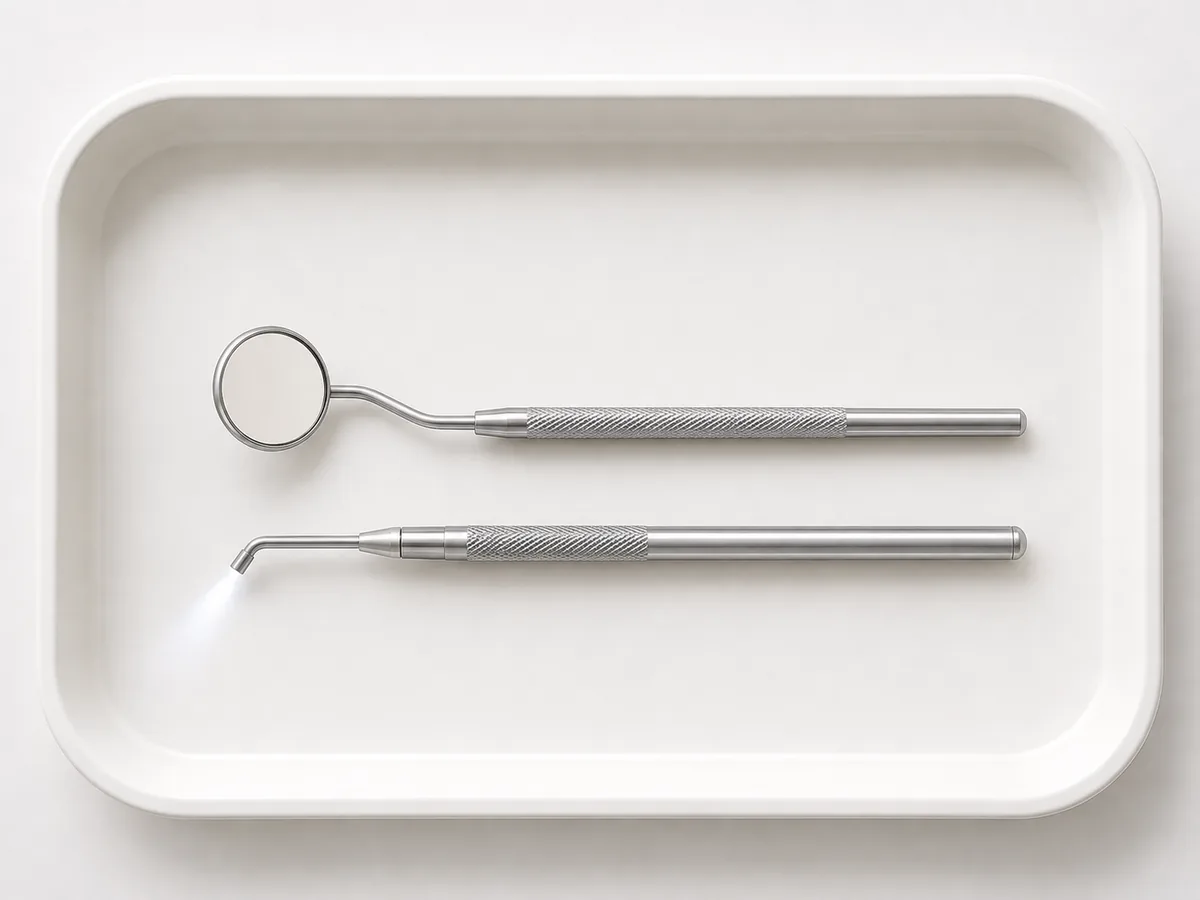
It is somewhere you cannot see
Under the tongue and at the back of the mouth are the easiest places to miss, and exactly where you cannot check yourself.
You do not need all 3. A patch that is simply still there after 2 weeks, with no clear reason behind it, is enough to get it looked at.
Do this today
Photograph it, and put a date on it
Nobody can remember accurately whether a patch has changed. A dated photograph answers that in a way memory cannot, it takes 10 seconds, and it makes the appointment far more useful.
If it has already been there longer than 2 weeks, you have your answer without the second photograph. Take one anyway and bring it: it shows how the patch looked before anything was done to it.
Red or white
Why a red patch is handled differently from a white one
People assume the two are the same finding in different colours. They are not, and the difference decides whether it gets watched or sampled.

White is commoner, red is rarer
White patches in the mouth are common and have many harmless causes. Red ones are much less common, which is part of why they get more attention.

Sometimes reasonable to watch
Depending on how it looks and where it is, a white patch may be reviewed after a few weeks rather than sampled straight away.

Usually sampled, not watched
A red patch that has lasted is the one oral finding most likely to be biopsied at the first visit. Not because it is certainly serious, but because watching it is the option nobody wants to take.
If yours is white rather than red, or a mixture of both, it still needs the same 2-week test. A patch with both colours in it is treated like the red one.
What happens
4 steps, and most people are out in 20 minutes
Knowing what the visit actually consists of removes most of the reason people put it off.

A proper look
With a good light and a mirror, including the places you cannot see yourself. A couple of minutes, and it does not hurt.

It gets written down
Where it is, how big, what it looks like. That record is what any future visit gets compared against, which is why the date matters.

A small sample
For a red patch that has lasted, a small piece is usually taken with numbing medicine. It takes a few minutes and you go home straight afterwards.

The result, explained
The sample is read by a pathologist. The report goes back to the doctor who took it, who goes through it with you rather than handing it over.
Questions
8 questions people ask, and the honest answers
Starting with the one everybody wants answered before they read anything else.
01Is a red patch in the mouth cancer?
No, and most are not. A red patch is a finding, not a diagnosis. Most turn out to be a rubbed spot, a burn or an infection. What makes it worth acting on is that it is the finding least safe to leave, not that it is likely to be serious.
02How long should I wait before getting it looked at?
2 weeks. That is the standard, and it is not arbitrary. Almost everything ordinary settles inside 2 weeks: a rubbed patch heals once the cause goes, a burn heals, an infection responds. Something still there has stopped behaving like those.
03It does not hurt. Does that mean it is fine?
No, and this is where people go wrong. Pain is a poor guide in the mouth. The ordinary causes usually do hurt, and this one usually does not. A painless patch is not more reassuring than a sore one, if anything the opposite.
04Will I definitely need a biopsy?
Probably, and that is the point of coming in. A persistent red patch is the one oral finding usually sampled rather than watched. It is a small procedure with numbing medicine, and it turns a question into an answer instead of another appointment in 6 weeks.
05I do not chew or smoke. Can I still get this?
Yes, though it is much less common. Tobacco and areca nut are behind most cases, and alcohol adds to it. But not every case has an obvious cause, so no habit does not mean no check.
06My dentist said to watch it. Should I?
Ask specifically whether it is red or white. Watching is often reasonable for a white patch. For a red one that has already lasted 2 weeks it usually is not. It is a fair question to ask, and any dentist will answer it.
07What if it is somewhere I cannot see?
That is common, and it is why the check matters. The easiest places to miss are the floor of the mouth and the soft part at the back, exactly where you cannot inspect yourself. A proper look takes a couple of minutes.
08Can I just send a photograph instead of coming in?
A photograph helps, but it cannot settle it. Please bring one. A dated photograph does show whether something has changed. But a red patch is diagnosed by examining it and usually by sampling it. No photograph does that part.
Where
Looked at at all 10 Hyderabad centres
It is an examination, so it runs anywhere. Where a sample is needed, that is arranged from the same visit rather than as a separate trip.
- CION Ameerpet
HMDA Maitrivanam, Ameerpet
- CION Kukatpally
Mumbai Highway, Kukatpally
- CION Tolichowki
Khader Bagh, Tolichowki
- CION Masab Tank
AC Guards, Masab Tank
- CION L.B. Nagar
Anu Arcade, near the Metro, L.B. Nagar
- CION Banjara Hills
Road No. 12, Banjara Hills
- CION Kompally
NH-44, Suchitra Road, Jeedimetla
- CION Balanagar
Balanagar Main Rd, Ferozguda, Balanagar
- CION Pragathi Nagar
Pragathi Nagar Rd, near JNTU, Kukatpally
- CION Nacharam
Behind Telephone Exchange, IDA Nacharam
Beyond the city, 31 more towns across 16 districts of Telangana and north Andhra Pradesh. Ask for the closest when you call.
Two weeks is the test. If it has passed, come and be told what it is.
Give us your name, number and where you live. Someone will call and book a look. If it turns out to be a denture rubbing or a healed burn, you will be told that and sent home.
Toll free 1800 202 8726 · No referral needed · Telugu, Hindi and English