
A gum or jaw swelling that will not settle
- Most of these are a tooth, and they settle once the tooth is dealt with
- An abscess improves within days of being treated. That is the test
- If a tooth came out and the swelling stayed, say so when you book
- Teeth loosening in one small area is worth mentioning too
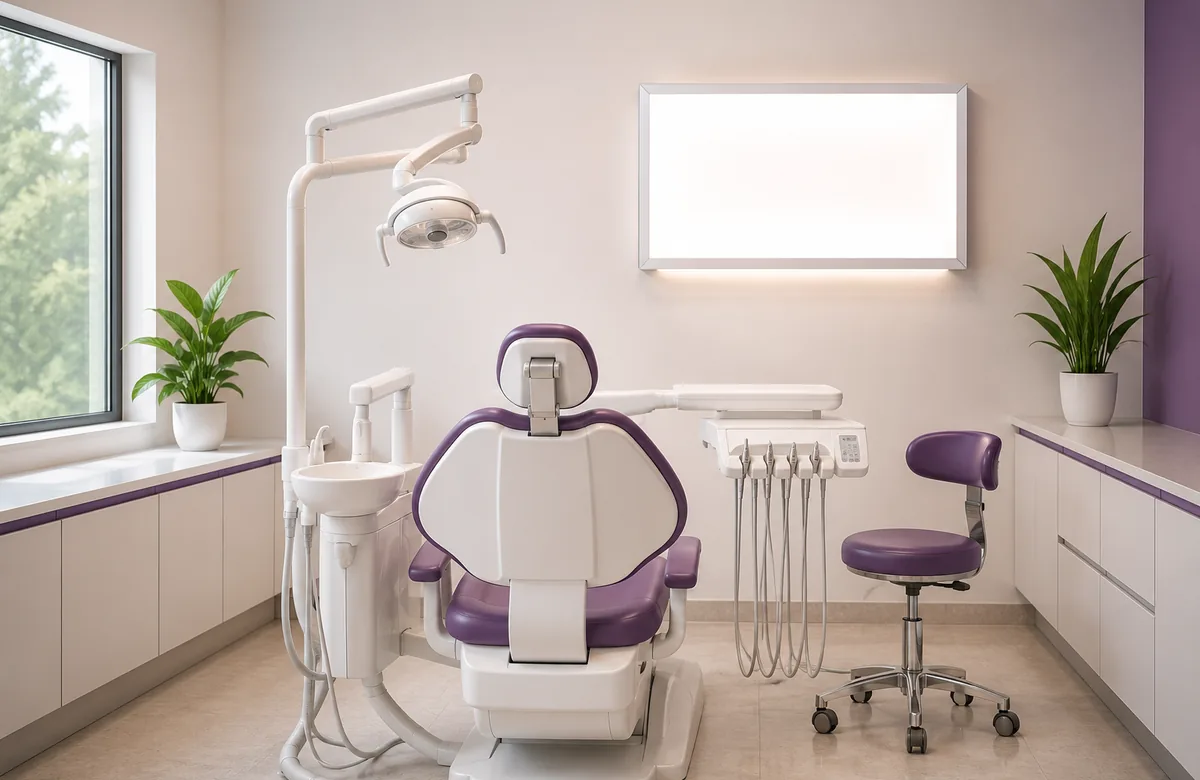
Treated already and no better?
Tell us what has been done so far and where you live. The first consultation is free, and bring any X-ray you already have, even an old one.
No referral needed. If this is still a dental problem, you will be told that and pointed back to a dentist.
Start here
Nearly always, it is a tooth
The jaw is full of teeth and their roots, and almost everything that swells around them starts there. These 4 cover the great majority, and all of them respond to dental treatment.

An abscess at a tooth root
Painful, often with a bad taste, sometimes with the face swelling on that side. Once it is drained or the tooth is treated, it improves within days.

A wisdom tooth coming through
The gum over a partly erupted wisdom tooth swells and traps food. It flares, settles, and flares again until the tooth is dealt with.
Gum disease
Puffy gums that bleed when brushing, usually across several areas rather than one spot. It improves with cleaning and better brushing.

A cyst around a root
A slow, painless swelling that shows up on an X-ray, often around a dead or treated tooth. It is not cancer and it is treatable.
All 4 have one thing in common: they get better when the tooth is dealt with. That response is the test the rest of this page is built on.
What is different
3 ways a swelling can behave unlike a tooth problem
None of these means cancer. They mean the swelling is not following the usual pattern, and that is the reason to have it looked at rather than treated again.

It does not hurt
Dental swellings usually hurt, often badly. One that has grown steadily without pain is not more dangerous by itself, but it is behaving unlike the common causes.

It feels firm, not soft
An abscess feels soft and tense. A swelling that feels hard and fixed, as though it is part of the bone rather than sitting on it, is a different finding.
It keeps coming back to the same spot
Treated, settled, returned. Treated again, settled, returned. Repeating in exactly the same place is the pattern most worth mentioning.
One thing that is a genuine emergency, and it is not cancer. Go to a hospital now if a swelling is spreading under your jaw or down your neck with fever. The same applies if you are struggling to swallow or open your mouth. A dental infection that spreads like that can close the airway. Everything else on this page can wait for a normal appointment.
The thing to say out loud
If a tooth came out and the swelling stayed
This is the most useful sentence you can bring to an appointment, and almost nobody thinks to say it. A socket is sore and puffy for about a week, then closes over and settles. One that does not is telling you the tooth was not the cause.
The same applies to repeat treatment. If you have had 2 courses for the same spot and nothing has changed, a third is not the answer. Asking for the bone underneath to be looked at is reasonable.
What else to notice
3 details worth mentioning that people leave out
These are easy to dismiss as unrelated, and any of them alongside a swelling that has not settled makes the case for a proper look.

Teeth loose in one small area
Teeth loosening all over is usually gum disease. Teeth loosening in one small area while the rest of the mouth is fine is a different thing entirely.

Numbness of the lip or chin
A patch of lip or chin that feels dead or tingly on one side, with nothing to explain it, matters more than it seems.
A denture that stopped fitting
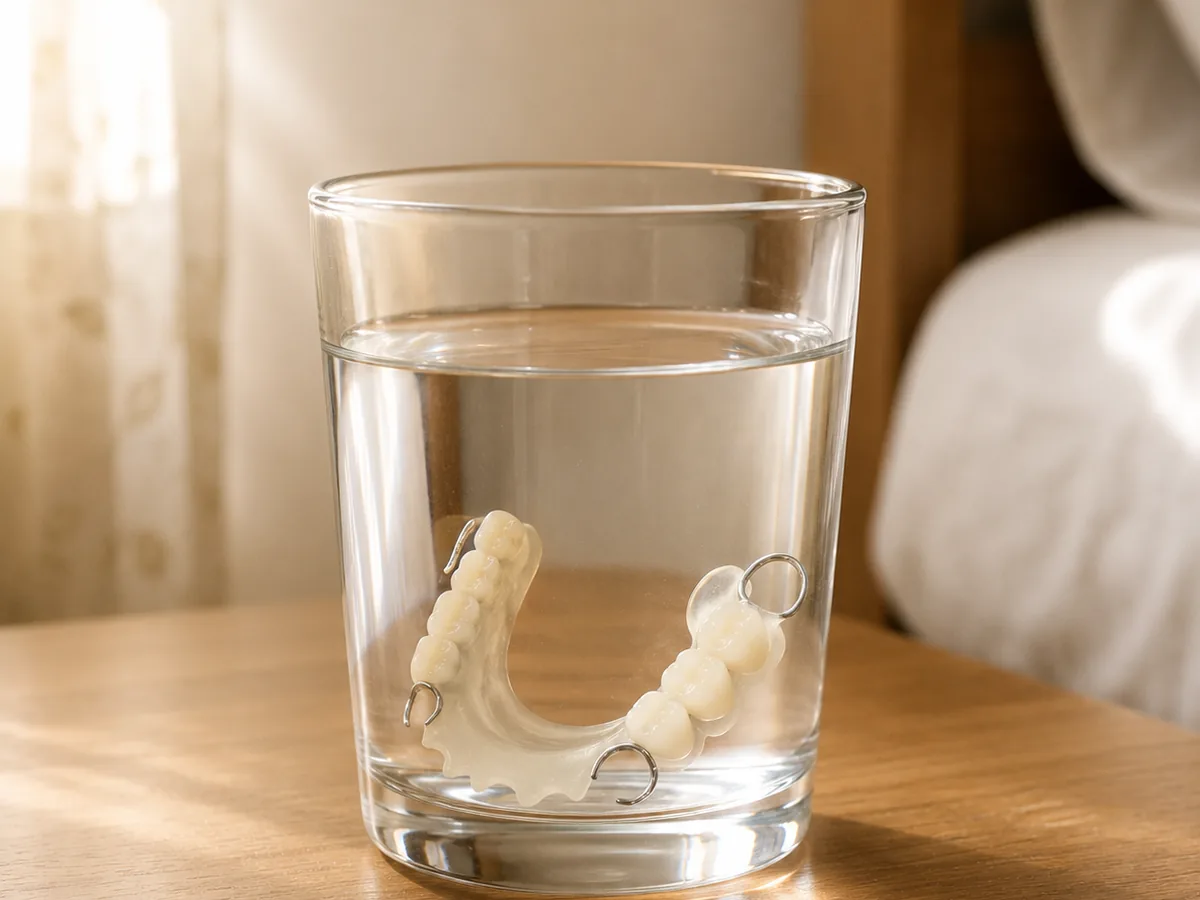
A denture is moulded to the shape of your jaw. If it has stopped sitting right and nothing else changed, the shape underneath may have changed.
What happens
4 steps, and the X-ray does most of the work
The swelling you can see is the smaller half of the story. What matters is the bone underneath, and that needs a picture.
A look in the mouth
Where the swelling is, which teeth sit in it, whether any are loose. A couple of minutes and it does not hurt.

An X-ray of the jaw
This shows the bone under the swelling, which nobody can see or feel. It takes a minute, and bring any old X-ray you have because the comparison is valuable.
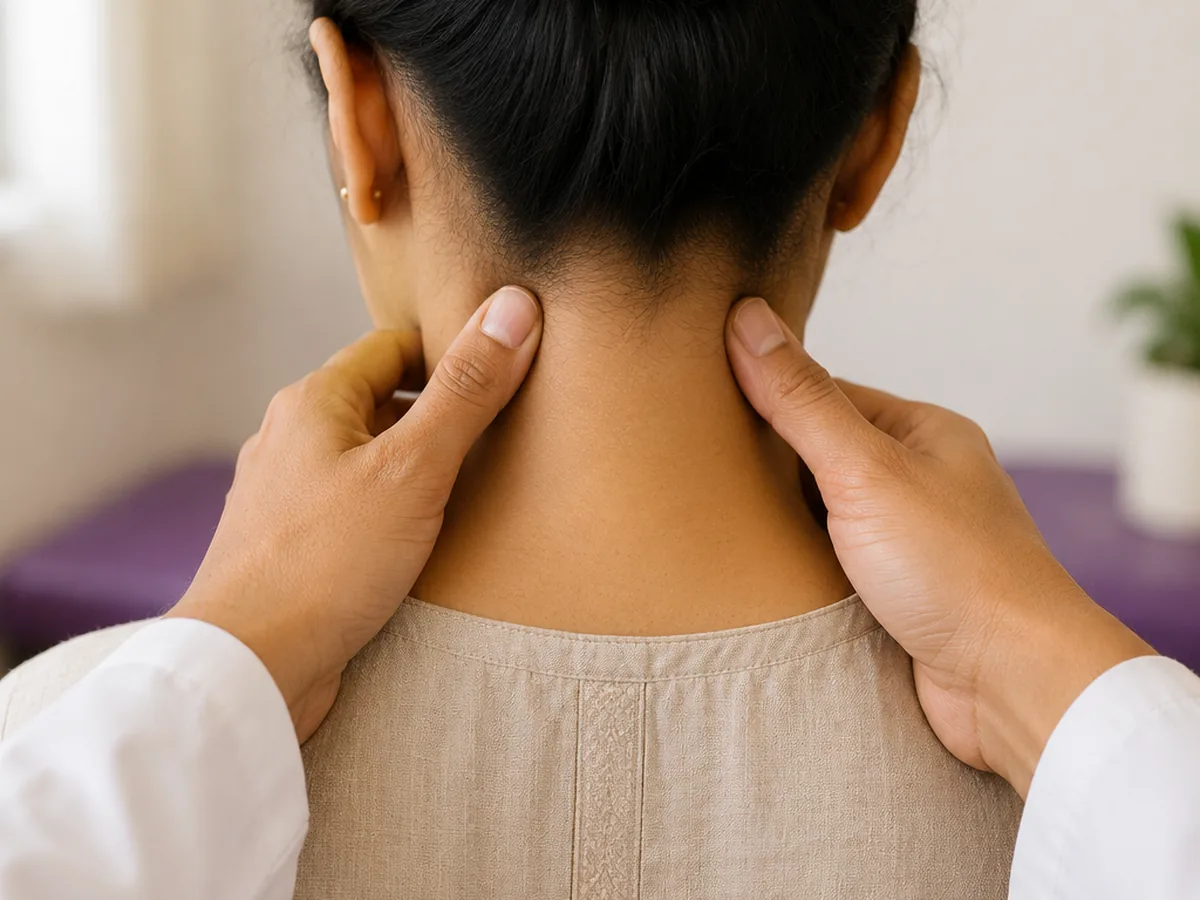
The jaw and neck felt by hand
Along the jawline and down both sides of the neck. It takes a minute and it often settles how urgent this is.

What was found, written down
Including if it is dental after all, which is the commonest outcome. You are told plainly and pointed to the right person.
Questions
8 questions people ask, and the honest answers
Starting with the one that brings most people here, and the one nobody thinks is worth saying.
01The tooth was taken out but the swelling is still there. Is that normal?
For a few days, yes. For weeks, no. A socket is sore and puffy for about a week and then settles. A swelling still there a month later, or a socket that has not closed over, is the most useful thing you can tell a doctor. It usually means the tooth was not the cause.
02Is a swollen gum or jaw usually cancer?
No, and it is usually a tooth. The great majority are an abscess, a wisdom tooth, gum disease or a cyst around a tooth root. What makes one worth a second look is not how it appears but how it behaves: whether it settled when it was treated.
03How long should I give it?
2 weeks, or one course of treatment, whichever comes first. An abscess that has been drained or treated improves within days. If a full course has come and gone and nothing has changed, the answer is not another course.
04It does not hurt at all. Is that better or worse?
Neither, but it is worth mentioning. Dental swellings usually hurt, sometimes a great deal. A swelling that has grown quietly without pain is not more dangerous by itself. It is behaving unlike the common causes, and that is the reason to have it looked at.
05My teeth have become loose in one area. Does that matter?
Yes, and say it when you book. Teeth loosening across the whole mouth is usually gum disease. Teeth loosening in one small area, with the rest of the mouth fine, is different and it is worth mentioning specifically.
06My denture stopped fitting. Could that be related?
It can be, and people rarely think to mention it. A denture is moulded to the shape of your jaw. If it has stopped sitting properly and nothing else has changed, the shape underneath may have. It is a small detail that occasionally matters a lot.
07Will I need an X-ray?
Almost certainly, and it is quick. A dental X-ray shows the bone under the swelling, which is the part nobody can see or feel. It takes a minute and it settles a great deal on its own.
08Should I see a dentist or come here?
See a dentist first if you have not already. Most of these are dental and a dentist is the right person. Come here if a dentist has treated it and it has not settled, if a tooth came out and the swelling stayed, or if you have had more than one course for the same spot.
Where
Examined at all 10 Hyderabad centres
The look and the examination run anywhere. Where a jaw X-ray is needed, that is arranged from the same visit rather than as a separate trip.
- CION Ameerpet
HMDA Maitrivanam, Ameerpet
- CION Kukatpally
Mumbai Highway, Kukatpally
- CION Tolichowki
Khader Bagh, Tolichowki
- CION Masab Tank
AC Guards, Masab Tank
- CION L.B. Nagar
Anu Arcade, near the Metro, L.B. Nagar
- CION Banjara Hills
Road No. 12, Banjara Hills
- CION Kompally
NH-44, Suchitra Road, Jeedimetla
- CION Balanagar
Balanagar Main Rd, Ferozguda, Balanagar
- CION Pragathi Nagar
Pragathi Nagar Rd, near JNTU, Kukatpally
- CION Nacharam
Behind Telephone Exchange, IDA Nacharam
Beyond the city, 31 more towns across 16 districts of Telangana and north Andhra Pradesh. Ask for the closest when you call.
If it was treated and did not settle, that is the reason to come.
Give us your name, number and where you live. Bring any X-ray you already have. If this is still a dental problem you will be told so and sent to the right person.
Toll free 1800 202 8726 · No referral needed · Telugu, Hindi and English