
A white coating on your tongue? The top is not the part that matters
- A coating on the top surface is common and almost always harmless
- It changes day to day and it comes away with gentle cleaning
- The sides and the underside are where people never look
- Anything fixed in one place for more than 2 weeks needs a look

Something on the side or underneath?
Tell us where exactly it is and where you live. The first consultation is free, and say which surface when you call, because it changes how soon you are seen.
No referral needed. If this is an ordinary coating, you will be told that and told how to clear it.
Start here
A coating is the commonest thing a tongue does
The surface of the tongue is rough by design, so it collects things. These 4 causes account for almost every white coating anyone ever sees.
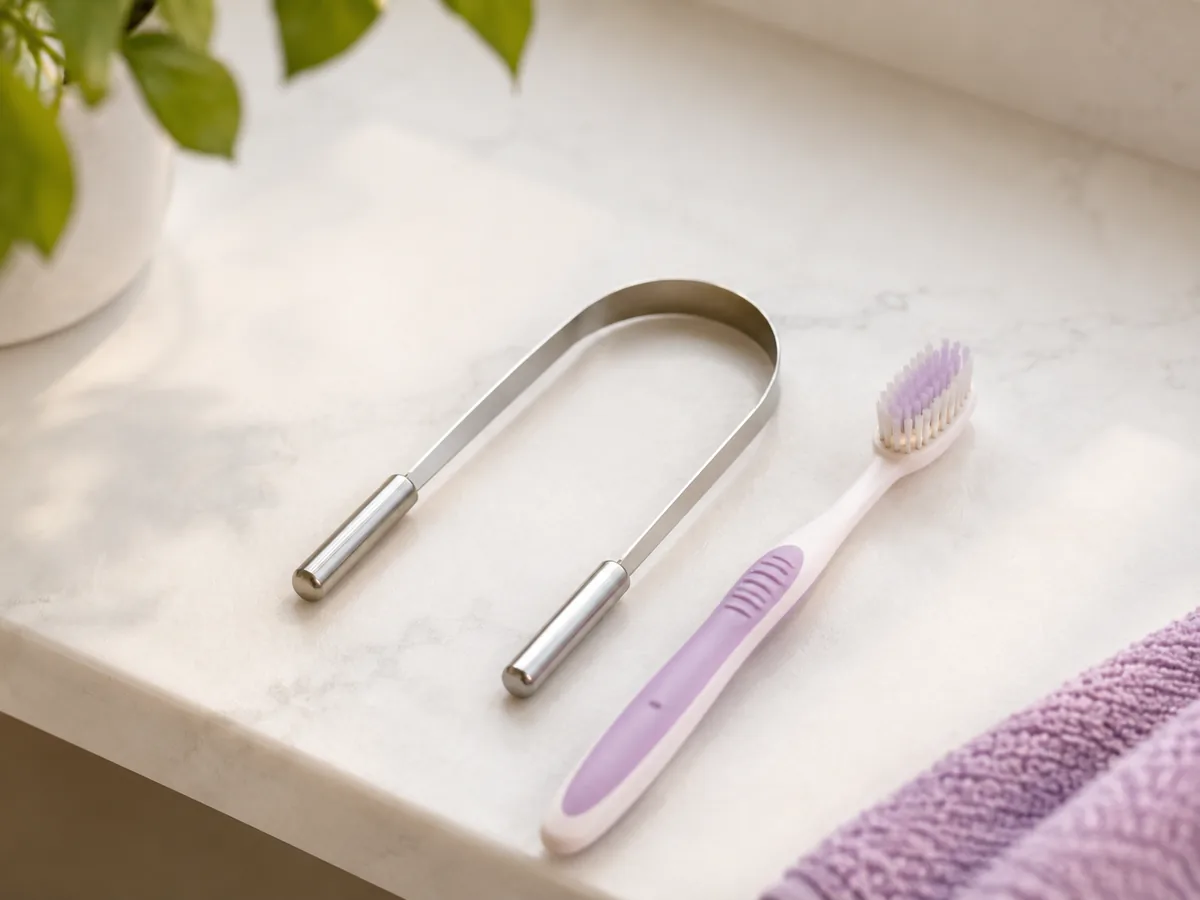
Ordinary debris
Food, bacteria and dead surface cells collecting between the tiny projections on the top of the tongue. It builds overnight and clears with gentle cleaning.

A dry mouth
Saliva keeps the tongue clean by washing it. Breathing through your mouth at night, not drinking enough, or medicines that dry you out all let a coating build.
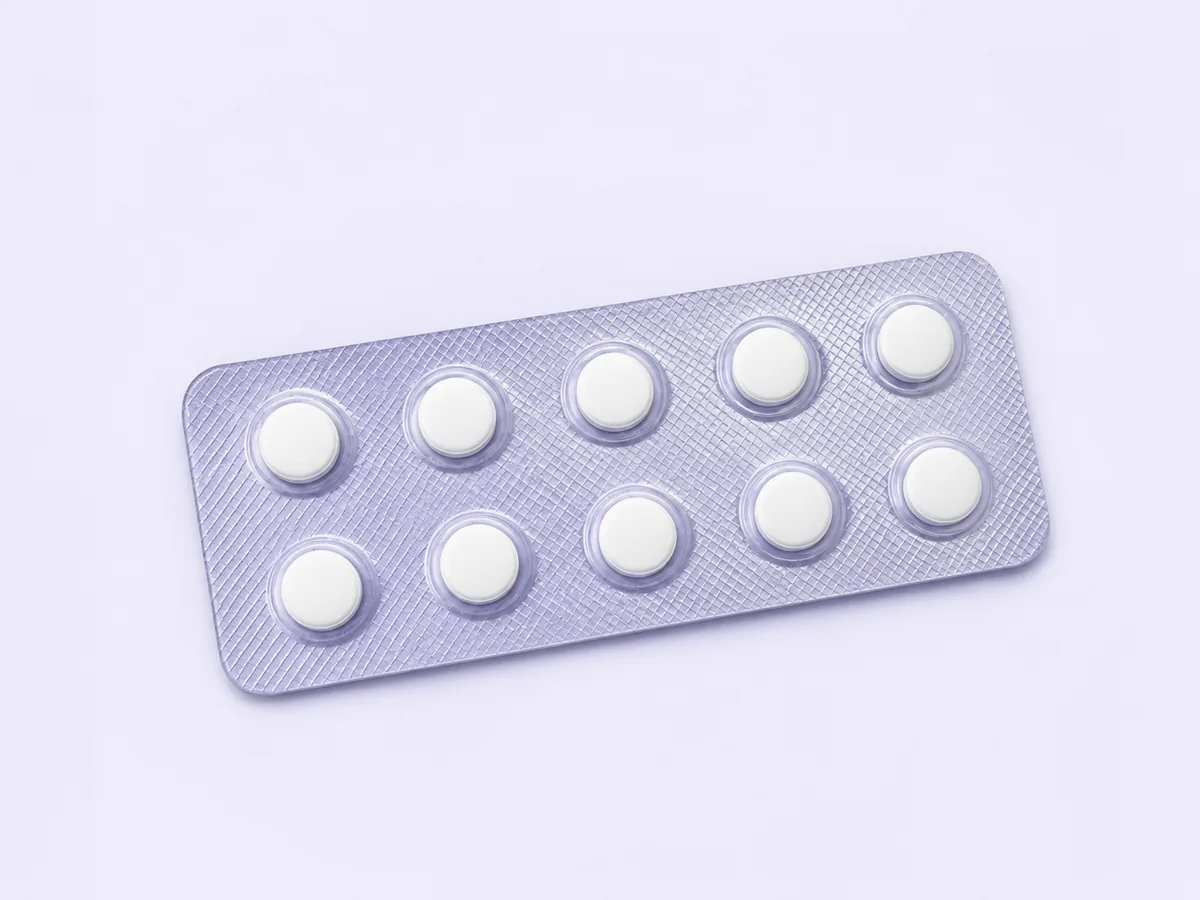
A mild fungal infection
Creamy white and wipes away, sometimes leaving a sore red surface. Commoner after a course of treatment, in diabetes, and in denture wearers. It responds.
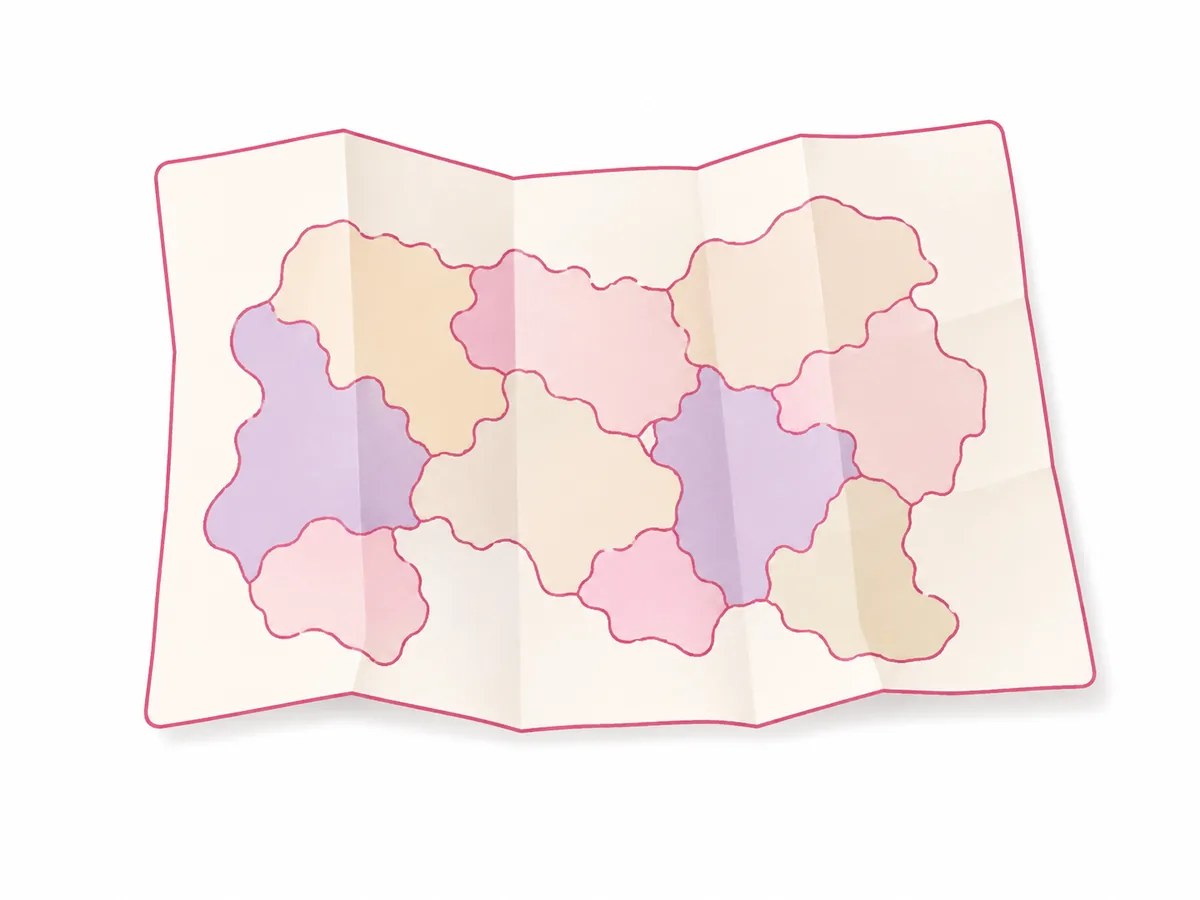
A tongue that looks like a map
Smooth patches with slightly raised edges that change position over weeks. It can sting with spicy food. Because the patches move, it is not the fixed kind.
These 4 share 2 things. They sit on the top surface, and they change — day to day, or week to week. That is what the rest of this page compares against.
What is different
3 things that make it something other than a coating
None of these means cancer. They mean what you are looking at is not behaving like a coating. That difference decides whether cleaning is the answer or an examination is.
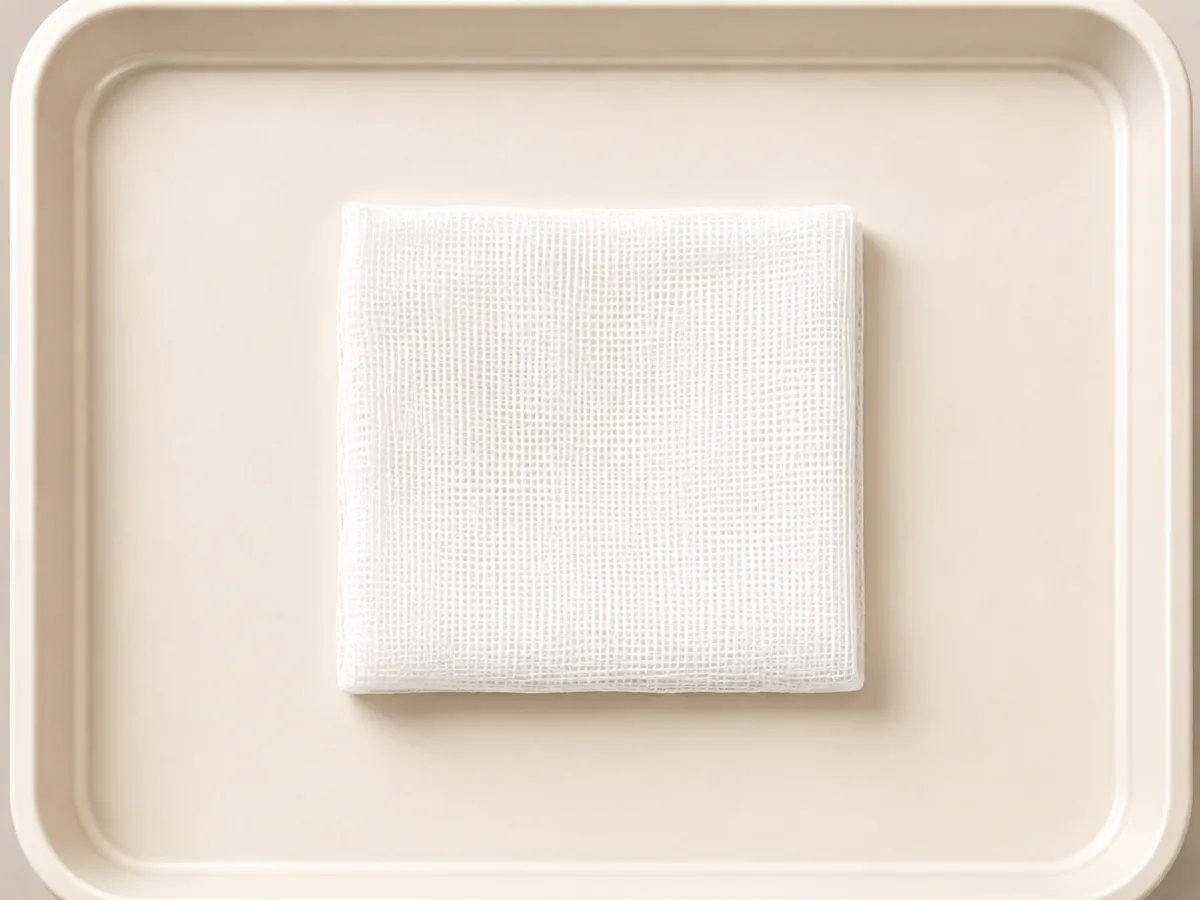
It does not come away
2 weeks of gentle daily cleaning shifts a coating. Something still there afterwards, unchanged, has stopped being explained by debris or dryness.

It is one area with an edge
A coating is spread out and fades at its margins. One defined area with a border, in the same place every time, is a patch rather than a coating.

It is on a side or underneath
The top of the tongue is where harmless coatings live. The sides and the underside are different surfaces, and anything sitting there deserves a proper look.
If what you have is one defined patch rather than a coating, the white patch in the mouth page covers it, including the wipe test.
Do this in a mirror
3 surfaces, and most people only ever check 1
Everybody sticks their tongue straight out and inspects the top. That is the surface where the harmless coating lives, and the one least likely to be telling you anything. It takes 20 seconds to check the other two.
Good light and a hand mirror make this much easier than a bathroom mirror does. If you find something on surface 2 or 3, say which one when you call. It is the single most useful thing you can tell us before you arrive.
What else to notice
3 things worth mentioning alongside it
Any of these with something on the tongue makes the case for looking properly rather than cleaning and waiting.

A sore that has not healed
The tongue heals fast, faster than most of the body. An ulcer or raw area that is still there after 2 weeks has missed the window in which almost everything heals.

Numbness or altered feeling
Part of the tongue, lip or chin that feels dull or tingly, with no injury and no dental injection behind it. People assume it is unrelated. It is worth saying.

It is only on one side
Coatings cover both halves of the tongue fairly evenly. Something on one side only, with the other side normal, is behaving differently.
What happens
4 steps, and most people are out in 20 minutes
Nothing here is difficult, and the first 2 steps settle most of what walks through the door.

A proper look at all 3 surfaces
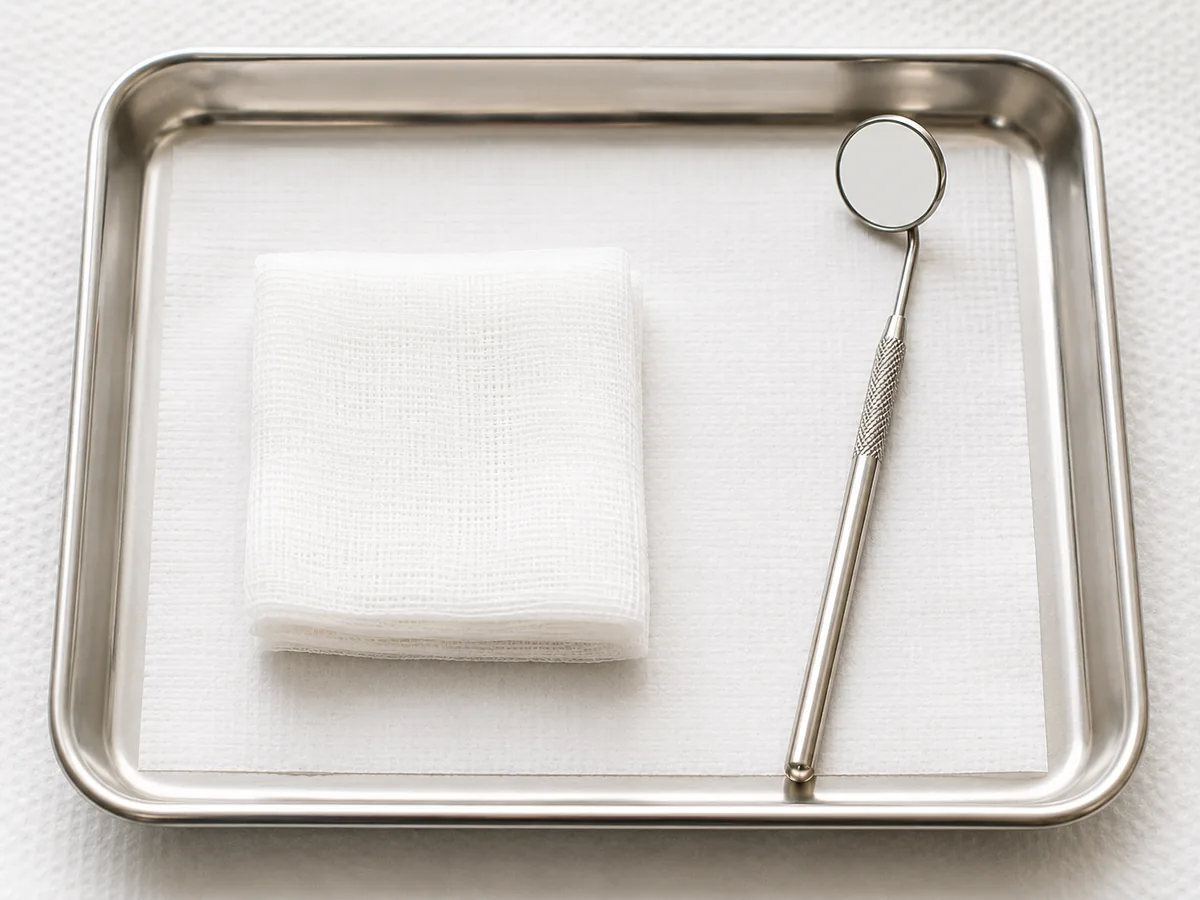
With a light and gauze to hold the tongue steady, including right to the back of each edge. That reach is the part you cannot manage yourself.
The coating tested
Wiped with gauze to see whether it comes away. That alone separates a coating and a fungal infection from everything else.

Measured and written down
Which surface, where on it, how big. Without that record, nobody at a later visit can say whether anything has changed.
Clean, treat, or sample
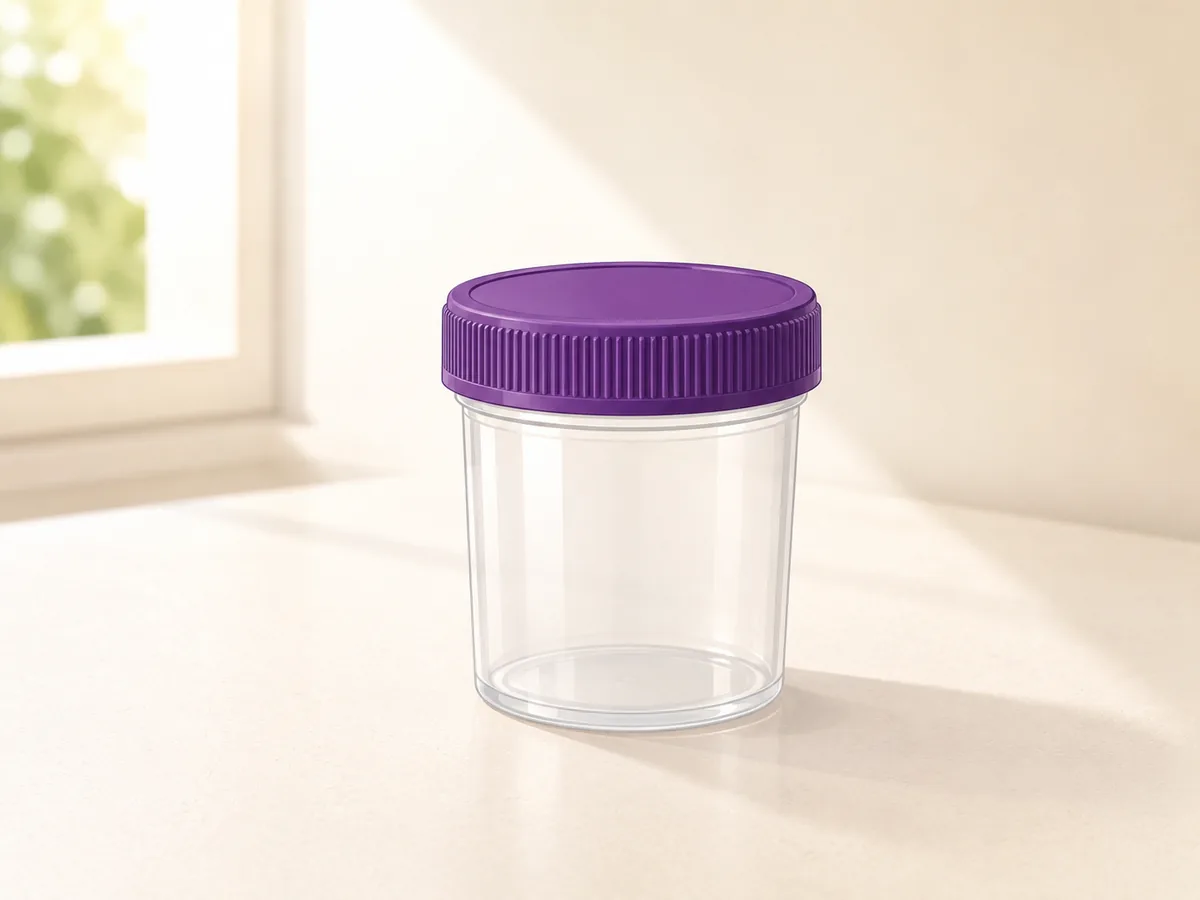
Cleaning advice for a coating. Treatment if it is fungal. A small sample where something is fixed and the cause is not clear.
Questions
8 questions people ask, and the honest answers
Starting with the one everybody wants settled, and the one that decides which page you should be reading.
01Is a white coating on the tongue dangerous?
Almost never. A coating is the commonest thing a tongue does. It builds from debris, dryness or a mild infection, it changes from day to day, and it comes away with brushing. What matters is not the coating but whether there is something underneath it that stays.
02How do I tell a coating from a patch?
A coating covers. A patch sits. A coating is spread out, sits on the top surface, varies day to day and brushes off. A patch is one defined area with an edge, in the same place every time, and it does not come off. If yours is a patch, the white patch page is the one you want.
03Should I be scraping my tongue?
Gently, and it usually helps. A soft brush or a tongue scraper, once a day, light pressure from back to front. That clears most coatings within a week or two. Hard scraping does not clear it faster and it makes the surface sore.
04It keeps coming back. Does that mean something?
Usually it means the cause is still there. Dryness, mouth breathing at night, smoking and dehydration all keep a coating going. If it returns within days every time despite good cleaning, it is worth mentioning — but it points at a cause to fix rather than at something sinister.
05My tongue looks like a map, with patches that move around.
That is a normal variation. Smooth patches with slightly raised borders that change position over weeks are a recognised harmless pattern. It can be sore with spicy food. Because the patches move, it is not the fixed kind that needs identifying.
06What if it is on the side of my tongue?
Then say so specifically when you book. The side and the underside are a different matter from the top, and they are where people never look. Anything on those surfaces that has stayed put for more than 2 weeks should be examined rather than watched.
07I chew gutkha or smoke. Does that change things?
Yes, considerably. Both keep a coating going, and both cause changes in the lining that are not coatings at all. The oral submucous fibrosis page covers what areca nut does. Stopping matters more than any cleaning routine.
08How long before I should get it looked at?
2 weeks of proper cleaning. Clean the tongue gently once a day, drink more water, and look again after 2 weeks. A coating that has cleared was a coating. Anything still there in the same place, particularly on a side or underneath, needs a look.
Where
Looked at at all 10 Hyderabad centres
It is an examination, so it runs anywhere. Where a sample is needed, that is arranged from the same visit rather than as a separate trip.
- CION Ameerpet
HMDA Maitrivanam, Ameerpet
- CION Kukatpally
Mumbai Highway, Kukatpally
- CION Tolichowki
Khader Bagh, Tolichowki
- CION Masab Tank
AC Guards, Masab Tank
- CION L.B. Nagar
Anu Arcade, near the Metro, L.B. Nagar
- CION Banjara Hills
Road No. 12, Banjara Hills
- CION Kompally
NH-44, Suchitra Road, Jeedimetla
- CION Balanagar
Balanagar Main Rd, Ferozguda, Balanagar
- CION Pragathi Nagar
Pragathi Nagar Rd, near JNTU, Kukatpally
- CION Nacharam
Behind Telephone Exchange, IDA Nacharam
Beyond the city, 31 more towns across 16 districts of Telangana and north Andhra Pradesh. Ask for the closest when you call.
Clean it for 2 weeks. Then check all 3 surfaces, not just the top.
Give us your name, number and where you live. Say which surface it is on, because the top and the sides are two different conversations.
Toll free 1800 202 8726 · No referral needed · Telugu, Hindi and English