
A white patch in your mouth? The first thing to check is whether it wipes off
- White patches are common and most have an ordinary cause
- One that wipes away is usually a fungal infection, and treatable
- One that will not come off is the kind that gets looked at
- Both cheeks matching is reassuring. One patch on its own is not
Still there after 2 weeks?
Tell us what you have noticed and where you live. The first consultation is free, and the look itself takes a couple of minutes.
No referral needed. If this is a bite line or something rubbing, you will be told that plainly and sent home.
Start here
White patches are common, and most have a plain explanation
Far commoner than red ones, and with a much wider range of harmless causes. These 4 account for most of what walks through the door.
Something rubbing
A rough tooth edge, a filling, or a cheek that gets bitten in the same place. The lining thickens and goes white where it is being worn, exactly as skin does.

A fungal infection
Creamy white patches that wipe away, often leaving a sore red area underneath. Commoner after a course of treatment, in diabetes, and in denture wearers. It responds.

The line where your teeth meet
A faint white line running along the inside of both cheeks at the level of your bite. It is normal, it is on both sides, and it needs nothing.
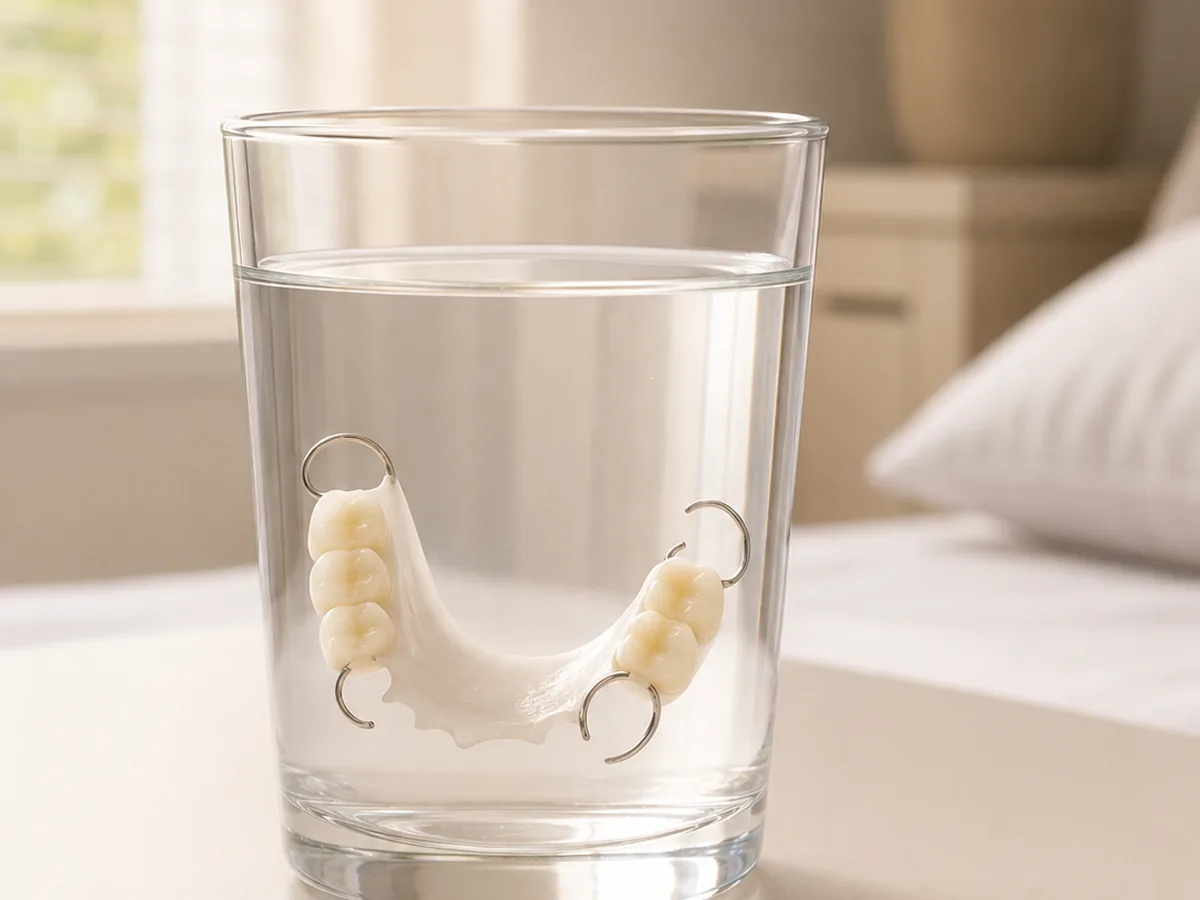
A denture pressing
A patch exactly where the plate sits, particularly with a denture that has shifted or is worn overnight. Adjust the fit and it settles.
Notice what these have in common. Each has a cause you can name, and each clears once that cause is dealt with. That is what section 4 compares against.
What is different
3 things that make a patch worth a closer look
None of these means cancer. They mean the patch is not explained by the ordinary causes, which is a reason to have it identified rather than assumed.
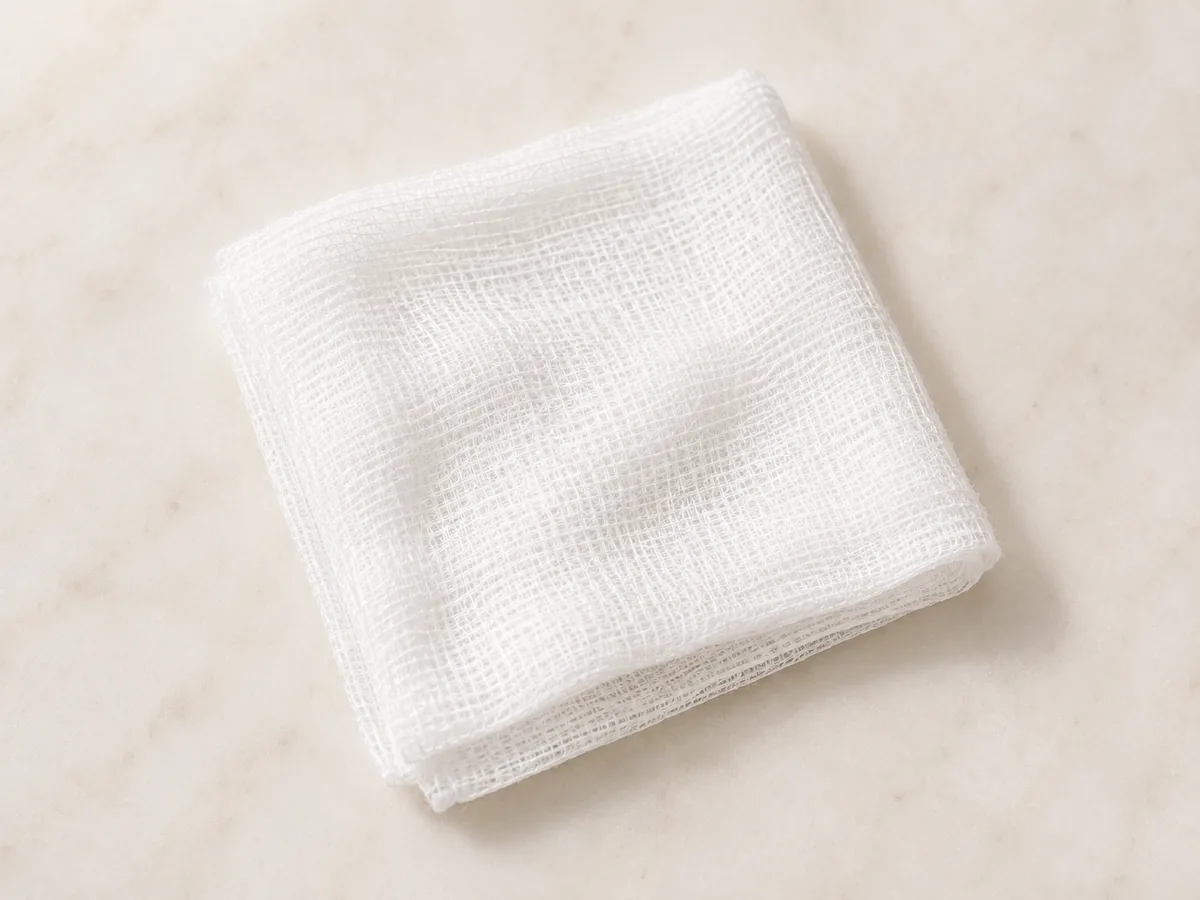
It will not wipe off, and nothing explains it
No rough tooth, no denture, no cheek biting, and it does not come away when wiped. A patch with no cause to point at is the one that gets identified properly.
One patch, on one side only
Matching patches on both cheeks usually mean a general condition of the lining or a normal variation. A single patch with nothing like it elsewhere behaves differently.

It has thickened or roughened
A flat, even, smooth patch that has stayed the same for years is one thing. One that has become raised, lumpy or rough to the tongue is another.
If your patch has any red in it, or is a mixture of red and white, treat it as the red one. A red patch that will not go is handled more urgently, and mixed patches are handled the same way.
Do this now
Try to wipe it off, gently
This is the first thing anyone examining you will do, and you can do it yourself in a mirror in about 10 seconds. Clean finger or a piece of clean gauze, light pressure, one wipe. Do not scrub.
One wipe with light pressure is the whole test. Scrubbing at a patch will make almost anything bleed, which tells you nothing and makes the examination harder for whoever looks next.
If you were told it will be watched
3 things that turn watching into a plan
A white patch can reasonably be reviewed rather than sampled. But being told to come back in 6 weeks can feel like a dismissal. Few people can tell a real plan from a vague one. Here is the difference.

Somebody wrote down its size
Not big or small. An actual measurement, and where exactly it sits. Without it nobody at the next visit can say whether it has changed, including whoever saw it first.
There is a picture on file
A dated photograph settles in 2 seconds what memory cannot settle at all. If nobody took one, take your own and bring it back with you.

Not a vague come back sometime
A specific review date, and a clear list of what brings you back sooner: it grows, changes colour, becomes sore, or any red appears.
If all 3 happened, watching is a reasonable plan and you are in good hands. If none did, what you were given was not a plan, and asking for one is a fair thing to do at any clinic.
What happens
4 steps, and most people are out in 20 minutes
Nothing here is difficult, and the first 2 steps settle a good proportion of cases on their own.
A proper look
Good light, a mirror, and the areas you cannot see yourself. Under the tongue and the back of the mouth are where these are missed.
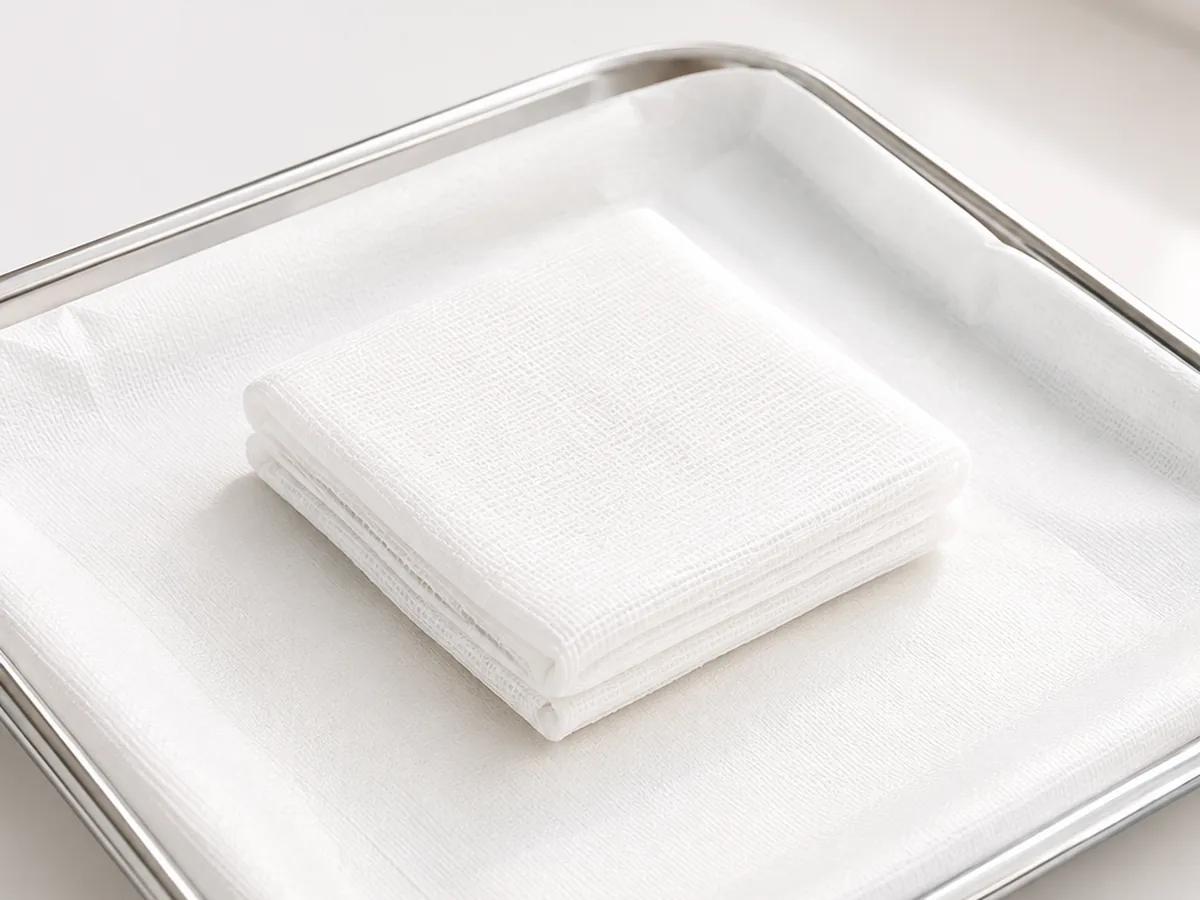
The same wipe test, done properly
With gauze and good light, which is more reliable than a finger in a bathroom mirror. This alone separates a fungal infection from everything else.

Measured, photographed, written down
Whatever is decided afterwards, this part happens. It is what makes the next visit worth anything.
Watch, treat, or sample
Treatment if it is fungal. Watching with a date if there is a clear cause. A small sample where the cause cannot be identified.
Questions
8 questions people ask, and the honest answers
Starting with the one everybody wants settled before they read anything else.
01Is a white patch in the mouth cancer?
No, and most are not anything like it. White patches are common and most have an ordinary cause: something rubbing, a fungal infection, or the normal line where your teeth meet. What matters is whether it wipes off, whether it has a cause you can identify, and whether it is still there in 2 weeks.
02It came off when I wiped it. What does that mean?
Usually good news. A patch that wipes away, often leaving a red or sore area underneath, is usually a fungal infection. That responds to treatment and it is worth seeing someone about, but it is not the kind that needs a sample taking.
03It will not come off. Should I be worried?
Concerned enough to have it looked at, not worried. Most patches that will not wipe off are still ordinary: a cheek being bitten, a rough tooth edge, a denture rubbing. But this is the group where the cause needs identifying rather than assuming.
04My dentist said we will keep an eye on it. Is that enough?
It can be, if watching is being done properly. Proper watching means it was measured, its position recorded, ideally photographed, and a date set. If none of that happened, what you have is not a plan.
05Does it matter that it is on both sides?
Yes, and it usually helps. Matching patches on both cheeks are more likely to be a normal variation or a general condition of the lining. A single patch on one side with nothing matching it elsewhere is the pattern worth looking at more closely.
06I chew gutkha or pan masala. Does that change things?
Considerably, and it is worth saying when you book. Areca nut and tobacco change the lining of the mouth, and a patch in somebody who uses them is treated more seriously. Stopping matters more than anything on this page. The oral submucous fibrosis page covers that in full.
07How long should I give it?
2 weeks. If something is rubbing, deal with the rubbing and give it 2 weeks. A patch that clears was caused by whatever you removed. One that is unchanged has stopped being explained by it.
08Will I need a biopsy?
Less often than for a red patch. A white patch with a clear cause and a settled appearance is often reviewed rather than sampled. Where there is no cause to point at, or it has changed, a small sample is taken. A red patch is the one usually sampled at the first visit.
Where
Looked at at all 10 Hyderabad centres
It is an examination, so it runs anywhere. Where a sample is needed, that is arranged from the same visit rather than as a separate trip.
- CION Ameerpet
HMDA Maitrivanam, Ameerpet
- CION Kukatpally
Mumbai Highway, Kukatpally
- CION Tolichowki
Khader Bagh, Tolichowki
- CION Masab Tank
AC Guards, Masab Tank
- CION L.B. Nagar
Anu Arcade, near the Metro, L.B. Nagar
- CION Banjara Hills
Road No. 12, Banjara Hills
- CION Kompally
NH-44, Suchitra Road, Jeedimetla
- CION Balanagar
Balanagar Main Rd, Ferozguda, Balanagar
- CION Pragathi Nagar
Pragathi Nagar Rd, near JNTU, Kukatpally
- CION Nacharam
Behind Telephone Exchange, IDA Nacharam
Beyond the city, 31 more towns across 16 districts of Telangana and north Andhra Pradesh. Ask for the closest when you call.
Wipe it once. If it stays and nothing explains it, come and be told what it is.
Give us your name, number and where you live. Someone will call and book a look, and you leave with it measured, photographed and a date if one is needed.
Toll free 1800 202 8726 · No referral needed · Telugu, Hindi and English