
CT scans from ₹1,000 · oncology-led review
Yes — a CT scan is one of the most important tools doctors use to find and assess cancer. It can reveal tumours, enlarged lymph nodes and signs that cancer has spread, often before symptoms become obvious. But there is an important limit: a CT can strongly suggest cancer, yet it cannot confirm it on its own.
₹950 Today: FREE · including free written second opinion
What a CT can find
Before looking at what doctors find, it helps to know what they are looking at. A CT is not one photograph — it is a set of thin cross-sections built up by a computer.
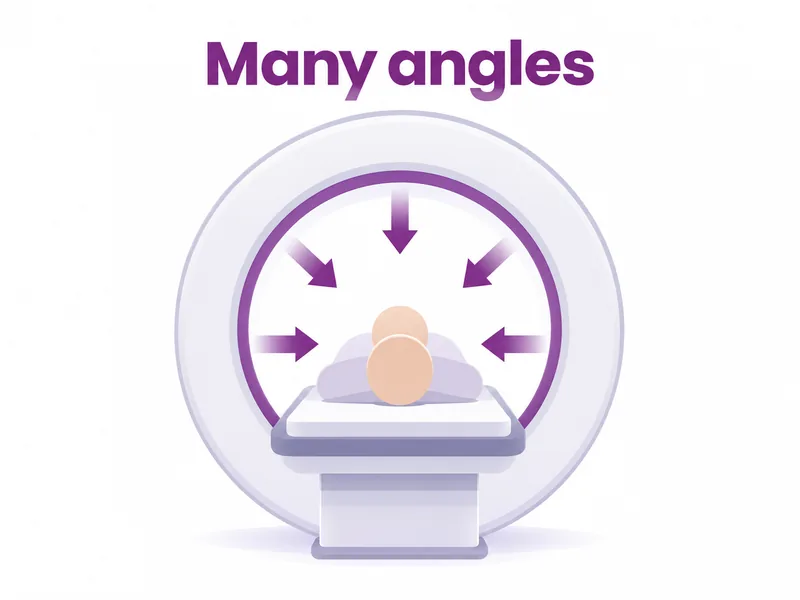
You lie on a table that moves slowly through a ring. Inside the ring, an X-ray source travels around you and records images of the same part of the body from many different angles.
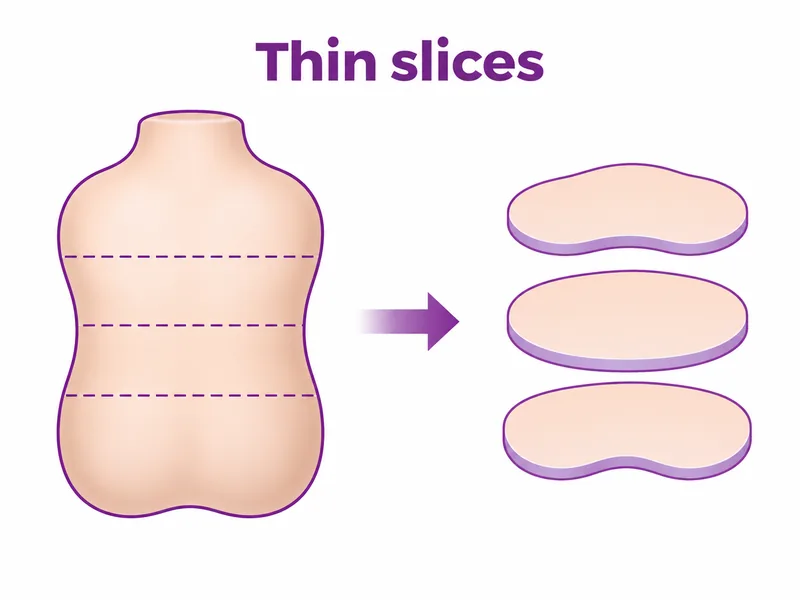
A computer combines those angles into cross-sectional images — thin slices through the body. Your doctor can look at them one at a time or stack them to view the area in three dimensions.
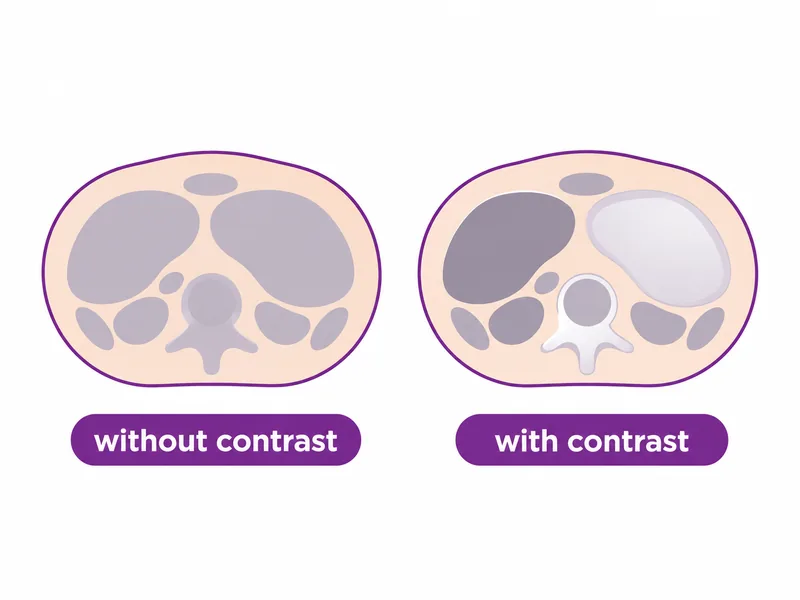
For many cancer scans an iodine-based contrast agent is given through a drip or by mouth. It makes blood vessels and certain tissues stand out, which helps tell a suspicious area apart from the normal tissue around it.
Sources: RadiologyInfo.org (RSNA and ACR) and the U.S. National Cancer Institute. Whether contrast is used, and which type, is decided by your radiologist and treating team. Contrast vs non-contrast CT explained.
A CT builds detailed cross-sectional images, which lets doctors:
Find and measure a mass. Spot a mass or tumour and measure its size and location.
Check the organs. Detect lung nodules and abnormalities in organs like the liver, pancreas and kidneys.
Check the lymph nodes. Identify enlarged lymph nodes that may contain cancer.
Look for spread. Look for signs that cancer has spread to other parts of the body.
Guide what comes next. Guide a biopsy needle to the right spot, and help plan and monitor treatment.
Read this before anything else
A CT can clearly show a tumour, enlarged lymph nodes or signs of spread, but it cannot tell whether a growth is actually cancer. A definite diagnosis needs a biopsy — a small tissue sample examined under a microscope.
Source: U.S. National Cancer Institute.
Where CT is used
A CT is widely used in the detection and staging of many cancers. It is often combined with other tests depending on the type of cancer and where it is. For some cancers an MRI, an endoscopy or a mammogram is more suitable as the main test.
Finding and measuring nodules, and checking whether a tumour has reached the lymph nodes in the chest.
Picking up lesions and, with contrast, helping tell one kind of lesion from another.
Showing a tumour’s relationship to the blood vessels around it, which is central to deciding whether surgery is possible.
Characterising a mass in the kidney and checking the other kidney and the structures around it.
Staging the chest, abdomen and pelvis to look for spread, and CT colonography where a colonoscopy is not possible.
Mapping where disease has spread in the abdomen and pelvis before surgery or chemotherapy is planned.
Measuring a nodule and its density, which helps separate a harmless adenoma from one that needs further work-up.
Measuring nodes in the neck, chest, abdomen and pelvis, and comparing them against earlier scans during treatment.
What a CT is used for varies with your stage and your team’s protocol. Sources: RadiologyInfo.org (RSNA and ACR) and the U.S. National Cancer Institute.
Knowing the limits
Understanding the limits matters as much as the strengths.
Only a biopsy, where a small tissue sample is examined, gives a definite diagnosis.
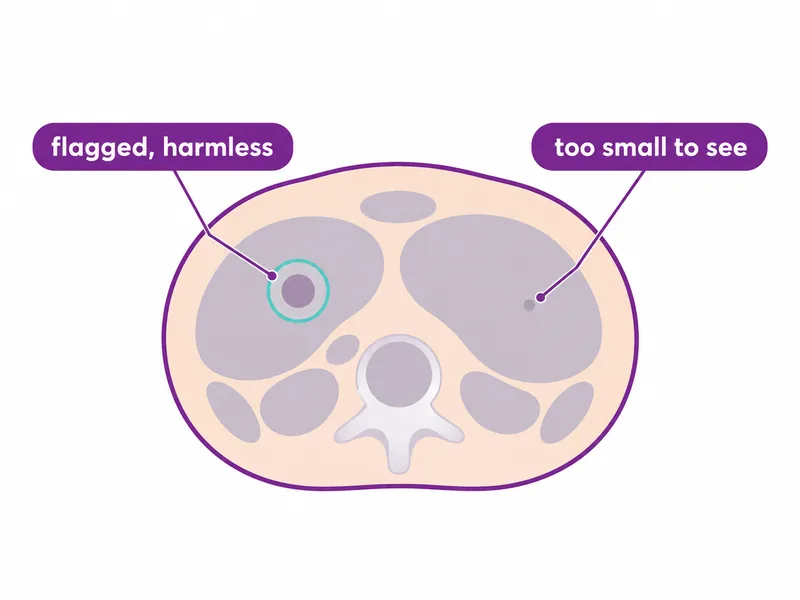
A CT can show a suspicious spot that turns out to be harmless — or occasionally miss small or early cancers.
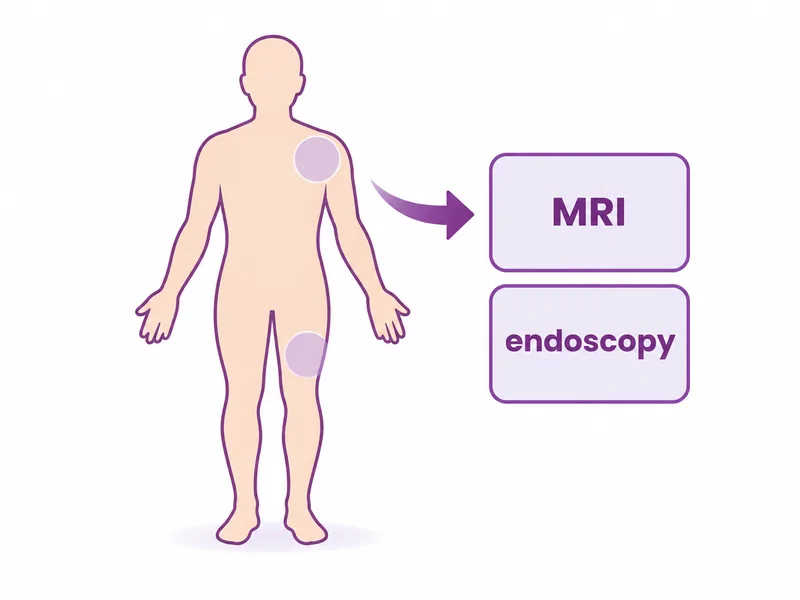
Some cancers and some organs are better assessed with an MRI, an endoscopy or other tests.
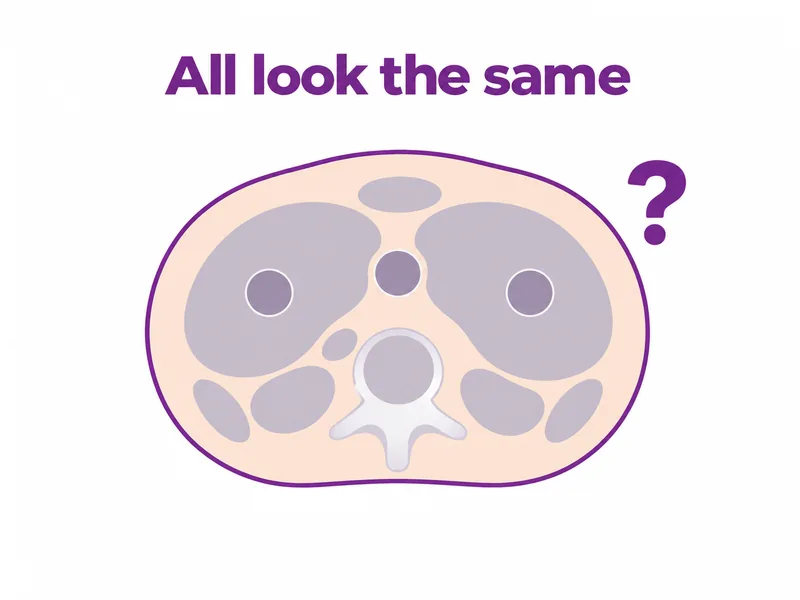
A CT shows structure, not biological activity — a PET-CT is often needed to judge how active disease is and to stage it accurately.
Free written second opinion
Share your report — our oncology team will review it and explain the next steps, with a free written second opinion.
How the tests fit together
These tests work together in a pathway. Your doctor decides the order based on your situation — not every patient needs every test.
Step 1 of 3
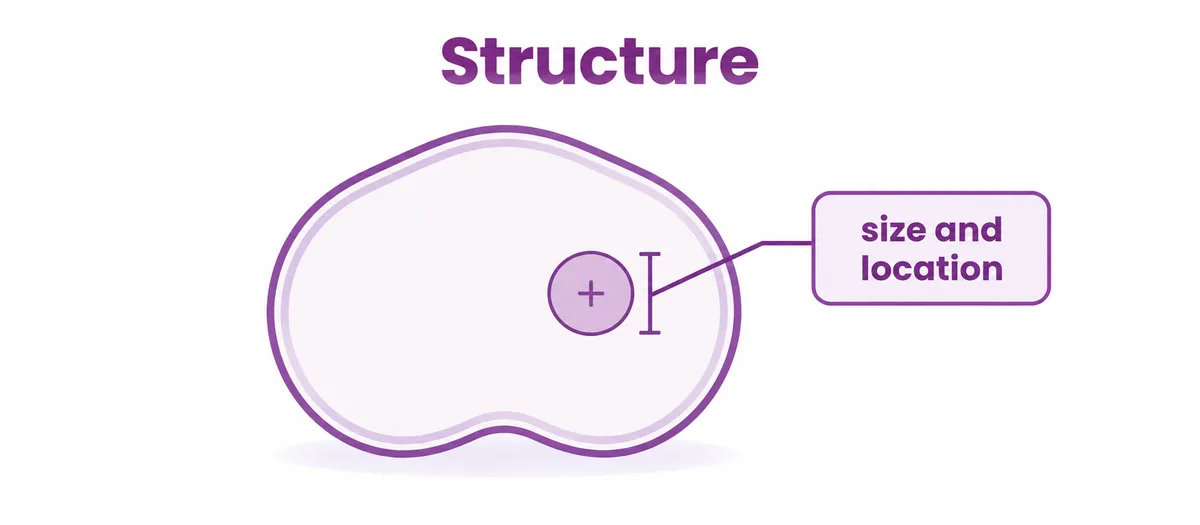
A CT often finds or characterises a suspicious area and measures its size and location.
A CT shows structure and finds tumours.
Step 2 of 3
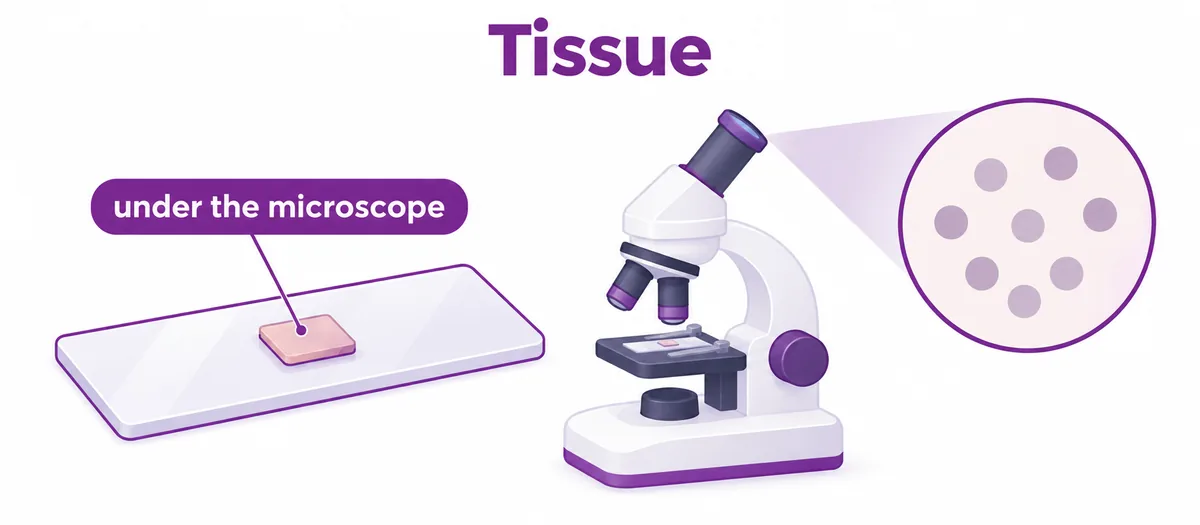
A biopsy confirms whether it is cancer and identifies the type — the step a scan cannot replace.
Only a biopsy — examining a small tissue sample — can confirm it and identify the type.
Step 3 of 3
A PET-CT helps stage the disease and check how well treatment is working.
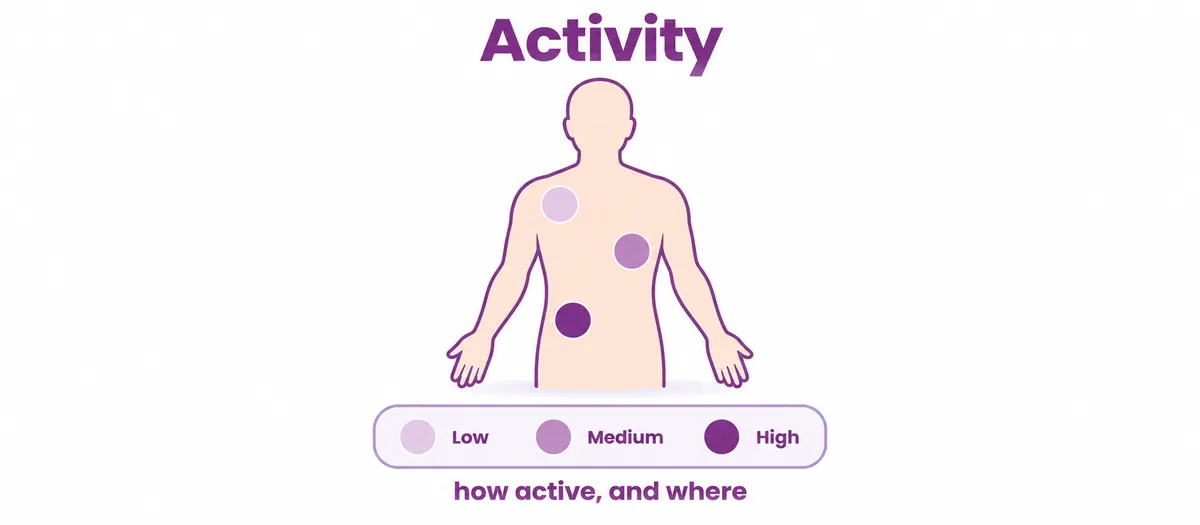
A PET-CT adds metabolic information and is widely used for staging and follow-up.
Learn more: CT scan cost in Hyderabad · CT scan vs MRI
Free written second opinion
If a CT scan has shown something you are worried about, share the report and our oncology team will review it and explain the next steps clearly.
If you are worried
Finding an abnormality on a CT is understandably worrying, but it does not automatically mean cancer — many findings are benign or need only follow-up. The important next step is to have the scan interpreted in the right clinical context and to decide, with a specialist, whether further tests are needed.
CION’s oncology team can review your scan and advise calmly on what comes next — and you are welcome to a free written second opinion.
Why patients choose CION
Over 1,000 CT scans facilitated every month through our Hyderabad partner-imaging network.
A cancer specialist can interpret a worrying scan in context and advise whether a biopsy, a PET-CT or simple follow-up is the right next step.
Five CION centres across Hyderabad plus 35+ partner centres across Telangana and Andhra Pradesh.
CT scans from ₹1,000, with a clear estimate before you book and no hidden add-ons.
Helpful if a scan raises questions or you want to be sure of the next step.
Your details are used only for your enquiry, never sold or used for unsolicited marketing.
Across the city
Common questions
Yes — a CT is widely used to find tumours, enlarged lymph nodes and signs of spread. However, it cannot confirm cancer on its own; a biopsy is needed for a definite diagnosis.
No. A CT can strongly suggest cancer, but only a biopsy — examining a small tissue sample — can confirm it and identify the type.
It is used for many, including lung, liver, pancreatic, kidney, colorectal, ovarian and adrenal cancers and lymphoma. For some cancers, an MRI, endoscopy or mammogram is the more suitable main test.
A CT shows structure and finds tumours; a PET-CT adds metabolic information and is widely used for staging and follow-up. Often both are used, in an order your doctor decides.
It can — small or early cancers, and some organs, may not be well seen on a CT. That is why doctors combine it with other tests and clinical judgement.
Have it interpreted in context by a specialist before assuming the worst — many findings are benign. A second opinion can clarify whether further tests are needed.
Keep reading
Next step
A 45-minute, unhurried consultation — no rushed decisions, no unnecessary tests.
Medically reviewed by Dr. Owais Mohammed — Consultant Medical Oncologist · MBBS, MD (General Medicine), DrNB (Medical Oncology), MRCP SCE (UK) · trained at Tata Memorial Hospital. This page was reviewed for medical accuracy by a CION consultant medical oncologist. Always follow the advice of a qualified doctor regarding which scan is right for you.
Medical disclaimer. This page is for general information only and is not a substitute for professional medical advice, diagnosis or treatment. Always follow the advice of a qualified doctor regarding which scan or test is appropriate for you and how to interpret the results.
Sources.