
 CION Ameerpet
Immunotherapy & Existing Health Conditions · Heart Disease
Immunotherapy With Heart Disease — What the Cardiac Work-Up Is Actually For
A stent, a pacemaker, a previous heart attack or a weak pumping heart has probably already stopped something else for you, so it is reasonable to assume it will stop this too. Per NCCN, ASCO and ESMO guidance, existing heart disease is not by itself a reason to rule checkpoint inhibitor immunotherapy out. The ECG, troponin and echo your oncologist orders are there to build a baseline, not to find a reason to turn you away.
Medically reviewed by Dr. T. Raghavender Reddy, Medical Oncologist, MBBS · DM (Medical Oncology) · MD (Radiation Oncology) · Last reviewed August 2026
- Heart disease rarely closes the door on its own — eligibility is settled by a joint oncology and cardiology review of your reports and your cancer plan, never by one line in your history.
- The cardiac work-up is a baseline, not an exam you pass — an ECG, a troponin and an echo exist so a borderline reading in week six can be compared against something real.
- Myocarditis is rare, and it shows up early — most reported cases begin in the first six to twelve weeks — which is exactly when monitoring is tightest.
- Do not stop your heart medicines — blood thinners, rhythm and blood-pressure tablets are normally continued, and any change is made by the doctor who prescribed them.
17+
Cancer Specialists
on Panel
on Panel
96.9%
Breast Cancer
Survival Rate*
Survival Rate*
15,000+
Patients
Treated
Treated
4.8★
Google Rating
(800+ reviews)
(800+ reviews)
The short answer
Is immunotherapy safe if I have heart disease?
Existing heart disease does not by itself rule out checkpoint inhibitor immunotherapy. Per NCCN, ASCO and ESMO guidance it is handled as a baseline-assessment and monitoring question, not an automatic exclusion. Your medical oncologist and a cardiologist decide together, case by case, after reading your heart reports alongside what your cancer plan actually needs.
Most families arrive at this conversation expecting a refusal. A previous heart attack, a stent, a pacemaker, atrial fibrillation or a weak pumping heart has usually already stopped something else — an operation, a scan, a dental procedure — so it feels reasonable to assume it will stop this too. Then the oncologist orders an ECG, a troponin and an echo, and the assumption hardens into certainty that a problem is being looked for.
That is the wrong way to read the cardiac work-up. Those tests are not a screening exam you pass or fail. They exist to record what your heart looks like today, so that if a symptom appears in week six there is something real to compare against. Without a baseline, a borderline reading later has no meaning, and the safest thing a team can do with a meaningless reading is stop treatment. The work-up is what keeps that from happening. It is protocol, not obstruction.
No page can tell you that you will be found eligible. That answer comes only from your own team reading your own reports and your own scans. What this page sets out is what they will look at, what changes if you go ahead, and which questions are worth asking out loud.
New chest pain or chest tightness, breathlessness at rest or lying flat, palpitations, fainting or near-fainting, or sudden severe tiredness during immunotherapy needs emergency assessment now — go to the emergency room, do not wait for your next appointment.
Inflammation of the heart muscle caused by immunotherapy is uncommon, but it can change quickly, and it is never something to watch at home or treat with anything you have in the house. There is no home-management step for it. If you are not sure whether what you are feeling counts, call first and let the team decide.
Question 1
Is the risk of myocarditis higher if I already have heart disease?
Immune-related myocarditis is rare. NCCN and ASCO irAE guidance describe it in well under one in a hundred patients on a single checkpoint inhibitor, and more often when two immunotherapy drugs are combined. Whether existing heart disease raises that risk is not established. What it clearly does is leave you less reserve if it happens.
Those are two different worries, and separating them helps. The first is will I get it. The honest answer is that the evidence is not strong enough to say your history changes that likelihood much either way, and any doctor who gives you a confident number for your own case is going beyond what is known.
The second worry is what would it mean for me, and here your history genuinely matters. A heart already working with a reduced pumping function, a narrowed artery or an unstable rhythm has less room to absorb inflammation than a healthy one. It also makes symptoms harder to read, because breathlessness and tiredness are things you may already live with. That is precisely why the baseline record matters so much, and why teams ask you to report a change in your usual, not just the presence of a symptom.
The table below sets out the cardiac reactions this class of treatment is associated with, and when they typically appear. Timing is the most useful thing to know about them: these reactions cluster early, and most are picked up in the first few cycles rather than at the end of treatment.
| Cardiac reaction | What it is | Typically starts | What it means in practice |
|---|---|---|---|
| Immune-related myocarditis | Inflammation of the heart muscle itself. Uncommon, but the most serious cardiac reaction associated with this class of treatment. | Early — most reported cases begin within the first six to twelve weeks, often after the first or second cycle | Same-day emergency assessment. Never managed at home, and never waited out. |
| Pericarditis or fluid around the heart | Inflammation of the sac around the heart, sometimes with fluid collecting inside it. | Any point in treatment, including several months in | Chest pain that changes when you breathe in or lean forward needs same-day review. |
| New rhythm or conduction problems | A new fast, slow or irregular heartbeat. Sometimes the first visible sign of inflammation rather than a separate problem. | Usually alongside or soon after myocarditis, so early in treatment | Palpitations, fainting or near-fainting go straight to the emergency room. |
| Muscle weakness overlapping with the heart | Immune inflammation of muscle, sometimes with drooping eyelids, double vision or difficulty swallowing. Guidance recognises that this can appear together with cardiac inflammation. | Early, usually within the first twelve weeks | New weakness plus any heart symptom is treated as one urgent problem, not two small ones. |
| Your existing heart disease becoming unsettled | Not an immune reaction at all. Blood pressure, fluid balance, anaemia, infection, steroid medicines or the drugs given alongside immunotherapy can each unsettle a heart that was stable. | Any time, including between cycles | Reviewed by your cardiologist, but still reported to your oncology team so the plan can be adjusted. |
Timings describe general patterns reported in NCCN and ASCO immune-related adverse event guidance, indicative as of August 2026. They are not a prediction for any individual, and a reaction outside these windows is still possible.
Did you know?
The most useful cardiac test before immunotherapy is often the cheapest one. A baseline ECG and troponin cost very little and take minutes — but without them, a single abnormal reading in week six cannot be told apart from something your heart has been doing quietly for years. Teams stop treatment over uncertainty far more often than over a confirmed problem.
Question 2
What heart tests do I need before starting immunotherapy?
Most teams record an ECG, a troponin blood test and an echocardiogram before the first cycle, alongside blood pressure, weight and a written medicines list. The purpose is a reference point. If a heart symptom appears later, your team needs to know what your heart looked like before treatment started.
For someone with a known cardiac history, a typical baseline adds these to the standard pre-immunotherapy work-up:
- An ECG before cycle one — a few minutes, no preparation, and it fixes your usual rhythm and conduction pattern in the record.
- A baseline troponin — a blood marker of heart muscle injury. A reading taken later means very little without a starting value to measure it against.
- An echocardiogram where your history calls for one — an ultrasound that measures how well the heart pumps and checks the valves. Standard if you have known heart failure, valve disease or a previous heart attack.
- Blood pressure, weight and an honest symptom baseline — how far you can walk today, and whether breathlessness or ankle swelling is already part of your normal.
- A written list of every medicine you take — heart tablets, blood thinners, diabetes medicines, and anything bought without a prescription or prescribed by another doctor.
- A cardiology or cardio-oncology opinion where indicated — arranged before cycle one as part of the plan, rather than called in after a reading has already gone wrong.
None of these tests exist to find a reason to turn you away. They exist so that a symptom in week six can be interpreted instead of guessed at. Ask for copies of your baseline results and keep them with you — if you ever reach an emergency room where nobody knows you, that piece of paper is the most useful thing in your file.
12+ Centres in Hyderabad · Pick yours
CION cancer care is closer than you think.
We're never more than 30 minutes away. Same panel of specialists at every centre. Same tumour board reviews. Same NCCN protocols. Pick the closest one and call directly — or let us pick for you.
CION Ameerpet
CION Kukatpally
CION L.B. Nagar
CION Tolichowki
CION Masab Tank
CION Banjara Hills
CION Kompally
CION Balanagar
CION Siddipet
CION Sangareddy
Not sure which centre fits best? Tell us where you are — we'll suggest the closest one with the right specialists.
Help me pick the right centre
Beyond Hyderabad
35+ centres across Telangana & Andhra Pradesh
Travelling for treatment? We may have a centre right where you are.
Telangana
Andhra Pradesh
Don't see your city? Call 18002028726 — we'll find your nearest CION partner centre.
Meet the Specialists
17+ senior cancer specialists. One panel for your case.
Trained at AIIMS, Tata Memorial, and leading international centres. Combined 150+ years of experience. Every complex case is reviewed by 3+ of them — together.

Medical Oncologist

Medical Oncologist
Dr. C. Raghavendra Reddy
MBBS(Gold Medal), DNB(General Medicine), DM(Medical Oncology)(Gold Medal)

Medical Oncologist
Dr. Bharati Devi Gorantla
MBBS, MD(General Medicine), DM(Medical Oncology)(Adyar,Chennai), ECMO, MRCP SCE(UK)

Medical Oncologist
Dr. Owais Mohammed
MBBS, MD (General Medicine), DrNB (Medical Oncology), ECMO, MRCP SCE (Medical Oncology) (UK)

Medical Oncologist

Medical Oncologist

Surgical Oncologist
Dr. Muralidhar Muddusetty
MBBS (AIIMS), MS (Surgery) (AIIMS), DNB (Surgical Oncology), MRCS (Edinburgh)

Surgical Oncologist

Surgical Oncologist

Surgical Oncologist
Dr. Vinay Mamidala
MBBS, MS(General Surgery), M.Ch(Surgical Oncology), FMAS, FARIS(Ongoing)

Surgical Oncologist

Radiation Oncologist

Radiation Oncologist

Radiation Oncologist

Hematologist

Interventional Radiologist
Dr. Mohammed Imran

Surgical Oncologist
Dr. Vajja Sandeep Kumar
MBBS, MS (General Surgery), DrNB (Surgical Oncology), FALS Oncology

Surgical Oncologist
Want a specific doctor for your case? Mention them when booking.
Book Free ConsultationBook an appointment with our specialist
Share your name and number — we'll call you back within 30 minutes to schedule your consultation.
Heart Condition and Considering Immunotherapy?
Bring your ECG, echo report, blood pressure record and medicines list — our tumour board reviews your heart and your cancer together.
Question 3
What heart monitoring happens during immunotherapy?
Monitoring is mostly symptom-led. You are asked about chest pain, breathlessness, palpitations and swelling before every cycle, and any new symptom triggers an ECG and a troponin the same day. Whether every patient should also have routine repeat troponin tests is not settled, so practice varies between teams.
That last point is worth being told honestly rather than smoothed over. Guidance bodies have not agreed on a universal surveillance schedule for cardiac markers on immunotherapy, and different reputable units do different things. It is a fair question to ask your own team: what is your monitoring plan for me specifically, and what would make you change it?
- Before each cycle, a symptom review — chest pain, breathlessness, palpitations, dizziness, ankle swelling and exercise tolerance. Answer against your own normal, not a general one. “I could climb one flight last month and now I cannot” is far more useful than “I am fine”.
- Any new cardiac symptom, an ECG and a troponin that day — not at the next appointment. This is the single step that changes outcomes, and it is why symptoms are reported rather than waited out.
- Repeat troponin or ECG on a schedule, if your team uses one — some units check through the first few cycles, when reactions cluster. If yours does not, that is a legitimate choice and not neglect; ask what their trigger for testing is instead.
- Blood pressure and weight tracked between cycles — a steady weight climb over a few days usually means fluid, not food, and it is often the earliest sign a heart is struggling.
- Your cardiologist kept in the loop — changes made by the oncology team are sent to them, and the other way round. Immunotherapy at CION is given as day care, so most of the weeks between cycles are spent at home under your own doctors.
- Response-assessment scans planned, not improvised — PET-CT for response assessment is coordinated at partner imaging centres, and your cardiac and kidney status is factored in before contrast is booked.
Routine monitoring is not a substitute for emergency care. The red-flag symptoms above go to an emergency room the same day, whatever your last test showed.
A common mistake
Should I stop my heart medicines during immunotherapy?
No — not on your own. Blood-pressure tablets, blood thinners, rhythm medicines and heart-failure medicines are normally continued through immunotherapy. Stopping one without telling anyone is more dangerous than the interaction most people are imagining. Any change is made by the doctor who prescribed it, with your oncology team informed.
The instinct to clear the decks before starting cancer treatment is understandable, and it is common. It is also where avoidable harm happens. Cardiac medicines are usually holding something in place — a rhythm, a blood pressure, a clot risk — and removing them adds a new problem on top of the one being treated.
Two situations do need active coordination rather than a rule. If you take a blood thinner, tell the team before any biopsy, port insertion or procedure, so the pause and restart are planned by the doctor who prescribed it. And if steroid medicines are ever needed to settle an immune reaction, they can raise blood pressure and blood sugar and hold fluid, so your cardiac and diabetes medicines may need reviewing while you are on them. Both are handled by your doctors together. Neither is a decision to make at home.
Everyday painkillers are worth mentioning too. Anti-inflammatory tablets bought over the counter can raise blood pressure and hold fluid, which matters more than usual if your heart is already under strain. Ask your team what is safe for you rather than assuming a common tablet is harmless.
How the decision is made
How does the team actually decide whether immunotherapy suits me?
It is a multidisciplinary decision, not one doctor's call. Your medical oncologist brings the cancer plan. A cardiologist brings your rhythm, your pumping function, your blood pressure and your medicines. At CION every case goes to a tumour board, so the output is a plan you can question rather than a verdict handed down from one desk.
Four things carry most of the weight in that discussion. Whether your heart condition is stable or currently changing — a recent heart attack, an unstable rhythm or a hospital admission in the last few weeks usually means sequencing the cancer treatment around the cardiac one, not abandoning it. How much reserve you have, judged from your echo and from what you can actually do in a day. What your cancer treatment genuinely needs, and what the realistic alternatives are, including a different treatment and including not treating, where that is honestly on the table. And whether the monitoring the plan asks for is something you and your family can sustain between cycles, given travel, cost and who is at home.
Ask for that reasoning out loud. The most useful question at the consultation is not am I eligible but what specifically about my heart would change your recommendation, and what would we do if it changed during treatment? That question gets you a plan you can act on, instead of a yes or no you cannot.
This is a framework for the conversation to have with your treating team. It is not a recommendation for or against immunotherapy in your case, and nothing on this page promises that you will be found eligible.
Hear From Patients
Two Conditions, One Plan
Patients living with heart conditions tell us how our team coordinated their cardiac care and their cancer treatment together.
Real Stories. Real Voices.
15,000+ patients chose CION. Hear from them directly.
These aren't paid endorsements or written reviews. These are video testimonials from real patients and families — recorded on their own phones, in their own words. Pick any one. Watch it. Then decide.
4.8★800+ Google reviews
50+video testimonials
15,000+patients treated












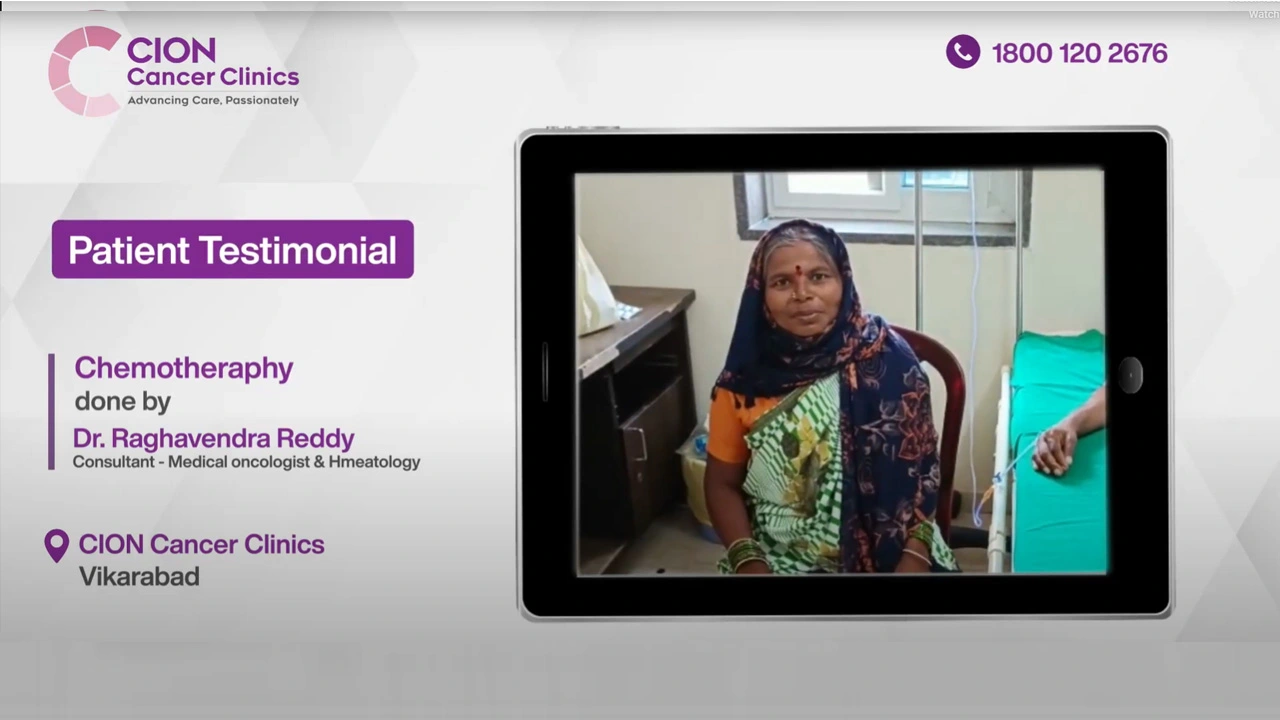
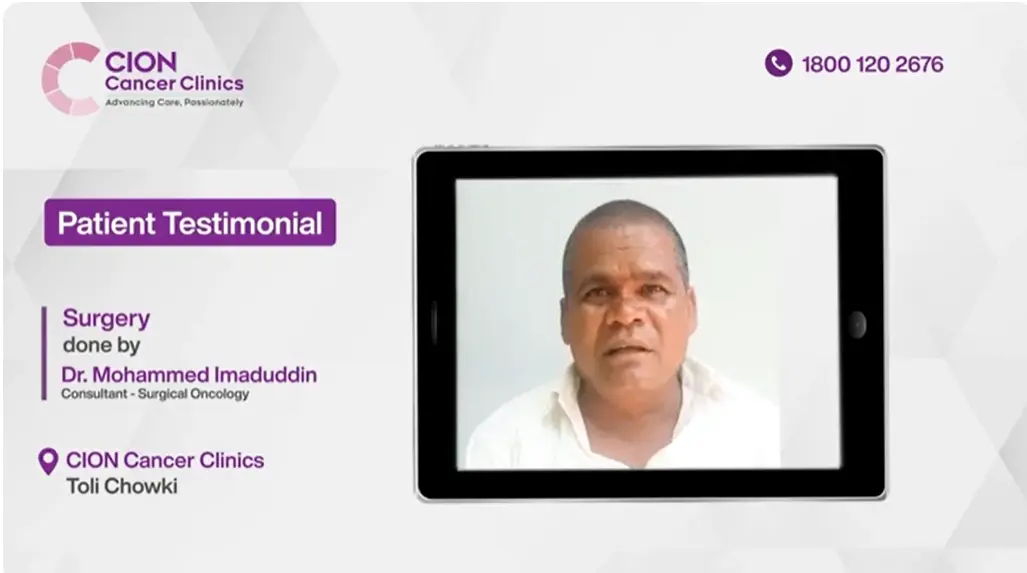
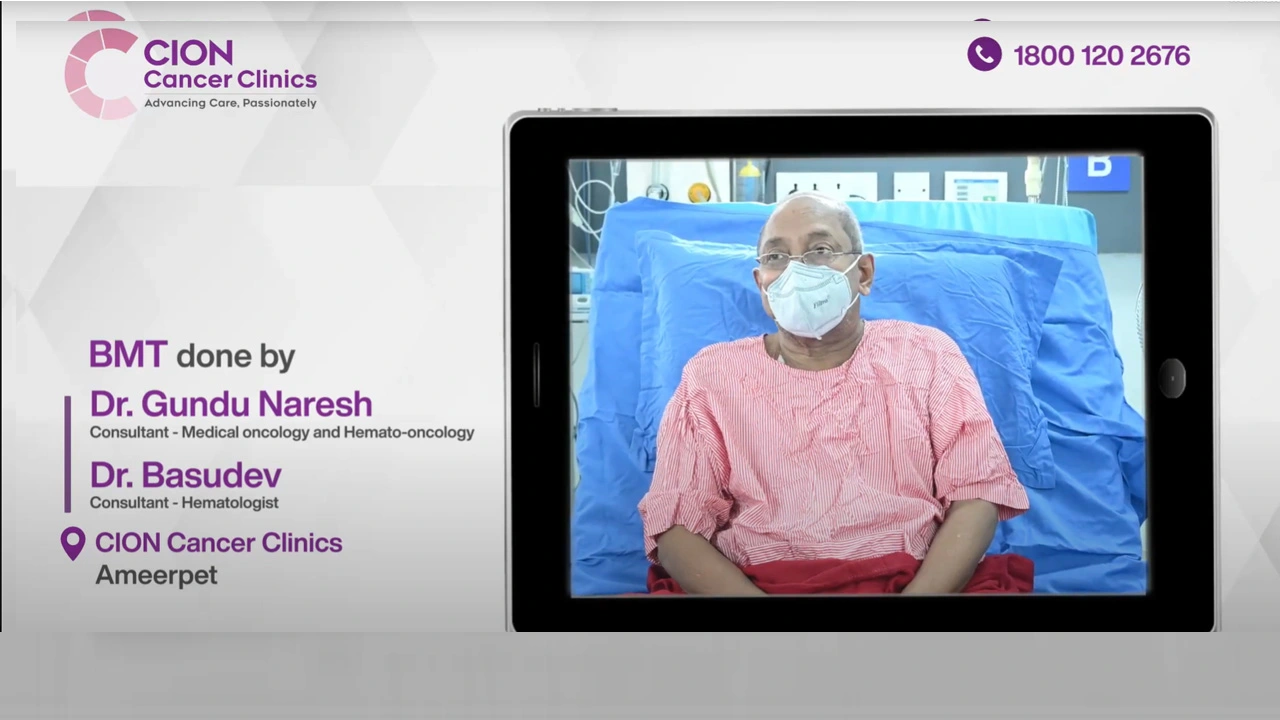
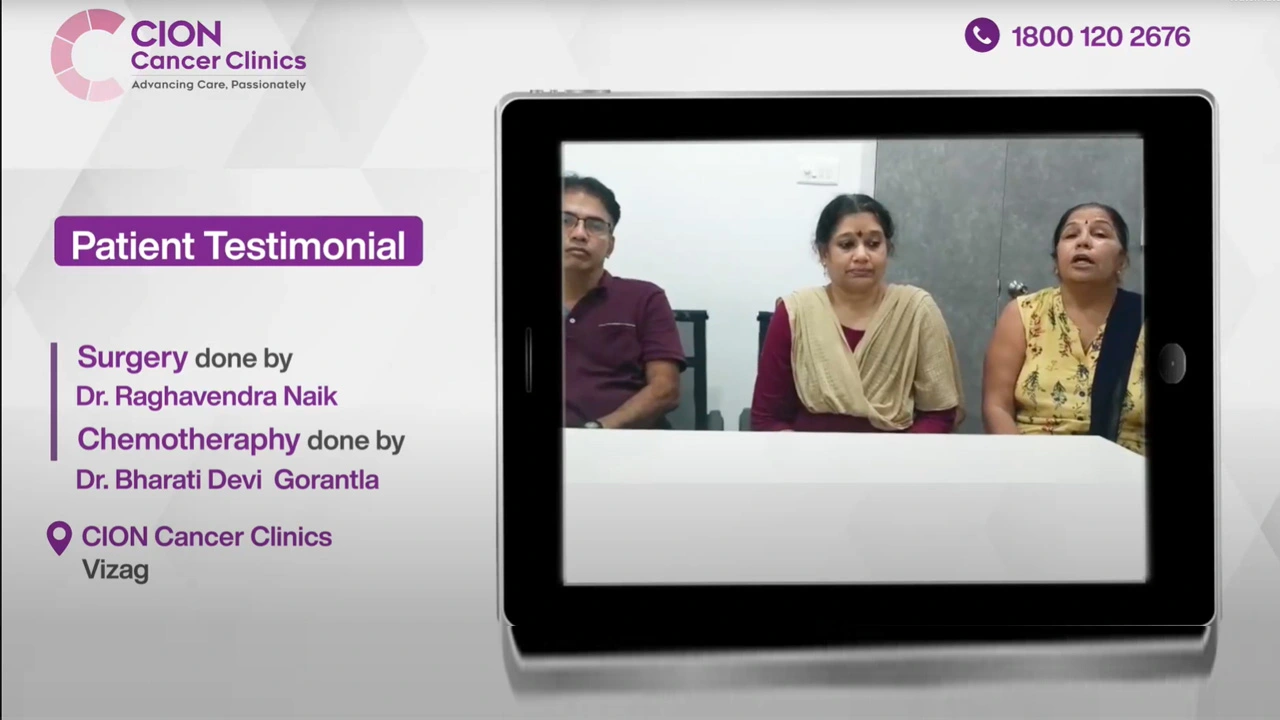

Read all 800+ reviews on Google
Start Your Story. Book Free Consultation.
Common questions
Immunotherapy With Heart Disease: Common Questions
Is immunotherapy safe if I have heart disease?
Existing heart disease does not by itself rule out checkpoint inhibitor immunotherapy. Per NCCN, ASCO and ESMO guidance it is handled as a baseline-assessment and monitoring question rather than an automatic exclusion. Whether it suits you is decided case by case, by your medical oncologist together with a cardiologist, after they read your ECG, your echo, your blood pressure and what your cancer treatment plan actually needs. A recent heart attack or an unstable rhythm usually means sequencing treatment carefully rather than abandoning it. No page can tell you in advance that you will be found eligible — that answer comes only from your own team reading your own reports.
Is the risk of myocarditis higher if I already have heart disease?
Immune-related myocarditis, or inflammation of the heart muscle, is rare. NCCN and ASCO guidance on immune-related adverse events describe it in well under one in a hundred patients receiving a single checkpoint inhibitor, and more often when two immunotherapy drugs are combined. Whether pre-existing heart disease makes it more likely is not established, and any confident number for an individual patient goes beyond what is currently known. What existing heart disease clearly does change is your reserve if it happens, and how easily symptoms can be read, because breathlessness and tiredness may already be part of your normal. That is why teams ask you to report a change in your usual rather than the presence of a symptom.
What heart tests are done before starting immunotherapy?
Most teams record an ECG and a troponin blood test before the first cycle, with an echocardiogram where your history calls for one, such as known heart failure, valve disease or a previous heart attack. Blood pressure, weight and an honest symptom baseline are recorded at the same time, along with a written list of every medicine you take. A cardiology or cardio-oncology opinion is arranged before cycle one where it is indicated. None of this exists to find a reason to turn you away. It exists so that a reading taken in week six can be compared against something real instead of guessed at. Ask for copies and keep them with you.
What heart monitoring happens during immunotherapy?
Monitoring is mostly symptom-led. Before every cycle you are asked about chest pain, breathlessness, palpitations, dizziness, ankle swelling and how far you can walk, and any new symptom triggers an ECG and a troponin the same day rather than at the next appointment. Whether every patient should also have routine repeat troponin tests on a fixed schedule is not settled, so practice varies between reputable units. Some check through the first few cycles, when cardiac reactions cluster. Blood pressure and weight are worth tracking at home between cycles, because a steady weight climb over a few days usually means fluid rather than food. Ask your own team what their monitoring plan and testing trigger are.
Should I stop my heart medicines while on immunotherapy?
No, not on your own. Blood-pressure tablets, blood thinners, rhythm medicines and heart-failure medicines are normally continued through immunotherapy, and stopping one without telling anyone is more dangerous than the interaction most people are imagining. Any change is made by the doctor who prescribed it, with your oncology team informed. Two situations need active coordination. Tell the team about a blood thinner before any biopsy, port insertion or procedure, so the pause and restart are planned. And if steroid medicines are needed to settle an immune reaction, they can raise blood pressure and blood sugar and hold fluid, so your cardiac medicines may need reviewing while you take them.
What heart symptoms mean I should go to the emergency room?
New chest pain or chest tightness, breathlessness at rest or when lying flat, palpitations, fainting or near-fainting, and sudden severe tiredness all need emergency assessment the same day. Go to an emergency room rather than waiting for your next appointment, and tell whoever sees you that you are on immunotherapy, because that single fact changes what they test for. New muscle weakness, drooping eyelids, double vision or difficulty swallowing alongside any heart symptom is treated as one urgent problem, not two small ones. There is no home-management step for inflammation of the heart muscle. If you are unsure whether what you are feeling counts, call the helpline first and let the team decide.