
 CION Ameerpet
Immunotherapy · Progression & Difficult Decisions
Is It Too Late to Start Immunotherapy — The Honest Answer at Stage 4
Sometimes, yes. Stage 4 by itself does not make it too late — but if someone is spending most of the day in bed, declining week by week, or has failing organ function, starting immunotherapy is usually not advisable. Performance status, not the stage number, is what decides.
Medically reviewed by Dr. T. Raghavender Reddy, Medical Oncologist, MBBS · DM (Medical Oncology) · MD (Radiation Oncology) · Last reviewed August 2026
- Fitness matters more than the stage number — Stage 4 alone does not rule immunotherapy out. How the person is functioning day to day weighs far more heavily.
- Sometimes the honest answer is no — When someone is bed-bound or declining rapidly, starting is usually not advisable — and a good team will say so.
- Not starting is a real decision — Choosing symptom-focused care over another line of treatment is an active choice, not the absence of care.
- Palliative care runs alongside, not after — It is a parallel service that can begin today, whichever way the treatment decision goes.
17+
Cancer Specialists
on Panel
on Panel
96.9%
Breast Cancer
Survival Rate*
Survival Rate*
15,000+
Patients
Treated
Treated
4.8★
Google Rating
(800+ reviews)
(800+ reviews)
The short answer
Is It Too Late to Start Immunotherapy at Stage 4?
Sometimes, yes — and being told so is honest care, not abandonment. Stage 4 on its own does not make it too late. What usually decides is how well the person is functioning. Someone up and about may be a candidate. Someone who has become bed-bound over a few weeks generally is not.
Families often reach this question late — sometimes from an inpatient bed, sometimes after a scan showing progression on everything tried so far. Being offered immunotherapy is not by itself evidence that it will help. The treatment takes weeks to show any effect on a scan, needs a reasonably intact immune system to work through, and carries immune-related side effects that a fragile patient tolerates poorly. A team willing to tell you plainly that this is not the right moment is giving you better information than a team that starts a cycle to avoid a hard conversation.
This page is about the decision to start. If treatment is already running and no longer controlling the disease, that is a different conversation — the related reading at the end of this page covers it.
The factor that usually decides
Does Performance Status Decide Whether It’s Too Late?
More than any other single factor, yes. Oncologists score day-to-day functioning on the ECOG scale, 0 to 4. The trials behind current immunotherapy approvals largely enrolled patients at ECOG 0 or 1. Below that the evidence thins quickly, and by ECOG 3 or 4 there is little to support starting.
| Score | What it looks like day to day | What it usually means for starting immunotherapy |
|---|---|---|
| ECOG 0 | Fully active, able to carry on all activity without restriction. | The group the evidence applies to most directly. Eligibility then turns on cancer type, histology and biomarker status. |
| ECOG 1 | Restricted in strenuous activity, but up and about and able to do light work. | Also well represented in the trials behind current approvals. Usually a reasonable candidate if other criteria are met. |
| ECOG 2 | Up and about more than half of waking hours, managing self-care, unable to work. | A genuine judgement call. Evidence is thinner here, and the decision is made case by case. |
| ECOG 3 | In bed or a chair more than half of waking hours, only limited self-care. | Rarely advisable. Benefit is not established in this group and side effects are harder to manage. |
| ECOG 4 | Completely confined to bed or chair, no self-care possible. | Not advisable. Guideline bodies do not support starting checkpoint immunotherapy at this level of function. |
ECOG is a standard clinical scale, not a CION rating. Ask which score has been recorded and why — it is a number you are entitled to know, and it explains most of what follows. It is not the only input: organ function, prior treatment, biomarker status and the patient’s own wishes all count.
Did you know?
Palliative care is not the same as end-of-life care. It is a parallel service — pain, breathlessness, appetite, sleep and family support — that can run alongside active cancer treatment from the day of diagnosis. International oncology bodies including ASCO recommend involving it early in advanced disease, not only once treatment stops.
A possibility, not a promise
What Is the Realistic Benefit of Starting Immunotherapy Now?
It is a possibility, not a promise. Immunotherapy helps in a proportion of patients and does nothing for the rest. No test tells you in advance which group a person is in. Response, when it comes, usually takes weeks to appear on a scan — which is exactly what a rapidly declining patient may not have.
Biomarker results shift the odds without settling them. PD-L1 expression, MSI-high or mismatch-repair-deficient status and tumour mutational burden all inform the decision, and NCCN, ASCO and ESMO publish response-rate ranges by cancer type and biomarker status. Ask for the range that applies to this specific report — not a general figure read online, and not a number quoted without a source.
Then ask two follow-ups. When would the first assessment scan happen, and what is the plan if it shows no response? A treatment offered without a stopping rule is not yet a plan. Cost belongs in the same conversation: this is repeat day-care cycles over months, so ask for the figure in writing and treat any number you are given as indicative, as of August 2026.
The honest limits
When Is Starting Immunotherapy Not Advisable?
When the person is bed-bound or declining week by week. When liver or kidney function is failing. When an autoimmune condition is active or high-dose steroids are needed. When symptoms are uncontrolled. Or when the patient has said they want no more hospital treatment. Each is a reason to pause.
Performance status of 3 or 4
The person is in bed or a chair for more than half of waking hours, or entirely. Evidence of benefit here is very limited, and immune-related side effects are far harder to manage in someone with little physical reserve.
Rapid decline over weeks, not months
Speed of change matters as much as today's score. Someone walking a month ago and now confined to bed is unlikely to have the weeks immunotherapy needs before any response could show.
Failing liver or kidney function
Immune-related hepatitis or nephritis is hard to detect and hard to treat when baseline organ function is already poor. Bloods and organ function should be checked before deciding, not assumed.
Active autoimmune disease, or ongoing high-dose steroids
Checkpoint inhibitors can flare an existing autoimmune condition, and a significant baseline steroid dose can blunt the effect. Neither is an automatic no, but both need a specialist opinion first.
Uncontrolled symptoms, or a clear wish not to continue
Pain, breathlessness or delirium that is not yet controlled should be settled before any new treatment is added. And a patient who has said plainly they want no further hospital treatment has given the most important answer in the room.
None of these is an absolute rule for every patient. Each is a reason to hold a goals-of-care conversation rather than proceed by default — and to have that conversation with the patient in the room wherever they are well enough to take part.
12+ Centres in Hyderabad · Pick yours
CION cancer care is closer than you think.
We're never more than 30 minutes away. Same panel of specialists at every centre. Same tumour board reviews. Same NCCN protocols. Pick the closest one and call directly — or let us pick for you.
CION Ameerpet
CION Kukatpally
CION L.B. Nagar
CION Tolichowki
CION Masab Tank
CION Banjara Hills
CION Kompally
CION Balanagar
CION Siddipet
CION Sangareddy
Not sure which centre fits best? Tell us where you are — we'll suggest the closest one with the right specialists.
Help me pick the right centre
Beyond Hyderabad
35+ centres across Telangana & Andhra Pradesh
Travelling for treatment? We may have a centre right where you are.
Telangana
Andhra Pradesh
Don't see your city? Call 18002028726 — we'll find your nearest CION partner centre.
Meet the Specialists
17+ senior cancer specialists. One panel for your case.
Trained at AIIMS, Tata Memorial, and leading international centres. Combined 150+ years of experience. Every complex case is reviewed by 3+ of them — together.

Medical Oncologist

Medical Oncologist
Dr. C. Raghavendra Reddy
MBBS(Gold Medal), DNB(General Medicine), DM(Medical Oncology)(Gold Medal)

Medical Oncologist
Dr. Bharati Devi Gorantla
MBBS, MD(General Medicine), DM(Medical Oncology)(Adyar,Chennai), ECMO, MRCP SCE(UK)

Medical Oncologist
Dr. Owais Mohammed
MBBS, MD (General Medicine), DrNB (Medical Oncology), ECMO, MRCP SCE (Medical Oncology) (UK)

Medical Oncologist

Medical Oncologist

Surgical Oncologist
Dr. Muralidhar Muddusetty
MBBS (AIIMS), MS (Surgery) (AIIMS), DNB (Surgical Oncology), MRCS (Edinburgh)

Surgical Oncologist

Surgical Oncologist

Surgical Oncologist
Dr. Vinay Mamidala
MBBS, MS(General Surgery), M.Ch(Surgical Oncology), FMAS, FARIS(Ongoing)

Surgical Oncologist

Radiation Oncologist

Radiation Oncologist

Radiation Oncologist

Hematologist

Interventional Radiologist
Dr. Mohammed Imran

Surgical Oncologist
Dr. Vajja Sandeep Kumar
MBBS, MS (General Surgery), DrNB (Surgical Oncology), FALS Oncology

Surgical Oncologist
Want a specific doctor for your case? Mention them when booking.
Book Free ConsultationBook an appointment with our specialist
Share your name and number — we'll call you back within 30 minutes to schedule your consultation.
Not Sure Whether Starting Now Makes Sense?
A medical oncologist can look at the performance status, the biomarker report and the realistic timeline, and give you a straight answer — in either direction.
The other path
What Happens If You Decide Not to Start?
Care continues — it changes shape. The focus moves to controlling pain, breathlessness, appetite and sleep, and to supporting the family. That is best supportive and palliative care. It is a parallel service that can run alongside treatment or in place of it, not a last resort.
Deciding against a treatment that is unlikely to help, and likely to add side effects and hospital visits to the time that remains, is an active clinical decision. It is not the absence of care, and it is not giving up. In practice it usually means more time at home, fewer infusion visits, and a care plan built around what the patient says matters most.
At CION, immunotherapy itself is delivered as day care at our centres, and response-assessment PET-CT is coordinated at partner imaging centres rather than performed in-house. Supportive care planning — symptom control, nutrition input, psycho-oncology support for patient and family — sits alongside both paths, and a referral commits you to nothing. The decision is rarely final on day one either: if symptoms settle and function improves, the question can be reopened. Ask for a review date rather than a yes-or-no answer on the spot.
A framework, not a recommendation
How Do Families Actually Make This Decision?
By replacing “should we try everything?” with three narrower questions: what is the realistic chance, how long before we would know, and what would the alternative actually look like? A goals-of-care conversation with the patient present answers all three better than a decision made on the spot.
1
Ask for the performance status score, out loud
Ask which ECOG score has been recorded and whether that puts the patient in the group the evidence applies to. If nobody in the room can answer that, the answer itself is information.
2
Ask what would count as working, and by when
Ask for the assessment-scan date and what happens if that scan shows no response. A treatment offered without a stopping rule is not yet a plan.
3
Hold the goals-of-care conversation with the patient present
Ask what the patient wants the coming weeks to look like — time at home, fewer hospital visits, being alert enough to talk. Treatment decisions follow from that answer, not the other way round.
4
Bring palliative care in now, whichever way you decide
A referral does not commit you to stopping treatment. It gets pain, breathlessness and appetite controlled while the decision is being made, and the decision often becomes clearer once symptoms settle.
5
Get a second opinion if the offer feels rushed
A written second opinion from an oncologist who is not the treating doctor costs a few days and can confirm either direction.
You should not have to decide alone
Whatever You Decide, Decide With Full Information
Performance status, realistic benefit, timeline, and what symptom-focused care would actually involve — all four, in plain language, before you commit either way.
Real Stories. Real Voices.
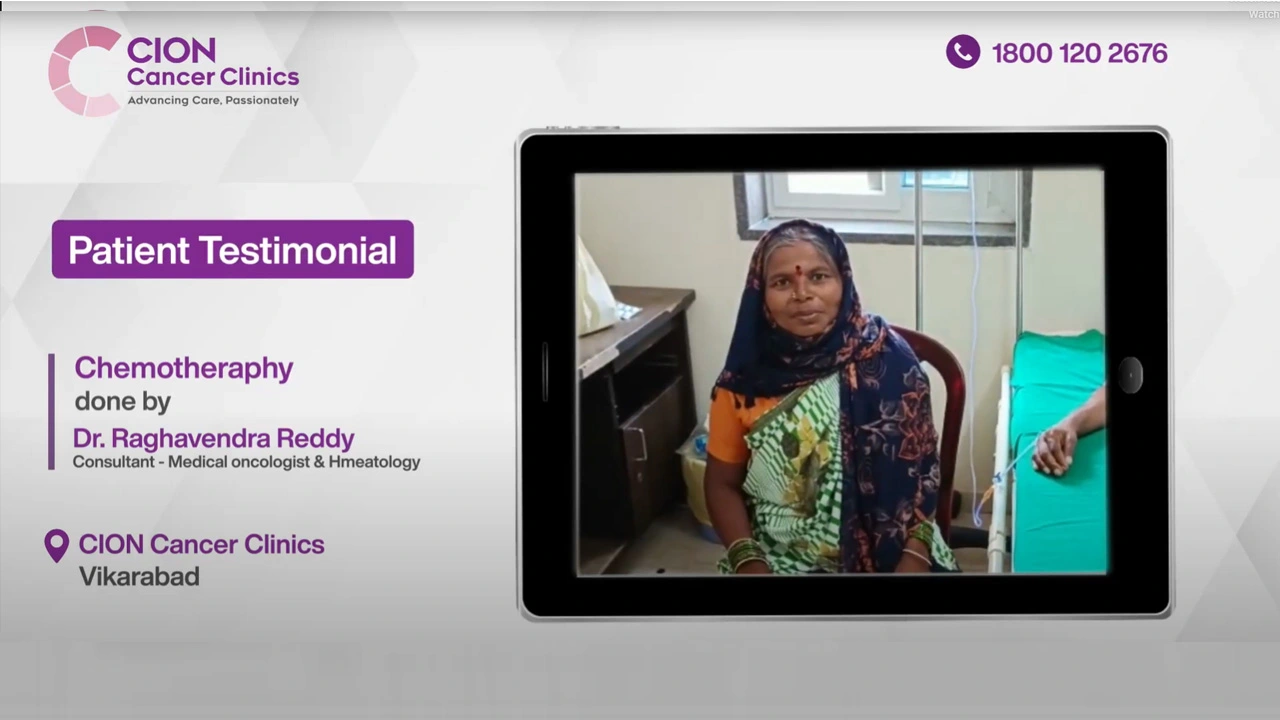
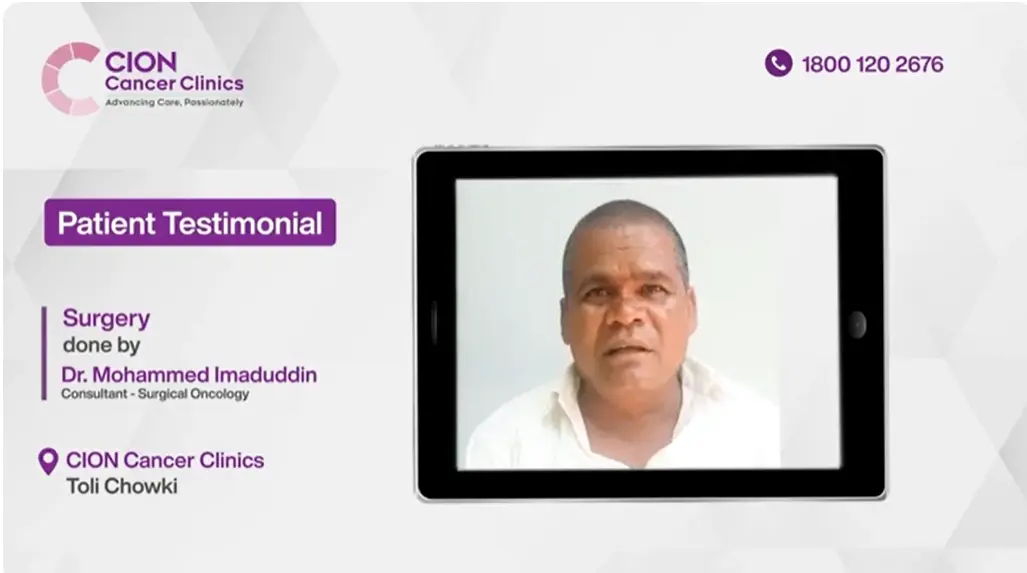
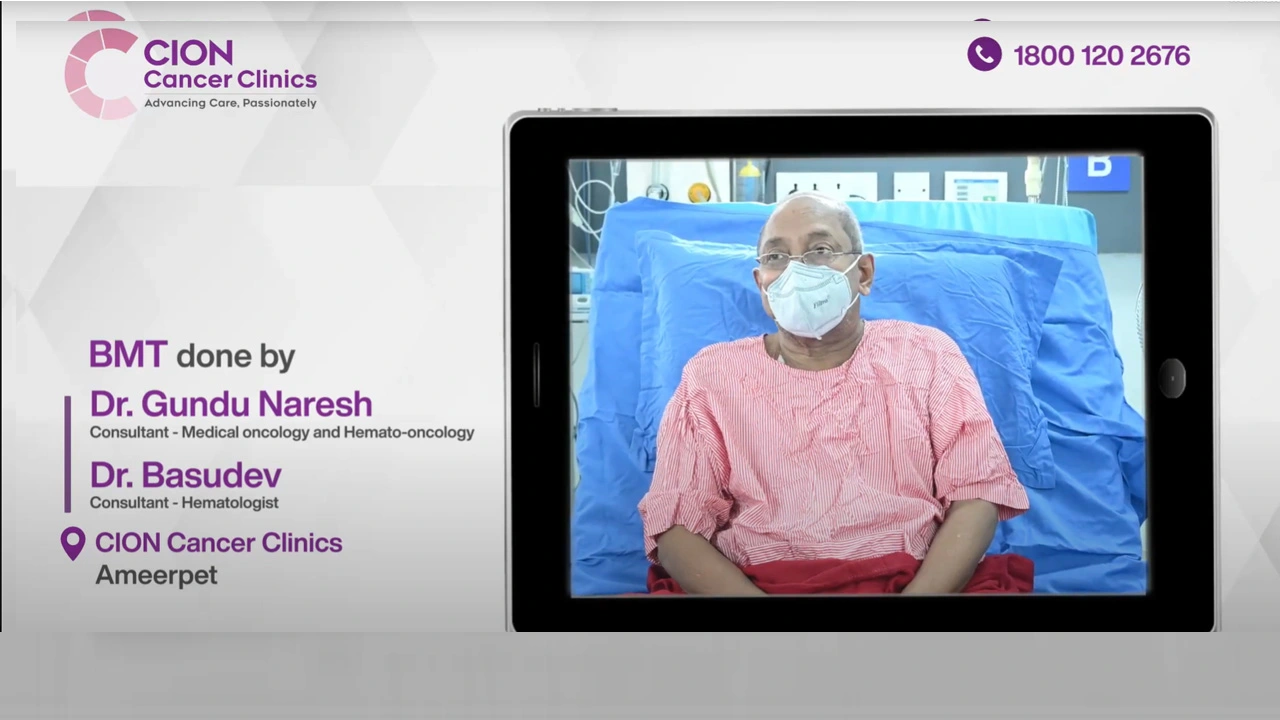
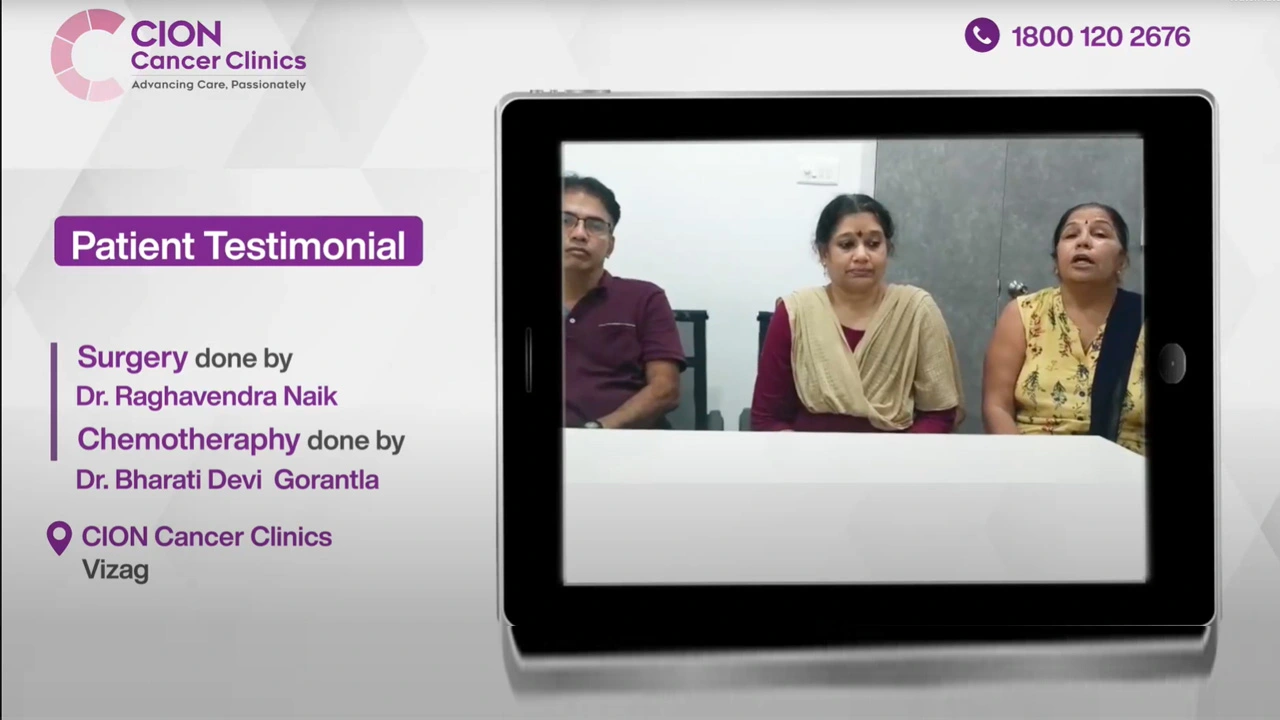
15,000+ patients chose CION. Hear from them directly.
These aren't paid endorsements or written reviews. These are video testimonials from real patients and families — recorded on their own phones, in their own words. Pick any one. Watch it. Then decide.
4.8★800+ Google reviews
50+video testimonials
15,000+patients treated





Read all 800+ reviews on Google
Start Your Story. Book Free Consultation.
Common questions
Is It Too Late to Start Immunotherapy? — Your Questions Answered
Is it too late to start immunotherapy at stage 4?
Not necessarily. Stage 4 on its own does not close the door — immunotherapy is approved and routinely used in advanced disease for several cancer types, provided the histology and biomarker criteria are met. What matters more than the stage number is how the person is functioning day to day. Someone up and about and managing their own self-care is in a very different position from someone who has become bed-bound over the past few weeks. If the decline has been rapid and organ function is failing, starting is usually not advisable, and an honest team will say so.
Does performance status decide whether immunotherapy can be started?
It carries more weight than almost any other single factor. Oncologists score day-to-day functioning on the ECOG scale, which runs from 0 (fully active) to 4 (completely confined to bed or chair). The trials that established the benefit of checkpoint immunotherapy largely enrolled patients at ECOG 0 or 1, so the evidence applies most directly to that group. At ECOG 2 it becomes a case-by-case judgement. At ECOG 3 and 4 there is very little evidence of benefit, and immune-related side effects are harder to manage in an already fragile patient.
What is the realistic benefit of starting immunotherapy at this point?
It should be described as a possibility, never a promise. Immunotherapy helps in a proportion of patients and does nothing for the rest, and no test reliably tells you in advance which group a person falls into. Biomarker results such as PD-L1 expression or MSI status shift the odds without settling them. Response, when it happens, usually takes weeks to become visible on a scan — which is exactly what a rapidly declining patient may not have. Ask your oncologist for the response-rate range cited by NCCN, ASCO or ESMO for this cancer type and biomarker report.
When is starting immunotherapy not advisable?
The common situations are: an ECOG performance status of 3 or 4, particularly where the decline has happened over weeks rather than months; failing liver or kidney function that would make immune-related side effects difficult to manage; an active, uncontrolled autoimmune condition or a high ongoing steroid requirement; uncontrolled symptoms such as pain, breathlessness or delirium; and situations where the patient has said clearly that they do not want further hospital-based treatment. None of these is an absolute rule, but each is a reason to pause and hold a goals-of-care conversation rather than proceed by default.
Is choosing not to start immunotherapy the same as giving up?
No. Deciding against a treatment that is unlikely to help, and likely to add side effects and hospital visits to the time that remains, is an active clinical decision — not the absence of care. Best supportive and palliative care continues either way: pain control, breathlessness management, nutrition support, and help for the family. Palliative care is a parallel service rather than a last resort, and international bodies including ASCO recommend involving it early in advanced disease, not only once treatment stops.
This page is general patient-education information, not a substitute for the written guidance your own oncology team gives you based on the specific diagnosis, performance status, biomarker results and treatment plan in front of them.