
 CION Ameerpet
Emotional Support · Psycho-Oncology
When to See a Psycho-Oncologist — And Why It Is Not a Mental Illness Label
A psycho-oncologist is a mental health professional trained specifically in cancer care — not someone brought in to decide whether you are mentally ill. Screening every patient for distress is recommended in NCCN supportive-care guidance, so a referral is an ordinary part of cancer treatment. Here is what they do, when to ask, and why it is not a label.
Medically reviewed by Dr. Bharati Devi Gorantla, Medical Oncologist, MBBS · MD · DM (Adyar, Chennai) · ECMO · MRCP SCE (UK) · Last reviewed August 2026
- Referral is routine, not a verdict — NCCN guidance recommends screening every cancer patient for distress — being asked how you are coping is standard practice.
- It is not a diagnosis of mental illness — Most people referred have no mental illness. Sessions deal with sleep, fear before scans, money guilt and family silence.
- The caregiver can be referred too — The adult child who researches, drives, pays and translates can be seen in their own name, without the patient’s permission.
- Free Telugu support exists today — Tele-MANAS on 14416 is free, confidential and available 24/7 in Telugu if you cannot reach a psycho-oncologist yet.
17+
Cancer Specialists
on Panel
on Panel
96.9%
Breast Cancer
Survival Rate*
Survival Rate*
15,000+
Patients
Treated
Treated
4.8★
Google Rating
(800+ reviews)
(800+ reviews)
Start Here
What Does a Psycho-Oncologist Actually Do?
A psycho-oncologist is a psychiatrist, psychologist or counsellor trained specifically in cancer. They work on the fear, sleeplessness, anger, money guilt and family silence that treatment brings. They do not examine you to decide whether you are mentally ill. Most of the work is practical talking, coping strategy, and sometimes short-term medication for sleep or anxiety.
The title is unfamiliar in India, which is most of the problem. Many families hear “oncologist” and understand it immediately, then hear “psycho” and stop listening. The word only means that this professional works inside cancer care. A psycho-oncologist knows what a response scan is. They know what a nine-week cycle does to a household. They know why the money conversation and the medical conversation cannot be separated.
That specialist context is the whole difference. A general counsellor will listen well. A psycho-oncologist already knows the shape of what you are describing, so you spend the session on what to do rather than on explaining the disease. They also sit inside the treating team, which means what helps you emotionally can be checked against what is happening medically — important on immunotherapy, where fatigue, low mood and sleep changes sometimes have a physical cause that needs testing.
| What a psycho-oncology consultation is | What it is not |
|---|---|
| A conversation about how you are coping with cancer and its treatment. | An assessment to establish whether you have a mental illness. |
| Practical strategies for sleep, panic before scans, and anger at home. | Being told to think positively or to be strong for the family. |
| A place to say the things you protect your family from hearing. | A report that gets passed back to your relatives. |
| Open to the caregiver as well as the patient, in their own name. | Something only the person with the diagnosis is allowed to use. |
| Sometimes short-term medicine for sleep or anxiety, prescribed and reviewed. | A permanent prescription that you are never allowed to stop. |
This page is general supportive information. It does not assess, diagnose or treat any mental health condition, and it is not a substitute for an assessment by a qualified psycho-oncologist or mental health professional.
Did you know?
Distress is screened for like a vital sign. NCCN supportive-care guidance recommends that every cancer patient be screened for distress at the first visit and at intervals afterwards, using a simple 0–10 scale. Being asked how you are coping is therefore standard oncology practice — not a sign that somebody has spotted a problem with you. (Source: NCCN Distress Management guidance.)
The Barrier
Is a Psycho-Oncologist Only for Serious Mental Health Cases?
No. Most people referred to psycho-oncology have no mental illness at all. They are ordinary people under an extraordinary load: scan weeks, money draining every month, a parent who will not talk, a treatment with no end date. A referral is a statement about the situation. It is not a statement about you.
This is the sentence that stops families asking: if they send us there, it means they think I have lost my mind. It does not. In good cancer care, emotional support is offered the same way a nutrition referral or a physiotherapy referral is offered — because a known, predictable part of the treatment is hard, not because someone has been judged. The reasons people are actually referred look like this.
- Fear before every scan. The waiting days come back every nine to twelve weeks, with no final scan to get past.
- Guilt about the money. The feeling that continuing treatment is spending the family's future, and that saying so out loud would be selfish.
- A parent or spouse who has gone quiet. Both sides protecting each other by not talking is the commonest pattern families describe.
- Sleep that has not been right for weeks. Usually the first thing to break, and often the easiest thing to help.
- Anger that lands on the wrong people. Almost always the people closest, followed immediately by guilt about it.
- Being the one who holds it all together. Adult children who research, drive, pay and translate for a parent are rarely asked how they are doing.
None of the six is a mental illness. All six are ordinary, expected reactions to a long treatment with an uncertain end — and all six are easier to carry with someone trained to help you carry them. Immunotherapy adds its own version, because a treatment that may work for years or may not work at all asks a family to live with hope and uncertainty at the same time, indefinitely.
12+ Centres in Hyderabad · Pick yours
CION cancer care is closer than you think.
We're never more than 30 minutes away. Same panel of specialists at every centre. Same tumour board reviews. Same NCCN protocols. Pick the closest one and call directly — or let us pick for you.
CION Ameerpet
CION Kukatpally
CION L.B. Nagar
CION Tolichowki
CION Masab Tank
CION Banjara Hills
CION Kompally
CION Balanagar
CION Siddipet
CION Sangareddy
Not sure which centre fits best? Tell us where you are — we'll suggest the closest one with the right specialists.
Help me pick the right centre
Beyond Hyderabad
35+ centres across Telangana & Andhra Pradesh
Travelling for treatment? We may have a centre right where you are.
Telangana
Andhra Pradesh
Don't see your city? Call 18002028726 — we'll find your nearest CION partner centre.
Meet the Specialists
17+ senior cancer specialists. One panel for your case.
Trained at AIIMS, Tata Memorial, and leading international centres. Combined 150+ years of experience. Every complex case is reviewed by 3+ of them — together.

Medical Oncologist

Medical Oncologist
Dr. C. Raghavendra Reddy
MBBS(Gold Medal), DNB(General Medicine), DM(Medical Oncology)(Gold Medal)

Medical Oncologist
Dr. Bharati Devi Gorantla
MBBS, MD(General Medicine), DM(Medical Oncology)(Adyar,Chennai), ECMO, MRCP SCE(UK)

Medical Oncologist
Dr. Owais Mohammed
MBBS, MD (General Medicine), DrNB (Medical Oncology), ECMO, MRCP SCE (Medical Oncology) (UK)

Medical Oncologist

Medical Oncologist

Surgical Oncologist
Dr. Muralidhar Muddusetty
MBBS (AIIMS), MS (Surgery) (AIIMS), DNB (Surgical Oncology), MRCS (Edinburgh)

Surgical Oncologist

Surgical Oncologist

Surgical Oncologist
Dr. Vinay Mamidala
MBBS, MS(General Surgery), M.Ch(Surgical Oncology), FMAS, FARIS(Ongoing)

Surgical Oncologist

Radiation Oncologist

Radiation Oncologist

Radiation Oncologist

Hematologist

Interventional Radiologist
Dr. Mohammed Imran

Surgical Oncologist
Dr. Vajja Sandeep Kumar
MBBS, MS (General Surgery), DrNB (Surgical Oncology), FALS Oncology

Surgical Oncologist
Want a specific doctor for your case? Mention them when booking.
Book Free ConsultationBook an appointment with our specialist
Share your name and number — we'll call you back within 30 minutes to schedule your consultation.
Asking for Support Is Part of Cancer Treatment
CION care coordinators arrange psycho-oncology and counselling support alongside medical treatment — for patients, and for the family looking after them.
The Signals
When Is It Time to See a Psycho-Oncologist?
When the distress stops moving. A hard week around a scan is expected and usually passes. Ask for a referral when low mood, fear or sleeplessness has lasted more than two weeks, is affecting eating, work or relationships, or is making someone want to skip treatment. Any thought of self-harm needs help the same day.
The table below is a guide to when to ask, not a test to score yourself against. Use it to decide how quickly to raise it with the treating team.
| Signal | What it usually looks like | How soon to ask |
|---|---|---|
| A hard week around a scan | Sleep breaks up, irritability rises, and it settles within a few days of the report. | Usually no referral needed. Mention it at the next consultation. |
| Low mood or fear lasting over two weeks | The same weight every day, whether or not a scan is due. | Ask at the next visit. Do not wait for the next scan cycle. |
| Daily life is affected | Not eating, not sleeping, not working, pulling away from people. | Ask this week. |
| Wanting to stop or skip treatment because of how you feel | Missed appointments, delayed cycles, “what is the point” conversations. | Tell the oncology team now. Avoidance has medical consequences. |
| Panic-type episodes | Racing heart, breathlessness, a sense of losing control, often around hospital visits. | Tell the oncology team now. On immunotherapy some of these symptoms also need a physical check. |
| The caregiver is running on empty | The person driving, paying and translating has stopped sleeping or stopped eating with the family. | Ask for a referral in their own name. They do not need the patient's permission. |
| Any thought of harming yourself | Thoughts that the family would be better off, or any planning at all. | Same day. Call Tele-MANAS on 14416 or go to the nearest emergency department. |
This is guidance on when to raise a concern, not a diagnostic tool, and nothing here diagnoses a mental health condition. Timings are general and will differ between people and treating teams.
Did you know?
Free counselling exists in Telugu, around the clock. India’s national Tele-MANAS helpline — 14416, or 1-800-891-4416 — is a government service offering free, confidential mental health support 24 hours a day in Telugu and other Indian languages. You do not need a referral, a diagnosis or a hospital appointment to use it. (Source: Ministry of Health and Family Welfare, Government of India.)
How to Ask
How Do You Ask for a Referral Without Sounding Like You Are Breaking Down?
Describe the symptom, not the state. “She has not slept properly in three weeks” or “he has stopped eating with us” is easier to say than “I think she is depressed”. It is also more useful to the team, and it does not put a diagnosis in anybody's mouth. Six steps make the conversation short.
1
Write down the last two weeks
Sleep, appetite, missed appointments, days not left the house. Two lines are enough. Specifics get taken seriously in a way that “not coping well” does not.
2
Use plain descriptions, not labels
“Not sleeping since the last cycle” travels further than a diagnostic word, and it keeps you from labelling someone you are not qualified to label.
3
Ask the question directly
“Who do we speak to about the emotional side of this?” Every oncology team has an answer. At CION, ask the care coordinator or the treating medical oncologist.
4
Say clearly who it is for
The patient, the spouse, or you. A caregiver can be referred in their own name, and asking for yourself is not taking something away from the patient.
5
Ask what it will involve
How many sessions, in person or by phone, and whether it can be scheduled alongside a treatment visit so there is no extra trip or lost day of work.
6
Ask about cost in writing
Ask for the counselling charge in writing before booking. Any figure quoted is indicative, as of August 2026, and what a scheme or insurance policy covers differs by plan — so get the answer for your plan, not the general one.
If the conversation still feels impossible, start with the free route instead. Tele-MANAS on 14416 costs nothing, needs no referral, and can be used in Telugu at any hour — and what you learn from that first call often makes the hospital conversation much easier.
For the Family
Can the Caregiver See a Psycho-Oncologist Too?
Yes, and often they should. A caregiver can be referred in their own name and does not need the patient's permission. The adult child who researches the treatment, drives to every appointment, negotiates the money and translates each conversation is usually the least asked-after person in the room.
Caregiver strain has its own shape. It is not grief and it is not fear of dying. It is the low, continuous pressure of being responsible for decisions you are not trained to make, with money you may not have, for someone who will not tell you how they really are. On immunotherapy that pressure has no natural stopping point, because treatment can continue for a year or longer while every scan reopens the same question. The strain that comes from the gap between appointments has its own page: anxiety between cycles, waiting for side effects to appear.
Faith is not in competition with counselling. Many families in Telangana and Andhra Pradesh lean on prayer, the temple, the church or the dargah to get through treatment, and that support is real and worth keeping. A psycho-oncologist works alongside it rather than against it. The only thing worth being careful about is a practice that asks you to stop or delay medical treatment — that is the point to tell the oncology team. We cover the ground more fully in faith, prayer and spiritual coping during treatment.
There is a quieter version of this too. People whose immunotherapy has worked well sometimes feel unable to say so, because others in the same ward did not have the same result. That guilt is common, and it is a legitimate reason to ask for support — see the survivor's dilemma: doing well when others did not.
Next Step
You Do Not Need a Diagnosis to Ask for Help
A free 45-minute consultation, with time for the emotional and financial weight as well as the treatment plan.
Real Stories. Real Voices.
15,000+ patients chose CION. Hear from them directly.
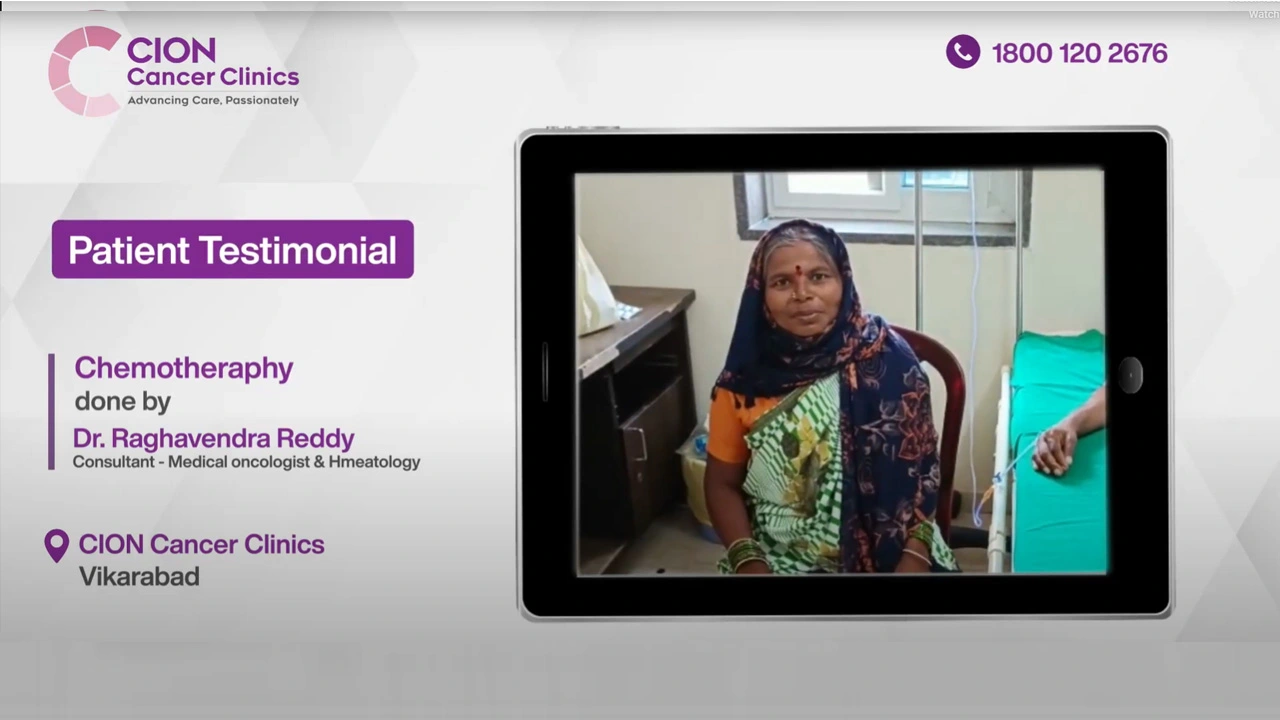
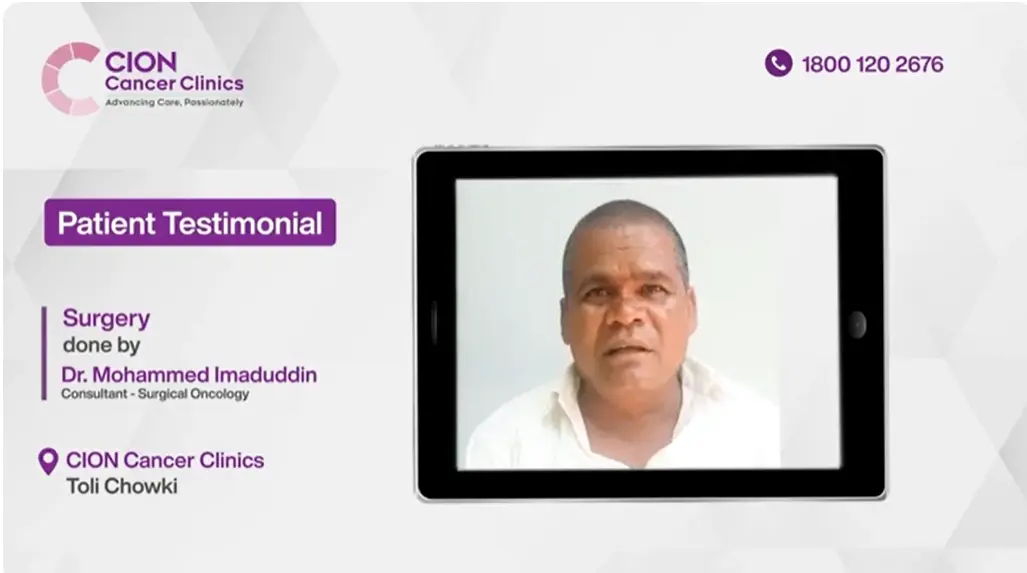
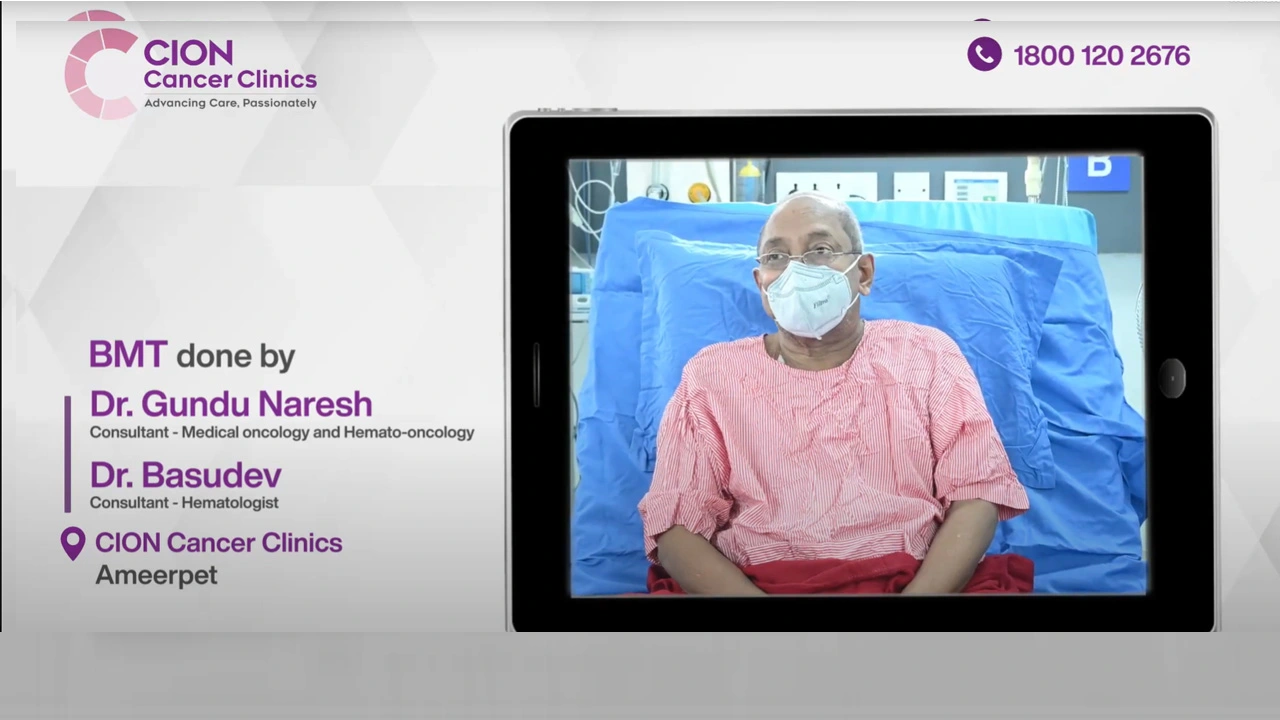
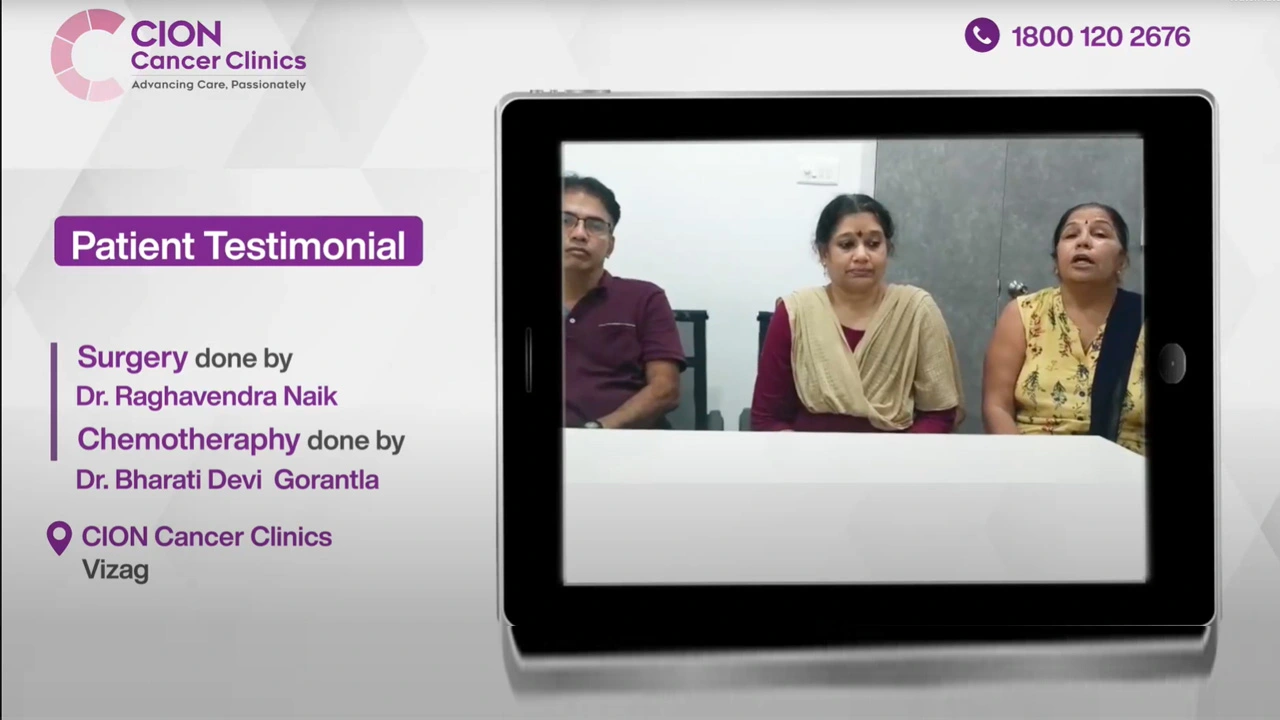
These aren't paid endorsements or written reviews. These are video testimonials from real patients and families — recorded on their own phones, in their own words. Pick any one. Watch it. Then decide.
4.8★800+ Google reviews
50+video testimonials
15,000+patients treated
Read all 800+ reviews on Google
Start Your Story. Book Free Consultation.
Common questions
Psycho-Oncology and Cancer Counselling: Your Questions Answered
What does a psycho-oncologist actually do?
A psycho-oncologist is a psychiatrist, psychologist or trained counsellor who works only with cancer patients and their families. The work is practical. They help with sleep that has broken down, fear before scans, anger that lands on the wrong people, guilt about money, and conversations at home that have gone silent. Some sessions are purely talking and coping strategy. Sometimes short-term medication for sleep or anxiety is prescribed and reviewed. What they do not do is examine you to decide whether you have a mental illness. Distress during cancer treatment is treated as an expected part of the illness, not as a separate diagnosis.
When should I see a psycho-oncologist during cancer treatment?
When the distress stops moving. A hard week around a scan that settles after the report is expected and usually needs nothing more than mentioning it at the next visit. Ask for a referral when low mood, fear or sleeplessness has lasted more than two weeks, when it is affecting eating, work, sleep or relationships, or when it is making the patient want to delay or skip treatment. Panic-type episodes should be reported to the oncology team promptly, because on immunotherapy some of those symptoms also need a physical check. Any thought of harming yourself needs help the same day, not at the next appointment.
Is psycho-oncology only for people with serious mental illness?
No. Most people referred to psycho-oncology have no mental illness at all. They are ordinary people carrying an extraordinary load: repeated scans, savings draining month after month, a treatment with no clear end date, and a family that has stopped talking honestly to protect each other. A referral is a statement about the situation, not about the person. Screening every cancer patient for distress is recommended in NCCN supportive-care guidance, which is why being asked how you are coping is routine oncology practice rather than a sign that someone has decided something is wrong with you.
Does seeing a psycho-oncologist change my cancer treatment or go into my records?
Seeing a psycho-oncologist does not change the cancer treatment plan, and it is not a psychiatric label attached to your file. Like every other consultation in a hospital, notes are kept and are confidential within the treating team, which is what allows counselling and medical treatment to work together. If short-term medication for sleep or anxiety is suggested, the oncologist is told, because some medicines interact with cancer treatment and that check matters. Nothing you say is reported back to your family. If you want something kept between you and the counsellor, say so at the start of the session.
Can family members and caregivers see a psycho-oncologist too?
Yes, and they often should. A caregiver can be referred in their own name and does not need the patient's permission to ask for support. The adult child who researches the treatment, drives to appointments, negotiates the money and translates every conversation is usually the least asked-after person in the room. Carer distress is recognised in supportive-care guidance from bodies such as ASCO and ESMO. If the person holding everything together has stopped sleeping, stopped eating with the family, or is running on anger, that is a reason to ask the care coordinator for a referral for them.
What if I cannot get to a psycho-oncologist right now, or need help in Telugu?
Free support exists and it does not need a referral. India's national Tele-MANAS helpline, on 14416 or 1-800-891-4416, is a government service offering free, confidential mental health support around the clock in Telugu and other Indian languages. You do not need a diagnosis or a hospital appointment to call it. Speaking to your treating oncologist or care coordinator is the other route, because psycho-oncology support at CION is arranged alongside treatment visits so it does not mean an extra trip. If there is any immediate risk of self-harm, go to the nearest emergency department the same day.