
 CION Ameerpet
Immunotherapy · When It Stops Working & Difficult Decisions
Immunotherapy Has Stopped Working — What Now?
If a scan has shown the cancer growing again on immunotherapy, this page is the map of what comes next. The first step is confirming that the progression is real. The second is looking at the options that remain — including the option of not treating further. In almost every case, you do not have to decide today.
Medically reviewed by Dr. Bharati Devi Gorantla, Medical Oncologist, MBBS · MD · DM (Adyar, Chennai) · ECMO · MRCP SCE (UK) · Last reviewed August 2026
- Confirm before you decide — One scan is often not enough — immunotherapy can make a tumour look larger before it responds.
- Options usually remain — Switching systemic treatment, treating a single growing spot, a trial, or symptom control alone.
- Days, not hours — Apart from specific emergencies, most families have one to three weeks to gather information.
- Palliative care runs alongside — Symptom and quality-of-life support is a parallel service you can add now, not a last resort.
17+
Cancer Specialists
on Panel
on Panel
96.9%
Breast Cancer
Survival Rate*
Survival Rate*
15,000+
Patients
Treated
Treated
4.8★
Google Rating
(800+ reviews)
(800+ reviews)
The short answer
Immunotherapy Has Stopped Working — What Happens Now?
Your oncologist first confirms the growth on the scan is real progression and not the temporary swelling immunotherapy can cause. If it is confirmed, the options are usually: switch to another systemic treatment, treat one growing area locally, ask about a clinical trial, or focus on symptom control. Most families have days, not hours.
This page is written to be read on the day you get the news. Nothing here is a recommendation for your situation — it is the map of what the conversation with your oncologist should cover, so you can ask for the parts that get skipped.
First question
How Is It Confirmed That Immunotherapy Has Stopped Working?
By more than one scan, and by how you actually feel. Immunotherapy can make a tumour look temporarily larger on imaging before it responds — a pattern called pseudoprogression. Guideline bodies including ESMO and ASCO therefore advise confirming apparent progression with a repeat scan, usually four to eight weeks later.
Three things are weighed together. The imaging, compared directly against your previous scan rather than read in isolation. Your symptoms and day-to-day function — whether you are eating, walking and sleeping as you were a month ago. And any relevant blood or tumour-marker trend for your cancer type. Response-assessment imaging is coordinated at partner imaging centres, so ask that the previous images are made available to the reporting radiologist for comparison, not just the new ones.
The confirmation scan is skipped in one situation. If you are clearly deteriorating — losing weight quickly, in worsening pain, becoming breathless — waiting four to eight weeks is not safe, and your team will act on the first scan. That is a clinical judgement your oncologist makes, and it is reasonable to ask them to say out loud which of the two situations you are in.
A small number of patients grow unusually fast. Reported in the literature as hyperprogression, this is uncommon, is still being studied, and is not something you can identify yourself. Your oncologist judges it from the pace of change across scans, not from a single image or a symptom.
Did you know?
A scan that looks worse is not automatically progression. Immunotherapy can draw immune cells into a tumour, making it appear larger on imaging before it begins to shrink. This is precisely why a single scan is rarely enough to declare that treatment has failed.
A framework, not a recommendation
What Options Remain After Immunotherapy Stops Working?
Usually four or five, and they are not ranked. Depending on your cancer type, how much has grown and how well you are, the realistic choices are: switch systemic treatment, treat one or two growing areas locally, ask about a clinical trial, hold and rescan, or move the focus to symptom control alone.
Which of these apply to you depends on your cancer type, biomarker results, previous treatments and current fitness — this table is a starting point for the conversation, not a ranking. The last row is a considered medical decision, not the absence of one.
| Option | What it involves | Who typically considers it |
|---|---|---|
| Switch systemic treatment | Moving to chemotherapy, a targeted therapy, or another approved agent where one exists for your cancer type and biomarker profile | Patients well enough for further disease-directed treatment, where an appropriate next line has not yet been used |
| Local treatment to one or two spots | Radiation or surgery directed at the growing area, often while the systemic treatment continues — sometimes called oligoprogression | Patients where everything else is stable and only one or two sites are growing |
| Hold and rescan | A short interval and a repeat scan before changing anything, where the imaging change is small or ambiguous | Patients who feel well and where pseudoprogression has not been ruled out |
| Clinical trial | An investigational treatment given under a study protocol; eligibility criteria are strict and enrolment is never guaranteed | Patients who want to explore options beyond approved treatment and remain fit enough to meet trial criteria |
| Symptom control alone | Pain, breathlessness, appetite and fatigue managed actively, without further treatment aimed at the cancer itself | Patients and families prioritising comfort, time at home, and freedom from repeat hospital visits |
The time you actually have
How Quickly Do You Have to Decide?
Usually one to three weeks, not the same day. Progression on a scan is rarely a same-day emergency, and the time is better spent gathering information than committing immediately. Ask your oncologist directly: if we take another two weeks, what changes? Their answer tells you exactly how much room you have.
The pressure to decide fast is often felt rather than clinical. A scan report, a phone call and a waiting-room conversation arriving in the same afternoon make a two-week window feel like a two-hour one. In practice, a next line of treatment started fourteen days later is a common and clinically acceptable timeline for most cancers, and using those days to confirm the progression, get the reports in hand and have one honest goals-of-care conversation usually produces a better decision than starting something the same week.
The exceptions that need attention now, whatever the scan showed: new or worsening breathlessness; a chest or abdomen filling with fluid; back pain with new weakness, numbness or difficulty passing urine; uncontrolled pain; or any bleeding. These are managed urgently on their own merits — call your oncology team or go to the nearest emergency department rather than waiting for the next scheduled appointment.
12+ Centres in Hyderabad · Pick yours
CION cancer care is closer than you think.
We're never more than 30 minutes away. Same panel of specialists at every centre. Same tumour board reviews. Same NCCN protocols. Pick the closest one and call directly — or let us pick for you.
CION Ameerpet
CION Kukatpally
CION L.B. Nagar
CION Tolichowki
CION Masab Tank
CION Banjara Hills
CION Kompally
CION Balanagar
CION Siddipet
CION Sangareddy
Not sure which centre fits best? Tell us where you are — we'll suggest the closest one with the right specialists.
Help me pick the right centre
Beyond Hyderabad
35+ centres across Telangana & Andhra Pradesh
Travelling for treatment? We may have a centre right where you are.
Telangana
Andhra Pradesh
Don't see your city? Call 18002028726 — we'll find your nearest CION partner centre.
Meet the Specialists
17+ senior cancer specialists. One panel for your case.
Trained at AIIMS, Tata Memorial, and leading international centres. Combined 150+ years of experience. Every complex case is reviewed by 3+ of them — together.

Medical Oncologist

Medical Oncologist
Dr. C. Raghavendra Reddy
MBBS(Gold Medal), DNB(General Medicine), DM(Medical Oncology)(Gold Medal)

Medical Oncologist
Dr. Bharati Devi Gorantla
MBBS, MD(General Medicine), DM(Medical Oncology)(Adyar,Chennai), ECMO, MRCP SCE(UK)

Medical Oncologist
Dr. Owais Mohammed
MBBS, MD (General Medicine), DrNB (Medical Oncology), ECMO, MRCP SCE (Medical Oncology) (UK)

Medical Oncologist

Medical Oncologist

Surgical Oncologist
Dr. Muralidhar Muddusetty
MBBS (AIIMS), MS (Surgery) (AIIMS), DNB (Surgical Oncology), MRCS (Edinburgh)

Surgical Oncologist

Surgical Oncologist

Surgical Oncologist
Dr. Vinay Mamidala
MBBS, MS(General Surgery), M.Ch(Surgical Oncology), FMAS, FARIS(Ongoing)

Surgical Oncologist

Radiation Oncologist

Radiation Oncologist

Radiation Oncologist

Hematologist

Interventional Radiologist
Dr. Mohammed Imran

Surgical Oncologist
Dr. Vajja Sandeep Kumar
MBBS, MS (General Surgery), DrNB (Surgical Oncology), FALS Oncology

Surgical Oncologist
Want a specific doctor for your case? Mention them when booking.
Book Free ConsultationBook an appointment with our specialist
Share your name and number — we'll call you back within 30 minutes to schedule your consultation.
Told That Immunotherapy Is No Longer Working?
A medical oncologist can review the scan, confirm whether the progression is real, and lay out every option that remains — including the ones you may not have been offered.
If you were told today
What Should You Do in the First Two Weeks?
Five things, in this order: get the reports in hand, find out exactly what grew, ask what the goal of the next treatment would be, ask for the option nobody has offered you, and add symptom support in parallel. None of these commits you to a decision.
1
Collect both scan reports, not just the latest one
Ask for the current report and the previous one, plus the images themselves on a disc or link. Progression is a comparison, so a single report on its own tells you very little.
2
Ask what “progression” means in your specific case
How much has grown, where, and is it one site or many? One growing spot with everything else stable leads to a very different conversation than growth in several places at once.
3
Ask what the goal of the next treatment would be
Disease control, symptom relief, or buying time for something specific? This is the goals-of-care question, and it is the one most often left unasked in a busy clinic.
4
Ask for the option you have not been offered
Including no further disease-directed treatment. Naming it out loud does not end the discussion — it usually makes the rest of it more honest for everyone in the room.
5
Add symptom and supportive care in parallel now
Whichever way the treatment decision goes. Pain, appetite, sleep and breathlessness are managed better when the referral is made early rather than at the point of crisis.
A parallel service, not a last resort
Does Being Referred to Palliative Care Mean Treatment Is Over?
No. Palliative care is symptom and quality-of-life support that runs alongside cancer treatment, not after it. You can begin a new line of systemic treatment and see a palliative care team in the same week. ASCO and WHO both describe it as a service to introduce early, not one reserved for the final weeks.
In practice, a palliative care team works on the parts of the illness a busy oncology clinic has the least time for: pain that is not fully controlled, breathlessness, poor appetite, disturbed sleep, anxiety in both the patient and the family, and the practical planning that nobody wants to start. Adding that team does not remove your oncologist, does not cancel your next scan, and does not change your eligibility for a further line of treatment.
The reason this matters at progression specifically is timing. Families often treat a palliative referral as an admission, and delay it until symptoms are severe — by which point the team is doing crisis management rather than steady support. Asking for it while you are still weighing treatment options gets you the version of the service that actually helps most, and it does not signal to anyone that you have stopped considering treatment.
You have more time than it feels like
Take the Next Decision With the Full Picture
Progression is a moment for information, not speed. A free second opinion gives you the confirmed facts, the realistic options, and an honest goals-of-care conversation.
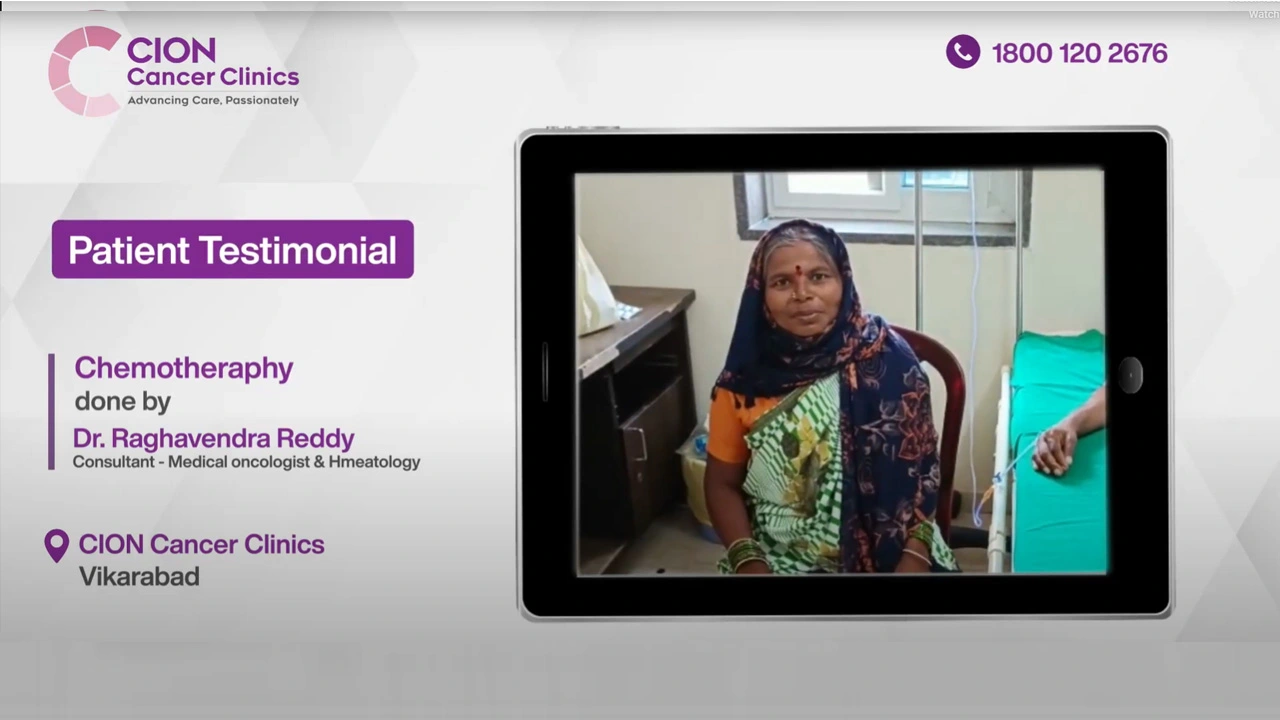
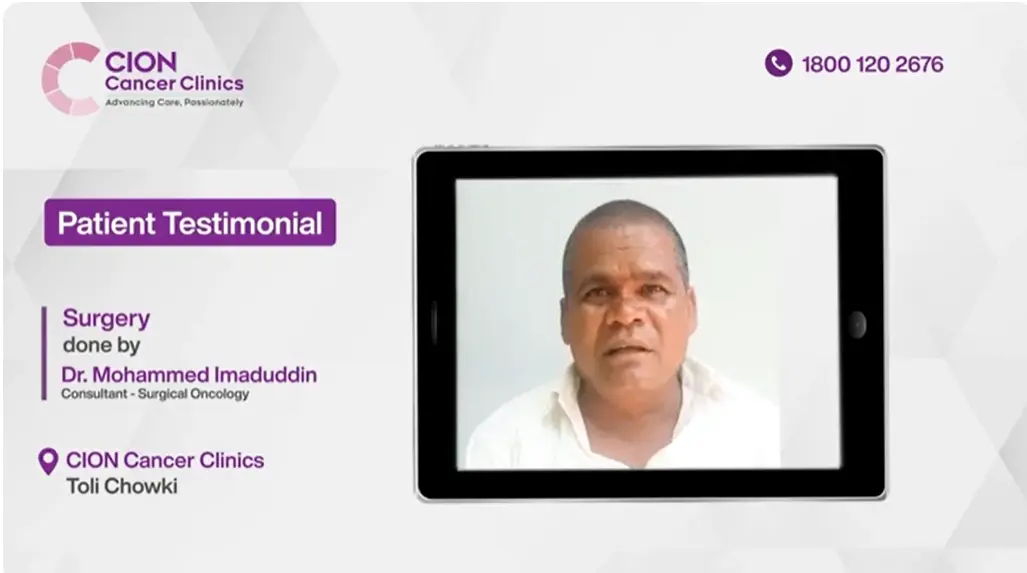
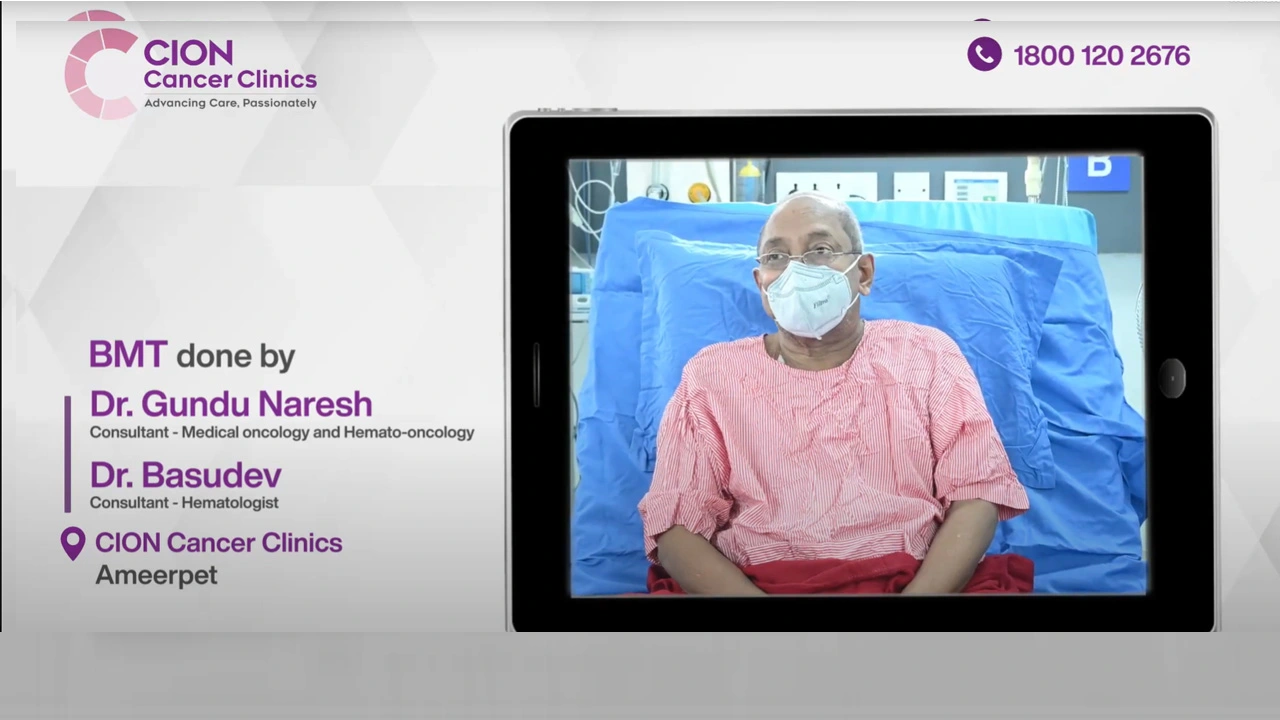
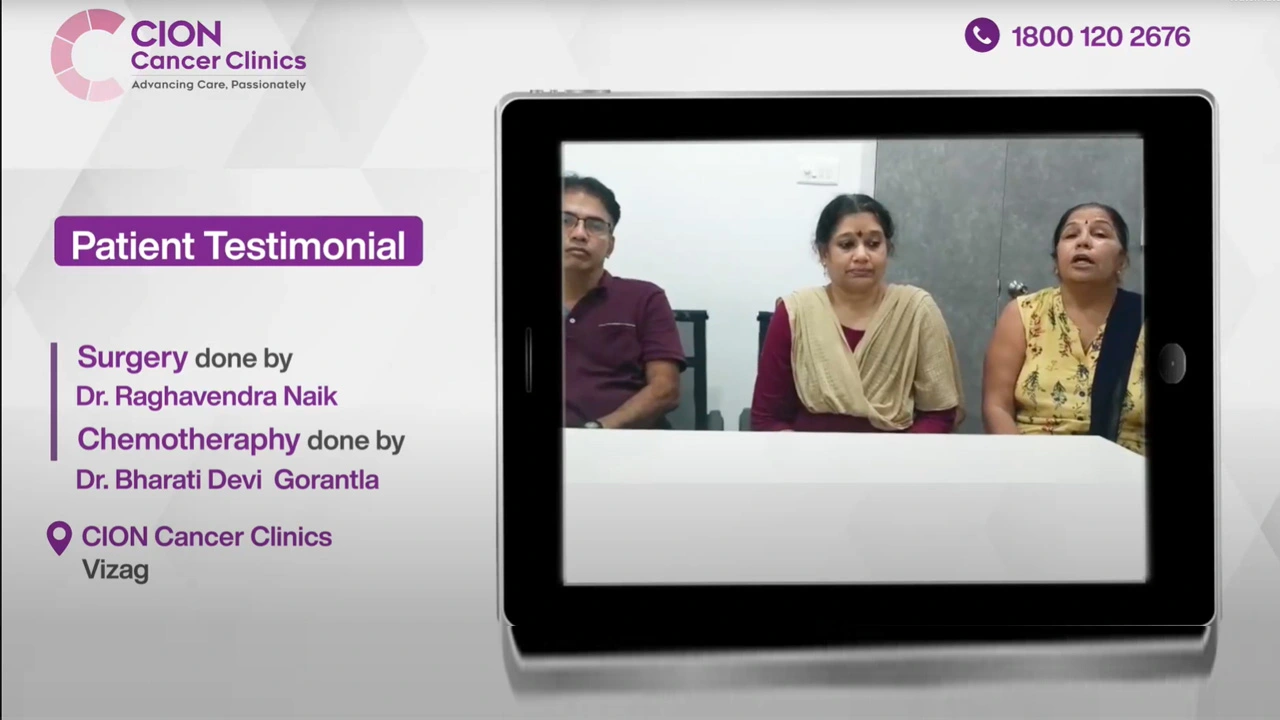
Real Stories. Real Voices.
15,000+ patients chose CION. Hear from them directly.
These aren't paid endorsements or written reviews. These are video testimonials from real patients and families — recorded on their own phones, in their own words. Pick any one. Watch it. Then decide.
4.8★800+ Google reviews
50+video testimonials
15,000+patients treated





Read all 800+ reviews on Google
Start Your Story. Book Free Consultation.
Common questions
When Immunotherapy Stops Working — Your Questions Answered
How do you know immunotherapy has stopped working?
It is judged from more than one scan, together with how you are feeling. Immunotherapy can make a tumour look temporarily larger on imaging before it responds, a pattern called pseudoprogression, so guideline bodies including ESMO and ASCO advise confirming apparent growth with a repeat scan, typically four to eight weeks later. Your oncologist weighs three things together: what the imaging shows compared with the previous scan, whether your symptoms and day-to-day function are worsening, and any relevant blood or tumour-marker trends. Confirmation is skipped only when you are clearly deteriorating and waiting would not be safe.
What are the options if immunotherapy stops working?
There are usually several, and they are not ranked against each other. Depending on your cancer type, previous treatments and current fitness, the realistic options are: switching to a different systemic treatment such as chemotherapy or a targeted therapy where one applies; treating one or two growing areas locally with radiation or surgery while continuing systemic treatment; asking whether a clinical trial exists that you might be eligible for; or choosing symptom control and quality-of-life care without further disease-directed treatment. That last option is a considered medical decision, not a withdrawal of care. Which options apply to you is a conversation for your oncologist, informed by your own goals.
How quickly do I have to decide what to do next?
In most cases you have one to three weeks, not the same day. Progression on a scan is rarely a same-day emergency, and that time is usually better spent gathering information than committing immediately. The exceptions that do need attention now are new or worsening breathlessness, a chest or abdomen filling with fluid, back pain with weakness or numbness in the legs, uncontrolled pain, or bleeding — these are managed urgently regardless of what the scan showed. A direct question worth asking your oncologist is: if we take another two weeks to decide, what changes? The answer tells you how much time you actually have.
Can immunotherapy be continued after the cancer grows?
Sometimes, and it is a real question to ask rather than assume. Where only one or two areas are growing while everything else stays stable — a pattern often called oligoprogression — some teams treat those specific spots with radiation or surgery and continue the systemic treatment. Where the change on imaging is small or ambiguous and you are feeling well, a short interval and a repeat scan may be preferred over switching. Where progression is widespread or you are becoming unwell, continuing is usually not appropriate. This is a decision for your oncologist based on your own scans, not a general rule.
Does being referred to palliative care mean treatment has stopped?
No. Palliative care is symptom and quality-of-life support that runs alongside cancer treatment, not after it. You can start a new line of systemic treatment and see a palliative care team in the same week. ASCO and WHO both describe it as a service to introduce early rather than reserve for the final weeks. In practice it covers pain, breathlessness, appetite, sleep, anxiety, family support and practical planning — the parts of the illness an oncology clinic often has the least time for. Asking for it does not signal to your team that you have given up on treatment.
Should I get a second opinion when immunotherapy stops working?
It is reasonable, and the useful moment is before the next line of treatment starts rather than after. A second opinion at progression usually reviews whether the progression is genuinely confirmed, whether repeat biomarker or biopsy testing would change the options, whether local treatment to a single growing area is worth considering, and whether the goals of the next treatment have been discussed openly. Bring the scan images and reports rather than just the summary letter, and bring the previous scan too so the change can be compared directly. A second opinion should never delay urgent symptom management.
This page is general patient-education information, not a substitute for the written guidance your own oncology team gives you based on your specific diagnosis, scans and treatment history.