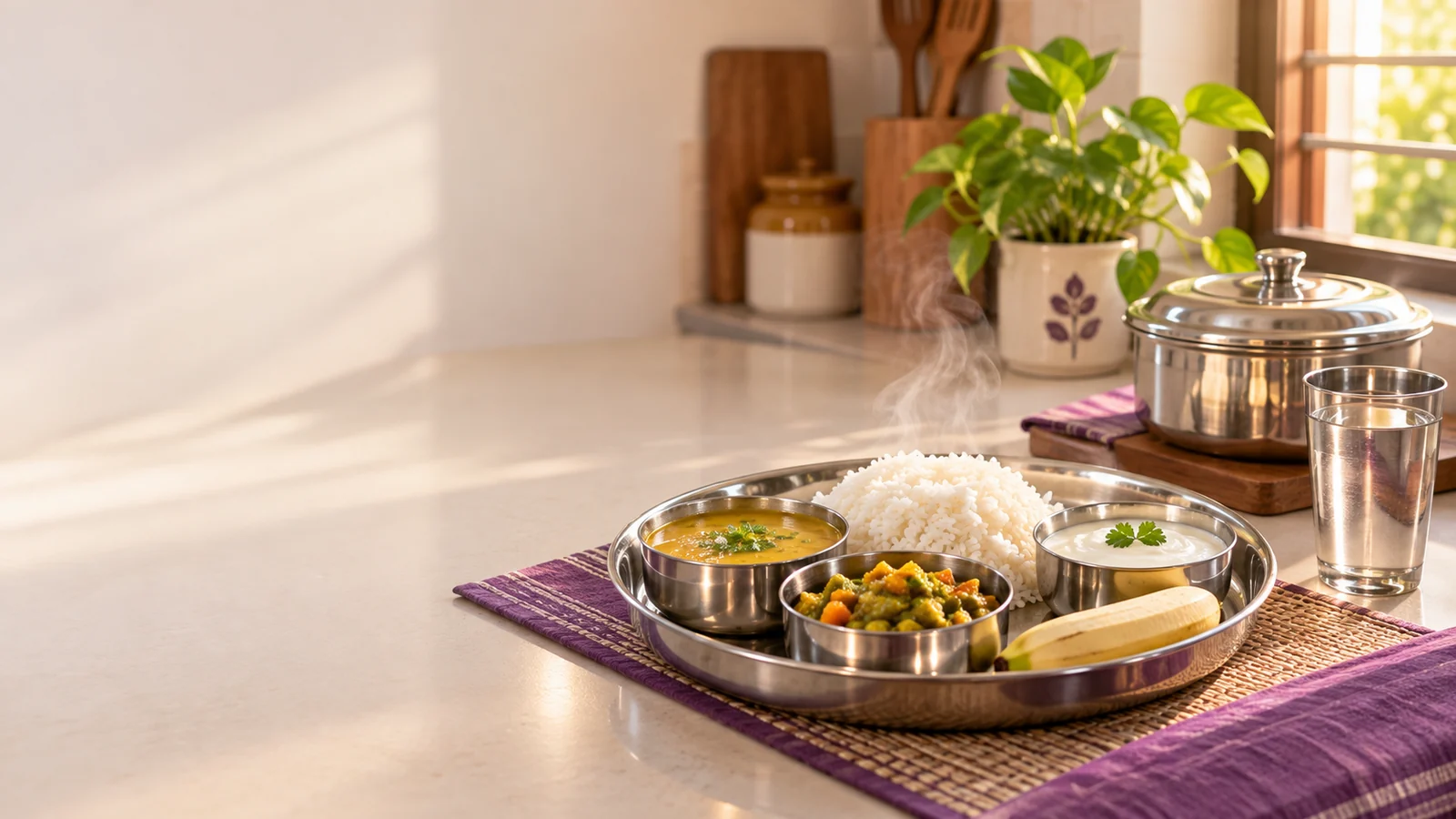
A good blood cancer diet helps you stay stronger through chemotherapy and recover faster. This guide covers what to eat, what to avoid, and how to eat safely when your immunity is low. We share simple, India-friendly choices, and we walk this journey with you.
Food will not cure blood cancer. But the right diet keeps you stronger so your body can handle treatment.
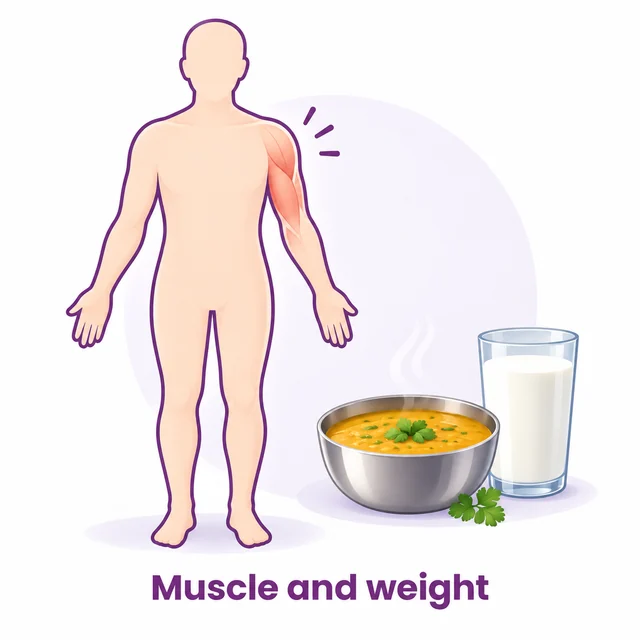
Blood cancers like leukaemia, lymphoma, and myeloma are treated with chemotherapy, targeted drugs, immunotherapy, or a transplant. These treatments work hard on your body. They can cause weight loss, low appetite, mouth sores, nausea, and weakness. A good blood cancer diet helps in clear ways:
There is no single “super-food”. A balanced plate of protein, whole grains, cooked vegetables, fruit, and enough fluids works best. Your appetite may change week to week. That is normal. Eating small amounts often is better than skipping meals. We help you adjust your diet at each stage of care.
Use this as a simple guide. Your doctor or dietician may adjust it for your counts and treatment.
| Goal | Foods to eat | Foods to limit or avoid |
|---|---|---|
| Protein for strength | Dal, paneer, well-cooked eggs, chicken, fish, soya, curd (pasteurised) | Raw or undercooked meat, eggs, or fish |
| Energy | Rice, roti, oats, poha, upma, khichdi, ghee in moderation | Very oily, deep-fried street food |
| Vitamins & fibre | Cooked vegetables, peeled fruit (banana, apple, papaya) | Unwashed salads, cut fruit from outside |
| Hydration | Boiled or filtered water, soups, coconut water, buttermilk | Untreated water, outside juices, sugary aerated drinks |
| Gut comfort | Curd/yoghurt (if advised), soft cooked foods | Very spicy or gas-forming food during mouth sores |
Always wash your hands and clean fruits and vegetables well. During low-immunity phases, avoid raw and uncooked foods completely. We explain the neutropenic diet below.
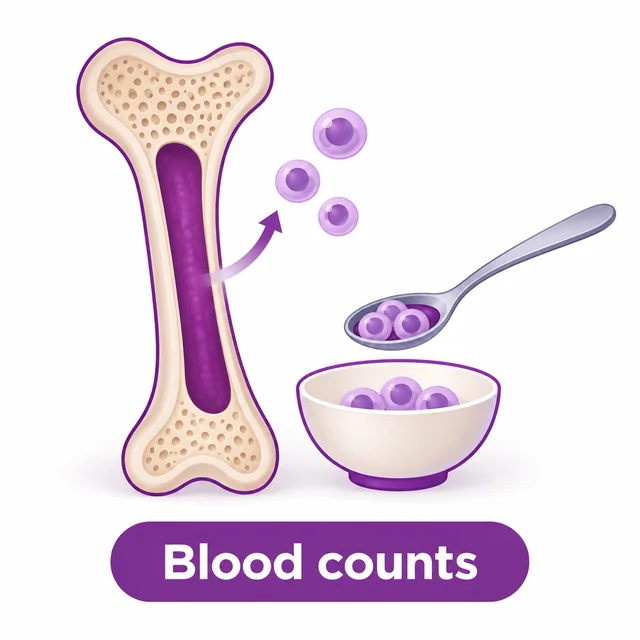
No food raises blood counts on its own. But good nutrition gives your bone marrow what it needs to recover between cycles.
When counts drop sharply, food alone cannot fix it. Your team may use medicines, growth-factor injections, or transfusions. Diet supports recovery; it does not replace treatment. Tell your doctor before taking any supplement, as some can interfere with chemotherapy.
We're never more than 30 minutes away. Same panel of specialists at every centre. Same tumour board reviews. Same NCCN protocols. Pick the closest one and call directly — or let us pick for you.
Not sure which centre fits best? Tell us where you are — we'll suggest the closest one with the right specialists.
Help me pick the right centreTravelling for treatment? We may have a centre right where you are.
Don't see your city? Call 18002028726 — we'll find your nearest CION partner centre.
Trained at AIIMS, Tata Memorial, and leading international centres. Combined 150+ years of experience. Every complex case is reviewed by 3+ of them — together.
MBBS(Gold Medal), DNB(General Medicine), DM(Medical Oncology)(Gold Medal)
MBBS, MD(General Medicine), DM(Medical Oncology)(Adyar,Chennai), ECMO, MRCP SCE(UK)
MBBS, MD (General Medicine), DrNB (Medical Oncology), ECMO, MRCP SCE (Medical Oncology) (UK)
MBBS (AIIMS), MS (Surgery) (AIIMS), DNB (Surgical Oncology), MRCS (Edinburgh)
MBBS, MS(General Surgery), M.Ch(Surgical Oncology), FMAS, FARIS(Ongoing)
MBBS, MS (General Surgery), DrNB (Surgical Oncology), FALS Oncology
Want a specific doctor for your case? Mention them when booking.
Book Free ConsultationShare your name and number — we'll call you back within 30 minutes to schedule your consultation.
Every CION patient is reviewed by a tumour board, with a 45-minute consultation and transparent costs. We walk this journey with you.
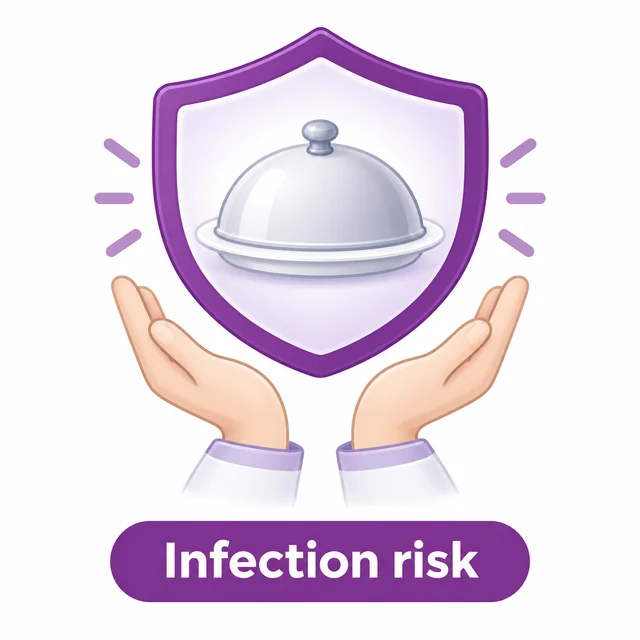
After chemotherapy, your white blood cells can fall. This is called neutropenia. During this window, food safety matters as much as nutrition, because infections are the main risk.
Follow these simple steps during low-immunity phases:
If you get a fever above 100.4°F (38°C), chills, or feel unwell during neutropenia, contact your team immediately. This can be a medical emergency. We guide every patient on exactly when to call.
Many families hear that “sugar feeds cancer” and feel afraid to eat. Let us explain gently and honestly.
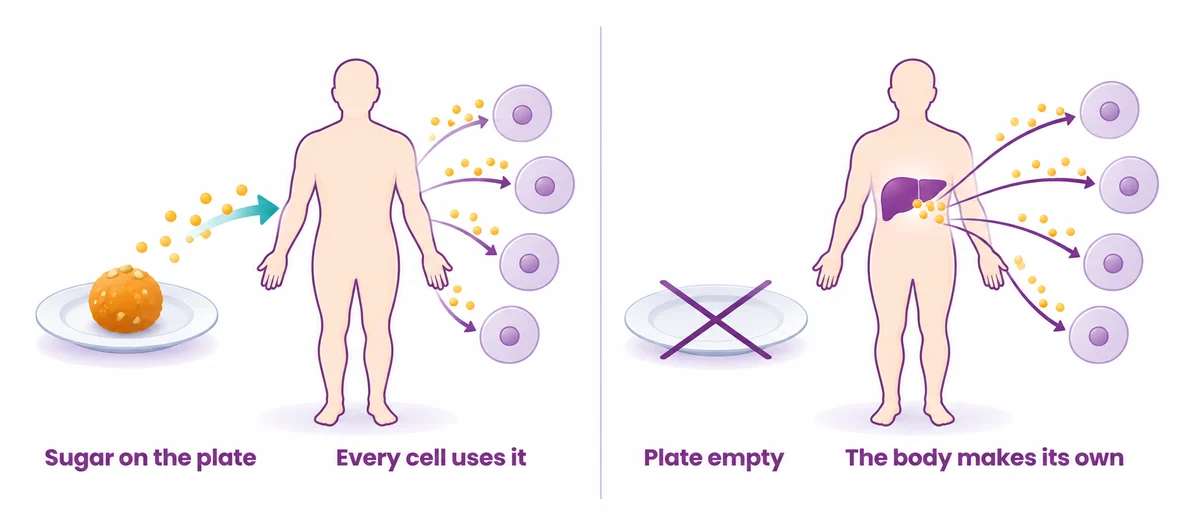
Every cell in your body uses glucose (sugar) for energy, including healthy cells. Cancer cells do use glucose, but cutting sugar from your plate does not starve the cancer. Your body simply makes the glucose it needs. There is no good evidence that a no-sugar diet treats or shrinks blood cancer.
What is true: too much added sugar and junk food can cause weight gain, poor nutrition, and blood-sugar swings, which do not help during treatment. So the sensible advice is balance, not fear.
No food or diet can “cure” blood cancer, and no food makes it grow faster on its own. Focus on eating enough to stay strong. That is what truly helps you through treatment.
Gentle movement and good habits help energy, mood, and recovery. Always check with your doctor first, especially when counts are low.
Short walks, light stretching, and slow yoga can reduce fatigue and improve sleep. Start small. Rest when tired. Stop if you feel dizzy or breathless.
Your body heals during rest. Aim for regular sleep. Naps are fine on hard days.
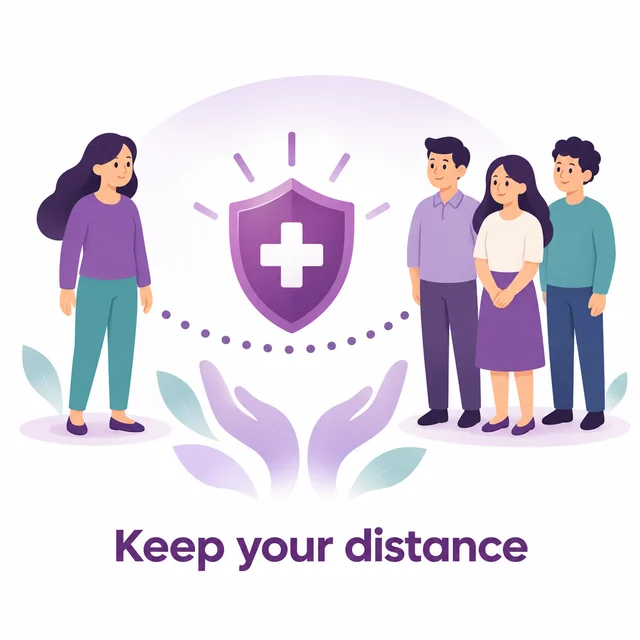
Stay away from crowded places and sick people during low counts. Wash hands often.
Both slow healing and can interact with treatment. This is the right time to stop.
Anxiety is normal. Talk to family, a counsellor, or your care team. You do not have to carry this alone, and we walk this journey with you.
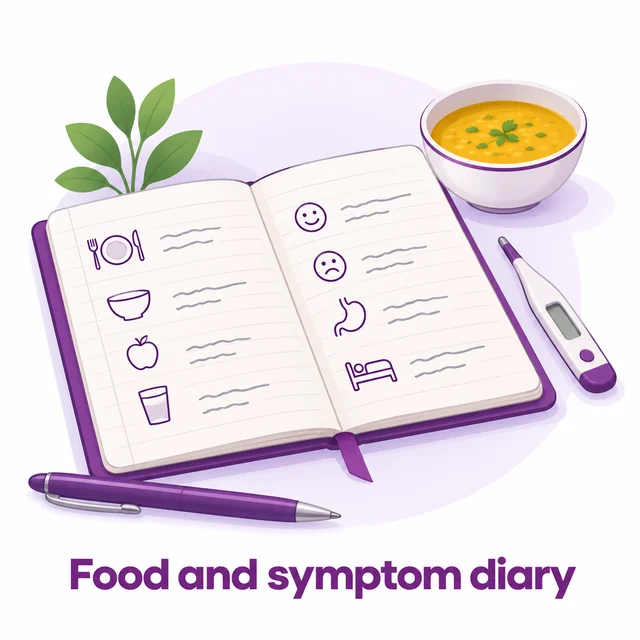
Keep a simple food and symptom diary. It helps the doctor adjust diet and medicines at each visit.
According to NCCN supportive-care guidance, good nutrition and food safety during chemotherapy can lower the risk of treatment delays and infections. Patients who maintain weight and protein intake often tolerate treatment better. This is why every CION patient gets diet guidance built into their care plan, not as an afterthought.
Hear from patients and caregivers who managed blood cancer treatment in Hyderabad, nutrition, and recovery with a team that listened.
These aren't paid endorsements or written reviews. These are video testimonials from real patients and families — recorded on their own phones, in their own words. Pick any one. Watch it. Then decide.
Read all 800+ reviews on Google
Start Your Story. Book Free Consultation.There is no single best diet, but a balanced one works best. Aim for protein at every meal, such as dal, paneer, eggs, chicken, or fish. Add whole grains like rice, roti, and oats for energy. Include cooked vegetables and peeled fruit for vitamins. Drink enough boiled or filtered water. Eat small meals often if your appetite is low. During low-immunity phases, follow neutropenic food-safety rules and avoid raw foods. Your needs change with each treatment cycle, so ask your doctor or dietician to adjust the plan. No food cures blood cancer, but good nutrition helps you stay strong enough to complete treatment.
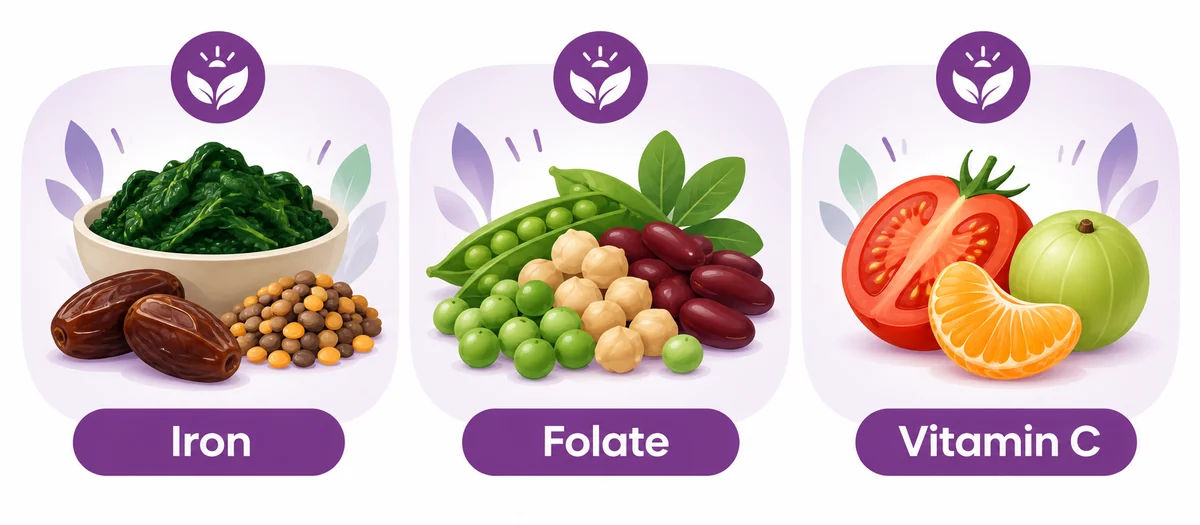
No food directly raises platelets, but good nutrition supports your bone marrow's recovery between cycles. Iron-rich foods such as cooked spinach, beetroot, dates, and pulses help. Folate-rich foods like spinach, beans, and peas are useful. Vitamin C foods, such as cooked tomato or peeled citrus, help your body absorb iron. Stay hydrated and eat enough protein. Be honest with yourself, though: when platelets fall sharply, diet alone cannot fix it. Your doctor may use medicines or a platelet transfusion. Diet supports recovery; it does not replace medical treatment. Always tell your team before taking any supplement, as some can interfere with your therapy.
Avoid foods that raise infection risk, especially when your immunity is low. Skip raw or undercooked meat, eggs, and fish. Avoid raw salads, sprouts, and unwashed fruits or vegetables. Do not eat cut fruit, juices, or street food from outside. Avoid unpasteurised milk and raw cheese. Stay away from untreated water and ice from unknown sources. Limit very oily, deep-fried, and heavily spiced foods, especially if you have mouth sores or nausea. Also limit excess sweets and sugary drinks, though you do not need to ban them. When in doubt, choose freshly cooked, hot, home-prepared meals. Your care team can give a list suited to your treatment stage.
This is a common worry, and the honest answer is reassuring. Every cell in your body uses glucose for energy, including healthy cells. Cancer cells do use sugar, but cutting sugar from your plate does not starve them, because your body makes the glucose it needs anyway. There is no good evidence that a no-sugar diet treats or shrinks blood cancer. What matters is balance. Too much added sugar and junk food can cause weight gain and poor nutrition, which do not help. Enjoy normal home food, limit sweets and sugary drinks, and do not live in fear of every grain of sugar. Focus on eating enough to stay strong.
A neutropenic diet is a food-safety plan for times when your white blood cells are very low after chemotherapy. During this window, infections are the biggest risk, so safe eating matters as much as nutrition. The main rules are simple: eat only freshly cooked, hot food; avoid all raw items like salads, sprouts, and runny eggs; peel fruit yourself after washing; drink boiled or filtered water; use pasteurised dairy; and avoid street food and buffets. Keep your kitchen and hands clean. Your team will tell you exactly when to start and stop this diet, based on your blood counts. If you develop fever during this time, contact your doctor immediately.
Yes, gentle exercise usually helps, but check with your doctor first, especially when your counts are low. Short walks, light stretching, and slow yoga can reduce fatigue, improve sleep, and lift your mood. Start small and rest when you feel tired. Stop if you feel dizzy, breathless, or have chest pain. During severe neutropenia or very low platelets, your team may advise you to limit activity and avoid crowds to lower infection and bleeding risk. Avoid heavy lifting or intense workouts unless cleared. The goal is gentle, regular movement, not pushing your limits. Listen to your body, and let your care team guide what is safe at each stage.
These side effects are common and manageable. When appetite is low, eat small amounts often instead of three big meals. Choose soft, bland, easy foods like khichdi, curd rice, dalia, banana, or soup. For nausea, eat slowly, try cool or room-temperature foods, and sip ginger or plain water. Eat in a calm setting. For mouth sores, avoid spicy, acidic, salty, or very hot foods. Soft, cool foods like curd, mashed potato, and smoothies are gentler. Keep hydrated through the day. If you cannot eat or drink for a day, or are losing weight fast, tell your team. We can adjust your diet, prescribe medicines, or involve a dietician.
Sometimes they help, but always ask your doctor before starting any supplement or health drink. If you struggle to eat enough, a protein supplement can help maintain weight and muscle. However, not all are suitable, and some herbal or high-dose vitamin products can interfere with chemotherapy or affect your liver and kidneys. Be especially careful with antioxidant megadoses and unproven herbal cures, as these can be harmful. Whole foods like dal, eggs, paneer, and curd are usually the safest source of protein. Bring any supplement you are taking to your appointment so your team can check it. At CION, we plan nutrition as part of your care, with no unnecessary or unsafe additions.
Yes, after a transplant your immunity is very low for a longer period, so strict food safety is essential. You will usually follow a neutropenic, low-microbial diet for several weeks to months, as advised by your transplant team. This means only freshly cooked, hot food, no raw items, peeled fruit, boiled or filtered water, and pasteurised dairy. Avoid street food, buffets, and outside cut fruit completely. Hygiene in the kitchen is critical. As your counts recover, your team will gradually relax these rules. Every transplant programme has its own specific guidance, so follow the exact instructions your doctors and dietician give you, and ask before adding any new food.
At CION, diet guidance is built into your treatment plan, not left to chance. Every patient is reviewed by a tumour board, and you get a 45-minute consultation where we explain your treatment and how to eat well through it. Our team gives clear, India-friendly diet advice for each stage, including safe-eating rules for low-immunity phases. We make decisions for healing, not billing, with transparent costs and no unnecessary tests. With 17 super-specialist oncologists and 150+ years of combined experience across 35+ centres in Telangana and Andhra Pradesh, your care is led by a team. If you have diet worries, book a free consultation and we will walk this journey with you.