
Immunotherapy medicines · cost comparison
Being offered one immunotherapy drug while wondering why not another, cheaper-sounding one, is one of the most common questions families ask after a diagnosis.
This page puts every checkpoint inhibitor currently approved and marketed in India into one dated table — reported per-vial and per-cycle cost, side by side — so you can see the real spread before you speak to your treating hospital’s billing desk.
Every medicine compared on this page is a prescription-only injectable immunotherapy, given only under an oncologist’s supervision as part of a wider treatment plan — none is available without a prescription, and none can be selected on cost alone. Nothing on this page is a recommendation to use any of these medicines. Which ones are even valid options for you depends on your exact cancer type, stage and biomarker results.
Reported cost, August 2026
Reported per-vial costs range roughly from ₹18,000 for the nivolumab biosimilar to over ₹3,00,000 for ipilimumab, as of August 2026. Per-cycle cost depends on vial strength, whether dosing is by body weight or a flat dose, and how many vials one dose needs. The table below sets every checkpoint inhibitor approved and marketed in India side by side.
₹75,000–₹95,000 per 100 mg vial
Nivolumab (PD-1) · Opdyta · Originator
Every figure here is read straight off the table below. These are reported market ranges, not CION’s rates, and nothing here is a suggestion that one medicine can be swapped for another.
| Medicine and brand | Typical vial | Reported cost / vial | Reported cost / cycle | Typical course length |
|---|---|---|---|---|
| Nivolumab PD-1 Opdyta · Originator | 100 mg | ₹75,000–₹95,000 | ₹1,50,000–₹2,80,000 | Often 1–2 years if responding |
| Nivolumab PD-1 Tishtha · Biosimilar | 100 mg | ₹18,000–₹24,000 | ₹35,000–₹70,000 | Same course length, oncologist-decided |
| Pembrolizumab PD-1 Keytruda · Originator, no Indian biosimilar yet | 100 mg | ₹1,45,000–₹1,90,000 | ₹1,45,000–₹1,90,000 | Up to about 2 years or 35 cycles in some approved uses |
| Atezolizumab PD-L1 Tecentriq · Originator | 1200 mg | ₹1,10,000–₹1,40,000 | ₹1,10,000–₹1,40,000 | Protocol-dependent, often 12+ months |
| Durvalumab PD-L1 Imfinzi · Originator | 500 mg | ₹95,000–₹1,25,000 | ₹95,000–₹1,25,000 | Up to 12 months in stage-3 lung consolidation |
| Ipilimumab CTLA-4 Yervoy · Originator | 200 mg | ₹2,60,000–₹3,20,000 | ₹2,60,000–₹3,20,000 | Typically capped at 4 doses, often combined |
Reported ranges as of August 2026, compiled from published Indian hospital and pharmacy price-list reporting and pharmaceutical trade press — not a CION price list. Confirm the exact figure with your treating hospital’s billing desk before budgeting.
Cemiplimab, avelumab, tislelizumab and newer PD-1 medicines such as toripalimab and sintilimab are used in some other countries; their India availability and published pricing are limited or unconfirmed as of August 2026, so they are left out of the table above rather than estimated.
Your protocol, priced
The table above is the market. Send us the prescription and we will come back with CION’s own figure for that exact protocol, and tell you how it sits against the range you have just read.
If you are already holding a quote from elsewhere, send that too: our oncology team will tell you what it covers, what is bundled into it and what would be billed separately — at no cost, with no commitment.
Cycles, not vials
Full-course cost is the per-cycle figure multiplied by however many cycles your protocol runs, and cycle count — not just per-vial price — is what actually drives the total. A biosimilar nivolumab course of 12–24 cycles works out to a reported ₹4–17 lakh. A similar-length Keytruda course can run several times higher, both because its per-cycle cost is higher and because no Indian biosimilar exists yet to bring it down. Ipilimumab is typically capped at four doses, so despite the highest per-vial cost in the table, its full course often lands in a narrower total band than a year of a cheaper drug given continuously.
These are illustrative multiplications built from the table above, not quotes for any individual patient — actual cycle count depends on cancer type, stage, response and your oncologist’s protocol, and can stop earlier or run longer than any general figure suggests.
Your own estimate
Tell us which medicine your oncologist has proposed and we will come back with the lowest cost CION can do that exact treatment for — the drug, the day-care charge and the monitoring bloodwork itemised separately, so you can hold it against the quote you already have and compare like with like.
Whether one exists for the molecule you have been prescribed. Where it does, the same protocol can run at a fraction of the originator’s cost. Where it does not, we say so rather than quoting a number the market cannot deliver.
Whether your policy, or a scheme such as Aarogyasri, applies to the protocol proposed and to the day-care admission it is given under — and what ceiling or sub-limit comes with it. We help you get that in writing before treatment starts, not after.
Several manufacturers run patient-assistance programmes for their own medicines, each with its own eligibility rules and paperwork. We check whether one applies to yours and what it would take to qualify.
All three can move the final figure. None of them changes the medicine your oncologist has prescribed.
Send the prescription, the quote you are already holding, or both.
A written estimate comes back with all three checks answered and the CION figure itemised the same way a hospital quote is — drug, day-care charge and monitoring bloodwork on separate lines — so you can compare it line for line rather than headline against headline.
Read this before you read the table
This page is for patients and caregivers, especially families weighing a large treatment cost against limited savings or insurance, who want to see reported pricing across every approved immunotherapy medicine in one place before a hospital conversation, rather than piecing it together from scattered forum posts.
Only your treating oncology team can confirm what applies to your case.
Comparing two quotes
The same molecule can be quoted very differently across hospitals for reasons that have nothing to do with the medicine itself.
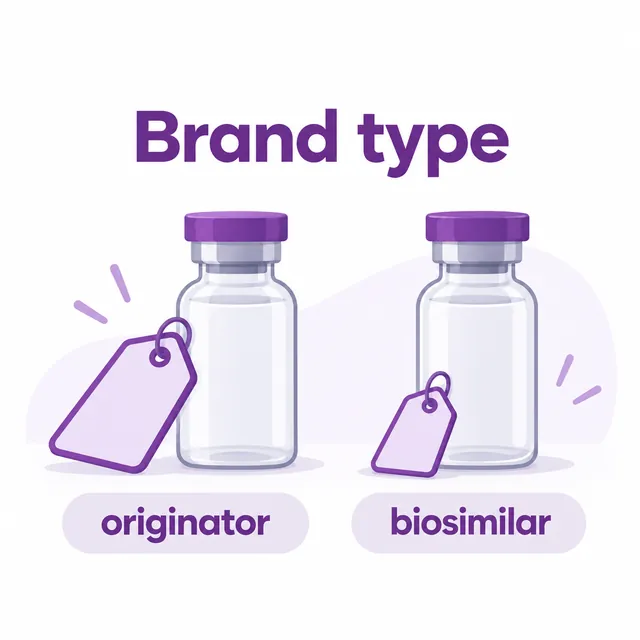
An originator versus a biosimilar brand changes the base price.
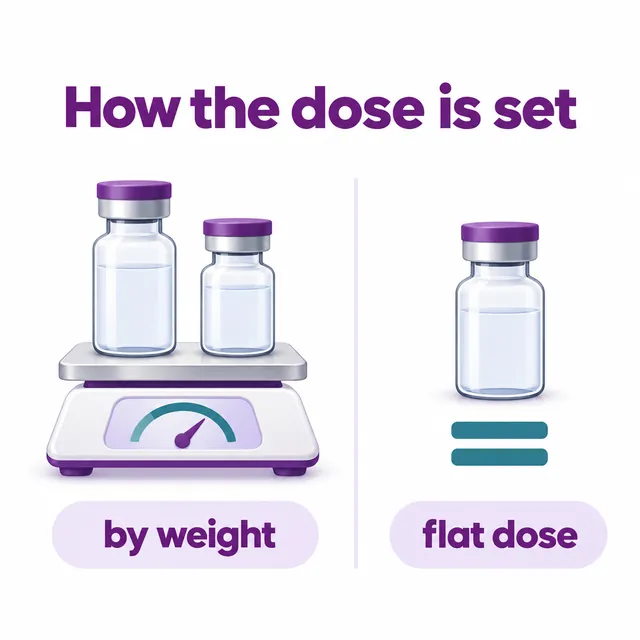
A dose calculated by body weight versus a flat dose changes how many vials one cycle needs.
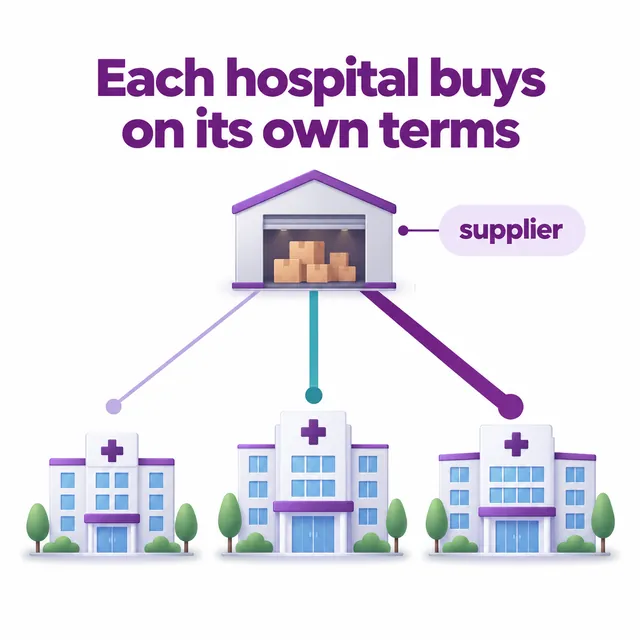
Each hospital’s negotiated procurement rate with the manufacturer or distributor shifts the number again.

Day-care admission, nursing time, monitoring bloodwork and pre-treatment scans are sometimes folded into a quote and sometimes billed separately, which is why two per-cycle figures from two hospitals are not always comparing the same thing.
Ask any hospital for an itemised quote — drug cost, day-care charge, monitoring tests — rather than a single bundled number, so you can compare it fairly against the ranges in the table above.
Before you take it to the insurer
Drug cost, day-care charge, monitoring tests, listed separately. Send us what you get back and we will tell you whether two hospitals are quoting for the same thing.
Coverage
Coverage varies by scheme, by hospital empanelment, and by the specific protocol prescribed — there is no single answer that applies to every patient. Where a government scheme such as Aarogyasri sets a ceiling for a given protocol, that ceiling does not automatically stretch to cover a full course of a higher-cost originator medicine like pembrolizumab or ipilimumab. Private insurance policies also differ on sub-limits for injectable oncology drugs, and cashless approval can take longer for newer immunotherapy protocols than for standard chemotherapy.
Never assume full coverage from a general comparison like this one. Take the specific drug and protocol your oncologist has proposed to your insurer or the scheme desk directly, and get the applicable ceiling or sub-limit in writing before treatment starts.
Send the prescription or the quote you are holding. We will come back with CION’s lowest cost for that exact medicine and protocol, itemised line by line.
What changes next
Not immediately, on current information — nivolumab is the only molecule in this table with an approved Indian biosimilar as of August 2026. Pembrolizumab’s patent protection is not expected to begin lapsing in India until around 2028–29, so its cost picture has not moved the way nivolumab’s has since Tishtha’s January 2026 launch. Atezolizumab, durvalumab and ipilimumab currently have no announced Indian biosimilar timeline either.
As genuine biosimilars enter the market ahead of patent expiry on some products, counterfeit checkpoint inhibitors have also been reported reaching Indian patients chasing a lower price. Sourcing any of these medicines only through a licensed hospital pharmacy with documented cold-chain handling is a patient-safety matter, not just a cost-saving one.
Keep reading
No commitment
A free 45-minute consultation and a free written second opinion on any prescription, quote, scan or report you already have. We will not tell you which medicine to ask for — that is your oncologist’s call — but we will make sure you understand what you have been given.
Medical disclaimer. Costs shown are reported market ranges compiled from published Indian hospital and pharmacy price-list reporting, dated August 2026. They are not a CION price list and not a quotation. Every medicine named is prescription-only and is given under an oncologist’s supervision. This content is for information only and does not constitute medical advice, diagnosis or treatment, and nothing here is a recommendation to use any particular medicine. Always consult a qualified oncologist for guidance specific to your situation.