 Call Us
In this article (5 sections)
Appendix cancer treatment approaches pivot on the cancer's stage—whether it's localized to the appendix or has advanced to distant sites.
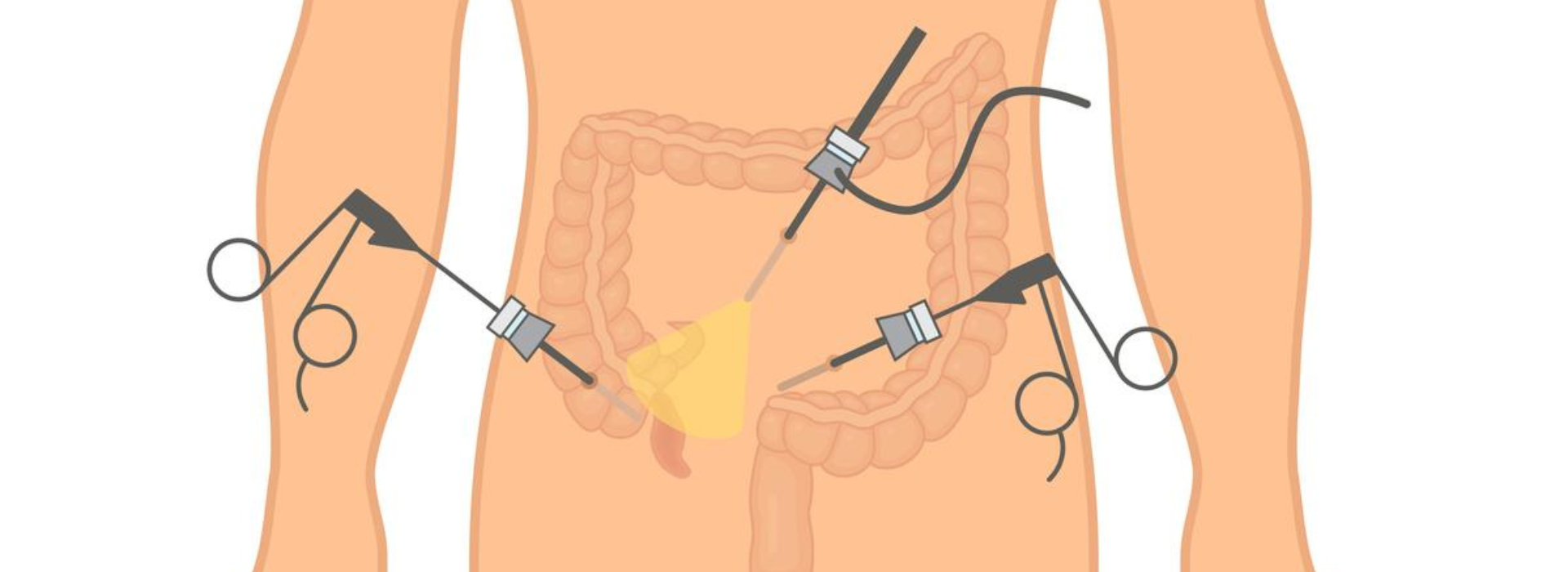
Surgical Interventions:
Appendectomy
A surgical procedure that removes the appendix.
Hemicolectomy
When cancer infiltrates nearby areas, the surgical oncologist excises the appendix and adjacent colon section. This curtails cancer spread.
Cytoreductive Surgery (Debulking)
This procedure eradicates cancer cells and fluid, alleviating symptoms. Termed debulking, it targets cancer spread in other abdominal region.
Peritonectomy
If cancer surpasses the colon, the peritoneum (abdominal lining ) is surgically removed.
Chemotherapy
Chemical drugs are used to systematically destroy cancer cells, both within the appendix and neighboring tissues.
HIPEC (Hyperthermic Intraperitoneal Chemotherapy)
In a modified chemotherapy approach, heated chemotherapeutic drugs are circulated within the abdominal cavity during surgery. This elevated temperature enhances drug efficacy, ensuring more comprehensive cancer cell elimination. This procedure is concealed during surgery to diminish recurrence risk.
Surgical interventions target specific sites, chemotherapy tackles a broader presence, and HIPEC introduces a heat-amplified solution. The treatment option depends on the extent of cancer, underscoring the value of tailored strategies in effectively combating appendix cancer.
If you have any uncertainties or seek a better understanding of appendiceal cancer, we invite you to reach out to CION Cancer Clinics. Our team is here to assist you. Feel free to contact us at 1800 120 2676, or you can conveniently fill out the form through the provided link.
This article is for general education and does not replace advice from your doctor. Every cancer is different — please speak to an oncologist about your own diagnosis and treatment.



 18002028726



 Call us