 Call Us

Psycho-oncologist
Dr. Mahati Chittem
PhD (Health Psychology), University of Sheffield, England
A psychologist who specialises in cancer care.
- Psycho-oncology, health psychology and medical psychology
- Works alongside your cancer specialists
CION’s psycho-oncology team helps you and your family cope with the worry, sadness, fear and stress that cancer can bring.


 Psycho-oncologist + 18 cancer specialists

A quick, private check-in. Choose a number, and we’ll suggest a next step.
Worry, sadness, anger and fear are normal reactions to cancer. Nearly half of people with cancer report having a lot of distress. Source: NCI PDQ
Quick check
Takes a minute
If you chose 4 or more, or you’ve felt low or worried most days for 2 weeks or more, talking to CION’s psycho-oncology team can help. If not, the tips below may help.
Feeling unsafe right now? Call 1800 202 8726, any time.
Your answers stay on this page.
Sources: NCI · NCI PDQ · ACS · Macmillan · the 0–10 check: ACS; 4 or more as a prompt to talk: the NCCN Distress Management guideline
CION guide: Counselling in Telugu, in Hyderabad
You’ll talk toDr. Mahati ChittemPsycho-oncologist · PhD (Health Psychology)
These are common. Talk to us any time, or open one to see what helps.
Many people feel numb, or can’t take the news in at first. It’s a normal way of coping with big news.
What helps
Take it one step at a time. Write down your questions, take someone with you to appointments, and ask your doctor to explain anything you don’t understand.
Talk to us if you still feel numb or unable to take things in after 2 weeks, or it’s hard to decide about treatment.
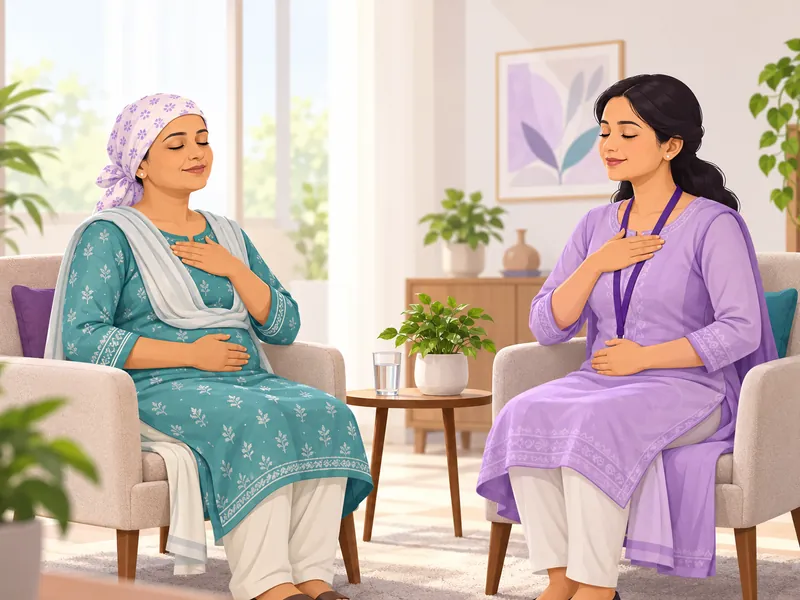
Worry is common before tests, while waiting for results and during treatment. It can bring a racing heart, poor sleep or trouble concentrating.
What helps
Try slow breathing: breathe in gently, then breathe out slowly for a few minutes. Get the facts from your team rather than stories, and keep doing small things you enjoy, such as music or a short walk.
Talk to us if worry stops you sleeping, eating or getting through the day, or it’s there most days for more than 2 weeks. Tell your doctor about a racing heart or other body changes too, as treatment can cause them.
Feeling sad about the changes cancer brings is common, and it can come even after treatment ends.
What helps
Let yourself have sad days. Keep a simple daily routine, get some daylight and gentle activity, and tell someone close how you really feel.
Talk to us if you feel low or lose interest in things most days for more than 2 weeks, or you feel hopeless. If you ever think about harming yourself, call 1800 202 8726 now.
It’s normal to ask “Why me?” and to feel angry, even with the people you love.
What helps
You don’t have to pretend everything is okay. Anger often hides fear or feeling helpless, so try to name it and talk it through. A walk or some quiet time can help it pass.
Talk to us if anger stays with you most days for more than 2 weeks, or it’s hurting your relationships.
Many people worry about this after treatment, especially around check-ups and scans.
What helps
Focus on what you can control: keep your follow-ups, keep a routine and make plans. Ask your team which changes to report, rather than worrying about every ache alone.
Talk to us if the fear fills most of your days, or stops you planning ahead, for more than 2 weeks.
You can feel alone even with family around, and after treatment ends, when the visits stop.
What helps
Tell one person you trust how you really feel. Let friends know what would help, such as a call or a visit, and make time for people or your faith community if that helps you.
Talk to us if you feel cut off from everyone most days for more than 2 weeks.
Many people feel guilty: about worrying their family, being a burden, missing work, the cost of care, or habits they think caused the cancer.
What helps
Blaming yourself doesn’t help, and your thoughts and feelings didn’t cause your cancer. Let people help you, as it often helps them too, and focus on today rather than on what you could have done.
Talk to us if guilt or feeling like a burden weighs on you most days, or lasts more than 2 weeks. If you ever think about harming yourself, call 1800 202 8726 now.
Hair loss, scars, weight changes or a stoma can change how you feel about your body, about being seen, or about being close to your partner.
What helps
Give yourself time to adjust. Talk to your partner or someone close about how you feel, and try new ways to feel like yourself, such as a scarf, a new hairstyle or clothes that feel comfortable.
Talk to us if you avoid going out or seeing people because of how you look, for more than 2 weeks.
Feeling several of these? Talking it through with CION’s psycho-oncology team can help.
Book a counselling sessionSources: NCI · NCI PDQ · NCI · Macmillan · ACS
CION guide: Fear of cancer coming back after treatment
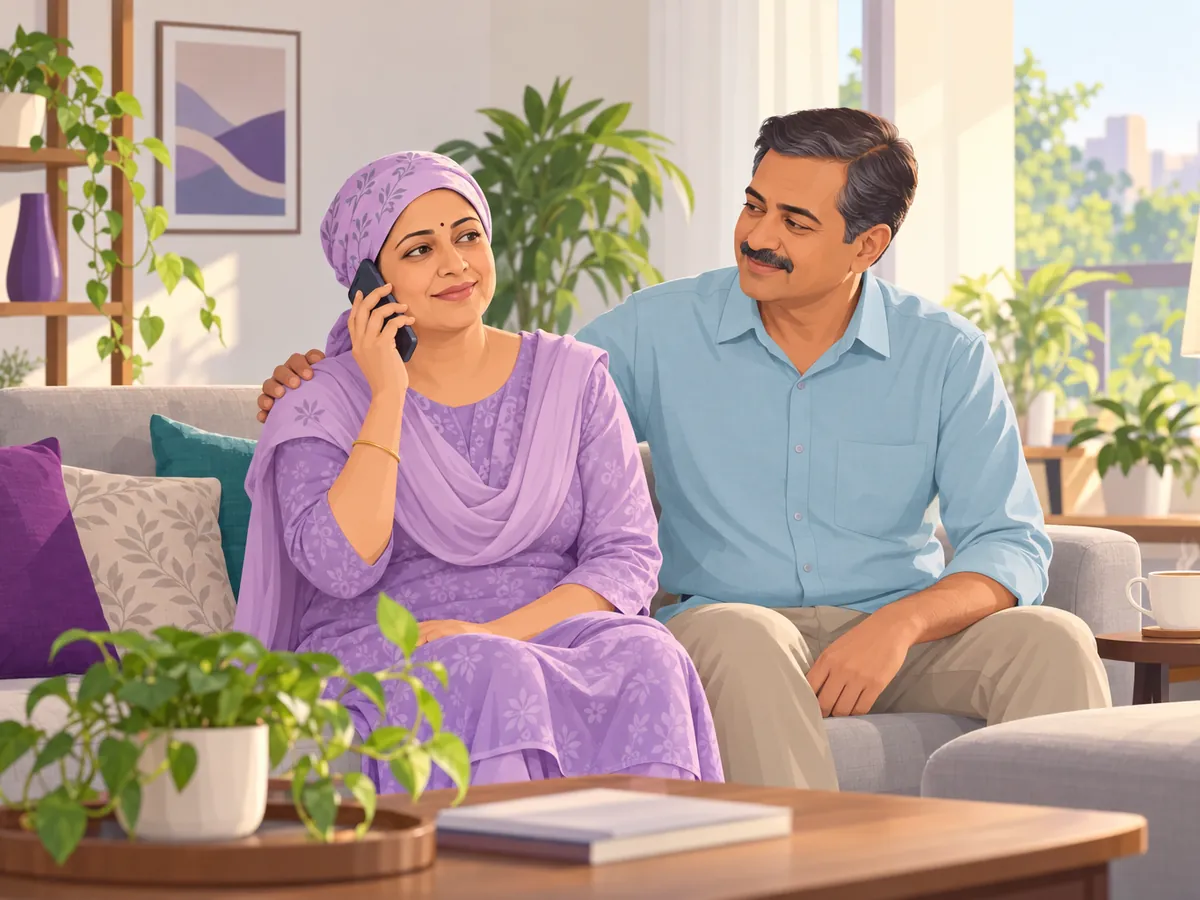
Call us, use the form below, or ask your oncologist or nurse at your next visit.
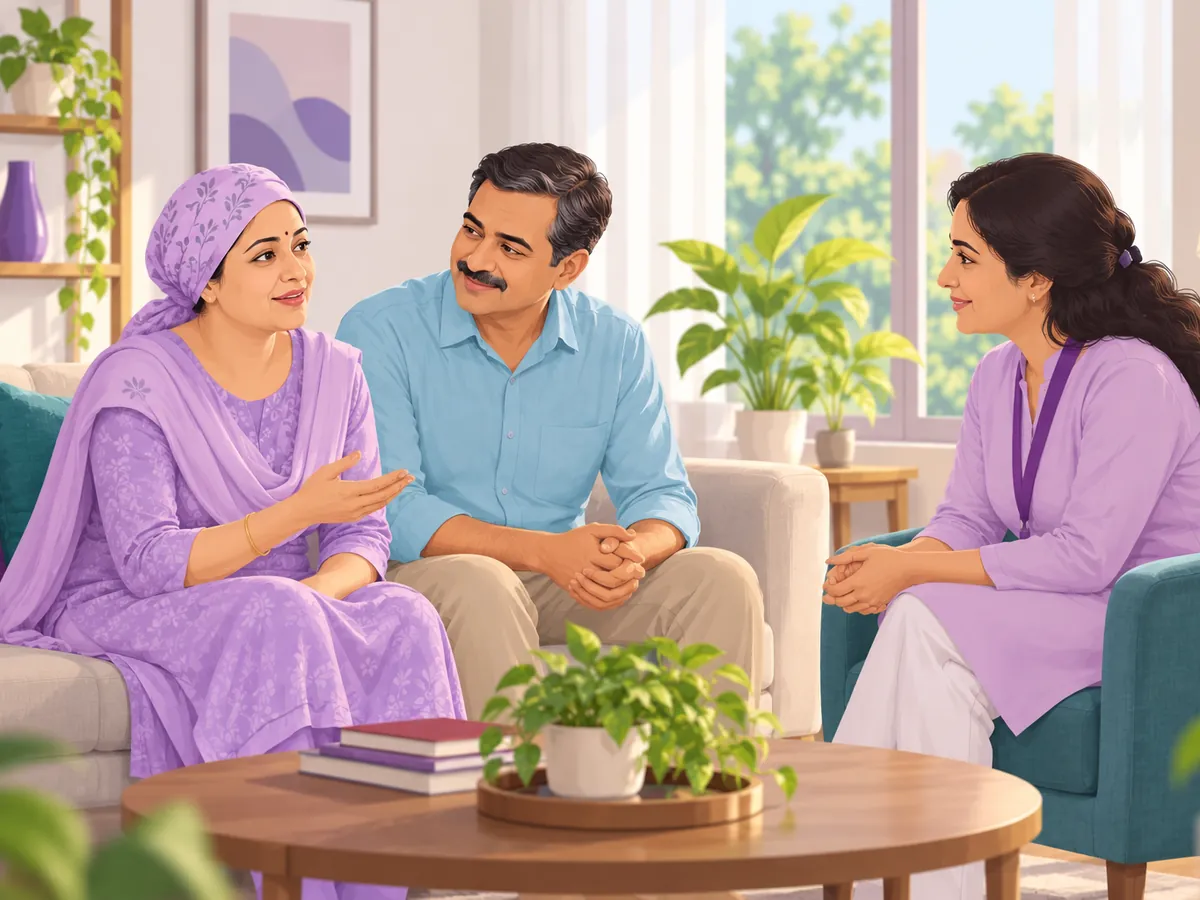
Talk about what’s worrying you, at your own pace. Family can join if you wish.
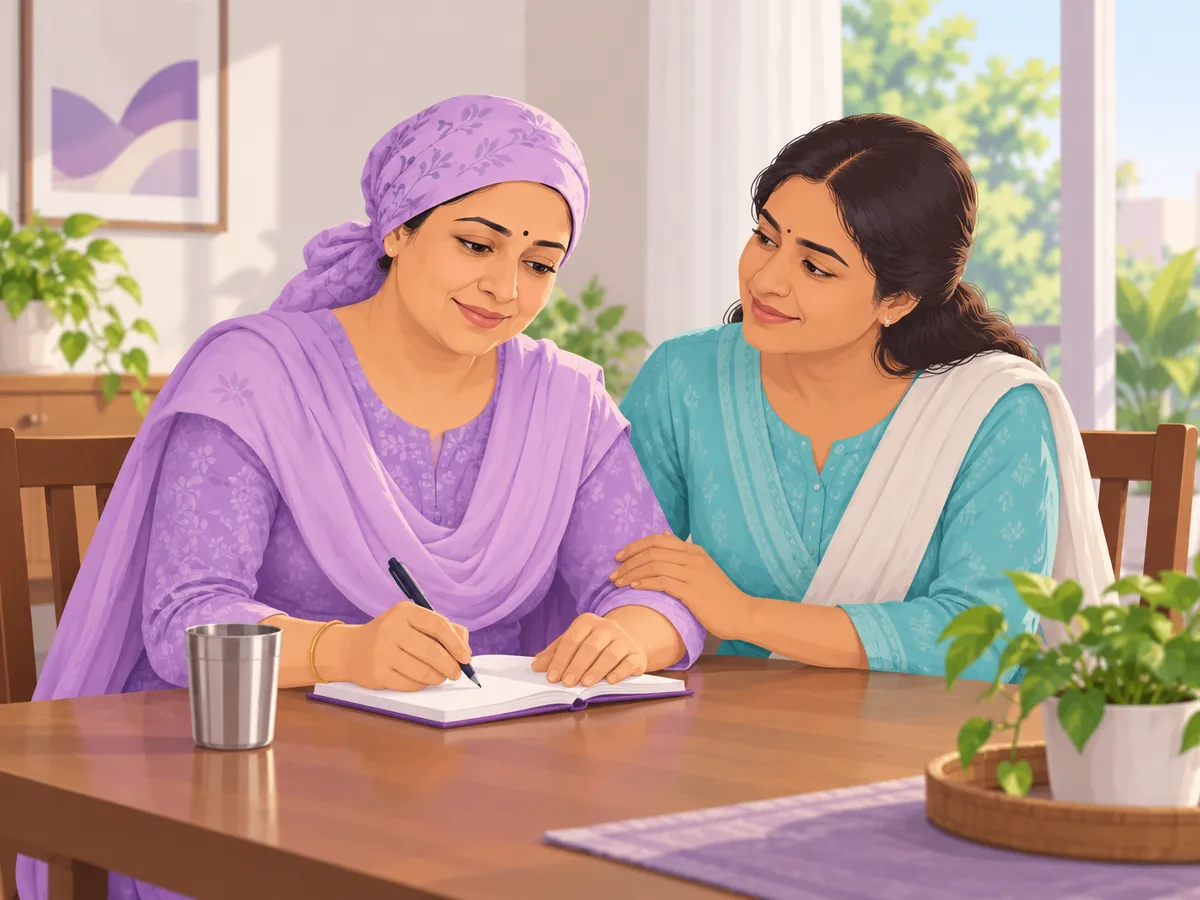

Together you agree what will help: one-to-one counselling, family sessions, relaxation, or a mix.
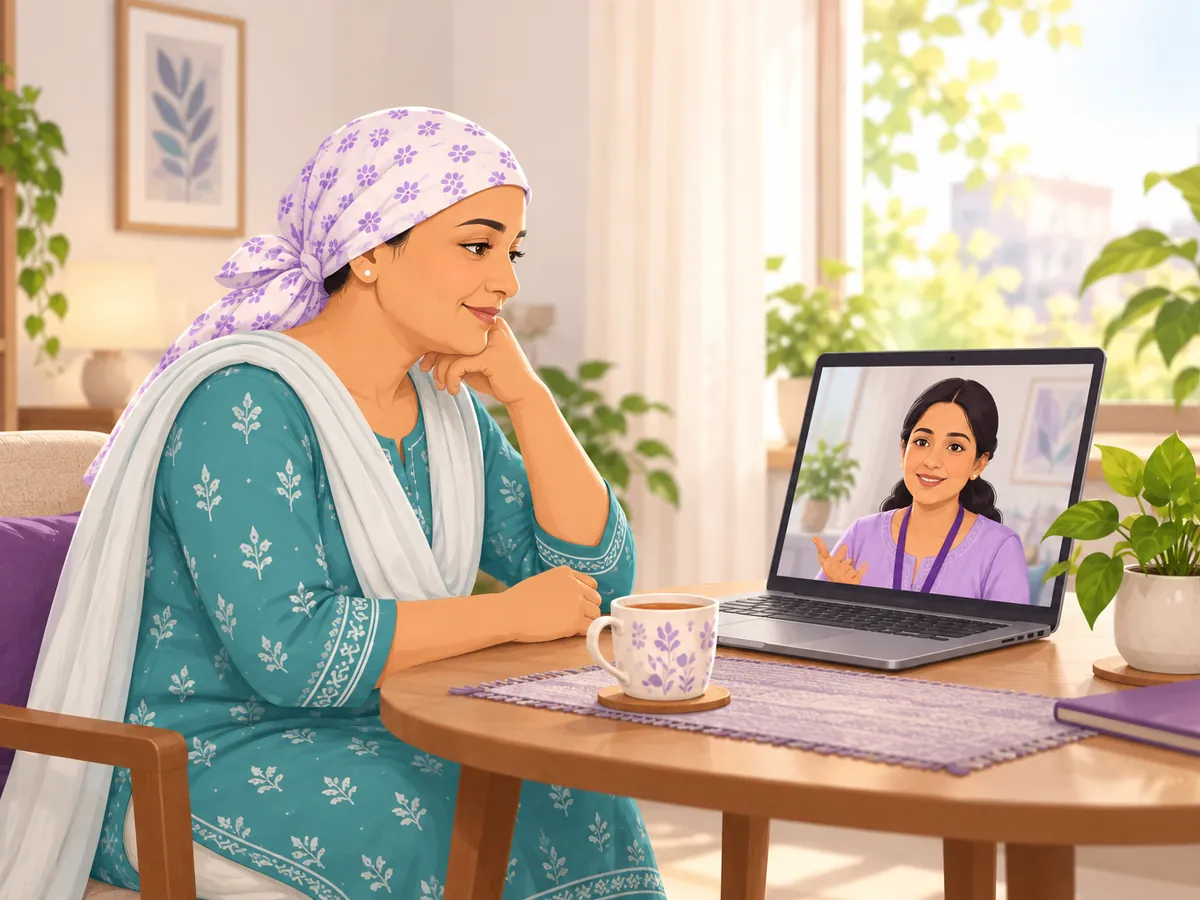
In person, by video or by phone, during treatment and after it ends.
Counselling helps you cope. It doesn’t treat the cancer itself.
Listens without judging and helps you find ways to cope. Doesn’t prescribe medicines.
A medical doctor who can prescribe medicines if they’re needed. If you need one, your doctor arranges it.
Psycho-oncologist
PhD (Health Psychology), University of Sheffield, England
A psychologist who specialises in cancer care.
Time with Dr. Chittem or a counsellor from the team to talk through what’s hard. It may use ideas from CBT (cognitive behavioural therapy): noticing unhelpful thoughts and habits, and trying more helpful ones.

For your family, with you or on their own: talking openly, sharing the load, and caring for the carer.
Simple breathing, relaxation and mindfulness to use at home, before a scan or during treatment, to help you feel calmer.
Moments We Can Help With
Be honest, in simple words, a little at a time. Three things every child needs to hear:
Some families want to keep the diagnosis from the person with cancer, out of love. That’s a common wish, but not knowing can add to their worry. We can help you talk it through.
Sources: ACS · NCI PDQ · Macmillan · Cancer Research UK
CION guides: Talking to children about chemotherapy · The emotional and family side of genetic testing
Common beliefs about feelings and counselling, answered
Myth“Needing counselling means you’re weak.”
FactCancer is hard for anyone. Distress is an expected reaction, and like other side effects it can usually be eased, so asking for help is a sensible step. Source: ACS
Myth“Talking about it makes it worse.”
FactTalking often helps you cope. A counsellor listens without judging, and you choose what to share and when. Source: Macmillan
Myth“Only patients need support, not families.”
FactFamily carers feel the strain too, and can become anxious or low. CION’s family sessions are for them as well. Source: NCI PDQ · ACS
Myth“If I stay positive, the cancer will go away.”
FactYour thoughts and feelings don’t cause cancer, and there’s no good evidence that your attitude changes how it turns out. Hope can still make the days feel better, but you don’t have to be cheerful all the time: bad days are allowed. Source: ACS · NCI
Why patients choose CION
Support for your mind, alongside your cancer care.
Dr. Mahati Chittem and CION’s psycho-oncology team work alongside your oncologist.
Talk in Telugu, Hindi or English, whichever feels easiest.
Sessions that fit around your treatment days and travel.
Family and caregiver sessions, with you or on their own.
From the day you’re diagnosed to life after treatment ends.
Counselling runs alongside care from CION’s 18 cancer specialists.
Treat cancer with medicines such as chemotherapy.
Reviews CION’s guides on coping during chemotherapy
10+ years · MBBS, DNB (Internal Medicine), DM (Medical Oncology)

8+ years · MBBS (Gold Medal), DNB (General Medicine), DM (Medical Oncology) (Gold Medal)

8+ years · MBBS, MD (General Medicine), DM (Medical Oncology) (Adyar, Chennai), ECMO, MRCP SCE (UK)

8+ years · MBBS, MD (General Medicine), DrNB (Medical Oncology), ECMO, MRCP SCE (Medical Oncology) (UK)

10+ years · MBBS, DM (Medical Oncology), MD (Radiation Oncology)

7+ years · MBBS, DM (Medical Oncology), MD (Internal Medicine)
Treat cancer with carefully aimed radiation.



13+ years · MBBS, MD (General Physician), DNB (Radiation Oncology)
Decide whether an operation can remove the cancer, and when.
Head of Surgical Oncology
12+ years · MBBS, MS (General Surgery), M.Ch (Surgical Oncology)

20+ years · MBBS (AIIMS), MS (Surgery) (AIIMS), DNB (Surgical Oncology), MRCS (Edinburgh)

10+ years · MBBS, MS (General Surgery), M.Ch (Surgical Oncology)

8+ years · MBBS, MS (General Surgery), M.Ch (Surgical Oncology), FMAS, FARIS (ongoing)

7+ years · MBBS, MS (General Surgery), M.Ch (Surgical Oncology), FMAS

5+ years · MBBS, MS (General Surgery), DrNB (Surgical Oncology), FALS Oncology

10+ years · MBBS, MS (General Surgery), DrNB (Surgical Oncology)
Specialist in blood cancers and blood disorders.

Dr. Basudev Pokhrel
Reviews CION’s guides for blood-cancer carers
10+ years · MBBS, MD (Immunohaematology & Blood Transfusion), Fellowship in Clinical Haematology (CMC Vellore)
Start with a Counselling Session
Talk to us about how you’re feeling, alongside your treatment.
Ask at any CION visit, or call us to book.
Your checklist
Come as you are. There’s no need to prepare.
35+ CION centres
Still unsure? Call 1800 202 8726.
Yes. Worry, sadness, anger, fear and numbness are all common, and they can change from day to day. They are normal reactions to a hard time, not a sign of weakness. If they last most days for more than 2 weeks, or get in the way of daily life, talk to us.
Yes. Psychological support is free for CION patients, whether you meet in person, by video or by phone.
Yes. Family can join your sessions if you wish, and carers can also have sessions of their own, with or without you.
Yes. Counselling is offered in Telugu, Hindi or English. Tell us which you prefer when you book.
Yes. Sessions are confidential. Your counsellor will tell you what, if anything, is shared with your cancer team, and nothing is shared with your family without your permission, unless you or someone else may be at risk.
A psycho-oncologist specialises in the emotional side of cancer. At CION, Dr. Mahati Chittem, a psychologist, and the psycho-oncology team help you and your family cope with worry, low mood, fear and hard decisions, during treatment and after it.
Talking and practical ways of coping help many people, and are usually tried first. If medicines might help, your doctor may prescribe them or arrange for you to see a psychiatrist, and any medicine is checked against your cancer treatment.
Yes, you can ask. Call us and we’ll explain how sessions can work for you, and there’s no commitment to move your treatment to CION.
Talk to CION’s psycho-oncology team about how you’re feeling, and find support that fits you and your family.
Feeling unsafe right now? Call 1800 202 8726, any time, or go to the nearest hospital emergency department.
This page explains psychological support at CION Cancer Clinics. It is general information, not medical advice: your counsellor and doctors fit support to you.
Follow Us:



 18002028726