 Call Us
 M
In this article (8 sections)
- Before the Scan: Precautions and Preparations
- How the Scan Unfolds
- Post-Scan Etiquette: What Happens After an MRI
- The Radiologist's Role: From Scan to Diagnosis
- Advantages of MRI: A Cut Above the Rest
- Choosing the Right MRI: Types and Considerations
- Navigating Special Considerations
- At Cion Cancer Clinics
Magnetic Resonance Imaging (MRI) utilizes the use of magnets and radiowaves to create intricate images of the human body.
Let’s understand the various steps in MRI imaging.
Magnetic Resonance Imaging, abbreviated as MRI, is a revolutionary imaging technique that employs the use of magnets and radiowaves. Unlike traditional methods that employ harmful radiation, MRI procedure is non-invasive and creates detailed images of organs, bones, muscles, and blood vessels.
Before the Scan: Precautions and Preparations
Most important thing is to avoid wearing metallic objects or keeping magnetic objects in the pockets of your clothing.(to prevent the magnetic field from ripping them away)
Wearing Loose clothing, often a gown, is recommended.
Dietary considerations vary but might include restrictions in specific cases.
How the Scan Unfolds
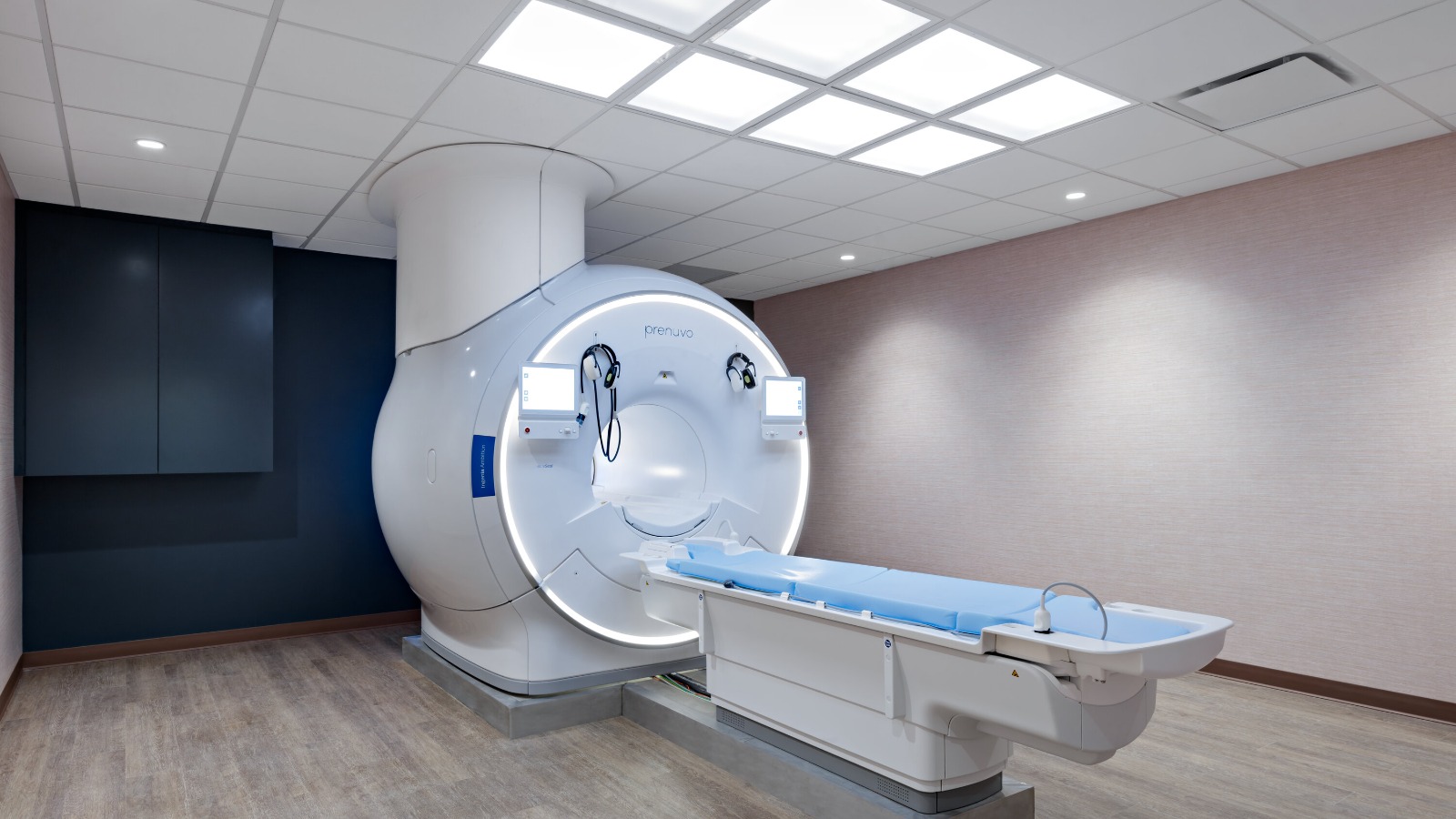
The MRI machine, , revolves around the stationary body, capturing detailed images without any invasive procedures.
Patients are required to lie still on the provided bed for 20-30 minutes (may vary)
In some cases, an IV contrast, a radioactive substance, might be administered to enhance image clarity.
Post-Scan Etiquette: What Happens After an MRI
Following the MRI, resuming normal activities is generally permissible. However, it's advisable to have a friend or relative accompany you for at least 24 hours. Driving, alcohol consumption, and operating heavy machinery should be avoided during this period.
The Radiologist's Role: From Scan to Diagnosis
A crucial figure in the MRI process is the radiologist, who performs the scan and analyzes the images. The radiologist collaborates with doctors, sending them the scans for further examination and diagnosis.
Advantages of MRI: A Cut Above the Rest
MRI boasts superior soft tissue contrast compared to alternatives like CT scans. The detailed images produced offer a clearer picture, making it an invaluable tool in diagnostics. Unlike Computed Tomography (CT), which uses X-rays, MRI relies on magnetic fields and radiofrequency waves. MRI is much safer as compared to other techniques as it avoids the use of harmful ionizing radiation. Avoidance of radiation is very important as it is a risk factor for cancer.
Choosing the Right MRI: Types and Considerations
When it comes to types of MRI, several options cater to specific diagnostic needs.
-
Functional MRI
delves into brain activity, providing insights into neurological functions. -
Breast MRI
- a specialized variant, using sophisticated software techniques to scrutinize breast tissue.
-
Magnetic Resonance Angiography (MRA) and Cardiac MRI
offer detailed views of blood vessels and the heart in different views.
Navigating Special Considerations
For pregnant individuals, informing the doctor is crucial, as the magnetic field and contrast agents might pose risks.
For patients with pacemakers, stents, or metal implants, MRI scanning maybe contraindicated.
At Cion Cancer Clinics
If you're in search of an MRI scan near you, look no further – our conveniently located center offers easy accessibility. We take pride in providing a friendly and patient-centric treatment experience. At our center, we prioritize affordability, ensuring that the cost of an MRI scan is within reach for everyone. Our pricing structure is designed to be inclusive, making it accessible to individuals from all walks of life, from those with limited financial means to those more financially comfortable. Choose us for an accessible, friendly, and cost-effective MRI scan experience.
This article is for general education and does not replace advice from your doctor. Every cancer is different — please speak to an oncologist about your own diagnosis and treatment.


 18002028726



 Call us