 Call Us
In this article (6 sections)
The first sign of breast cancer is often a lump felt in the breast or swelling in the breast area.
Breast Cancer
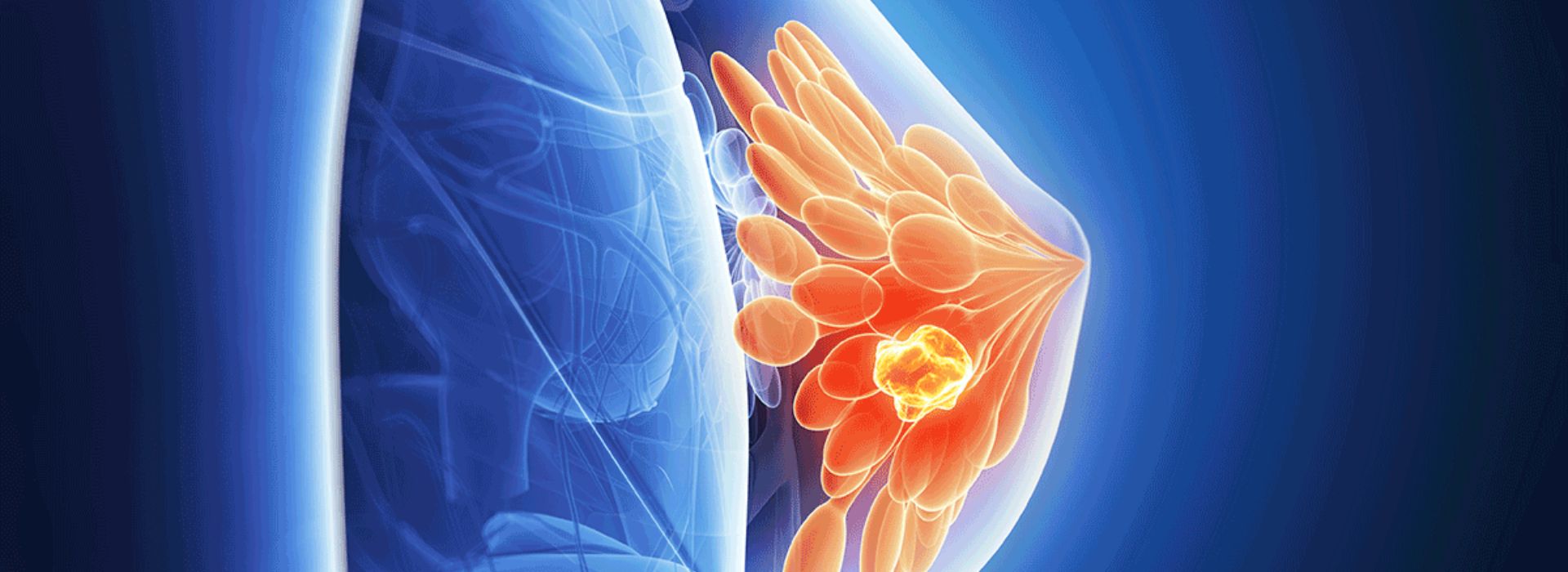
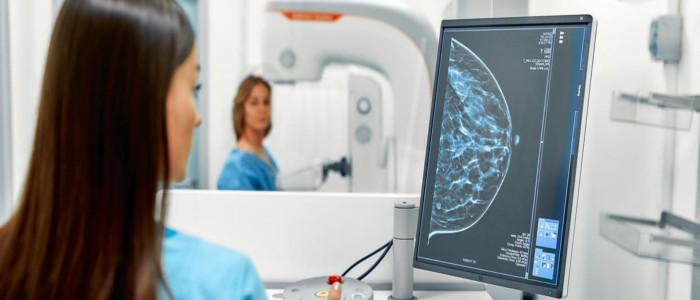
Breast cancer occurs when breast cells divide out of control. A breast lump is felt when abnormal breast cells accumulate, giving rise to a tumor. Mammograms can also detect breast lumps.
Issues created by a Breast lump
A breast lump could potentially obstruct blood vessels, milk ducts, and nerves in the breast, leading to pain and discomfort. For breastfeeding women, it may result in reduced milk production and difficulties in breastfeeding.
Sensing a lump
Feeling a breast lump can be uncomfortable. However, it's essential to note that most breast lumps are benign (non-cancerous). Some can be malignant (cancerous). Cancerous lumps are typically characterized by being hard, immovable, and having irregular boundaries.
Benign vs. Cancerous lumps
- Benign Lump: Examples of benign lumps include fibroadenoma and fibrocystic breast lumps, often related to hormonal changes in the menstrual cycle. These lumps do not spread and are typically movable and soft, not hard like cancerous lumps.
- Cancerous Lump: Cancerous lumps are characterized by being hard, immovable, and having irregular boundaries. They have the potential to spread to other areas of the body.
Swelling in the Armpit
Swelling in the armpit can occur when cancer cells have metastasized to nearby lymph nodes.
Other symptoms of Breast cancer
Other symptoms of breast cancer can include nipple discharge, especially if it is bloody, breast skin irritation, nipple changes, and other changes in breast appearance.
If you have any uncertainties or seek a better understanding of breast cancer, we invite you to reach out to CION Cancer Clinics. Our team is here to assist you. Feel free to contact us at 1800 120 2676, or you can conveniently fill out the form through the provided link.
This article is for general education and does not replace advice from your doctor. Every cancer is different — please speak to an oncologist about your own diagnosis and treatment.

 18002028726



 Call us