 Call Us
External beam
Radiation aimed at the tumour from a machine outside the body. The most common kind.
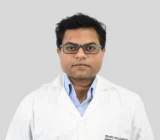
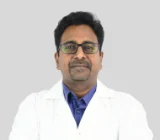 2 CION specialists for Gajwel
They plan radiotherapy with your surgeon and medical oncologist, and your care team names the centre that gives it. Call to check where and when your doctor is in.
Radiation Oncologist
Radiation Oncologist
Share your details and our care team will call you back to fix a time with the right specialist.
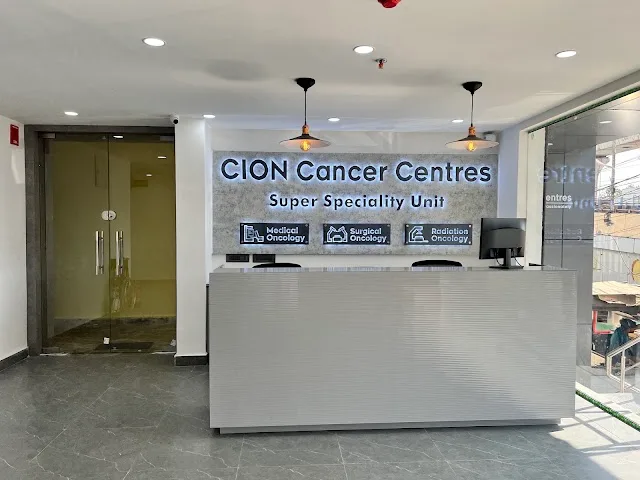
A look inside CION L.B. Nagar
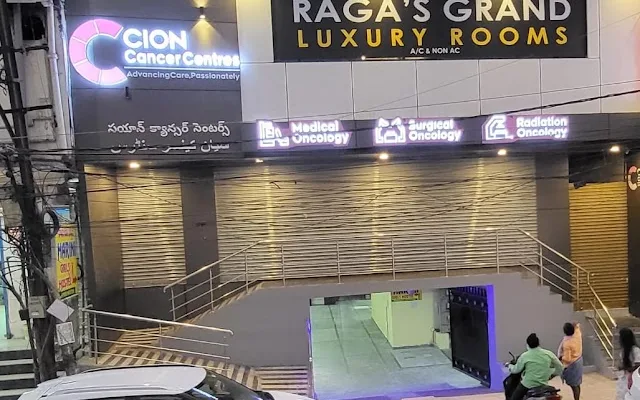
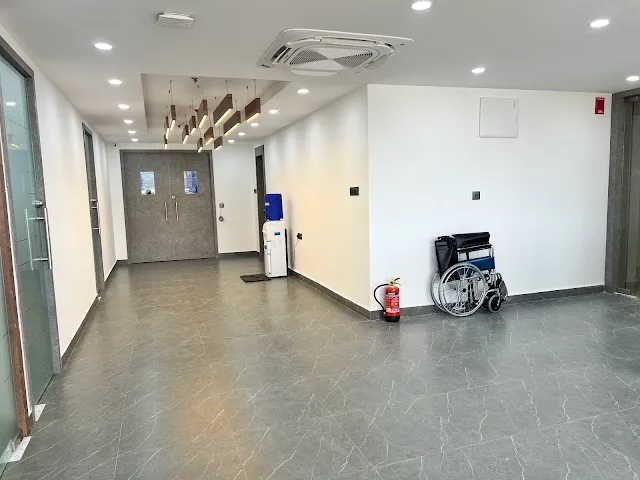
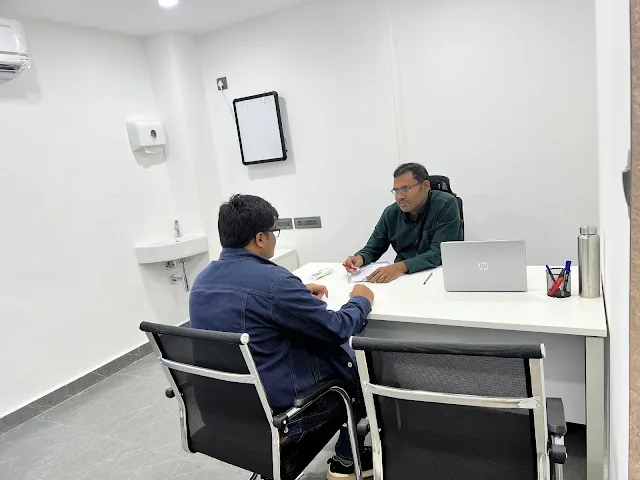
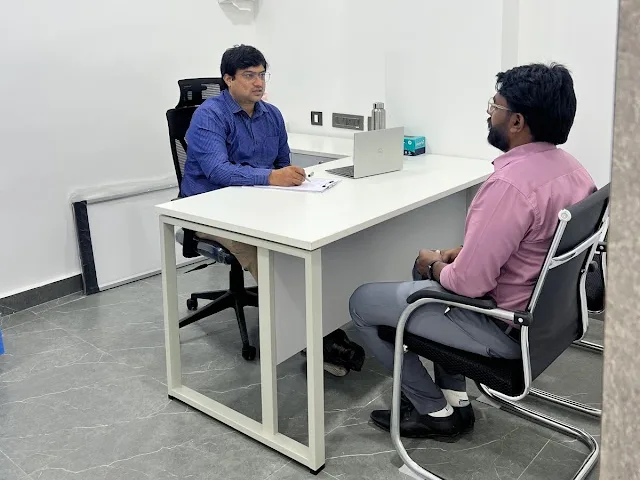
Other CION locations in Telangana
Tell the care team what was found, what treatment has been given so far, and which reports you hold. They book the nearest CION clinic with a radiation oncologist.

The doctor reads every report, examines the patient, and explains whether radiotherapy is likely to help and what a course would involve.

After the tumour board, the care team tells you where the sessions happen, how far it is, and gives a written estimate before you agree.
A planning scan is taken in the treatment position. The daily sessions start once the plan is checked, usually every weekday for several weeks.
Radiation aimed at the tumour from a machine outside the body. The most common kind.
One daily session. A full course is the total of all the fractions.
A scan in the exact position you will lie in for treatment, used to design the course.
Chemotherapy given in the same weeks as radiotherapy, to make the radiation work better.
Radiation placed inside the body, close to the tumour, for a short time. Often used for cervical cancer.
A shorter course to ease pain or bleeding, when removing the cancer is not the aim.
Every case goes to CION’s network tumour board, where these specialists from CION’s centres join your doctor. Ask for any of them when you book.
Treat cancer with carefully aimed radiation.
Decide whether an operation can remove the cancer, and when.
Head of Surgical Oncology
12+ years · MBBS, MS (General Surgery), M.Ch (Surgical Oncology)
8+ years · MBBS, MS (General Surgery), M.Ch (Surgical Oncology), FMAS, FARIS (Ongoing)
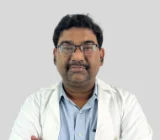
20+ years · MBBS (AIIMS), MS (Surgery) (AIIMS), DNB (Surgical Oncology), MRCS (Edinburgh)
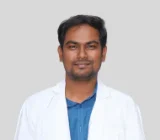
10+ years · MBBS, MS (General Surgery), M.Ch (Surgical Oncology)
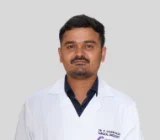
7+ years · MBBS, MS (General Surgery), M.Ch (Surgical Oncology), FMAS
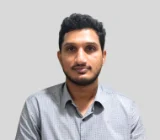
5+ years · MBBS, MS (General Surgery), DrNB (Surgical Oncology), FALS Oncology
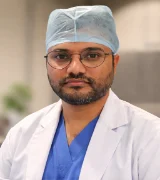
10+ years · MBBS, MS (General Surgery), DrNB (Surgical Oncology)
Treat cancer with medicines such as chemotherapy.
10+ years · MBBS, DM (Medical Oncology), MD (Radiation Oncology)
10+ years · MBBS, DNB (Internal Medicine), DM (Medical Oncology)
8+ years · MBBS (Gold Medal), DNB (General Medicine), DM (Medical Oncology) (Gold Medal)
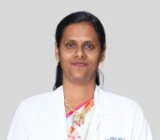
8+ years · MBBS, MD (General Medicine), DM (Medical Oncology) (Adyar, Chennai), ECMO, MRCP SCE (UK)
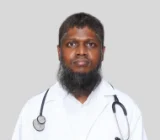
8+ years · MBBS, MD (General Medicine), DrNB (Medical Oncology), ECMO, MRCP SCE (Medical Oncology) (UK)
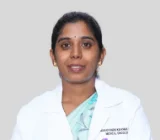
7+ years · MBBS, DM (Medical Oncology), MD (Internal Medicine)
Diagnoses and treats blood cancers and blood disorders.
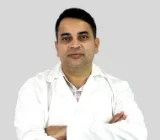
10+ years · MBBS, MD (Immunohaematology & Blood Transfusion), Fellowship in Clinical Haematology (CMC Vellore)
Start with a Consultation
Ask for the doctor you want, or we’ll match you.
Possibly, and it is worth deciding early. The sessions happen at the centre your care team names, not in Gajwel. Some families travel each day. Others stay nearer the centre on weekdays and come home at the weekend. Which suits you depends on the distance, the patient's strength and who can help.
The first consultation, the review after the tumour board and follow-up after the course can be booked at the nearest CION clinic. The care team tells you which clinic for each visit, so the family is not left guessing.
A daily trip over several weeks is hard for one person. Many families split the days between relatives, or between a weekday helper and a weekend one. If the patient is the main earner, ask the doctor early whether light work is likely to be possible during the course, so the family can plan for the gap honestly.
Tiredness tends to build up towards the end of the course. Skin in the treated area may become red or sore. Treatment near the mouth, throat or tummy can make eating harder. These effects usually settle in the weeks after the course ends. Tell the team early when something changes, because it is easier to manage early.
CION's team helps with cashless insurance and gives you a written estimate before you start. Ask for travel and stay to be part of the family's planning too. If you hold a government or employer scheme, mention it so the care team can check it.
Good to know
This page cannot tell you whether radiotherapy is right for you. A radiation oncologist reading your reports can.
These are typical patterns. Your own plan depends on the cancer, its stage and what has been done so far.
Many cancers of the head and neck and the cervix are treated mainly with radiotherapy, usually alongside chemotherapy.
To lower the chance of the cancer returning where it started, for example after breast-conserving surgery.
A short course can ease pain from cancer in the bones, or slow bleeding, and improve daily life.
Most blood cancers start with medicines. Cancer spread to many organs usually starts with medicines too.
Also tell the doctor if
Myth
What is true: With external beam radiotherapy, nothing stays in the body after the session. The patient can sit with children and elders the same day. For rarer kinds that need precautions, the team tells you clearly in writing.
Myth
What is true: Skin in the treated area can redden or peel, rather like sunburn. It usually heals in the weeks after treatment. The team gives advice and creams, and checks the skin during the course.
Myth
What is true: Unplanned gaps can make radiotherapy work less well. If travel becomes difficult, call the team before missing a day. Plan the journey and the stay before the course starts.
Myth
What is true: Radiotherapy is often a main treatment, or given with surgery or chemotherapy as a planned part of care. Sometimes its aim is to ease symptoms instead. Ask your doctor which aim your course has, and what it can and cannot do.
Every CION specialist page for Gajwel, and the Gajwel location page.
How CION serves families from Gajwel
If radiotherapy comes before or after an operation
If chemotherapy is given alongside radiation
Check a radiotherapy plan before you start
The general guidance on this page draws on these sources. Facts about CION come from CION’s own pages.
Leave your number and our care team calls you back, or call any time. One helpline serves every CION centre.
Medically reviewed by Dr. Kirti Ranjan Mohanty, Consultant Radiation Oncologist (MBBS, MD (Radiation Oncology)). Last reviewed October 2026. This page is general information for families from Gajwel, not medical advice: your specialist advises on tests and treatment after seeing you.
Still unsure? Call 1800 202 8726.
Not by CION. CION has no centre and no partner hospital in Gajwel. Our care team books a consultation at the nearest CION clinic, and once the plan is agreed, names the centre that will give the radiotherapy and tells you how far it is, before you agree.
Dr. Kirti Ranjan Mohanty (MBBS, MD Radiation Oncology) and Dr. Gangadhar Vajrala (MBBS, MD Radiation Oncology, MPH). They are part of the CION team serving Gajwel. The care team tells you where and when each of them sees patients, and books the one who suits your dates.
Think about it early. A course usually runs every weekday for several weeks. Some families travel each day, and others stay nearby on weekdays. Once the centre is named, ask the care team how far it is, so you can weigh the journey against a stay.
The treatment itself is short, and most of the visit is getting into the right position. The first day, and any day with a doctor's review, take longer. Your team gives you a schedule once the plan is ready, so the family can arrange transport.
Sometimes. For some cancers, chemotherapy in the same weeks makes radiation work better. It can also add to tiredness and side effects. Your doctors will tell you whether your plan includes both, and where each part is given.
Every report: biopsy, scans with their CDs, blood tests, operation notes and discharge summaries. If the patient has had radiotherapy before, bring those records too, because the same area usually cannot be treated again in the same way.
CION's team helps with cashless insurance and gives you a written estimate before you start. Bring your card and policy papers. If the family holds a government or employer scheme, ask the care team to check whether it applies to your treatment.
Yes. Bring the plan, the reports and any planning details you received. A CION radiation oncologist will say whether they agree and explain any difference. The review does not commit you to treatment through CION.
Follow Us:



 1800 120 2676