 Call Us
After an operation
To treat any cancer cells that may be left where the tumour was. This is common after surgery for breast, head and neck, and some womb cancers.
 2 CION specialists for Husnabad
They plan radiotherapy with your surgeon and medical oncologist, and your care team names the centre that gives it. Call to check where and when your doctor is in.
Radiation Oncologist
Radiation Oncologist
Share your details and our care team will call you back to fix a time with the right specialist.
Other CION locations in Telangana

Tell the care team what has been found and which hospital found it. They ask how well the patient can travel, and which language the family prefers for the consultation.

Share the biopsy report, scans and any discharge summary before you set out. If something is missing, you can often get it done closer to Husnabad rather than make a wasted trip.

The radiation oncologist examines the patient, explains whether radiation helps, and says what the alternatives are. Bring the family member who will help with travel and decisions.
A planning scan maps the exact area to treat. You are then told the centre, the number of weeks, and a written estimate, before the first treatment is booked.
These are the common reasons a radiation oncologist is brought in. Your reports decide which, if any, applies to you.
To treat any cancer cells that may be left where the tumour was. This is common after surgery for breast, head and neck, and some womb cancers.
For some cancers of the cervix, throat, food pipe and rectum, the two are given together over the same weeks. Each makes the other work better, and side effects are watched closely.
Where an operation would harm speech, swallowing or another function, or where the patient is not fit for one, radiation can be the main treatment.
Palliative radiotherapy, meaning treatment aimed at comfort rather than removing the cancer, can ease bone pain or bleeding. These courses are often much shorter.
Every case goes to CION’s network tumour board, where these specialists from CION’s centres join your doctor. Ask for any of them when you book.
Treat cancer with carefully aimed radiation.
Decide whether an operation can remove the cancer, and when.
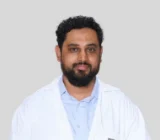
Head of Surgical Oncology
12+ years · MBBS, MS (General Surgery), M.Ch (Surgical Oncology)
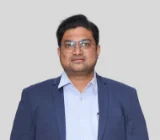
8+ years · MBBS, MS (General Surgery), M.Ch (Surgical Oncology), FMAS, FARIS (Ongoing)
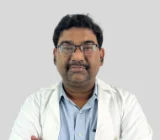
20+ years · MBBS (AIIMS), MS (Surgery) (AIIMS), DNB (Surgical Oncology), MRCS (Edinburgh)
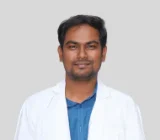
10+ years · MBBS, MS (General Surgery), M.Ch (Surgical Oncology)
7+ years · MBBS, MS (General Surgery), M.Ch (Surgical Oncology), FMAS
5+ years · MBBS, MS (General Surgery), DrNB (Surgical Oncology), FALS Oncology
10+ years · MBBS, MS (General Surgery), DrNB (Surgical Oncology)
Treat cancer with medicines such as chemotherapy.
10+ years · MBBS, DM (Medical Oncology), MD (Radiation Oncology)
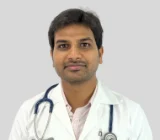
10+ years · MBBS, DNB (Internal Medicine), DM (Medical Oncology)
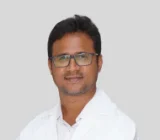
8+ years · MBBS (Gold Medal), DNB (General Medicine), DM (Medical Oncology) (Gold Medal)
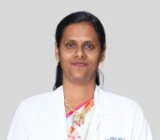
8+ years · MBBS, MD (General Medicine), DM (Medical Oncology) (Adyar, Chennai), ECMO, MRCP SCE (UK)
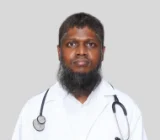
8+ years · MBBS, MD (General Medicine), DrNB (Medical Oncology), ECMO, MRCP SCE (Medical Oncology) (UK)
7+ years · MBBS, DM (Medical Oncology), MD (Internal Medicine)
Diagnoses and treats blood cancers and blood disorders.
10+ years · MBBS, MD (Immunohaematology & Blood Transfusion), Fellowship in Clinical Haematology (CMC Vellore)
Start with a Consultation
Ask for the doctor you want, or we’ll match you.
The planning session. You lie in the treatment position while a scan is taken, so the team can map the area exactly.
One daily dose. The full course is split into many small doses, which lets healthy tissue recover between visits.
A close-fitting mesh used for head and neck treatment, so the head sits in the same place every day.
Chemotherapy given during the same weeks as radiation, often once a week on a treatment day.
A regular check with the radiation team during the course, to look at skin, eating and tiredness.
Ask about travel at the first consultation, not after the plan is fixed. Radiotherapy works because the doses are given steadily, so missing days can matter. The family needs a plan that the patient can actually keep up.
Many families from Husnabad, Dharmapuri and Veenavanka arrange for the patient to stay with relatives, or in rented rooms, near the centre for the weekdays and come home at weekends. Ask the care team what others in your position have done.
Some patients manage to travel each day, especially early in the course. Tiredness tends to build in the later weeks. A plan that works in the first week may not work in the last, so build in some help.
CION's team helps with cashless insurance and gives you a written estimate before you start. Ask what the estimate covers, and think separately about food, rooms and transport for the weeks of treatment.
Good to know
If someone on treatment has a high fever, heavy bleeding or sudden breathlessness, go to the nearest emergency department first.
Myth
What is true: With the usual external radiotherapy, the beam stops when the machine is switched off. The patient can hug children, cook and sleep at home as normal. A few internal treatments are different, and your doctor will tell you if yours is one.
Myth
What is true: Only the treated area receives the dose. Side effects mostly appear there: redness of the skin, a sore mouth with head and neck treatment, or loose motions with treatment to the pelvis.
Myth
What is true: The plan depends on doses given steadily. Gaps can make the treatment work less well. If travel is hard, tell the team early so they can help, rather than missing visits.
Myth
What is true: Radiotherapy is a main treatment for many cancers, including some where it is the first choice. It is also used for comfort. Being sent for radiation says nothing on its own about the outlook.
Every CION specialist page for Husnabad, and the Husnabad location page.
How CION serves families from Husnabad
Which kind of cancer specialist to see first
When an operation comes before or after radiation
Chemotherapy given alongside radiotherapy
The general guidance on this page draws on these sources. Facts about CION come from CION’s own pages.
Leave your number and our care team calls you back, or call any time. One helpline serves every CION centre.
Medically reviewed by Dr. Kirti Ranjan Mohanty, Consultant Radiation Oncologist (MBBS, MD (Radiation Oncology)). Last reviewed October 2026. This page is general information for families from Husnabad, not medical advice: your specialist advises on tests and treatment after seeing you.
Still unsure? Call 1800 202 8726.
No. CION has no centre and no partner hospital in Husnabad, and radiotherapy is not given in the town. When you call, the care team books the nearest CION clinic for the consultation and names the centre that would give the radiotherapy, with how far it is, before you agree.
Dr. Kirti Ranjan Mohanty, MBBS, MD (Radiation Oncology), and Dr. Gangadhar Vajrala, MBBS, MD (Radiation Oncology), MPH, are part of the CION team that serves families from Husnabad. Neither is based in the town. The care team tells you where and when each one sees patients.
Yes, and it is the most useful first step. Share the biopsy report, scans and discharge summaries with the care team. They check whether anything is missing, so that the first consultation is a full one and you are not asked to come back for one more test.
It depends on the cancer and the aim. A course meant to treat the cancer usually means going in every weekday for several weeks. A course for pain relief is often much shorter. Your radiation oncologist tells you the length of your own course before you agree to start.
You do not feel the beam itself. Each daily session involves lying still for a short time while the machine moves around you. Discomfort comes later, from side effects in the treated area, such as sore skin. The team checks you during the course and treats these as they appear.
CION does not arrange chemotherapy in Husnabad. If your plan includes chemotherapy alongside radiation, the care team tells you where it is given, usually at or near the centre giving the radiotherapy, so both can happen on the same days.
CION's team helps with cashless insurance and gives you a written estimate before you start. Bring your policy details to the first visit. If the family already holds a government or employer scheme, ask the care team to check it for you when you call.
Yes, for a first talk about the reports. This helps when the patient is unwell or travel is hard. The radiation oncologist will still need to examine the patient before treatment is planned, and the planning scan needs the patient present.
Follow Us:



 1800 120 2676