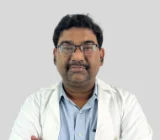
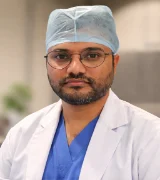
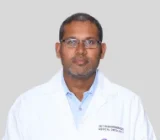
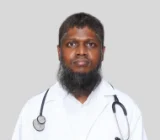
Dr. Muralidhar Muddusetty · Surgical Oncologist20+ years of experience · MBBS (AIIMS), MS (Surgery) (AIIMS), DNB (Surgical Oncology), MRCS (Edinburgh).
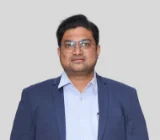
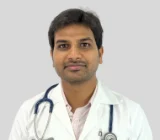
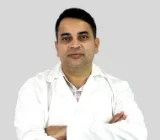
Dr. Vinay Mamidala · Surgical Oncologist8+ years of experience · MBBS, MS (General Surgery), M.Ch (Surgical Oncology), FMAS, FARIS (Ongoing).
They decide whether an operation can remove the cancer, and plan it with medical and radiation oncologists. Call to check where and when your doctor is in.
An operation is one step in a longer plan. These are the
people you are likely to meet.
Surgical oncologist
Decides whether the cancer can be removed, plans the operation, and
sees you afterwards to read the final report with you. They also take
many of the biopsies that confirm what the lump is.
On the CION team for Miryalaguda
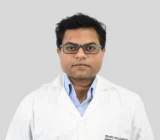
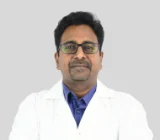
Dr. Vinay Mamidala
Dr. Muralidhar Muddusetty
Medical oncologist
Plans chemotherapy and other cancer medicines. Some people need
medicines before the operation to shrink the tumour, and some need them
after to lower the chance of it coming back.
Radiation oncologist
Plans radiotherapy where it is needed, before or after surgery, or in
place of it. Your care team names the centre that gives it.
Pathologist
You may never meet them, but they matter. The pathologist studies
the tissue under a microscope and writes the report that says what the
cancer is, how fast it is growing, and whether the margins are
clear.
Your care team
Books the appointments, explains where each step happens, and helps
with insurance paperwork. They are the people to call when you are
unsure what comes next.
What happens between the first report and the operation?
1
You call, or leave your number
Someone from the care team asks what has been found, which hospital
found it, and which reports you hold. They then fix a consultation,
either with a partner hospital in Miryalaguda or in Hyderabad.
2
The surgical oncologist reads everything
Biopsy reports, scans, blood tests and any discharge summary. They
examine you and tell you what is known and what is still missing.
3
Staging tests, if needed
Staging means finding out how far the cancer has spread. It decides
whether surgery should come first, later, or not at all.
4
The tumour board
Surgical, medical and radiation oncologists discuss your case
together, so the plan is not one doctor's view.
5
The hospital is named
Before you agree, the care team tells you which hospital does the
operation, how far it is from Miryalaguda, and gives a written
estimate of the cost.
More CION Specialists
Every case goes to CION’s network tumour board, where these specialists from CION’s centres join your doctor. Ask for any of them when you book.
Surgical Oncologists 5
Decide whether an operation can remove the cancer, and when.
Which parts of surgical care can stay close to Miryalaguda?
Gathering reports and a first conversation about them
Happens at the named hospital: The operation itself and the stay after it
Chemotherapy at Medicure Hospital or Maxcare, when it is part of the plan
Happens at the named hospital: Any test that needs equipment the partner hospitals do not have
Follow-up questions through the care team
Happens at the named hospital: Removal of stitches or drains, if your surgeon asks to see you there
When is surgery not the right first step?
Many people expect an operation the moment cancer is found. For a
good number of them, it is not the first thing that helps. A surgical
oncologist who says so is doing their job well.
1Blood cancers
Leukaemia, lymphoma and myeloma are treated with medicines, not by
cutting. A surgeon may take a small biopsy, but the treatment belongs to
a haematologist or medical oncologist.
2Cancer that has already spread widely
If scans show the cancer in several organs, removing one tumour rarely
helps you live longer. Medicines usually come first, and surgery is kept
for problems such as a blocked bowel.
3Tumours that shrink well first
Some breast, food pipe, rectal and bone cancers are treated with
chemotherapy or radiotherapy before the operation. This is called
neoadjuvant treatment. It can make the operation smaller and safer.
4When the body needs time
If you are very weak, have a heart or lung problem, or uncontrolled
sugar, the team may need to make you fit for anaesthesia first.
Good to know
This page cannot tell you which group you are in.
Your reports can, and a surgical oncologist will read them with
you.
What do families in Miryalaguda often worry about before cancer surgery?
Myth
"Cutting into a cancer makes it spread."
What is true: A planned cancer operation removes the tumour with
healthy tissue around it. It does not release the cancer into the body.
Delaying a needed operation out of this fear is what allows a cancer to
grow.
Myth
"Any good surgeon can do a cancer operation."
What is true: A cancer surgeon removes the lymph nodes, checks the
margins and plans the operation with the doctors who give medicines and
radiotherapy. That training is different from general surgery, and it
shapes what happens next.
Myth
"Once the tumour is out, treatment is finished."
What is true: Sometimes it is. Often the final report shows that
chemotherapy or radiotherapy afterwards will lower the chance of the
cancer coming back. Your surgeon explains this when the report
arrives.
Myth
"We should not travel for the operation."
What is true: Travel is hard on a family, and the care team takes it
seriously. But the place where the operation is done matters more than
the distance. You are told where it is before you decide.
Medically reviewed by Dr. Vinay Mamidala, Consultant Surgical Oncologist (MBBS, MS (General Surgery), M.Ch (Surgical Oncology), FMAS, FARIS (Ongoing)). Last reviewed October 2026. This page is general information for families from Miryalaguda, not medical advice: your specialist advises on tests and treatment after seeing you.
Common questions about cancer surgery for Miryalaguda families
Dr. Vinay Mamidala and Dr. Muralidhar Muddusetty
are the CION surgical oncologists on the team that serves Miryalaguda.
Neither is listed as seeing patients in the town itself. Our care team
tells you where and when each one sees patients, and books the
consultation that suits your reports.
2Is cancer surgery done in Miryalaguda?
No. CION does not perform operations in
Miryalaguda. Your surgical oncologist plans it, and the care team names
the hospital where it happens and tells you how far it is before you
agree. You also get a written estimate of the cost at that
point.
3What do Medicure Hospital and Maxcare do in my care?
They are CION's partner hospitals in Miryalaguda.
CION's oncologists consult there, and chemotherapy is arranged locally
at these hospitals when your plan includes it. This means parts of your
treatment before or after an operation can stay near home.
4Can I see the surgeon without travelling first?
Often, yes, at least for the first step. Send
your reports through the care team. They can arrange a first
conversation and tell you whether the surgeon needs to examine you in
person before the plan is made. Most people do need one visit before an
operation.
5I live in Nalgonda or Kodad. Is this the right team?
Yes. Families from Suryapet, Nalgonda, Kodad,
Macherla and Nagarjunasagar contact the same helpline. The care team
works out which partner hospital or CION centre is easiest for you to
reach, and books the consultation there.
6Will I need chemotherapy as well as surgery?
It depends on the type of cancer, its stage and
the final report after the operation. Some people need medicines
before surgery, some after, and some none at all. The tumour board
decides, and your surgeon explains the reason in plain words.
7Does insurance cover cancer surgery?
CION's team helps with cashless insurance and
gives you a written estimate before you start. Bring your insurance
card and policy details to the first consultation. If you have cover
through a government or employer scheme, mention it when you call so
the team can check it.
8Can a son or daughter come with the reports first?
Yes. Many families start this way, especially
when the patient is unwell or the travel is hard. The surgeon can
explain what the reports show and what is still missing. They will
still need to examine the patient before an operation is
planned.
 Call Us




 1800 120 2676


