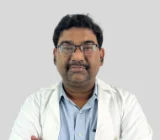
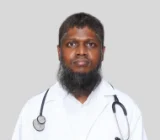
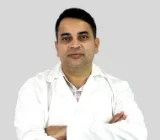
Dr. Muralidhar Muddusetty · Surgical Oncologist20+ years of experience · MBBS (AIIMS), MS (Surgery) (AIIMS), DNB (Surgical Oncology), MRCS (Edinburgh).
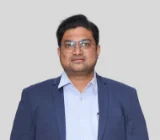
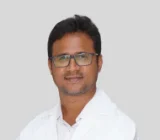
Dr. Vinay Mamidala · Surgical Oncologist8+ years of experience · MBBS, MS (General Surgery), M.Ch (Surgical Oncology), FMAS, FARIS (Ongoing).
They decide whether an operation can remove the cancer, and plan it with medical and radiation oncologists. Call to check where and when your doctor is in.
How does a cancer operation get planned for someone in Nalgonda?
1
First contact
You call the helpline or leave your number on this page. The care
team asks what has been found and books a consultation at Sindhura
Hospital or at a CION centre in Hyderabad, whichever suits your
reports.
2
The surgeon's review
The surgical oncologist reads every report, examines you, and lists
anything missing, such as a biopsy or a scan to see how far the cancer
has spread.
3
A shared decision
At the tumour board, surgical, medical and radiation oncologists
agree the order of treatment. Sometimes surgery comes first. Sometimes
it waits, or is not needed.
4
Where and what it costs
The care team names the hospital for the operation, tells you how far
it is from Nalgonda, and gives you a written estimate before you
agree.
5
Recovery and follow-up
After the operation, the surgeon reads the final report with you.
Any chemotherapy that follows can often be arranged at Sindhura
Hospital, and check-ups continue through the care team.
Who are the surgical oncologists on the Nalgonda team?
Neither surgeon is listed as seeing patients in Nalgonda
itself. The care team books the consultation and tells you the place.
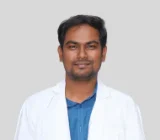
Dr. Vinay Mamidala
Surgical oncologist. MBBS, MS (General Surgery), M.Ch (Surgical
Oncology), FMAS, with FARIS ongoing. He plans and performs cancer
operations and sees people before and after surgery.
See him about
Whether a cancer can be removed
A biopsy that has not yet been done
The report after an operation
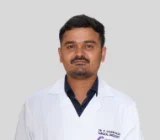
Dr. Muralidhar Muddusetty
Surgical oncologist. MBBS and MS (Surgery) from AIIMS, DNB (Surgical
Oncology) and MRCS (Edinburgh). He plans cancer operations with the
wider CION team.
See him about
A plan from another hospital you want checked
Surgery after chemotherapy has shrunk a tumour
Follow-up once treatment is over
More CION Specialists
Every case goes to CION’s network tumour board, where these specialists from CION’s centres join your doctor. Ask for any of them when you book.
Surgical Oncologists 5
Decide whether an operation can remove the cancer, and when.
The rim of healthy tissue around what was removed. A clear margin
means no cancer cells were seen at the edge.
Lymph nodes
Small glands that drain fluid from the area. The report says how many
were removed and whether any held cancer.
Stage
How far the cancer has spread. It decides whether more treatment is
needed after the operation.
Adjuvant treatment
Chemotherapy or radiotherapy given after surgery to lower the chance
of the cancer coming back.
Neoadjuvant treatment
The same treatments given before surgery, to shrink the tumour and
make the operation smaller.
Who should not start with an operation?
Surgery is one tool among several. A good cancer surgeon tells you
plainly when it is not the right place to begin, and who should see you
instead.
1Cancers of the blood
Leukaemia, lymphoma and myeloma are treated with medicines. If your
report came from a blood test or a bone marrow test, the first specialist
is a haematologist or a medical oncologist, not a surgeon.
2Cancer that has travelled
When a scan shows cancer in the liver, lungs or bones as well as where
it started, an operation on the first tumour seldom helps on its own.
Medicines lead, and surgery is kept for specific problems.
3Cancers often treated without cutting
Some cancers of the cervix, throat and voice box are usually treated
with radiotherapy and chemotherapy together. Surgery is held back for
later, if it is needed at all.
4When the body is not ready
Someone who is very weak, has lost a lot of weight, or has a heart or
lung problem may need time to get stronger first. The team may treat
these problems before an operation, so that recovery afterwards is
safer.
Good to know
Only your reports can say which group you fall into.
This page cannot.
Which beliefs about cancer surgery hold Nalgonda families back?
Myth
"An operation will make the cancer grow faster."
What is true: A planned cancer operation removes the tumour with
healthy tissue around it. It is the delay, not the operation, that
gives a cancer time to grow.
Myth
"If the surgeon removes it, we do not need anyone else."
What is true: The final report often shows that medicines or
radiotherapy afterwards will lower the risk of return. A surgeon who
works with medical and radiation oncologists catches this early.
Myth
"Asking for a second view will offend the doctor."
What is true: Second opinions are normal in cancer care, and good
doctors expect them. It may confirm the plan or raise a question worth
asking before anything is removed.
Myth
"An older parent is too old for cancer surgery."
What is true: Age alone does not decide it. Heart, lungs, sugar
control and how active the person is matter more. The team checks
these before suggesting an operation.
Medically reviewed by Dr. Vinay Mamidala, Consultant Surgical Oncologist (MBBS, MS (General Surgery), M.Ch (Surgical Oncology), FMAS, FARIS (Ongoing)). Last reviewed October 2026. This page is general information for families from Nalgonda, not medical advice: your specialist advises on tests and treatment after seeing you.
CION's surgical oncologists for Nalgonda are Dr.
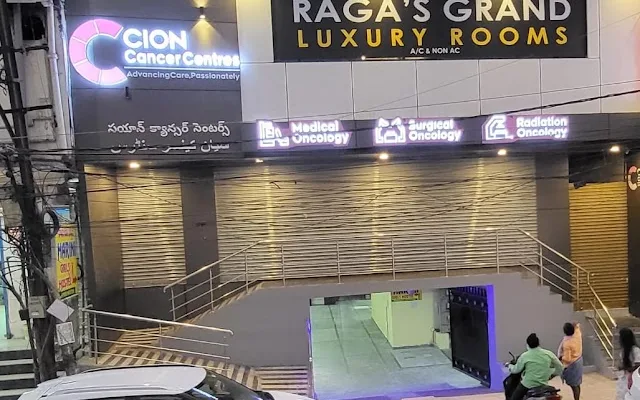
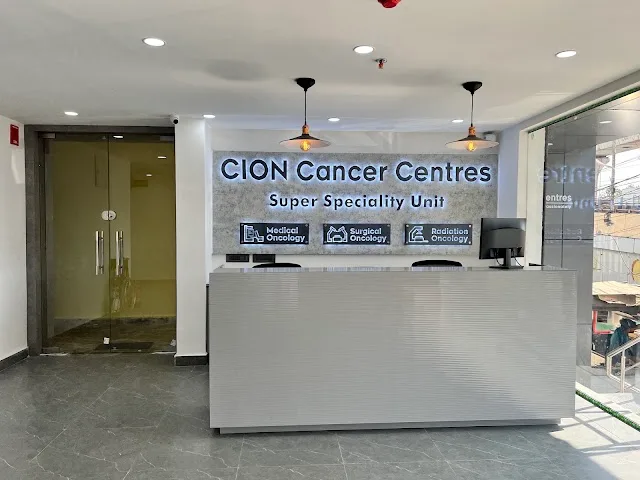
Vinay Mamidala and Dr. Muralidhar Muddusetty. CION has no centre of its
own in the town, and neither surgeon is listed as seeing patients
there. The care team tells you where and when you can see them, and
books the visit.
2Can the operation be done at Sindhura Hospital?
Sindhura Hospital is CION's partner in Nalgonda,
where CION's oncologists consult and chemotherapy is arranged. Cancer
surgery is not performed at any CION location. Your care team names the
hospital where your operation happens, and how far it is, before you
agree.
3How do I book a consultation with the surgeon?
Call the helpline or leave your number on this
page. Tell the care team what has been found and which reports you
have. They will book the surgical oncologist who suits your case and
tell you where to come. You do not need a referral letter.
4We live in Bhongir. Do we have to come to Nalgonda?
Not necessarily. Families from Bhongir,
Devarakonda, Huzurnagar, Miryalaguda and Suryapet all use the same
helpline. The care team works out whether a partner hospital nearer you
or a CION centre in Hyderabad is the easier place to start.
5Will I need chemotherapy after the operation?
It depends on the final report: the type of
cancer, the margins and whether lymph nodes were involved. If you do,
chemotherapy can often be arranged at Sindhura Hospital, closer to
home. Your medical oncologist plans it and explains each step.
6What happens after I come home from surgery?
You get written advice on wound care, food and
activity, and a date to see the surgeon again. The care team is your
contact for questions. If there is a high fever, heavy bleeding or the
wound opens, go to the nearest emergency department first.
7Is cancer surgery covered by insurance?
CION's team helps with cashless insurance and
gives you a written estimate before you start. Bring your policy
details and insurance card to the first consultation. If you have cover
through an employer or a government scheme, tell the care team when you
call.
8The patient is weak. Can the family come first?
Yes. A son, daughter or spouse can bring the
reports for a first conversation. The surgeon explains what is known
and what is still needed. The patient will have to be examined before
any operation is planned, but much can be settled before
that.
 Call Us






 1800 120 2676


