 Call Us
Gathering old reports and scans
Where it usually happens: At home, from the hospital that found the cancer
 2 CION specialists for Pargi
They plan radiotherapy with your surgeon and medical oncologist, and your care team names the centre that gives it. Call to check where and when your doctor is in.
Radiation Oncologist
Radiation Oncologist
Share your details and our care team will call you back to fix a time with the right specialist.
Other CION locations in Telangana

The care team asks what the reports say, who found the cancer, and whether the patient can travel comfortably. They book the nearest CION clinic and tell you which doctor you will meet.

Photos or copies of the biopsy, scans and blood tests let the doctor see the case before you arrive. Bring the originals and any scan CDs on the day.
The doctor explains whether radiation helps, what it aims to do, and what the other choices are. Ask how many weeks it would take and where it would be given.
If radiotherapy is chosen, a scan in the treatment position maps the area. The team tells you the treating centre and gives you a written estimate first.
Treatment usually means going in every weekday for several weeks, with regular review visits to check the skin, eating and tiredness.
Where it usually happens: At home, from the hospital that found the cancer
Where it usually happens: By phone, before any travel
Where it usually happens: The nearest CION clinic the care team books
Where it usually happens: The centre the care team names, before you agree
Where it usually happens: The nearest emergency department
Every case goes to CION’s network tumour board, where these specialists from CION’s centres join your doctor. Ask for any of them when you book.
Treat cancer with carefully aimed radiation.
Decide whether an operation can remove the cancer, and when.
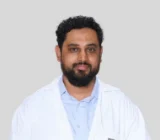
Head of Surgical Oncology
12+ years · MBBS, MS (General Surgery), M.Ch (Surgical Oncology)
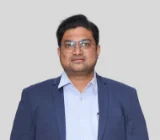
8+ years · MBBS, MS (General Surgery), M.Ch (Surgical Oncology), FMAS, FARIS (Ongoing)
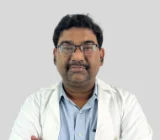
20+ years · MBBS (AIIMS), MS (Surgery) (AIIMS), DNB (Surgical Oncology), MRCS (Edinburgh)
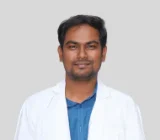
10+ years · MBBS, MS (General Surgery), M.Ch (Surgical Oncology)
7+ years · MBBS, MS (General Surgery), M.Ch (Surgical Oncology), FMAS
5+ years · MBBS, MS (General Surgery), DrNB (Surgical Oncology), FALS Oncology
10+ years · MBBS, MS (General Surgery), DrNB (Surgical Oncology)
Treat cancer with medicines such as chemotherapy.
10+ years · MBBS, DM (Medical Oncology), MD (Radiation Oncology)
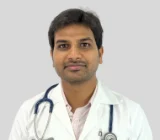
10+ years · MBBS, DNB (Internal Medicine), DM (Medical Oncology)
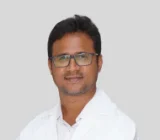
8+ years · MBBS (Gold Medal), DNB (General Medicine), DM (Medical Oncology) (Gold Medal)
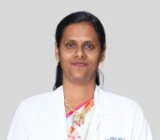
8+ years · MBBS, MD (General Medicine), DM (Medical Oncology) (Adyar, Chennai), ECMO, MRCP SCE (UK)
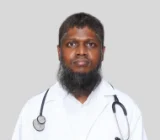
8+ years · MBBS, MD (General Medicine), DrNB (Medical Oncology), ECMO, MRCP SCE (Medical Oncology) (UK)
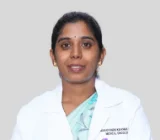
7+ years · MBBS, DM (Medical Oncology), MD (Internal Medicine)
Diagnoses and treats blood cancers and blood disorders.
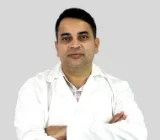
10+ years · MBBS, MD (Immunohaematology & Blood Transfusion), Fellowship in Clinical Haematology (CMC Vellore)
Start with a Consultation
Ask for the doctor you want, or we’ll match you.
Side effects depend on the part of the body treated. They usually build slowly over the course and settle over the weeks after it ends.
The treated skin can turn red, dry or darker, a little like sunburn. Use only the creams the team suggests, and wear loose cotton clothes.
Common, and often worse towards the end of the course. Travel adds to it, which is one more reason to plan where the patient will stay.
With head and neck treatment, the mouth can get sore and food may taste different. The team advises on soft foods and mouth care early.
Treatment to the pelvis can cause loose motions or a frequent urge to pass urine. Tell the team at the next review rather than waiting.
A full course given with the aim of controlling the cancer for the long term, often over several weeks.
Treatment aimed at easing a symptom such as pain or bleeding, rather than removing the cancer. Usually a shorter course.
The amount of radiation, measured in units called Gray. Your plan splits it into small daily portions.
A scan in the exact position you will lie in for treatment. Small skin marks help line you up each day.
A few extra sessions aimed at a smaller area where the tumour was, given at the end of the main course.
Three things: where the treatment happens, where the patient will stay, and what it will cost. Settle all three before the first session, because changing course halfway through is hard on the patient.
The care team names the centre that gives the radiotherapy and tells you how far it is from Pargi. Ask whether the planning scan and the daily treatment happen in the same place, and who to call there if something changes.
Families from Pargi, Tandur, Vikarabad and nearby villages often find daily travel tiring for the patient. Some arrange a place to stay near the centre on weekdays. Others travel daily at first and decide later. Talk it through with the team before you start.
CION's team helps with cashless insurance and gives you a written estimate before you start. If the family holds a government or employer scheme, ask the care team to check it when you call. Keep a separate budget for travel and food.
Good to know
This page cannot tell you whether radiation suits your case. Your reports, read by a radiation oncologist, can.
Myth
What is true: Hair loss happens only in the area being treated. A patient treated for a breast or pelvic cancer keeps the hair on their head, unless chemotherapy is also part of the plan.
Myth
What is true: With the usual external radiotherapy, nothing stays in the body after each session. Family life can go on as normal. Your doctor will tell you if a special internal treatment needs any precautions.
Myth
What is true: There is no evidence for this. Radiation damages cancer cells so they cannot keep growing. When cancer is found elsewhere later, it was usually already present before treatment, in amounts too small to see.
Myth
What is true: Sometimes a shorter course is right, and sometimes it is not. The number of sessions is chosen for the cancer and its aim. Ask your doctor why a course is the length it is.
Every CION specialist page for Pargi, and the Pargi location page.
How CION serves families from Pargi
Start here if you are not sure which specialist you need
When chemotherapy is part of the plan
Estimates, insurance help and avoiding repeat tests
The general guidance on this page draws on these sources. Facts about CION come from CION’s own pages.
Leave your number and our care team calls you back, or call any time. One helpline serves every CION centre.
Medically reviewed by Dr. Kirti Ranjan Mohanty, Consultant Radiation Oncologist (MBBS, MD (Radiation Oncology)). Last reviewed October 2026. This page is general information for families from Pargi, not medical advice: your specialist advises on tests and treatment after seeing you.
Still unsure? Call 1800 202 8726.
No. CION has no centre and no partner hospital in Pargi, and radiotherapy is not given there. The care team books the nearest CION clinic for your consultation and names the centre that would give the treatment, with how far it is, before you agree to anything.
Dr. Kirti Ranjan Mohanty, MBBS, MD (Radiation Oncology), and Dr. Gangadhar Vajrala, MBBS, MD (Radiation Oncology), MPH. They are part of the CION team that serves families from Pargi. The care team tells you where and when each doctor sees patients.
Every report you have: the biopsy report, scan reports and films or CDs, blood tests and discharge summaries. Bring older ones too. Also bring a list of the medicines the patient takes, and the family member who will help with decisions and travel during treatment.
A course aimed at treating the cancer usually means going in every weekday for several weeks, with weekends off. Courses for pain or bleeding are often much shorter. Your doctor explains the length of your own course, and why, at the consultation.
Some people do, especially early in the course, if the work is light. Tiredness often builds towards the end. With the travel from Pargi added in, most families plan for the patient to rest more than usual. Ask the doctor what to expect for your treatment area.
For some cancers, yes. Your plan will say so. CION does not arrange chemotherapy in Pargi, so the care team tells you where it is given, usually close to the radiotherapy centre, so the two fit on the same treatment days.
CION's team helps with cashless insurance and gives you a written estimate before you start. Bring your policy card to the first visit. If you hold a government or employer scheme, tell the care team when you call so they can check it for you.
Yes. Share the plan and every report behind it. A radiation oncologist will go through it and tell you whether they agree, and if not, why. A second opinion does not commit you to treatment with CION, and it rarely costs much time.
Follow Us:



 1800 120 2676