 Call Us
Careful watching
Some slow-growing lymphomas and leukaemias are watched with regular tests, and treatment starts only if the disease begins to cause trouble. This is a real plan, not neglect.
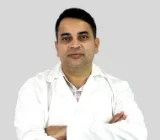 1 CION specialist for Rajanna Sircilla
Dr. Basudev Pokhrel, CION’s haematologist, works with the medical oncology team on leukaemia, lymphoma and myeloma. Call to check where and when your doctor is in.
Haematologist
10+ years · MBBS, MD (Immunohaematology & Blood Transfusion), Fellowship in Clinical Haematology (CMC Vellore)
Share your details and our care team will call you back to fix a time with the right specialist.
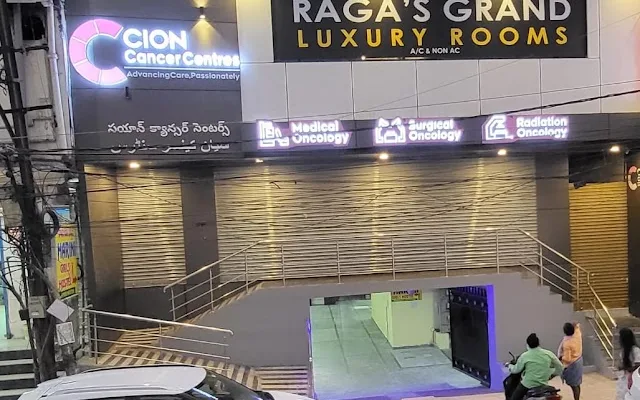
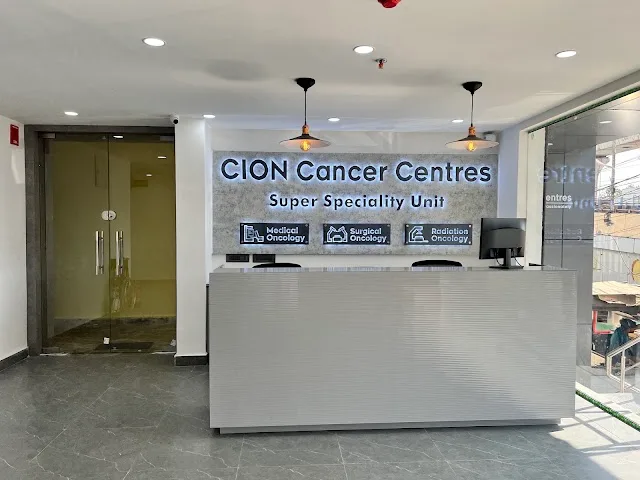
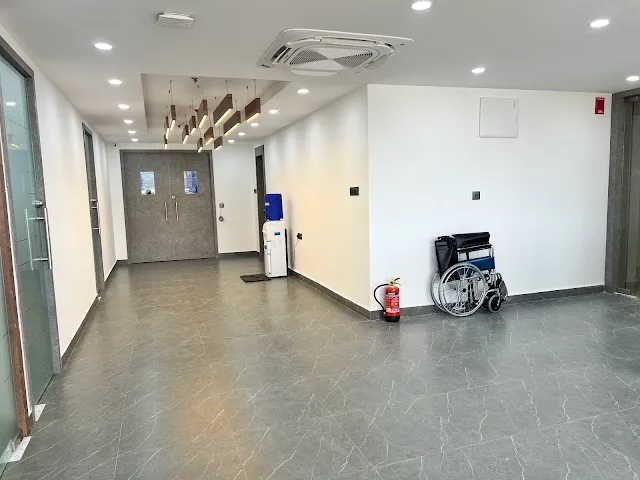
A look inside CION L.B. Nagar
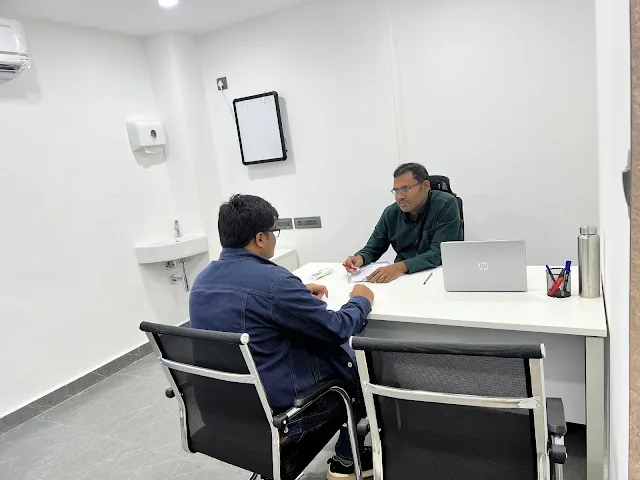
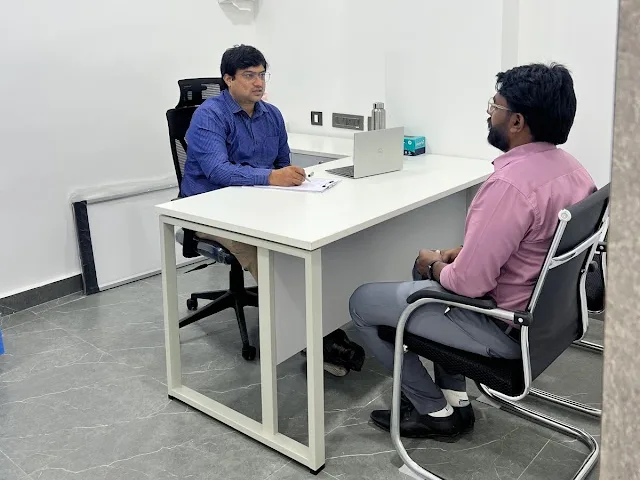
Other CION locations in Telangana

Read out what was flagged. The care team asks about fevers, bleeding, weight loss and how the patient is coping, to judge how soon to book.

Send photos of every blood count, smear report and scan. The team may suggest a repeat count near home first, so it is ready on the day.
Dr. Pokhrel sees the patient at CION Kukatpally or CION L.B. Nagar, whichever the team books. Bring a relative and all original reports.

Confirming tests come first. Then you hear the plan, the choices and a written estimate before treatment starts.
The choice depends on the type, the patient's fitness and what the tests show. These are the broad approaches you may hear about.
Some slow-growing lymphomas and leukaemias are watched with regular tests, and treatment starts only if the disease begins to cause trouble. This is a real plan, not neglect.
Medicines that kill fast-dividing cells, often given in repeated rounds. Some blood cancers need a hospital stay for the first part; others are treated with day visits.
Tablets or drips aimed at a feature of the cancer cells. Some are taken at home for long periods, with regular blood tests to check how they are working.
A bone marrow transplant is considered only for certain types at certain points. If it is part of the discussion, the care team explains where it would be done.
Every case goes to CION’s network tumour board, where these specialists from CION’s centres join your doctor. Ask for any of them when you book.
Treat cancer with medicines such as chemotherapy.
10+ years · MBBS, DM (Medical Oncology), MD (Radiation Oncology)
10+ years · MBBS, DNB (Internal Medicine), DM (Medical Oncology)

8+ years · MBBS (Gold Medal), DNB (General Medicine), DM (Medical Oncology) (Gold Medal)
8+ years · MBBS, MD (General Medicine), DM (Medical Oncology) (Adyar, Chennai), ECMO, MRCP SCE (UK)

8+ years · MBBS, MD (General Medicine), DrNB (Medical Oncology), ECMO, MRCP SCE (Medical Oncology) (UK)
7+ years · MBBS, DM (Medical Oncology), MD (Internal Medicine)
Treat cancer with carefully aimed radiation.

10+ years · MBBS, MD (Radiation Oncology), MPH
Decide whether an operation can remove the cancer, and when.
Head of Surgical Oncology
12+ years · MBBS, MS (General Surgery), M.Ch (Surgical Oncology)
8+ years · MBBS, MS (General Surgery), M.Ch (Surgical Oncology), FMAS, FARIS (Ongoing)
20+ years · MBBS (AIIMS), MS (Surgery) (AIIMS), DNB (Surgical Oncology), MRCS (Edinburgh)

10+ years · MBBS, MS (General Surgery), M.Ch (Surgical Oncology)
7+ years · MBBS, MS (General Surgery), M.Ch (Surgical Oncology), FMAS
5+ years · MBBS, MS (General Surgery), DrNB (Surgical Oncology), FALS Oncology
10+ years · MBBS, MS (General Surgery), DrNB (Surgical Oncology)
Start with a Consultation
Ask for the doctor you want, or we’ll match you.
The part of red cells that carries oxygen. When it is low, people feel tired and breathless.
Tiny cells that help blood clot. A low count can cause bruising and bleeding.
The cells that fight infection. Too few raises the risk of infection. Far too many can be a sign of leukaemia.
Young, immature blood cells. A few in the marrow is normal. Blasts in the blood stream need a specialist's attention.
A blood test that rises when cells are breaking down quickly. It helps doctors judge how active some blood cancers are.
Why it helps: The type decides the treatment
Why it helps: Some types can safely be watched
Why it helps: Lets the family plan travel and stay
Why it helps: Saves trips between visits
Why it helps: Fever on treatment needs fast action
Prepare the papers and the patient. A first visit with a complete history can often move straight to the confirming tests, which may save a second trip.
Families from Vemulawada, Konaraopeta, Gambhiraopet and Chandurthi often have reports from several laboratories. Put every blood count in date order, then add scans, biopsy results, discharge summaries and the list of medicines.
Low white cells make infections more likely. Carry clean water and home food, wash hands often, and keep the patient away from anyone with a cough or fever. If a fever starts before the visit, go to the nearest emergency department.
Bring the relative who will help make decisions, and who can stay an extra day if tests run on. Write your questions down the night before. A patient who is tired or worried often forgets what was said, so the companion's notes become the family's record of the plan.
CION's team helps with cashless insurance and gives you a written estimate before you start. If the family holds a government or employer scheme, ask the care team to check it when you call.
Myth
What is true: Outcomes vary widely by type. Many blood cancers respond well to treatment, and some can be kept under control for many years. Only the exact diagnosis tells you what to expect.
Myth
What is true: For some slow types, careful watching is the recommended treatment. Starting medicines too early can bring side effects without any gain. Regular tests keep track of the disease.
Myth
What is true: Some of the most effective medicines for certain blood cancers are tablets taken at home. What matters is taking them exactly as prescribed and keeping up with blood tests.
Myth
What is true: Normal counts are good news, but stopping early can let the disease return. Never stop or change a medicine without talking to the haematologist first.
Every CION specialist page for Rajanna Sircilla, and the Rajanna Sircilla location page.
How CION serves families from the district
If the report points to a solid tumour
How cancer medicines are planned
When radiotherapy is part of a plan
The general guidance on this page draws on these sources. Facts about CION come from CION’s own pages.
Leave your number and our care team calls you back, or call any time. One helpline serves every CION centre.
Medically reviewed by Dr. Basudev Pokhrel, Consultant Haematologist (MBBS, MD (Immunohaematology & Blood Transfusion), Fellowship in Clinical Haematology (CMC Vellore)). Last reviewed October 2026. This page is general information for families from Rajanna Sircilla, not medical advice: your specialist advises on tests and treatment after seeing you.
Still unsure? Call 1800 202 8726.
No. CION has no centre and no partner hospital in Rajanna Sircilla. For blood problems, the care team reviews your reports by phone and books Dr. Basudev Pokhrel in Hyderabad, at CION Kukatpally or CION L.B. Nagar, and tells you where each test is done.
Dr. Basudev Pokhrel holds an MBBS, an MD in Immunohaematology and Blood Transfusion, and a Fellowship in Clinical Haematology from CMC Vellore. He is CION's haematologist and sees patients at CION Kukatpally and CION L.B. Nagar.
Yes. Routine counts and repeat tests at a local laboratory are useful. Share the printed reports with the care team. If specialised tests are needed, they tell you where those are done, so samples go to the right place the first time.
No. Some slow types are watched first. Others are treated with targeted tablets, and some do need chemotherapy. Dr. Pokhrel explains which approach suits the exact type, and why, before you agree to anything.
It depends on the diagnosis and the plan. Some patients need regular visits early on, then fewer. Many follow-up blood counts can be done near home and shared with the team. Ask at each visit when the next one is needed.
Treat it as urgent. Go to the nearest emergency department straight away and tell them about the blood condition and treatment. Then call the care team. A fever with low white cells can become serious quickly.
CION's team helps with cashless insurance and gives you a written estimate before you start. Bring the policy card. If the family holds a government or employer scheme, ask the care team to check it when you call, so there are no surprises later.
Yes. Share the diagnosis, the reports behind it and any proposed plan. Dr. Pokhrel will tell you whether he agrees and why. A second opinion does not commit you to treatment with CION, and with so many types of blood cancer it is often worth it.
Follow Us:



 1800 120 2676