 Call Us
Dr. Vinay Mamidala
Surgical oncologist. MBBS, MS (General Surgery), M.Ch (Surgical Oncology) and FMAS, a fellowship in keyhole surgery, with FARIS ongoing.
He can help with
- Whether the tumour can be removed
- Which operation suits the stage
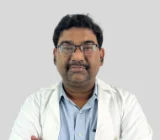
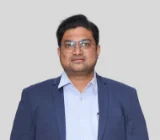 2 CION specialists for Ranga Reddy
They decide whether an operation can remove the cancer, and plan it with medical and radiation oncologists. Call to check where and when your doctor is in.
Surgical Oncologist
Surgical Oncologist
Share your details and our care team will call you back to fix a time with the right specialist.
Other CION locations in Telangana
A surgeon rarely decides alone. These are the people who shape the plan for a Ranga Reddy patient.
Surgical oncologist. MBBS, MS (General Surgery), M.Ch (Surgical Oncology) and FMAS, a fellowship in keyhole surgery, with FARIS ongoing.
He can help with
Surgical oncologist. MBBS and MS (Surgery) from AIIMS, DNB (Surgical Oncology) and MRCS (Edinburgh).
He can help with
They plan the medicines and the radiotherapy that may come before or after surgery. Radiotherapy is given at a centre your care team names, usually every weekday for several weeks.
Your single point of contact. They book appointments at Shankarpally or in Hyderabad, explain where each step happens, and help with the insurance paperwork.

You ring the helpline or leave your number. The care team asks what has been found, which hospital found it, and which language the family prefers.

The surgical oncologist goes through every report, examines the patient, and explains what is known and what is still missing.

A biopsy or staging scan may be needed. Then surgical, medical and radiation oncologists agree the order of treatment together.

You are told where the operation happens, how far it is from your home, and what it is likely to cost, in writing, before you decide.

The surgeon reads the final report with you. Any chemotherapy that follows can often be arranged in Shankarpally, and check-ups continue through the care team.
Every case goes to CION’s network tumour board, where these specialists from CION’s centres join your doctor. Ask for any of them when you book.
Decide whether an operation can remove the cancer, and when.
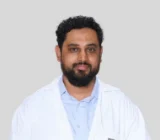
Head of Surgical Oncology
12+ years · MBBS, MS (General Surgery), M.Ch (Surgical Oncology)
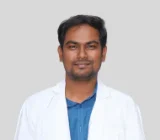
10+ years · MBBS, MS (General Surgery), M.Ch (Surgical Oncology)
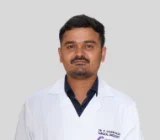
7+ years · MBBS, MS (General Surgery), M.Ch (Surgical Oncology), FMAS
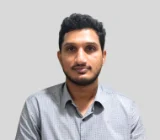
5+ years · MBBS, MS (General Surgery), DrNB (Surgical Oncology), FALS Oncology
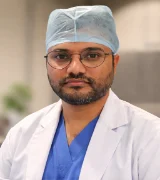
10+ years · MBBS, MS (General Surgery), DrNB (Surgical Oncology)
Treat cancer with carefully aimed radiation.
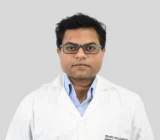

10+ years · MBBS, MD (Radiation Oncology), MPH
Treat cancer with medicines such as chemotherapy.
10+ years · MBBS, DM (Medical Oncology), MD (Radiation Oncology)
10+ years · MBBS, DNB (Internal Medicine), DM (Medical Oncology)
8+ years · MBBS (Gold Medal), DNB (General Medicine), DM (Medical Oncology) (Gold Medal)
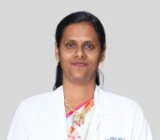
8+ years · MBBS, MD (General Medicine), DM (Medical Oncology) (Adyar, Chennai), ECMO, MRCP SCE (UK)
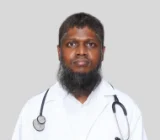
8+ years · MBBS, MD (General Medicine), DrNB (Medical Oncology), ECMO, MRCP SCE (Medical Oncology) (UK)
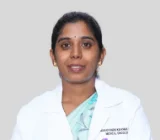
7+ years · MBBS, DM (Medical Oncology), MD (Internal Medicine)
Diagnoses and treats blood cancers and blood disorders.
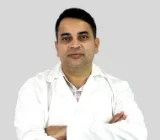
10+ years · MBBS, MD (Immunohaematology & Blood Transfusion), Fellowship in Clinical Haematology (CMC Vellore)
Start with a Consultation
Ask for the doctor you want, or we’ll match you.
A surgeon who says "not yet" is often protecting you. Surgery is powerful when it is the right step, and harmful when it is not. These are the usual reasons it waits.
Leukaemia, lymphoma and myeloma are treated with medicines. A surgeon may take a biopsy, but a haematologist or medical oncologist leads the treatment.
When scans show cancer in distant organs, treatment that reaches the whole body usually comes first. An operation may still help later, for a specific problem such as a blockage.
For some breast, rectal, food pipe and bone cancers, chemotherapy or radiotherapy is given before surgery. This is called neoadjuvant treatment. It can turn a large operation into a smaller one.
Some cancers of the cervix, throat and voice box are usually treated with radiotherapy and chemotherapy together, keeping the organ in place.
Good to know
This page cannot tell you which of these applies to you. Your reports, read by a surgical oncologist, can.
A small piece of tissue taken to find out exactly what a lump is. It comes before any big operation.
The rim of healthy tissue removed around the tumour. A clear margin means no cancer was seen at the edge.
Small glands near the tumour. The report says whether any held cancer cells.
An operation through small cuts using a camera. It suits some cancers and not others.
How far the cancer has spread. It decides whether surgery comes first and whether more treatment follows.
Chemotherapy or radiotherapy given after surgery to lower the chance of the cancer coming back.
Myth
What is true: Size is not the test. Ask whether a surgical oncologist plans the operation and whether medical and radiation oncologists review the case too. That matters more than the building.
Myth
What is true: A planned cancer operation removes the tumour with healthy tissue around it. Putting off a needed operation is what gives the cancer time.
Myth
What is true: The final report decides. Some people need nothing more. Others are advised chemotherapy or radiotherapy afterwards to lower the chance of return. Your surgeon explains which group you are in once the report arrives.
Myth
What is true: A second opinion usually takes little time and can prevent the wrong operation. Good surgeons expect families to ask for one, and it does not commit you to treatment anywhere.
Every CION specialist page for Ranga Reddy, and the Ranga Reddy location page.
CION's Shankarpally partner hospitals for the district
How cancer operations are planned for district patients
The kinds of cancer specialist, and who to see first
Why several specialists agree the plan before an operation
The general guidance on this page draws on these sources. Facts about CION come from CION’s own pages.
Leave your number and our care team calls you back, or call any time. One helpline serves every CION centre.
Medically reviewed by Dr. Vinay Mamidala, Consultant Surgical Oncologist (MBBS, MS (General Surgery), M.Ch (Surgical Oncology), FMAS, FARIS (Ongoing)). Last reviewed October 2026. This page is general information for families from Ranga Reddy, not medical advice: your specialist advises on tests and treatment after seeing you.
Still unsure? Call 1800 202 8726.
Dr. Vinay Mamidala and Dr. Muralidhar Muddusetty are CION's surgical oncologists on the team that serves Ranga Reddy. They are not listed as seeing patients in Shankarpally. The care team tells you where and when each one sees patients and books the consultation for you.
They are CION's partner hospitals, all in Shankarpally. CION's oncologists consult there, and chemotherapy is arranged locally at these hospitals. Cancer surgery is not done at any CION location, so the care team names the hospital for your operation.
Call the helpline and tell the care team where you live. Families from Chevella, Shamshabad, Shadnagar, Ibrahimpatnam and Maheshwaram are all served. The team suggests whether Shankarpally or a CION centre in Hyderabad is easier for your first visit.
Once the plan is agreed at the tumour board, the care team names the hospital, tells you how far it is from your home, and gives you a written estimate. You are asked to decide only after you have all of that.
Often, yes. Chemotherapy is arranged locally at CION's partner hospitals in Shankarpally. Your medical oncologist plans it once the final surgical report is in, and tells you if any part of it needs to happen somewhere else.
CION's team helps with cashless insurance and gives you a written estimate before you start. Bring your insurance card and policy papers to the first consultation. If you are covered by a government or employer scheme, mention it when you call.
You will be told what is normal and what is not. For high fever, heavy bleeding, a wound that opens or sudden breathlessness, go to the nearest emergency department first. Then call the care team so your surgeon knows.
Yes. A son, daughter or spouse can bring the reports for a first conversation, which helps when the patient is weak or lives far away. The surgeon still needs to examine the patient before an operation is planned.
Follow Us:



 1800 120 2676