 Call Us
Biopsy
A small piece of tissue removed to confirm cancer and find its type. It does not spread the cancer.
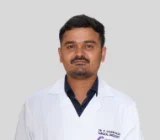 1 CION specialist for Razam
They decide whether an operation can remove the cancer, and plan it with medical and radiation oncologists. Call to check where and when your doctor is in.
Surgical Oncologist
Share your details and our care team will call you back to fix a time with the right specialist.
Other CION locations in Andhra Pradesh
A small piece of tissue removed to confirm cancer and find its type. It does not spread the cancer.
How different the cancer cells look from normal cells. It is not the same as stage.
How far the cancer has spread. It is the main thing that decides whether surgery comes first.
The edge of the tissue removed. A clear margin means no cancer cells were seen at that edge.
Medicines or radiotherapy given before an operation to shrink the cancer. Adjuvant means the same given after.
The tumour board decides the order for your case. These are the usual patterns.
A solid cancer found early and still in one place is often removed first. The full tissue report then shows whether more treatment is needed. Follow-up visits then watch for any sign of it coming back.
Often seen with
A large tumour, or one close to an important structure, may be shrunk first. The operation that follows can be smaller and safer, and easier to recover from.
Blood cancers are treated with medicines. Cancer that has spread widely is usually treated with medicines too, because removing one tumour seldom helps. Some people are not fit for a long anaesthetic.
When cancer cannot be removed, a smaller operation may ease a blockage, bleeding or pain. This is called palliative surgery, and it aims at daily comfort.
Every case goes to CION’s network tumour board, where these specialists from CION’s centres join your doctor. Ask for any of them when you book.
Decide whether an operation can remove the cancer, and when.
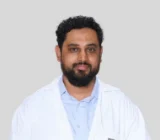
Head of Surgical Oncology
12+ years · MBBS, MS (General Surgery), M.Ch (Surgical Oncology)
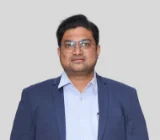
8+ years · MBBS, MS (General Surgery), M.Ch (Surgical Oncology), FMAS, FARIS (Ongoing)
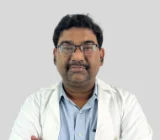
20+ years · MBBS (AIIMS), MS (Surgery) (AIIMS), DNB (Surgical Oncology), MRCS (Edinburgh)
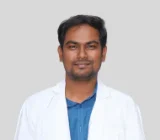
10+ years · MBBS, MS (General Surgery), M.Ch (Surgical Oncology)
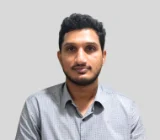
5+ years · MBBS, MS (General Surgery), DrNB (Surgical Oncology), FALS Oncology
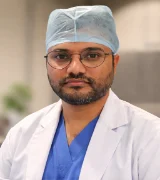
10+ years · MBBS, MS (General Surgery), DrNB (Surgical Oncology)
Treat cancer with carefully aimed radiation.
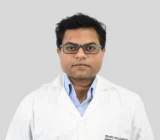
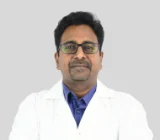
10+ years · MBBS, MD (Radiation Oncology), MPH
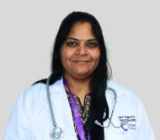
Treat cancer with medicines such as chemotherapy.
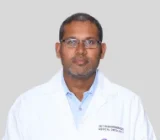
10+ years · MBBS, DM (Medical Oncology), MD (Radiation Oncology)
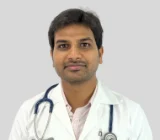
10+ years · MBBS, DNB (Internal Medicine), DM (Medical Oncology)
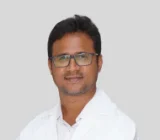
8+ years · MBBS (Gold Medal), DNB (General Medicine), DM (Medical Oncology) (Gold Medal)
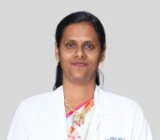
8+ years · MBBS, MD (General Medicine), DM (Medical Oncology) (Adyar, Chennai), ECMO, MRCP SCE (UK)
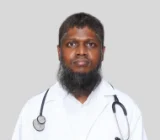
8+ years · MBBS, MD (General Medicine), DrNB (Medical Oncology), ECMO, MRCP SCE (Medical Oncology) (UK)
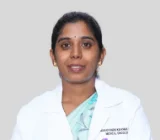
7+ years · MBBS, DM (Medical Oncology), MD (Internal Medicine)
Diagnoses and treats blood cancers and blood disorders.
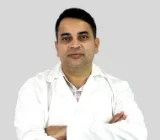
10+ years · MBBS, MD (Immunohaematology & Blood Transfusion), Fellowship in Clinical Haematology (CMC Vellore)
Start with a Consultation
Ask for the doctor you want, or we’ll match you.
Less than many families fear. The operation happens at a hospital your care team names. Most of the visits around it can be arranged close to Razam, through the partner hospital.
The first consultation with Dr. Gowri Naidu, the talk about options, and any medicines given first to shrink the tumour can begin at Suresh Kumar Hospital, Rajam. If a test has to be done elsewhere, the care team tells you where and why.
Wound checks, the final tissue report and any chemotherapy that follows can often return to Rajam. That saves repeated long trips while you recover.
Families from Narasannapeta, Palakonda and Srikakulam can use the same route, or another CION location if it suits them better. The same helpline books both.
Once the hospital is named, ask what to pack, whether one family member can stay alongside, and who to call after discharge if the wound bleeds or a fever starts. Families who plan this early find the stay far less stressful.
Good to know
This page cannot tell you whether you need an operation. Your reports can. Share them with the care team and they will book a consultation.
Say what has been found and which hospital found it. The care team fixes a time at Suresh Kumar Hospital, Rajam, or with the Visakhapatnam team. Ask for the language your family is most comfortable in.
Biopsy reports, scan films and CDs, blood tests and discharge summaries, old ones too. Bring the family member who helps decide, so nothing has to be explained twice.
Dr. Gowri Naidu examines you and explains whether surgery is likely to help, what else may be needed, and what is still unknown. If a test is missing, she says which one and why.
After the tumour board, you hear the hospital, its distance, the likely stay and a written estimate. Then your family decides, with time to talk it over at home.
Expect to hear: A reason tied to your stage and your reports
Expect to hear: A named hospital and its distance from Razam
Expect to hear: A likely range, and whether family can stay too
Expect to hear: An honest view on chemotherapy or radiotherapy
Expect to hear: A written estimate and help with cashless insurance
Myth
What is true: Many cancers do not hurt early. A lump that does not hurt is not a safe lump. Getting it checked early often means a smaller operation and an easier recovery.
Myth
What is true: A biopsy does not make cancer grow or spread. Without it, no surgeon can know what type of cancer it is, or plan the right operation.
Myth
What is true: Most people return to daily life after recovery. How long that takes depends on the operation. Ask the surgeon what to expect for work, meals and family duties. Ask too what help the patient will need at home in the first stretch after discharge.
Myth
What is true: A no to surgery usually means another treatment should come first. Medicines and radiotherapy treat many cancers well. Ask what the plan is instead, and when surgery might be looked at again.
Every CION specialist page for Razam, and the Razam location page.
The partner hospital and services for Razam
Chemotherapy before or after an operation
When radiotherapy is part of the plan
How CION arranges a cancer operation
The general guidance on this page draws on these sources. Facts about CION come from CION’s own pages.
Leave your number and our care team calls you back, or call any time. One helpline serves every CION centre.
Medically reviewed by Dr. Gowri Naidu, Consultant Surgical Oncologist (MBBS, MS (General Surgery), M.Ch (Surgical Oncology), FMAS). Last reviewed October 2026. This page is general information for families from Razam, not medical advice: your specialist advises on tests and treatment after seeing you.
Still unsure? Call 1800 202 8726.
Dr. Gowri Naidu (MBBS, MS General Surgery, M.Ch Surgical Oncology, FMAS) sees patients in Razam. The care team tells you the day and confirms the hospital before you travel.
CION's partner hospital is Suresh Kumar Hospital in Rajam. CION does not run its own centre in Razam. Consultations take place there, and chemotherapy is arranged locally.
No CION location performs surgery. Your care team names the hospital that will do the operation and tells you how far it is from Razam, before your family agrees.
Yes. Chemotherapy is arranged locally at Suresh Kumar Hospital, Rajam. That covers medicines before an operation to shrink a tumour, and after it to lower the chance of the cancer coming back.
No. Call the helpline or leave your number on this page. A letter helps, but your reports, scans and discharge summaries matter much more.
Yes. Bring the plan and the reports behind it. The surgeon will tell you whether she agrees, and why. A second opinion does not commit you to treatment with CION.
CION's team helps with cashless insurance and gives you a written estimate before you start. Bring your insurance card and policy papers to the first visit.
Heavy bleeding, severe pain, high fever or sudden difficulty breathing need the nearest emergency department first. Then call the helpline so the care team can adjust the plan.
Follow Us:



 1800 120 2676