 Call Us
Simulation
Another name for the planning scan, taken in the exact position you will be treated in.
 1 CION specialist for S. Kota
They plan radiotherapy with your surgeon and medical oncologist, and your care team names the centre that gives it. Call to check where and when your doctor is in.
Radiation Oncologist
Share your details and our care team will call you back to fix a time with the right specialist.
Other CION locations in Andhra Pradesh

Dr. Sushma reads your reports and examines you at the partner hospital, then explains whether radiotherapy has a part to play and what it would aim to do.

Your case is discussed with medical and surgical oncologists. They agree whether rays come before or after surgery, with chemotherapy, or not at all.
The care team names the treating centre. There, a planning scan is taken in your treatment position, and the doctor maps the exact area to treat.

Usually every weekday for several weeks, with reviews during the course and follow-up visits once it ends.
Travel, stay, food and who goes along. Radiotherapy usually means going in every weekday for several weeks, so these practical matters decide how smoothly the course runs.
Your care team names the centre that gives the radiotherapy and tells you how far it is from S. Kota before you agree. Families from Vizianagaram, Bobbili, Gajapathinagaram and Parvathipuram ask the same question. Some decide to travel each weekday. Others stay near the centre with relatives for the length of the course.
Chemotherapy is arranged locally at Sanjeevini Multi Speciality. Blood tests between visits can often be done there too. Ask which reviews can also stay local, so the long trips are only for the radiotherapy itself.
Some problems should not wait for the weekly review. A high fever, bleeding, skin that breaks open, being unable to drink, or sudden breathlessness all need a call to the care team the same day. If the patient is very unwell, go to the nearest emergency department first and let the team know after.
CION's team helps with cashless insurance and gives you a written estimate before you start. Put travel and stay into your own budget as well, since those costs add up over several weeks.
Good to know
This page cannot tell you how long your own course will be. Your radiation oncologist will, once the planning scan is done.
Every case goes to CION’s network tumour board, where these specialists from CION’s centres join your doctor. Ask for any of them when you book.
Treat cancer with carefully aimed radiation.
10+ years · MBBS, MD (Radiation Oncology), MPH
Decide whether an operation can remove the cancer, and when.
Head of Surgical Oncology
12+ years · MBBS, MS (General Surgery), M.Ch (Surgical Oncology)
8+ years · MBBS, MS (General Surgery), M.Ch (Surgical Oncology), FMAS, FARIS (Ongoing)
20+ years · MBBS (AIIMS), MS (Surgery) (AIIMS), DNB (Surgical Oncology), MRCS (Edinburgh)
10+ years · MBBS, MS (General Surgery), M.Ch (Surgical Oncology)
7+ years · MBBS, MS (General Surgery), M.Ch (Surgical Oncology), FMAS
5+ years · MBBS, MS (General Surgery), DrNB (Surgical Oncology), FALS Oncology
10+ years · MBBS, MS (General Surgery), DrNB (Surgical Oncology)
Treat cancer with medicines such as chemotherapy.
10+ years · MBBS, DM (Medical Oncology), MD (Radiation Oncology)
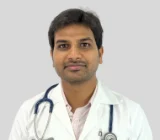
10+ years · MBBS, DNB (Internal Medicine), DM (Medical Oncology)
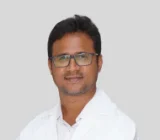
8+ years · MBBS (Gold Medal), DNB (General Medicine), DM (Medical Oncology) (Gold Medal)
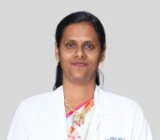
8+ years · MBBS, MD (General Medicine), DM (Medical Oncology) (Adyar, Chennai), ECMO, MRCP SCE (UK)
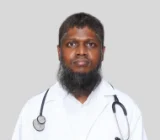
8+ years · MBBS, MD (General Medicine), DrNB (Medical Oncology), ECMO, MRCP SCE (Medical Oncology) (UK)
7+ years · MBBS, DM (Medical Oncology), MD (Internal Medicine)
Diagnoses and treats blood cancers and blood disorders.
10+ years · MBBS, MD (Immunohaematology & Blood Transfusion), Fellowship in Clinical Haematology (CMC Vellore)
Start with a Consultation
Ask for the doctor you want, or we’ll match you.
Another name for the planning scan, taken in the exact position you will be treated in.
The separate daily treatments. The full dose is split up so healthy tissue can recover between visits.
Treatment after surgery to lower the chance of the cancer coming back in the same area.
A course meant to ease pain, bleeding or pressure rather than remove the cancer.
Healthy organs near the tumour that the plan is shaped to protect, such as the spinal cord or bladder.
Most side effects happen in the area being treated and ease after the course ends. Tell the team early rather than putting up with them.
Builds slowly through the weeks and lasts a while after. Rest after each visit, keep the travel routine simple and accept help with household work.
Wash the area gently with plain water and pat it dry. Wear loose cotton. Use only the cream the team suggests, and keep the area out of the sun.
Common when the head and neck are treated. Soft, cool food, salt water rinses and pain relief help. Tell the team if you are losing weight.
Loose motions or burning when passing urine can happen when the pelvis is treated. Drink well and report it, since medicines can settle it.
Myth
What is true: Tiredness is real during and after the course, but for most people energy returns over the following months. Your doctor explains any longer-term effects for your treated area.
Myth
What is true: Every plan is drawn for one person. The area, dose and number of visits differ from patient to patient, even with the same type of cancer.
Myth
What is true: After external beam treatment, nothing stays in the body. Eat together and sleep at home as usual.
Myth
What is true: For some cancers, radiotherapy is central to the plan. The travel is hard, which is why the care team names the centre early and helps you plan around it.
Myth
What is true: The course is planned as a steady run. Unplanned gaps can make it work less well. If a festival, illness or travel problem is coming, tell the treating centre in advance.
Every CION specialist page for S. Kota, and the S. Kota location page.
The partner hospital, services and how to reach the team
How a radiotherapy course is planned and arranged
If chemotherapy is part of your plan
Have an existing plan checked before you start
The general guidance on this page draws on these sources. Facts about CION come from CION’s own pages.
Leave your number and our care team calls you back, or call any time. One helpline serves every CION centre.
Medically reviewed by Dr. Sushma P Venkata, Consultant Radiation Oncologist (MBBS, MD (Radiation Oncology)). Last reviewed October 2026. This page is general information for families from S. Kota, not medical advice: your specialist advises on tests and treatment after seeing you.
Still unsure? Call 1800 202 8726.
Yes. Dr. Sushma P Venkata (MBBS, MD, Radiation Oncology) sees patients in S. Kota through Sanjeevini Multi Speciality, CION's partner hospital. Call the helpline to confirm the day and the unit before you travel.
Sanjeevini Multi Speciality, including its unit at Kothavalasa. CION's oncologists consult there and chemotherapy is arranged locally. CION does not have a centre of its own in S. Kota, so your visits take place at the partner hospital.
No CION location gives radiotherapy. Dr. Sushma plans it, and your care team names the centre that gives it and tells you how far it is. You are told before you agree, so the family can plan the daily travel.
The total dose is split into small daily portions. Healthy tissue recovers between them, while cancer cells recover less well. That is why a full course usually runs every weekday for several weeks rather than in one or two long sessions.
Often, yes. Chemotherapy is arranged at Sanjeevini Multi Speciality. If both treatments run in the same weeks, your doctors plan the days so they fit. Ask at the first visit which days you need to be where.
A relative can bring the reports first. The doctor can explain what they show and what is still missing. The patient will need to be examined before radiotherapy is planned, but a first talk often saves a hard journey.
CION's team helps with cashless insurance and gives you a written estimate before you start. Bring your policy card to the first visit. If a government or employer scheme covers you, mention it when you call so the team can check it.
Yes. Bring the plan and all the reports behind it. Dr. Sushma will tell you whether she agrees, and if not, why. A second opinion does not commit you to treatment with CION.
Follow Us:



 1800 120 2676