 Call Us
Biopsy
A small sample of tissue, taken to find out exactly what a lump is. It usually comes before any major operation.
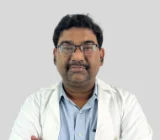
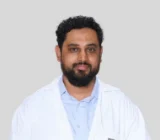 2 CION specialists for Shadnagar
They decide whether an operation can remove the cancer, and plan it with medical and radiation oncologists. Call to check where and when your doctor is in.
Surgical Oncologist
Head of Surgical Oncology
Share your details and our care team will call you back to fix a time with the right specialist.
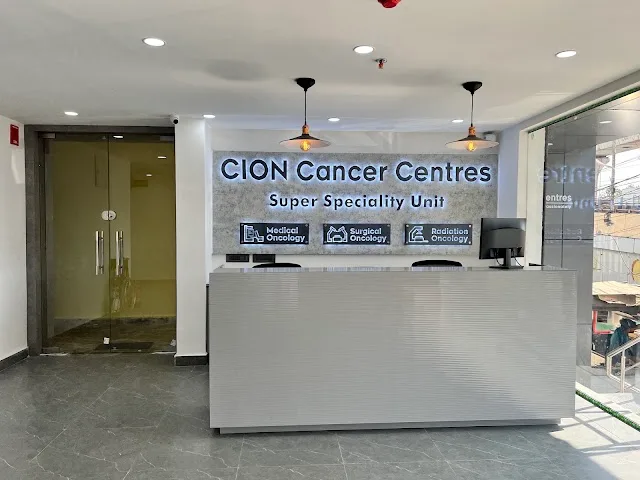
A look inside CION L.B. Nagar
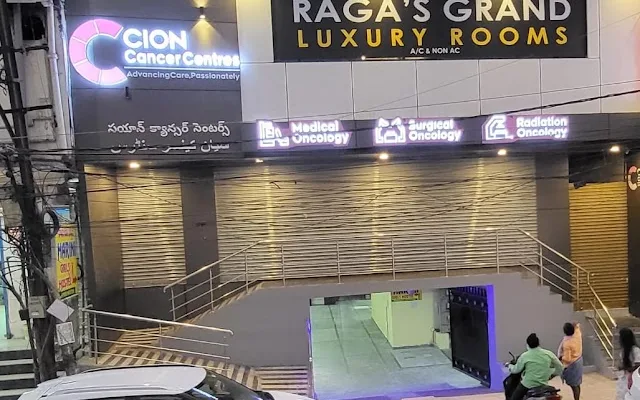
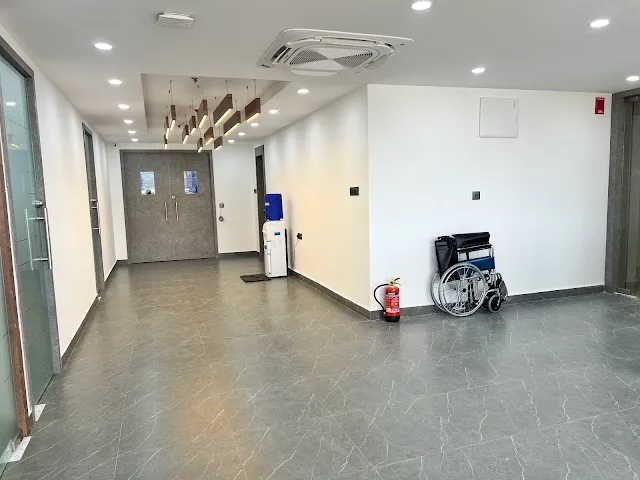
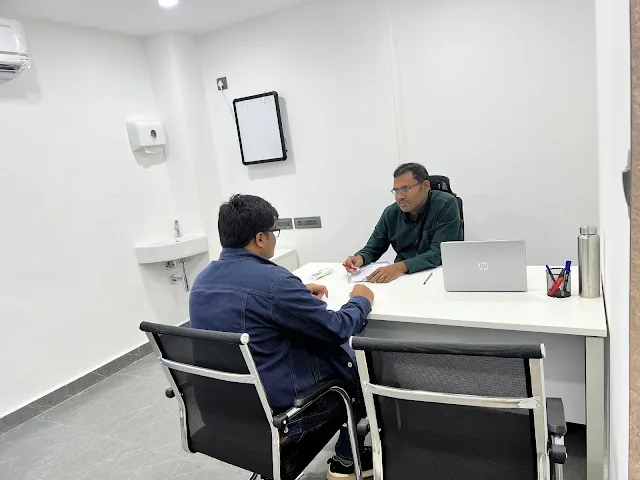
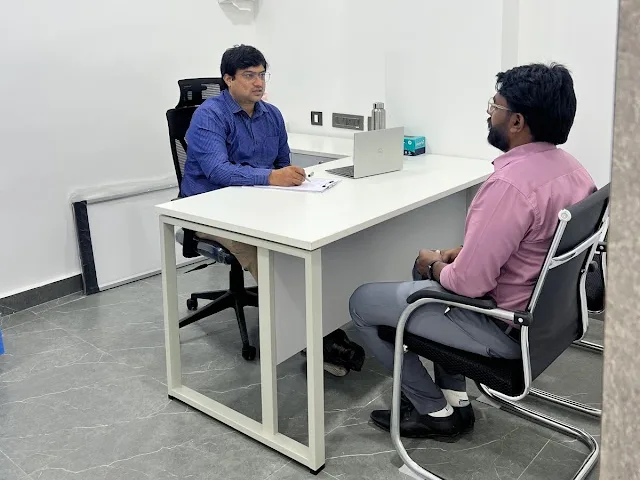
Other CION locations in Telangana

Call the helpline or leave your number on this page. Tell them what was found, where, and what reports you hold. They book a surgical consultation and tell you where to go.

The surgeon reads every report, examines the patient, and explains what is known. Bring the person who will help make decisions, so nothing needs repeating later.

Many people need a biopsy to confirm the type of cancer, or a staging scan to see how far it has spread. You are told why each test matters and where it is done.

At the tumour board, surgical, medical and radiation oncologists decide together whether surgery comes first, later, or not at all.
The care team names the hospital, tells you how far it is from Shadnagar, and gives you a written estimate. Only then are you asked to decide.
A small sample of tissue, taken to find out exactly what a lump is. It usually comes before any major operation.
The rim of healthy tissue removed around the tumour. A clear margin means no cancer cells were seen at the edge.
Small glands near the tumour that cancer can reach first. The report says how many were removed and whether any held cancer.
How far the cancer has spread. It guides whether more treatment is needed after surgery.
Treatment given after surgery is adjuvant. The same treatment given before surgery, to shrink the tumour, is neoadjuvant.
Every case goes to CION’s network tumour board, where these specialists from CION’s centres join your doctor. Ask for any of them when you book.
Decide whether an operation can remove the cancer, and when.
8+ years · MBBS, MS (General Surgery), M.Ch (Surgical Oncology), FMAS, FARIS (Ongoing)
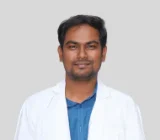
10+ years · MBBS, MS (General Surgery), M.Ch (Surgical Oncology)
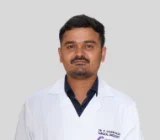
7+ years · MBBS, MS (General Surgery), M.Ch (Surgical Oncology), FMAS
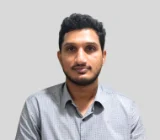
5+ years · MBBS, MS (General Surgery), DrNB (Surgical Oncology), FALS Oncology
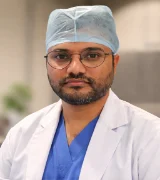
10+ years · MBBS, MS (General Surgery), DrNB (Surgical Oncology)
Treat cancer with carefully aimed radiation.
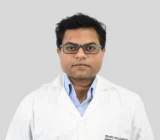
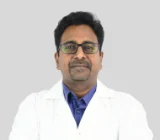
10+ years · MBBS, MD (Radiation Oncology), MPH
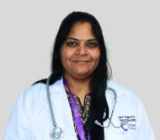
Treat cancer with medicines such as chemotherapy.
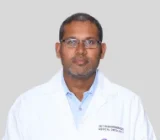
10+ years · MBBS, DM (Medical Oncology), MD (Radiation Oncology)
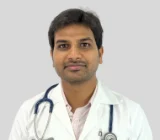
10+ years · MBBS, DNB (Internal Medicine), DM (Medical Oncology)
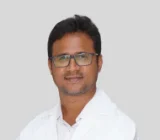
8+ years · MBBS (Gold Medal), DNB (General Medicine), DM (Medical Oncology) (Gold Medal)
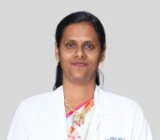
8+ years · MBBS, MD (General Medicine), DM (Medical Oncology) (Adyar, Chennai), ECMO, MRCP SCE (UK)
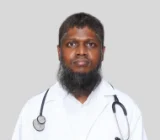
8+ years · MBBS, MD (General Medicine), DrNB (Medical Oncology), ECMO, MRCP SCE (Medical Oncology) (UK)
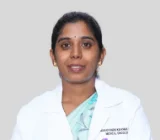
7+ years · MBBS, DM (Medical Oncology), MD (Internal Medicine)
Diagnoses and treats blood cancers and blood disorders.
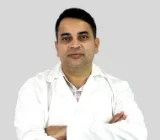
10+ years · MBBS, MD (Immunohaematology & Blood Transfusion), Fellowship in Clinical Haematology (CMC Vellore)
Start with a Consultation
Ask for the doctor you want, or we’ll match you.
The care team tells you where and when each doctor sees patients.
Surgical oncologist with MBBS, MS (General Surgery) and M.Ch (Surgical Oncology). He assesses whether a cancer can be removed and plans the operation.
You might see him for
Surgical oncologist with MBBS and MS (Surgery) from AIIMS, DNB (Surgical Oncology) and MRCS (Edinburgh).
You might see him for
They plan chemotherapy and radiotherapy. Radiotherapy, if needed, is given at a centre your care team names, usually every weekday for several weeks, so ask early about travel and stay.
Books appointments, explains where each step happens, and helps you with the insurance paperwork from the first call onwards.
Families sometimes push for the quickest operation. A good cancer surgeon slows down when surgery is not the right first step, and says so clearly.
Leukaemia, lymphoma and myeloma are treated with medicines. A surgeon may take a biopsy, but a haematologist or medical oncologist leads the treatment.
Cancer found in the liver, lungs or bones as well as where it began is usually treated first with medicines that reach the whole body. Surgery may help later for a specific problem.
Some breast, rectal and food pipe cancers get chemotherapy or radiotherapy before the operation. This can make the operation smaller and the recovery easier.
Heavy weight loss, uncontrolled sugar or a heart problem can make anaesthesia risky. The team may treat these first.
Good to know
This page cannot tell you which of these fits your case. A surgical oncologist reading your reports can.
Myth
What is true: A planned cancer operation removes the tumour along with healthy tissue around it. It does not release the cancer into the body. Delaying a needed operation out of fear is what lets the cancer grow.
Myth
What is true: Speed matters, but so does the plan. A quick operation without a biopsy, or without the right glands removed, can make later treatment harder. A few days spent planning properly is time well used.
Myth
What is true: For some people the operation is all they need. For others the final report shows that chemotherapy or radiotherapy afterwards lowers the chance of return. Follow-up visits matter either way.
Myth
What is true: Second opinions are routine in cancer care. Good doctors expect them. It may confirm the plan, which brings peace of mind, or raise a question worth asking first.
Every CION specialist page for Shadnagar, and the Shadnagar location page.
CION's partner hospitals and services for Shadnagar
Where a cancer operation happens and how it is planned
Which cancer specialist you need first
Have a surgical plan checked before you commit to it
The general guidance on this page draws on these sources. Facts about CION come from CION’s own pages.
Leave your number and our care team calls you back, or call any time. One helpline serves every CION centre.
Medically reviewed by Dr. Imaduddin Mohammed, Head of Surgical Oncology (MBBS, MS (General Surgery), M.Ch (Surgical Oncology)). Last reviewed October 2026. This page is general information for families from Shadnagar, not medical advice: your specialist advises on tests and treatment after seeing you.
Still unsure? Call 1800 202 8726.
Dr. Imaduddin Mohammed and Dr. Muralidhar Muddusetty are CION's surgical oncologists on the team serving Shadnagar. Neither is listed as seeing patients in the town itself. The care team tells you where and when each one sees patients, and books your consultation.
ABV Hospital, Dr. Chandra Sekhar Hospital and Sai Baba Nursing Home are CION's partner hospitals in Shadnagar, where its oncologists consult and chemotherapy is arranged. CION does not perform surgery at any location. The care team names the hospital for your operation before you agree.
Yes. Families from Jadcherla, Farooqnagar, Kothur, Mahbubnagar and Tandur use the same helpline. Tell the care team where you live, and they will suggest the partner hospital or CION centre in Hyderabad that is easiest for your first visit.
No. You can book directly by calling the helpline or leaving your number on this page. A letter from the doctor who found the problem helps but is not required. Bring every report, scan and discharge summary you have.
Usually, yes. Chemotherapy is arranged locally at CION's partner hospitals in Shadnagar. Your medical oncologist plans it once the final surgical report is in, and tells you if any part of it needs to happen elsewhere.
CION's team helps with cashless insurance and gives you a written estimate before you start. Bring your insurance card and policy papers to the first consultation. If you have cover through a government or employer scheme, mention it when you call.
High fever, heavy bleeding, a wound that opens or leaks, or sudden breathlessness need urgent care. Go to the nearest emergency department first and mention the recent operation. Then call the care team so your surgeon is told.
Yes. A son, daughter or spouse can bring the reports for a first conversation, which helps when the patient is weak. The surgeon explains what the reports show and what is still needed. The patient will be examined before any operation is planned.
Follow Us:



 1800 120 2676