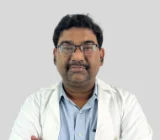
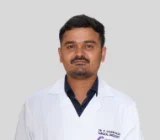
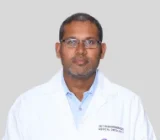
Dr. Muralidhar Muddusetty · Surgical Oncologist20+ years of experience · MBBS (AIIMS), MS (Surgery) (AIIMS), DNB (Surgical Oncology), MRCS (Edinburgh).
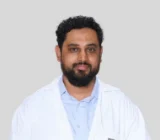
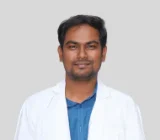
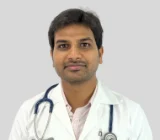
Dr. Vajja Sandeep Kumar · Surgical Oncologist5+ years of experience · MBBS, MS (General Surgery), DrNB (Surgical Oncology), FALS Oncology.
They decide whether an operation can remove the cancer, and plan it with medical and radiation oncologists. Call to check where and when your doctor is in.
What happens once a Siddipet family calls about surgery?
1
The first call
The care team asks what was found, where, and which reports you
hold. They book a surgical consultation and tell you where to go.
2
The consultation
The surgeon reads every report, examines the patient, and explains
what is known and what is still missing. Bring the family member who
will help decide.
3
Tests and tumour board
A biopsy or staging scan may follow. Then surgical, medical and
radiation oncologists agree the order of treatment together.
4
The hospital is named
You are told where the operation happens, how far it is from
Siddipet, and given a written estimate before you decide.
5
Back towards home
After surgery, chemotherapy if needed can often be arranged at the
partner hospitals, and check-ups continue through the care team.
Which CION surgical oncologists look after Siddipet patients?
Neither works alone. Both plan with CION's medical and
radiation oncologists at the tumour board.
Dr. Sandeep Vajja
Surgical oncologist. MBBS, MS (General Surgery), DrNB (Surgical
Oncology) and FALS Oncology, a fellowship in keyhole surgery done
through small cuts with a camera.
Talk to him about
Whether your cancer can be removed
A biopsy that is still needed
Whether keyhole surgery suits you
Dr. Muralidhar Muddusetty
Surgical oncologist. MBBS and MS (Surgery) from AIIMS, DNB
(Surgical Oncology) and MRCS (Edinburgh).
Talk to him about
A plan made at another hospital
Surgery after chemotherapy
Check-ups once treatment ends
Medical and radiation oncologists
They plan chemotherapy and radiotherapy around the operation.
Radiotherapy is given at a centre your care team names, usually every
weekday for several weeks. That means travel and a place to stay
matter, so ask about it early.
Your care team
Books every appointment, explains where each step happens, and helps
with the insurance paperwork. If you are unsure what comes next, they
are the people to call first.
More CION Specialists
Every case goes to CION’s network tumour board, where these specialists from CION’s centres join your doctor. Ask for any of them when you book.
Surgical Oncologists 5
Decide whether an operation can remove the cancer, and when.
What should you ask before agreeing to cancer surgery?
Why is surgery the first step for me?
A clear answer sounds like: A reason linked to your reports and the tumour board's view
Which hospital, and how far from Siddipet?
A clear answer sounds like: A named hospital before anything is signed
What will life be like after it?
A clear answer sounds like: Plain words about eating, work, and caring for the wound
Will I need more treatment afterwards?
A clear answer sounds like: An honest "it depends on the final report", and what it might be
What will it cost?
A clear answer sounds like: A written estimate, and help checking your insurance
Who should not expect an operation straight away?
Surgery is one of three main treatments for cancer, alongside
medicines and radiotherapy. For many people it is not the place to
begin, and a careful surgeon will tell you that plainly. Hearing "not
yet" is not bad news. It usually means a better order of treatment has
been found.
1Anyone with a blood cancer
Leukaemia, lymphoma and myeloma are treated with medicines. A biopsy
may be taken, but a haematologist or medical oncologist leads the
treatment.
2Anyone whose cancer has spread far
When scans show the cancer in the liver, lungs or bones, treatment
that reaches the whole body usually comes first. Surgery may be kept for
a specific problem later.
3Anyone whose tumour should shrink first
Some breast, rectal and food pipe cancers are treated with
chemotherapy or radiotherapy before the operation. This is called
neoadjuvant treatment, and it can make the operation smaller.
4Anyone not yet strong enough
Heavy weight loss, uncontrolled sugar, a recent infection or heart
trouble can make anaesthesia risky. These are treated first.
Good to know
Only your reports, read by a surgical oncologist, can
say which group you are in. This page cannot.
What do people around Siddipet often believe about cancer surgery?
Myth
"Once a cancer is cut, it spreads everywhere."
What is true: A planned cancer operation takes the tumour out with
healthy tissue around it. It does not scatter the cancer. Waiting
because of this fear is what gives the cancer time.
Myth
"Big cuts mean a better operation."
What is true: What matters is removing the whole tumour with clear
margins and the right glands. Some operations can be done through
small cuts and some cannot. The surgeon chooses for your tumour.
Myth
"We should travel only if the local doctor says so."
What is true: You can contact a cancer surgeon yourself. You do not
need anyone's permission or a referral letter. Bring every report you
have, including old ones. The doctor who found the problem will
usually be glad you sought a cancer specialist.
Myth
"No pain means no more check-ups."
What is true: Cancer can return without pain at first. Follow-up
visits catch it early, when it is easier to treat. Keep every one,
and tell the care team about any new lump, cough, bleeding or weight
loss between visits.
Medically reviewed by Dr. Sandeep Vajja, Consultant Surgical Oncologist (MBBS, MS (General Surgery), DrNB (Surgical Oncology), FALS Oncology). Last reviewed October 2026. This page is general information for families from Siddipet, not medical advice: your specialist advises on tests and treatment after seeing you.
Questions about cancer surgery from Siddipet families
Dr. Sandeep Vajja and Dr. Muralidhar Muddusetty
are CION's surgical oncologists on the team serving Siddipet. Neither
is listed as seeing patients in the town itself. The care team tells
you where and when each one sees patients, and books the
consultation.
2Is Lohith Sai Hospital a CION centre?
No. Lohith Sai Hospital in Shivaji Nagar is the
address CION lists for Siddipet, and it is a partner hospital's
premises. CION's oncologists also consult at Prime Care Hospital and
Peoples. CION does not perform surgery at any of them.
3Where will the operation take place?
At a hospital your care team names once the plan
is agreed. You are told the hospital, how far it is from Siddipet, and
a written estimate of the cost before you agree. Ask any question you
have about travel or stay at that point.
4We live in Gajwel. Can we use this team?
Yes. Families from Gajwel, Husnabad, Dubbaka,
Mulugu and Thoguta call the same helpline. Tell the care team where you
live, and they will suggest the easiest place for the first
consultation, whether that is Siddipet or a CION centre in
Hyderabad.
5Can chemotherapy after surgery stay in Siddipet?
Often, yes. Chemotherapy is arranged locally at
CION's partner hospitals in Siddipet. Your medical oncologist plans it
after the final surgical report, and tells you if any part of the
treatment needs to happen elsewhere.
6Will insurance cover the operation?
CION's team helps with cashless insurance and
gives you a written estimate before you start. Bring your insurance
card and policy papers to the first consultation. If you have cover
through a government or employer scheme, say so when you call.
7What if something goes wrong after we come home?
For high fever, heavy bleeding, a wound that opens
or sudden breathlessness, go to the nearest emergency department first
and tell them about the operation. Then call the care team so that
your surgeon knows what has happened.
8Can we bring the reports before the patient comes?
Yes. Many families start with a son, daughter or
spouse bringing the reports. The surgeon explains what they show and
what else is needed. The patient still has to be examined before an
operation is planned.
 Call Us





 1800 120 2676


