 Call Us
External beam radiotherapy
Radiation aimed from a machine outside the body. The most common type.
 2 CION specialists for Tandur
They plan radiotherapy with your surgeon and medical oncologist, and your care team names the centre that gives it. Call to check where and when your doctor is in.
Radiation Oncologist
Radiation Oncologist
Share your details and our care team will call you back to fix a time with the right specialist.
Other CION locations in Telangana
Radiation aimed from a machine outside the body. The most common type.
Radiation placed inside the body, close to the cancer, for a short time. Used for some cancers only.
The amount of radiation. It is planned in total, then split across the course.
One day's treatment. The course is a series of fractions.
Healthy organs near the cancer that the plan is designed to protect.
How the cancer reacts to treatment, usually checked on a scan some time after the course.

Dr. Mohanty or Dr. Vajrala reads your biopsy, scans and operation notes, examines you, and explains whether radiotherapy fits and what it aims to do.
A scan is taken with you lying exactly as you will for treatment. A mask or cushion may be made to help you keep still. Small skin marks guide the daily setup.
On the scan, the doctor outlines the area to treat and the healthy organs to protect. This careful step takes time, and it is why treatment does not start the same day.
The physics team calculates the beams and checks the plan. Only once it has passed these checks does the first treatment go ahead. On that first day, images are taken on the table to confirm you are lined up exactly as planned.
Every case goes to CION’s network tumour board, where these specialists from CION’s centres join your doctor. Ask for any of them when you book.
Treat cancer with carefully aimed radiation.
Decide whether an operation can remove the cancer, and when.
Head of Surgical Oncology
12+ years · MBBS, MS (General Surgery), M.Ch (Surgical Oncology)
8+ years · MBBS, MS (General Surgery), M.Ch (Surgical Oncology), FMAS, FARIS (Ongoing)
20+ years · MBBS (AIIMS), MS (Surgery) (AIIMS), DNB (Surgical Oncology), MRCS (Edinburgh)
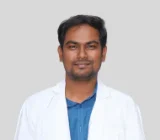
10+ years · MBBS, MS (General Surgery), M.Ch (Surgical Oncology)
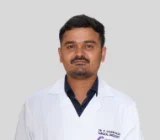
7+ years · MBBS, MS (General Surgery), M.Ch (Surgical Oncology), FMAS
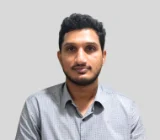
5+ years · MBBS, MS (General Surgery), DrNB (Surgical Oncology), FALS Oncology
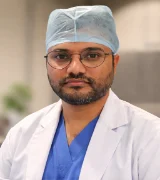
10+ years · MBBS, MS (General Surgery), DrNB (Surgical Oncology)
Treat cancer with medicines such as chemotherapy.
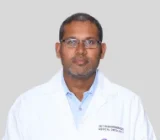
10+ years · MBBS, DM (Medical Oncology), MD (Radiation Oncology)
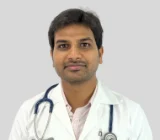
10+ years · MBBS, DNB (Internal Medicine), DM (Medical Oncology)
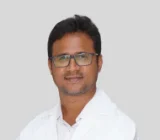
8+ years · MBBS (Gold Medal), DNB (General Medicine), DM (Medical Oncology) (Gold Medal)
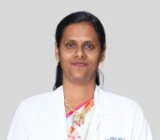
8+ years · MBBS, MD (General Medicine), DM (Medical Oncology) (Adyar, Chennai), ECMO, MRCP SCE (UK)
8+ years · MBBS, MD (General Medicine), DrNB (Medical Oncology), ECMO, MRCP SCE (Medical Oncology) (UK)
7+ years · MBBS, DM (Medical Oncology), MD (Internal Medicine)
Diagnoses and treats blood cancers and blood disorders.
10+ years · MBBS, MD (Immunohaematology & Blood Transfusion), Fellowship in Clinical Haematology (CMC Vellore)
Start with a Consultation
Ask for the doctor you want, or we’ll match you.
Write these down and take them with you. The answers will shape how the family plans the coming weeks.
Ask whether the aim is to treat the cancer, lower the chance of it coming back after surgery, or ease a symptom. The answer changes how long the course is and what to expect.
Ask the name of the treatment centre, where it is, and roughly how many weeks the course runs. Then the family can plan the travel properly.
Ask which side effects are usual for the area being treated, when they tend to start, and which ones mean you should call straight away.
Ask whether chemotherapy runs alongside, and where it would be given.
Also ask
JB Hospital and Balaji Nursing Home are where CION's oncologists consult and where chemotherapy is arranged for Tandur patients. Only the daily radiotherapy course takes you to the named centre.
For some cancers, chemotherapy is given alongside radiotherapy. Ask your doctors where each dose will be given. It may fit on a radiation day at the treatment centre, or be arranged in Tandur, depending on the drugs and how you are coping.
The same team serves families from Vikarabad, Pargi, Nawandgi, Marpalle and Kodangal. Tell the care team where you live when you call. They can suggest the arrangement that keeps travel lowest, and families can decide whether to make the journey daily or stay near the centre on weekdays.
Side effects usually settle over the following weeks. Follow-up visits can often be arranged closer to home. Keep the treatment summary with your reports, as any future doctor will need it.
CION's team helps with cashless insurance and gives you a written estimate before you start. Ask for it before the planning scan, and check whether it includes any chemotherapy given in the same weeks. If you are covered by an employer or government scheme, mention it when you first call so the team can check it while the plan is being made.
Good to know
This page cannot tell you whether you need radiotherapy. Your reports and your radiation oncologist can.
Myth
What is true: The daily split is deliberate. It gives healthy tissue time to recover. Some cancers can be treated with shorter courses, and your doctor will say if yours is one.
Myth
What is true: You feel nothing during treatment. You may hear the machine move and buzz, but there is no heat or pain while the beam is on.
Myth
What is true: External radiotherapy leaves no radiation in the body. The patient can cook, eat and live with the family as usual, energy permitting.
Myth
What is true: Radiation keeps working for weeks after the course ends. That is why the scan to check response is usually done some time later.
Myth
What is true: Marks are small, and some wash off after treatment. Ask the team what kind they use and how to look after them during the course.
Every CION specialist page for Tandur, and the Tandur location page.
Partner hospitals and how to reach the CION team
How radiotherapy is arranged for Tandur patients
When surgery comes before or after radiation
Which CION specialist to see first
The general guidance on this page draws on these sources. Facts about CION come from CION’s own pages.
Leave your number and our care team calls you back, or call any time. One helpline serves every CION centre.
Medically reviewed by Dr. Kirti Ranjan Mohanty, Consultant Radiation Oncologist (MBBS, MD (Radiation Oncology)). Last reviewed October 2026. This page is general information for families from Tandur, not medical advice: your specialist advises on tests and treatment after seeing you.
Still unsure? Call 1800 202 8726.
Dr. Kirti Ranjan Mohanty and Dr. Gangadhar Vajrala. They are part of the CION team that serves Tandur. The care team tells you where and when each sees patients, and books the consultation once they know your situation.
Not for CION patients. These partner hospitals are where CION's oncologists consult and where chemotherapy is arranged. Radiotherapy is given at the centre your care team names, and you are told where it is before you agree.
The plan has to be built first. A planning scan is taken, the doctor outlines the target and the organs to protect, and the physics team checks it. This takes some days and is what makes the treatment accurate.
You can always talk to your doctor about it. Often the side effects can be eased with medicines, diet changes or skin care. If the course needs to change, your doctor will explain what that means for you.
Tell the doctor straight away if there is any chance of pregnancy. Radiation can harm a developing baby, so the plan may change. Women of child-bearing age are usually asked about this before planning starts.
No. Call the helpline or leave your number on this page. Bring every biopsy report, scan CD and operation note. These matter more than any referral letter.
It depends on the type and length of the course. CION's team helps with cashless insurance and gives you a written estimate before you start. Mention any employer or government scheme when you call.
Yes. A family member can bring the reports and hear the options first, which helps when the patient is unwell. The doctor will still need to examine the patient before the plan is made.
Follow Us:



 1800 120 2676