
Medical Oncologist
Basal cell, squamous cell and melanoma are not all treated the same way. Here's what actually decides whether you need surgery, radiation or immunotherapy.
Your skin cancer type strongly influences treatment, but doesn't decide it alone. Basal cell and squamous cell cancers usually need only surgery. Melanoma changes the picture: once it grows deep or spreads, doctors often add radiation or immunotherapy to surgery. Stage, location and your health guide the final decision, not the type by itself.
| Skin cancer type | Usual first approach |
|---|---|
| Basal cell carcinoma (BCC) | Surgery to remove it; radiation if surgery isn't a good option |
| Squamous cell carcinoma (SCC) | Surgery to remove it; radiation for hard-to-reach or high-risk spots |
| Early melanoma, still shallow | Surgery to remove it, often with nothing more needed |
| Melanoma grown deeper or spread | Surgery plus immunotherapy or another drug treatment |
Your skin cancer type sets a starting point, not the final answer. Basal cell carcinoma and squamous cell carcinoma are usually caught early, sitting only on the skin's surface. For most people, surgery to remove it is enough on its own, with no radiation or immunotherapy needed afterward.
Surgery stays the usual first choice for an early basal cell or squamous cell cancer. Your doctor may suggest radiation instead when the growth sits somewhere surgery would leave a difficult scar, such as close to the eye, ear or nose, or when you cannot safely go through anaesthesia because of your age or another illness. Radiation does the same job as surgery, spread over several sittings instead of one visit.
Melanoma behaves differently from basal cell and squamous cell cancers. It is more likely to send cells into the bloodstream or a nearby lymph node, even when the spot on your skin looks small. That is why your team looks more closely at melanoma, and considers more than surgery once it has grown deeper into the skin or reached a lymph node.
Adding immunotherapy after surgery does not mean the surgery failed. Surgery removes what can be seen and felt. Immunotherapy is added to find and control any melanoma cells that may have already travelled beyond that point, too small for a scan to catch. Surgery and immunotherapy do different jobs, and using both together is a planned strategy, not a sign that the first step fell short.
Did you know?
Basal cell and squamous cell skin cancers rarely travel to other organs, which is a big reason immunotherapy is offered for melanoma far more often than for these two types.
Where to find us
Addressed by landmark, because that is how this city navigates. Each centre also names the areas it serves, so you can place it without a map. Consultation and day-care Chemotherapy run at every one of them.
Trained at AIIMS, Tata Memorial, and leading international centres. Combined 150+ years of experience. Every complex case is reviewed by 3+ of them — together.

MBBS(Gold Medal), DNB(General Medicine), DM(Medical Oncology)(Gold Medal)

MBBS, MD(General Medicine), DM(Medical Oncology)(Adyar,Chennai), ECMO, MRCP SCE(UK)

MBBS, MD (General Medicine), DrNB (Medical Oncology), ECMO, MRCP SCE (Medical Oncology) (UK)



MBBS (AIIMS), MS (Surgery) (AIIMS), DNB (Surgical Oncology), MRCS (Edinburgh)



MBBS, MS(General Surgery), M.Ch(Surgical Oncology), FMAS, FARIS(Ongoing)







MBBS, MS (General Surgery), DrNB (Surgical Oncology), FALS Oncology

Want a specific doctor for your case? Mention them when booking.
Book Free ConsultationShare your name and number — we'll call you back within 30 minutes to schedule your consultation.
45 minutes, your reports reviewed, your questions answered in plain language.
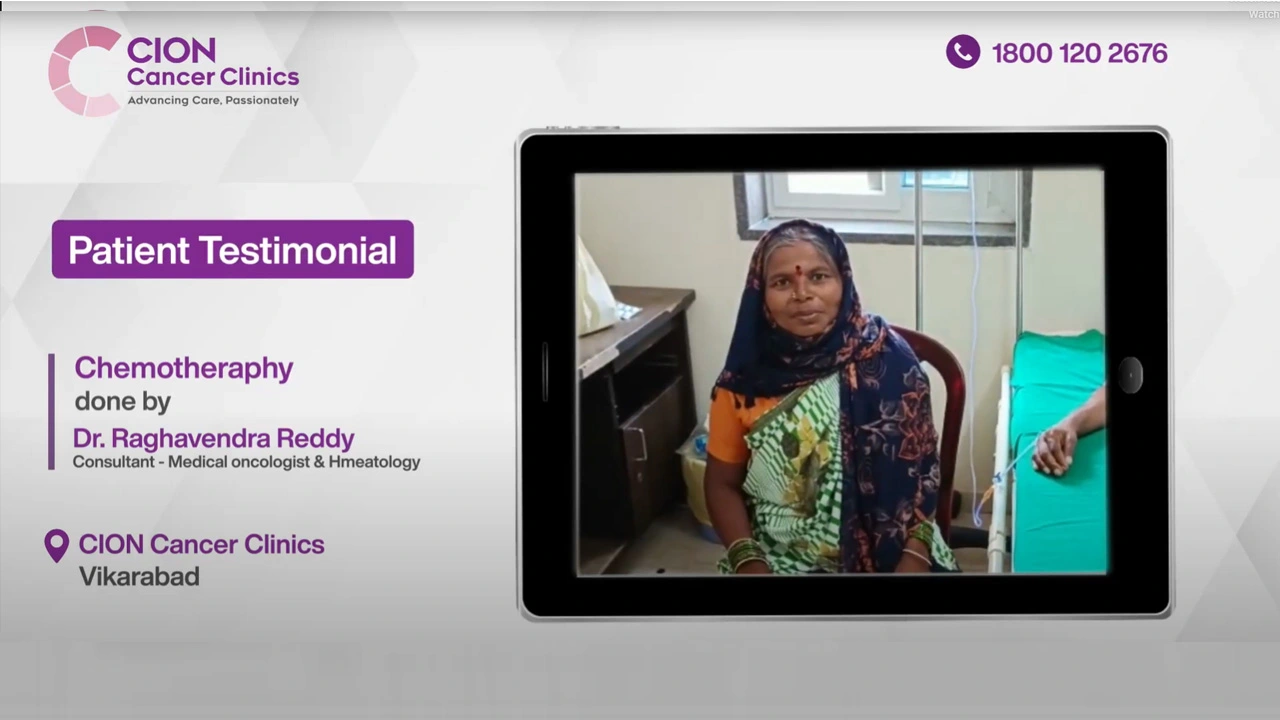
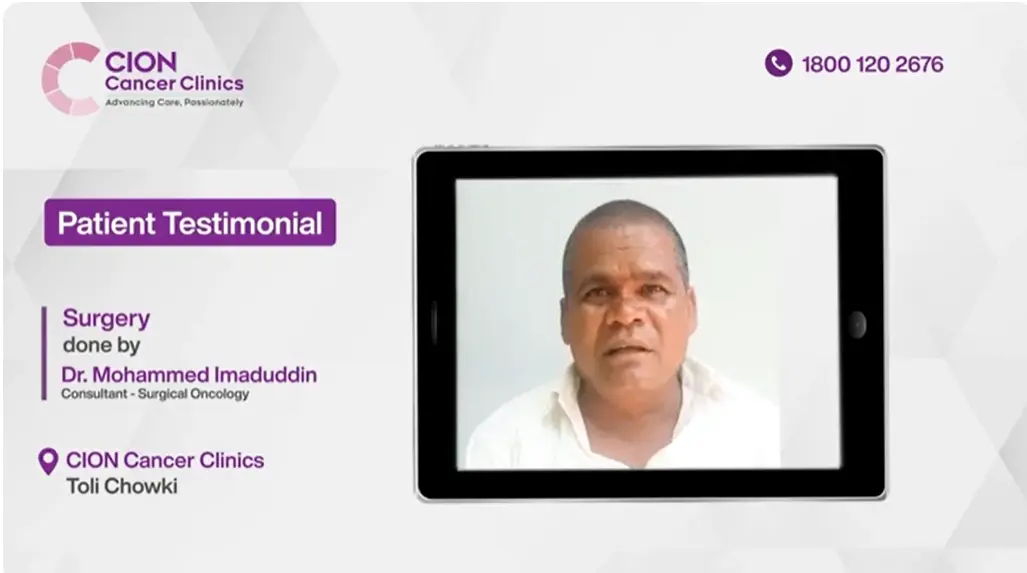
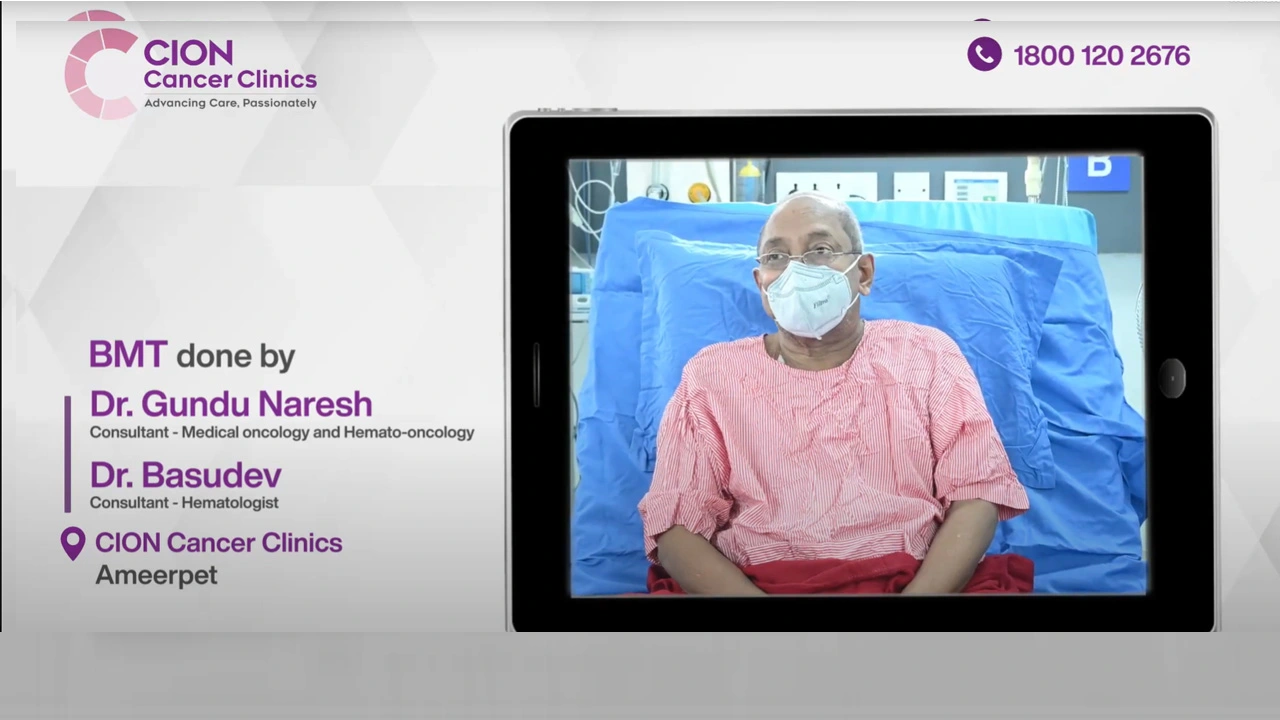
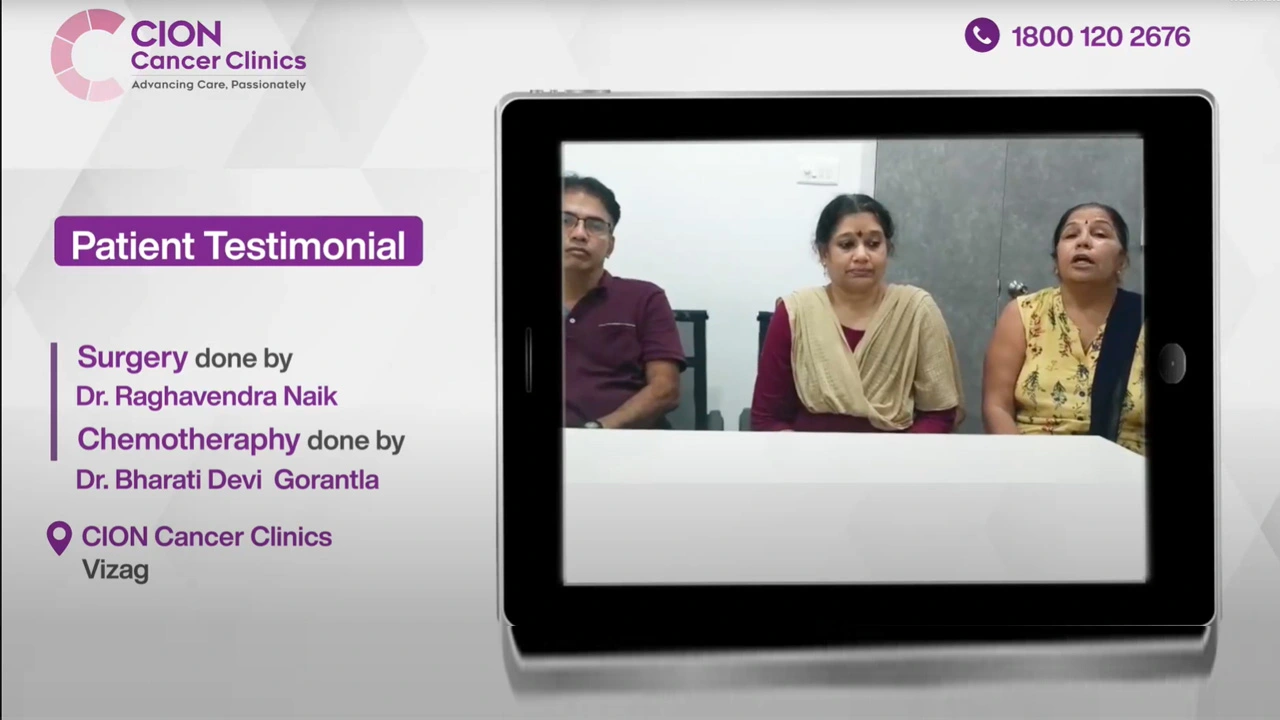
These aren't paid endorsements or written reviews. These are video testimonials from real patients and families — recorded on their own phones, in their own words. Pick any one. Watch it. Then decide.
Read all 800+ reviews on Google
Start Your Story. Book Free Consultation.For most basal cell carcinomas, yes, surgery to remove the growth is the usual first treatment, and it is often the only treatment you need. Basal cell carcinoma grows slowly and almost never spreads elsewhere on the body, which is why doctors don't usually reach for radiation or immunotherapy unless surgery isn't a safe or practical option for you. If the spot is in a place that is hard to operate on, such as close to your eye or nose, or if you have another health condition that makes anaesthesia risky, your doctor may suggest radiation instead. Either way, ask your team to explain why they chose the approach they did for your specific spot.
Yes, radiation can be used instead of surgery for squamous cell carcinoma, though surgery remains the usual first choice for most people. Doctors consider radiation when the growth sits somewhere surgery would leave a difficult scar or affect how a nearby body part works, such as the lip or ear, or when a patient's age or overall health makes anaesthesia risky. Radiation removes the cancer over several visits rather than one procedure. Your team will weigh the exact size, depth and location of your growth, along with your general health, before recommending which approach suits you better.
Not necessarily a cause for worry. Many people with early, shallow melanoma need only surgery, and immunotherapy never comes into the conversation for them. Immunotherapy is usually discussed once melanoma has grown deeper into the skin or reached a lymph node. If your report doesn't mention it, your melanoma may fall into the earlier group where surgery alone is the standard approach. Every melanoma report is reviewed against how deep and how far the growth has gone, so ask your doctor directly what your own report shows and why immunotherapy has or hasn't come up for your case.
Not always, but it becomes part of the conversation far more often once melanoma has grown deeper into the skin or reached a lymph node. Your tumour board looks at how deep the melanoma has grown, whether it has reached a lymph node, and your overall health before deciding whether immunotherapy adds real benefit for you. Some people with deeper melanoma still do well with surgery alone. Immunotherapy is offered when there's a meaningful chance that cells have travelled beyond what surgery removed, not automatically for every deeper melanoma. Ask your team what specifically about your report led to their recommendation.
Because basal cell carcinoma and melanoma behave very differently, even though both are called skin cancer. Basal cell carcinoma grows slowly in one place and almost never spreads, so removing it with surgery usually finishes the treatment. Melanoma can send cells into the bloodstream or a lymph node earlier and more often, especially once it has grown past the skin's surface. That difference, not the seriousness of your relative's case compared to yours, is why your paths look different. Comparing two skin cancer diagnoses by treatment alone can be misleading. What matters is what your own type, and your own report, actually show.
It's uncommon, but not impossible. Basal cell and squamous cell cancers almost always stay in one place and are cured with surgery or radiation. In rare cases where either type has grown very large, come back after earlier treatment, or spread beyond the skin, immunotherapy or another drug treatment may be considered. This is far less common than it is for melanoma, where deeper or spread disease brings immunotherapy into the discussion much more often. If your doctor has raised immunotherapy for a basal cell or squamous cell cancer, ask what makes your case different from the usual early-stage picture.