
Medical Oncologist
If you rely on CGHS, ECHS or ESI instead of Aarogyasri or private insurance, the rules for skin cancer treatment work differently. Here is what actually gets paid, and what you need to arrange first.
CGHS, ECHS and ESI give coverage for skin cancer treatment, but usually only at hospitals empanelled with that scheme, through a referral or permission letter arranged before you start. At a non-empanelled centre, you pay first and claim reimbursement, often capped at government package rates, so ask about empanelment status before booking.
Your card gives you coverage for skin cancer treatment, but direct, cashless billing only happens at hospitals your scheme has formally empanelled for that specialty. Ask CION's billing desk to confirm current CGHS, ECHS or ESI empanelment status for oncology before you book any test or procedure, because this can change.
If CION is empanelled, you follow the usual referral and permission process and the scheme settles most of the bill directly. If it is not, you can either ask your scheme to refer you to an empanelled centre, or pay CION's bill yourself and file for reimbursement afterward, usually capped at the scheme's fixed package rate for that treatment.
| Question | CGHS | ECHS | ESI |
|---|---|---|---|
| Who is covered | Central government employees and pensioners | Ex-servicemen and their dependents | Organised-sector workers below the wage limit |
| Where you start | CGHS wellness centre | ECHS polyclinic | ESI dispensary or hospital |
| Direct billing | Only at CGHS-empanelled hospitals | Only at ECHS-empanelled hospitals | Usually needs referral to an empanelled super-specialty centre |
| If not empanelled | Pay and claim reimbursement at CGHS rates | Pay and claim reimbursement at ECHS rates | Referral to a listed centre is usually required first |
Did you know?
Even after CGHS or ECHS approval, reimbursement is often paid at the government's fixed package rate, not the hospital's actual bill, so a gap payment is common.
Most schemes exclude a private room beyond your entitled category, cosmetic reconstruction beyond functional need, attendant stay and food, and certain newer drugs outside the approved list. Ask CION's billing desk for a written estimate before treatment starts, so there are no surprises later.
Approval time varies with the scheme office and how complete your paperwork is, from a few days to a few weeks. If your skin cancer needs surgery or radiation sooner, ask about the emergency route, which lets you start care first and complete the permission paperwork afterward. Discuss this with CION's team so treatment is not delayed for administrative reasons alone.
Yes. A second opinion is a clinical discussion, separate from where you eventually get billed. You can bring your reports to CION, discuss the diagnosis and options, and decide later whether to treat at an empanelled hospital under your scheme or continue at CION on reimbursement.
Where to find us
Addressed by landmark, because that is how this city navigates. Each centre also names the areas it serves, so you can place it without a map. Consultation and day-care Chemotherapy run at every one of them.
Trained at AIIMS, Tata Memorial, and leading international centres. Combined 150+ years of experience. Every complex case is reviewed by 3+ of them — together.

MBBS(Gold Medal), DNB(General Medicine), DM(Medical Oncology)(Gold Medal)

MBBS, MD(General Medicine), DM(Medical Oncology)(Adyar,Chennai), ECMO, MRCP SCE(UK)

MBBS, MD (General Medicine), DrNB (Medical Oncology), ECMO, MRCP SCE (Medical Oncology) (UK)



MBBS (AIIMS), MS (Surgery) (AIIMS), DNB (Surgical Oncology), MRCS (Edinburgh)



MBBS, MS(General Surgery), M.Ch(Surgical Oncology), FMAS, FARIS(Ongoing)







MBBS, MS (General Surgery), DrNB (Surgical Oncology), FALS Oncology

Want a specific doctor for your case? Mention them when booking.
Book Free ConsultationShare your name and number — we'll call you back within 30 minutes to schedule your consultation.
A 45-minute consultation with a specialist who treats this every week.
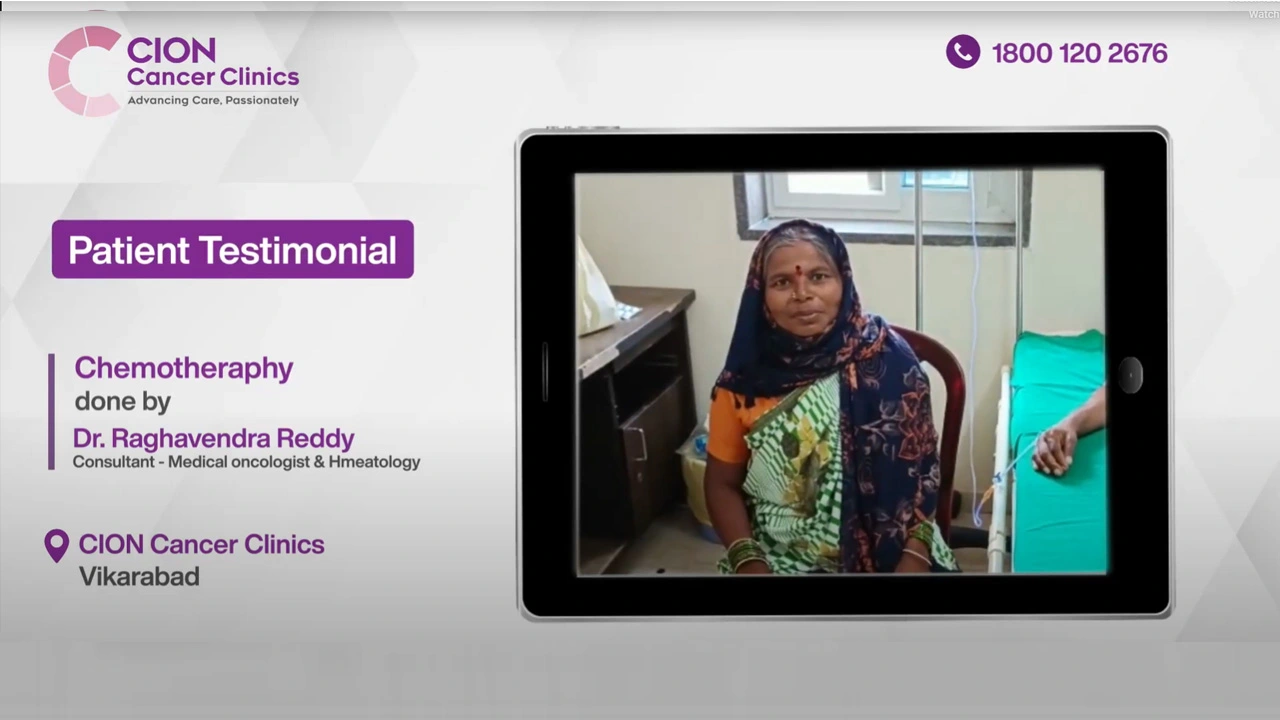
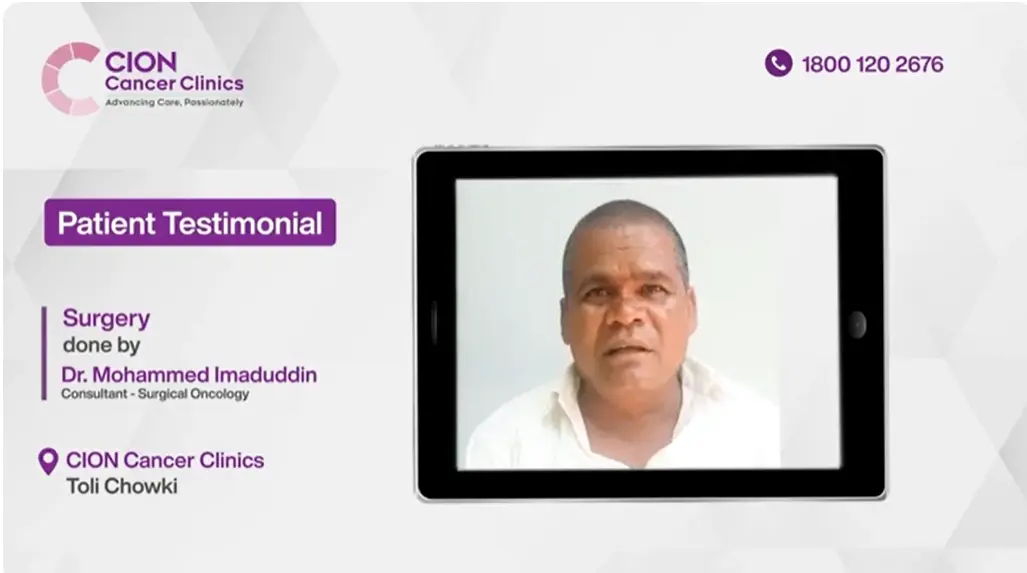
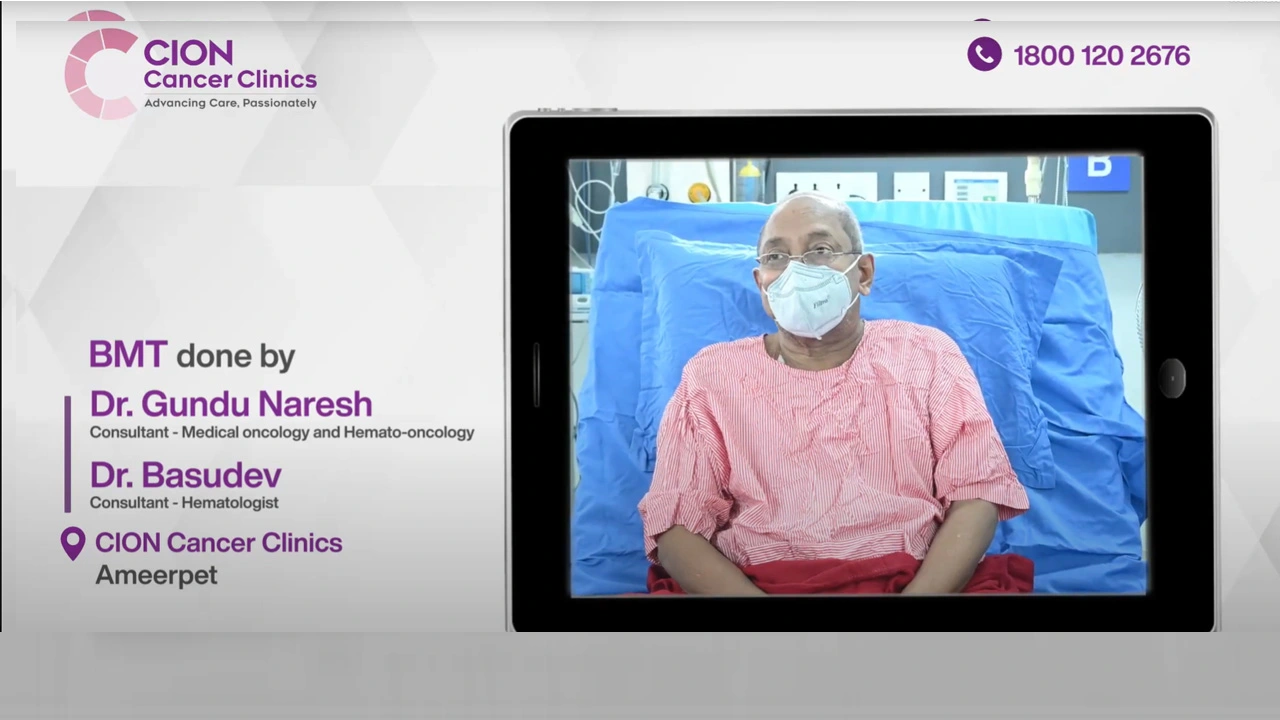
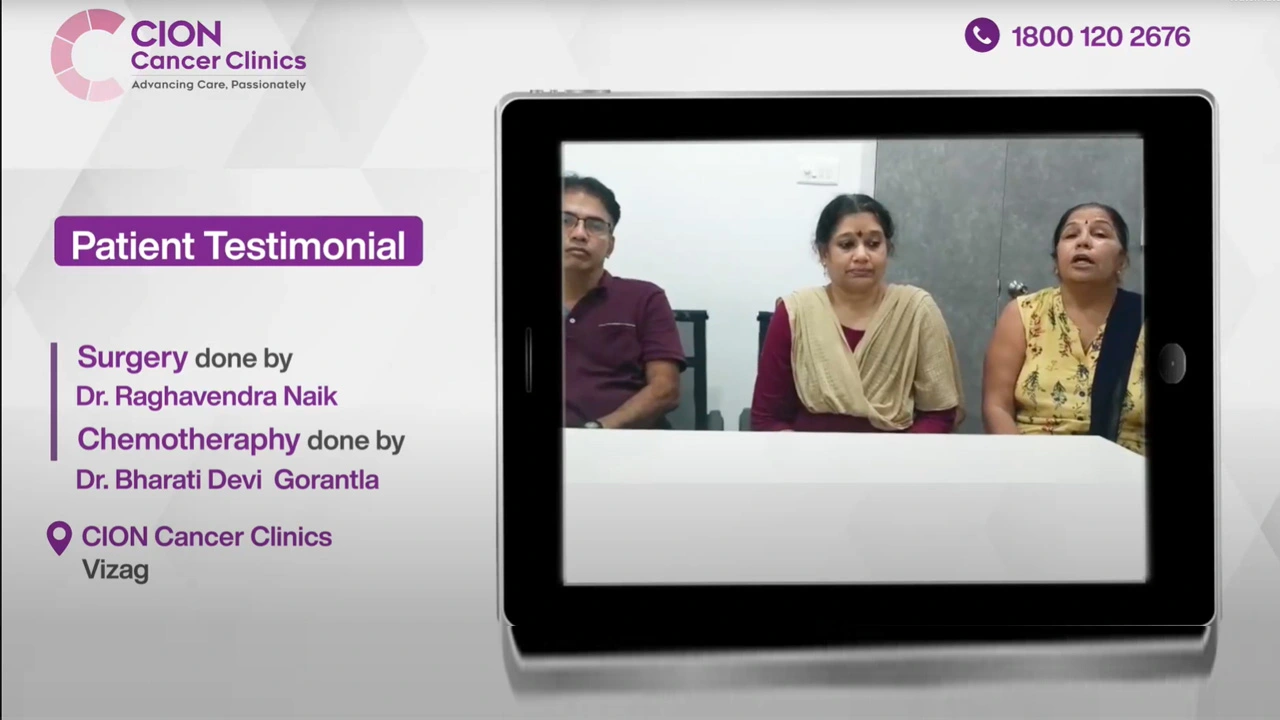
These aren't paid endorsements or written reviews. These are video testimonials from real patients and families — recorded on their own phones, in their own words. Pick any one. Watch it. Then decide.
Read all 800+ reviews on Google
Start Your Story. Book Free Consultation.Yes, CGHS pensioners get largely the same coverage as serving employees, through the same wellness centre referral and hospital empanelment rules. Some pensioner categories have different card renewal steps, so a lapsed card can delay approval. Direct cashless billing works only at CGHS-empanelled hospitals; treatment elsewhere is settled through reimbursement at CGHS package rates. Confirm your pensioner category and card status at your wellness centre before starting treatment.
Dependents registered on an ex-serviceman's ECHS card, such as a spouse or unmarried children within the defined eligibility rules, are generally covered for cancer treatment too. You would still start at the ECHS polyclinic for a referral and follow the same empanelment and permission process as the cardholder. Carry proof of your dependent status along with the ECHS smart card at every visit, and confirm current dependent eligibility with the polyclinic, since these rules are periodically updated.
ESI coverage does extend to cancer treatment, but many ESI hospitals do not run full oncology units, so they refer patients needing surgery, radiation or immunotherapy to an empanelled super-specialty centre. Start at your ESI dispensary or hospital for this referral instead of approaching a private centre directly, because treatment taken outside the correct referral chain is harder to get reimbursed. Ask for this referral as soon as a diagnosis is suspected, since the step can take time.
Generally, no. These schemes are meant to cover the same treatment once, not be combined for a single bill, though different family members with their own eligibility can use different schemes for their own care. If you hold more than one type of cover, mention all of them to CION's billing desk before treatment starts, so they can guide you toward the option with the least out-of-pocket cost, rather than a conflict surfacing after bills are raised.
A claim can be rejected or reduced for reasons like a missing permission letter, an expired card, or a cost above the scheme's fixed package rate. You can usually appeal with the missing documents or request a review through your scheme office. Keep copies of every bill and letter you submit, since resubmission is easier with complete records.
Ask for a written estimate that separates what your CGHS, ECHS or ESI cover is likely to pay from what you may need to pay yourself, based on your card, current empanelment status and treatment plan. A general figure found online will not reflect this, since coverage depends on your specific scheme category and hospital empanelment. A written breakdown before treatment starts is the clearest way to avoid an unexpected bill partway through care.