
Medical Oncologist
A single red-flag guide across every organ system, built for the middle of the night when you cannot tell if a new symptom can wait until morning.
Immunotherapy side effects can appear suddenly, even long into treatment, and a few are medical emergencies. Go to the nearest hospital immediately for breathlessness, chest pain, confusion, fainting, or severe diarrhoea. Milder issues like fatigue or a low fever can usually wait for your oncology team's next call, not an emergency visit tonight.
Get emergency help immediately if you notice
A new symptom at night on immunotherapy needs a quick sort, not a guess. Ask one question first: does it match a sign from the list above? If yes, go to the nearest hospital now. Do not wait for daylight, and do not wait to reach your oncology team first — get to care, then have someone call the team on the way.
If nothing matches that list, ask how fast the symptom is changing and how it compares with how you usually feel. Something new, spreading, or paired with feeling generally unwell deserves a same-day call to your oncology team once morning comes. Something mild and unchanged, like slight tiredness, can usually wait for your next scheduled visit or call.
| Sign | When to act |
|---|---|
| Breathlessness, chest pain, or fainting | Call now — go to the nearest emergency room |
| Confusion or a severe headache | Call now — go to the nearest emergency room |
| Severe or bloody loose motions | Call now — go to the nearest emergency room |
| Yellow eyes, skin, or dark urine | Call now — go to the nearest emergency room |
| Widespread rash with blistering | Call now — go to the nearest emergency room |
| New cough, mild loose motions, or a rash without blistering | Call your oncology team today |
| Ongoing thirst, needing to urinate often, or unusual tiredness | Call your oncology team today |
| Joint aches, dry mouth or eyes, or mild nausea | Mention at your next scheduled visit |
| Mild fatigue or a mild fever on its own | Mention at your next scheduled visit |
For anyone in a Telangana district or North Andhra Pradesh, distance should never delay emergency care. If you notice a red-flag sign, go to the nearest hospital first for stabilisation — oxygen, fluids, or emergency medicines cannot wait for a drive to Hyderabad.
Carry your immunotherapy card or the name of your drug, your last dose date, and your oncologist's contact number. Tell the local doctor you are on immunotherapy, sometimes called a checkpoint inhibitor, and that new symptoms can mean the immune system is attacking a healthy organ rather than an infection. Ask them to call your cancer centre once you are stable, so treatment such as steroids can start without delay, and a transfer to Hyderabad can be arranged if it is needed.
Did you know?
Immunotherapy side effects can show up long after your last dose is given, so a new symptom does not need a recent injection to be connected to your treatment.
Usually not on their own. Tiredness and a mild fever are common with immunotherapy and are not typically emergencies. Watch for them worsening quickly, or appearing together with breathlessness, confusion, or chest pain — that combination needs a same-day call rather than waiting.
Use the emergency number your centre gave you at your first visit — most cancer centres keep one for exactly this situation. If you have no number, cannot get through, and you see a serious sign like breathlessness or confusion, do not keep trying — go to the nearest hospital rather than waiting for a callback.
Only for symptoms that are mild, stable, and not on the emergency list. Immune-related reactions can worsen quickly, so waiting is only safe when nothing is getting worse. If you are unsure, treat the symptom as one to call about now rather than risk a bigger problem by morning.
Where to find us
Addressed by landmark, because that is how this city navigates. Each centre also names the areas it serves, so you can place it without a map. Consultation and day-care Chemotherapy run at every one of them.
Trained at AIIMS, Tata Memorial, and leading international centres. Combined 150+ years of experience. Every complex case is reviewed by 3+ of them — together.

MBBS(Gold Medal), DNB(General Medicine), DM(Medical Oncology)(Gold Medal)

MBBS, MD(General Medicine), DM(Medical Oncology)(Adyar,Chennai), ECMO, MRCP SCE(UK)

MBBS, MD (General Medicine), DrNB (Medical Oncology), ECMO, MRCP SCE (Medical Oncology) (UK)



MBBS (AIIMS), MS (Surgery) (AIIMS), DNB (Surgical Oncology), MRCS (Edinburgh)



MBBS, MS(General Surgery), M.Ch(Surgical Oncology), FMAS, FARIS(Ongoing)







MBBS, MS (General Surgery), DrNB (Surgical Oncology), FALS Oncology

Want a specific doctor for your case? Mention them when booking.
Book Free ConsultationShare your name and number — we'll call you back within 30 minutes to schedule your consultation.
A 45-minute consultation with a specialist who treats this every week.
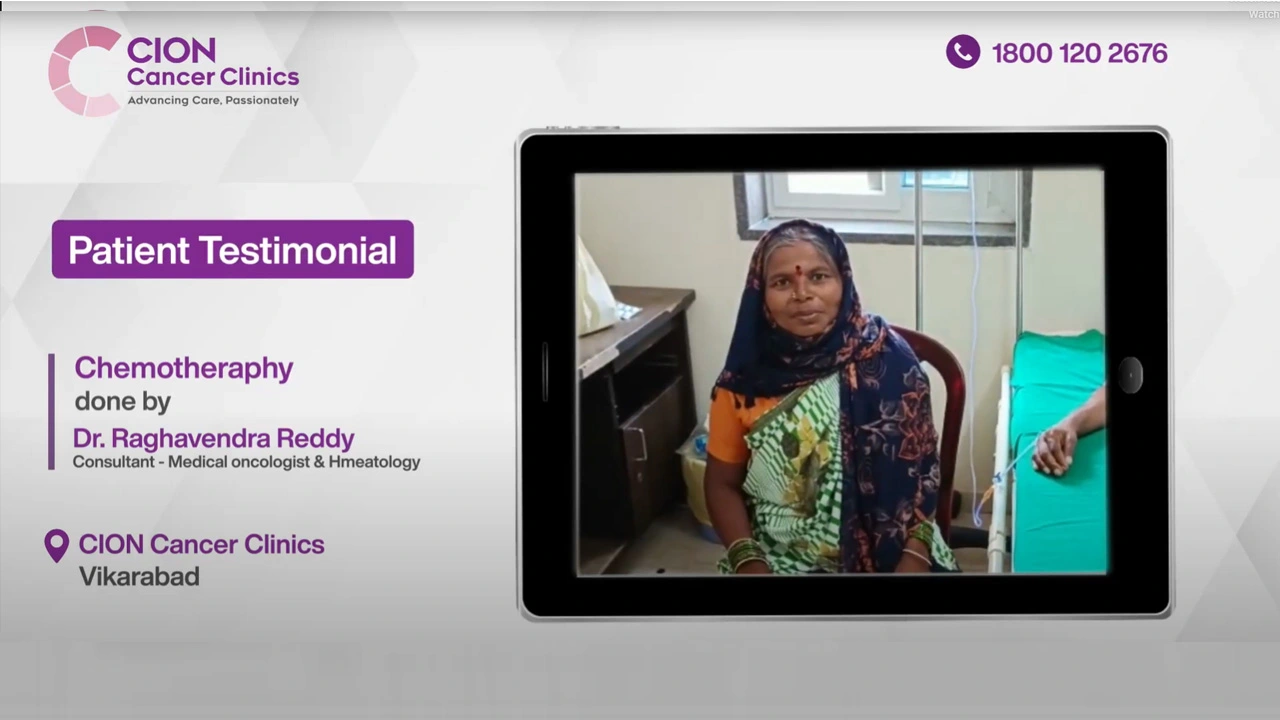
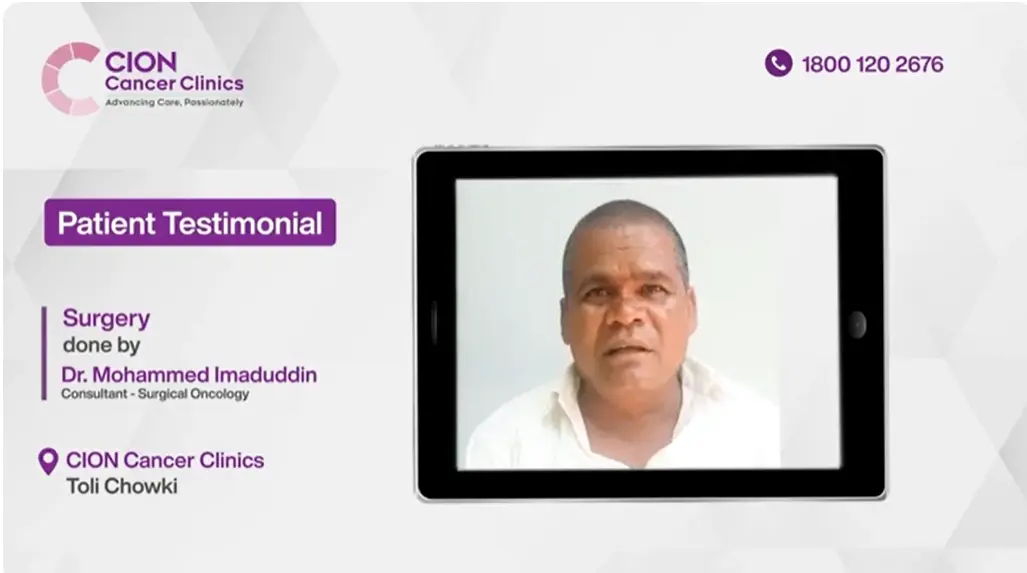
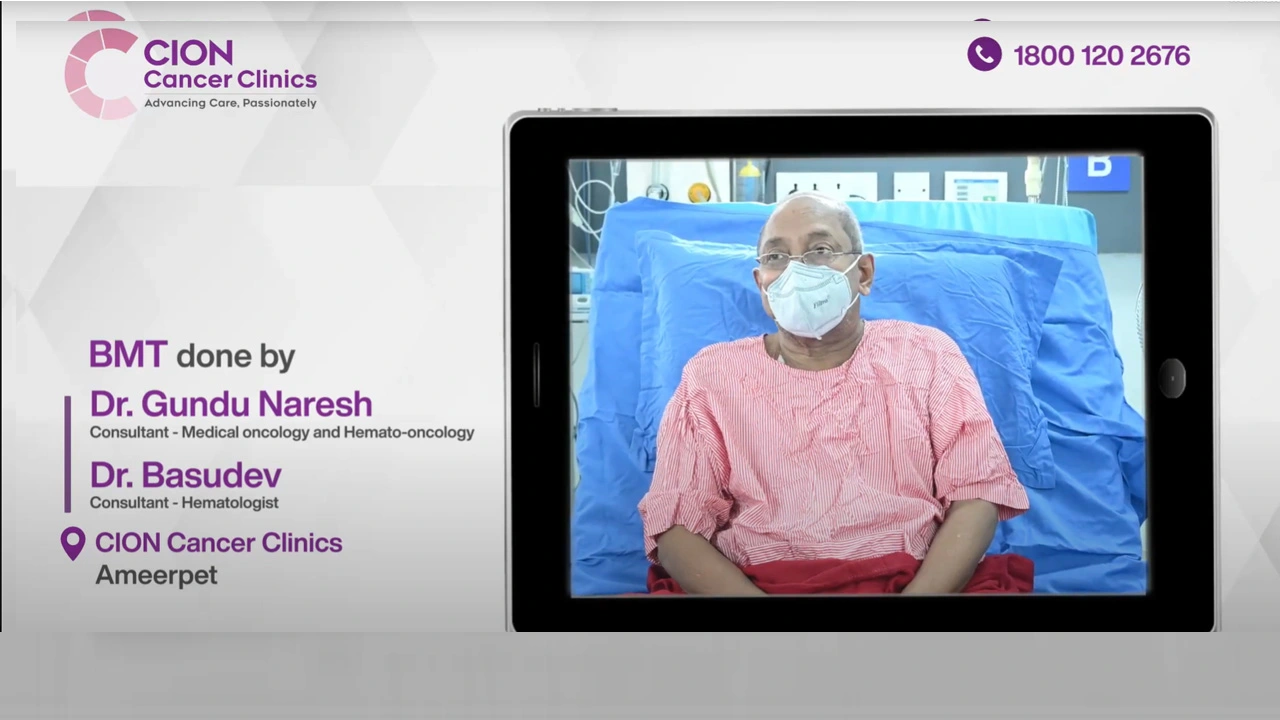
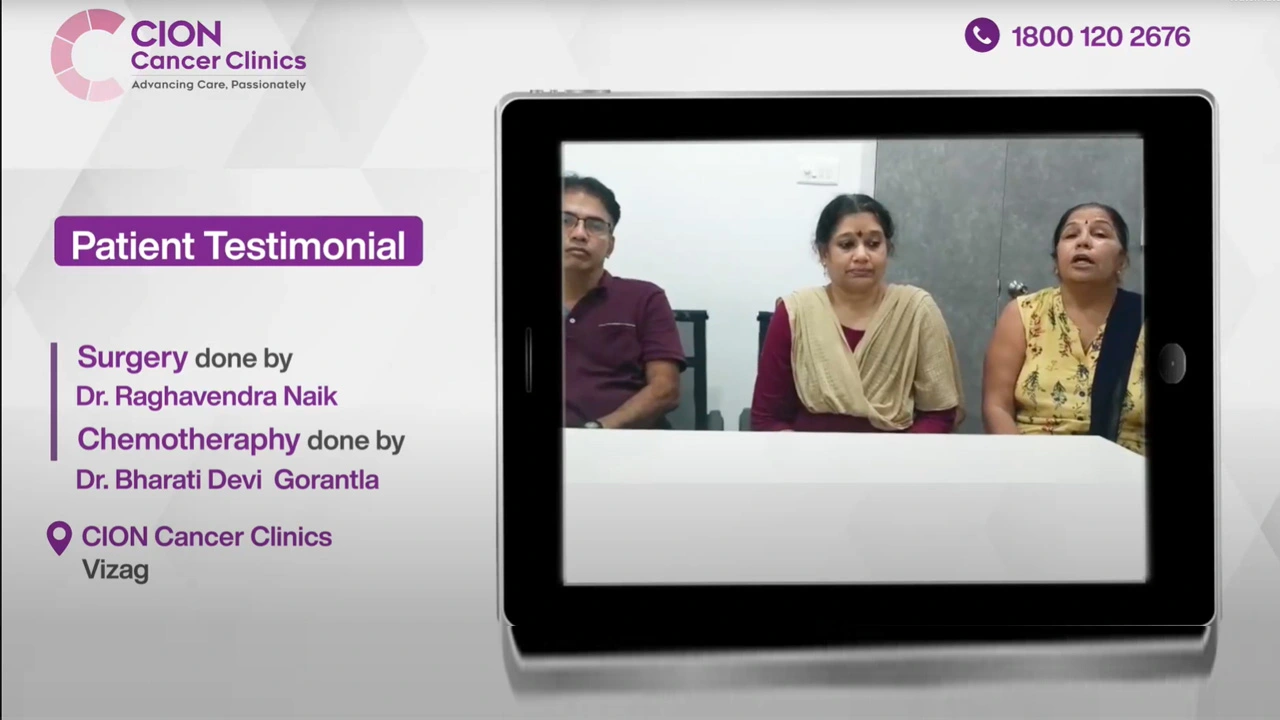
These aren't paid endorsements or written reviews. These are video testimonials from real patients and families — recorded on their own phones, in their own words. Pick any one. Watch it. Then decide.

Read all 800+ reviews on Google
Start Your Story. Book Free Consultation.Yes. Immunotherapy works by activating your immune system, and it can keep working on healthy tissue long after your last dose. New symptoms — a rash, loose motions, unusual tiredness, or thyroid changes — can appear well into survivorship, not only during active treatment. This is why your oncology team asks about new symptoms at every visit, even after treatment finishes. Do not assume a symptom is unrelated just because your last dose was a while ago. If a new symptom comes with breathlessness, chest pain, confusion, or fainting, treat it as urgent and get medical help promptly rather than waiting to mention it at a routine visit.
Yes, confusion is a red-flag sign and needs emergency care right away. Immunotherapy can occasionally affect the brain or pituitary gland, and confusion can also come from low sodium, low blood sugar, or an infection — all of which need urgent evaluation. Do not wait to see if it passes, and do not wait for your oncologist's clinic to open. Go to the nearest hospital emergency department now, and tell the treating doctor which immunotherapy drug your spouse is on and the date of the last dose, so they can consider immune-related causes alongside other emergencies.
Without specific numbers, judge severity by how it affects you. Loose motions frequent enough to stop you sleeping, containing blood, with severe stomach pain, or leaving you feeling dizzy or very weak are severe and need same-day or emergency care. Mild, occasional loose motions that do not stop your normal activities can usually be reported at your next call. Always follow the specific limits your oncology team has given you personally, since these matter more than general guidance and are tailored to your treatment.
A rash is more urgent if it is widespread, painful, blistering, or peeling, or if it affects your mouth, eyes, or genitals — these can signal a serious skin reaction and need same-day medical review, sometimes urgently. A mild, itchy rash confined to a small area, without blisters or peeling, can usually be managed with advice from your oncology team on your next call. Take a photo of any rash as soon as you notice it, since changes over time help your doctor judge how quickly it is progressing and decide how soon you need to be seen.
No. Do not stop or delay a dose on your own — always speak to your oncology team first. Some side effects need the next dose paused while others do not, and this depends on which organ is affected and how severe it is. Stopping treatment unnecessarily can affect how well your cancer is controlled, while continuing through a serious reaction can make it worse. Report the symptom promptly and let your treating doctor decide whether to pause, adjust, or continue your immunotherapy schedule.