
Medical Oncologist
Every bottle promises more protection for a higher price. Here is what the SPF number actually changes — and what it does not.
SPF 50 is only slightly better than SPF 30 in blocked UV rays — about 98% versus 97%. In Hyderabad's strong summer sun, SPF 30 or higher applied generously and reapplied every two to three hours matters far more than the number on the bottle.
A higher SPF number gives proportionally more protection — SPF 50 seems like a big step up from SPF 30.
SPF 30 filters out about 97% of UVB rays and SPF 50 filters about 98%. The jump from 30 to 50 sounds large, but it blocks roughly one extra ray in every hundred.
Buying the highest SPF number on the shelf is always the safer choice.
Very high numbers like SPF 70 or 100 add a small, measurable benefit — about 98.6% blocked — but the difference from SPF 50 is tiny compared to the price gap.
High-SPF sunscreen protects you for longer before it needs reapplying.
SPF measures the strength of the filter, not how long it lasts on skin. Sweat, wiping, and time wash off SPF 30 and SPF 70 at roughly the same rate.
Yes, but only slightly. SPF 30 blocks about 97% of UVB rays and SPF 50 blocks about 98%. That extra 1% is real, but it is nowhere close to the jump the numbers suggest. The bigger differences come from how much sunscreen you apply, how often you reapply, and whether you also cover UVA rays with a broad-spectrum label.
Hyderabad, and much of Telangana and North Andhra Pradesh, sit under strong tropical sun for most of the year, with UV levels reaching 'very high' to 'extreme' on clear days. In this kind of sun, dermatologists generally recommend a minimum of SPF 30, applied generously to all exposed skin, rather than searching for the highest number on the shelf. Going from SPF 30 to SPF 50 helps a little; skipping sunscreen altogether or applying too thin a layer costs you far more protection than any SPF choice.
Did you know?
SPF only measures protection against UVB rays, the ones that cause sunburn — a sunscreen can carry a high SPF number and still offer weak protection against UVA rays unless it is also labelled broad spectrum or PA+++.
Where to find us
Addressed by landmark, because that is how this city navigates. Each centre also names the areas it serves, so you can place it without a map. Consultation and day-care Chemotherapy run at every one of them.
Trained at AIIMS, Tata Memorial, and leading international centres. Combined 150+ years of experience. Every complex case is reviewed by 3+ of them — together.

MBBS(Gold Medal), DNB(General Medicine), DM(Medical Oncology)(Gold Medal)

MBBS, MD(General Medicine), DM(Medical Oncology)(Adyar,Chennai), ECMO, MRCP SCE(UK)

MBBS, MD (General Medicine), DrNB (Medical Oncology), ECMO, MRCP SCE (Medical Oncology) (UK)



MBBS (AIIMS), MS (Surgery) (AIIMS), DNB (Surgical Oncology), MRCS (Edinburgh)



MBBS, MS(General Surgery), M.Ch(Surgical Oncology), FMAS, FARIS(Ongoing)







MBBS, MS (General Surgery), DrNB (Surgical Oncology), FALS Oncology

Want a specific doctor for your case? Mention them when booking.
Book Free ConsultationShare your name and number — we'll call you back within 30 minutes to schedule your consultation.
45 minutes, your reports reviewed, your questions answered in plain language.
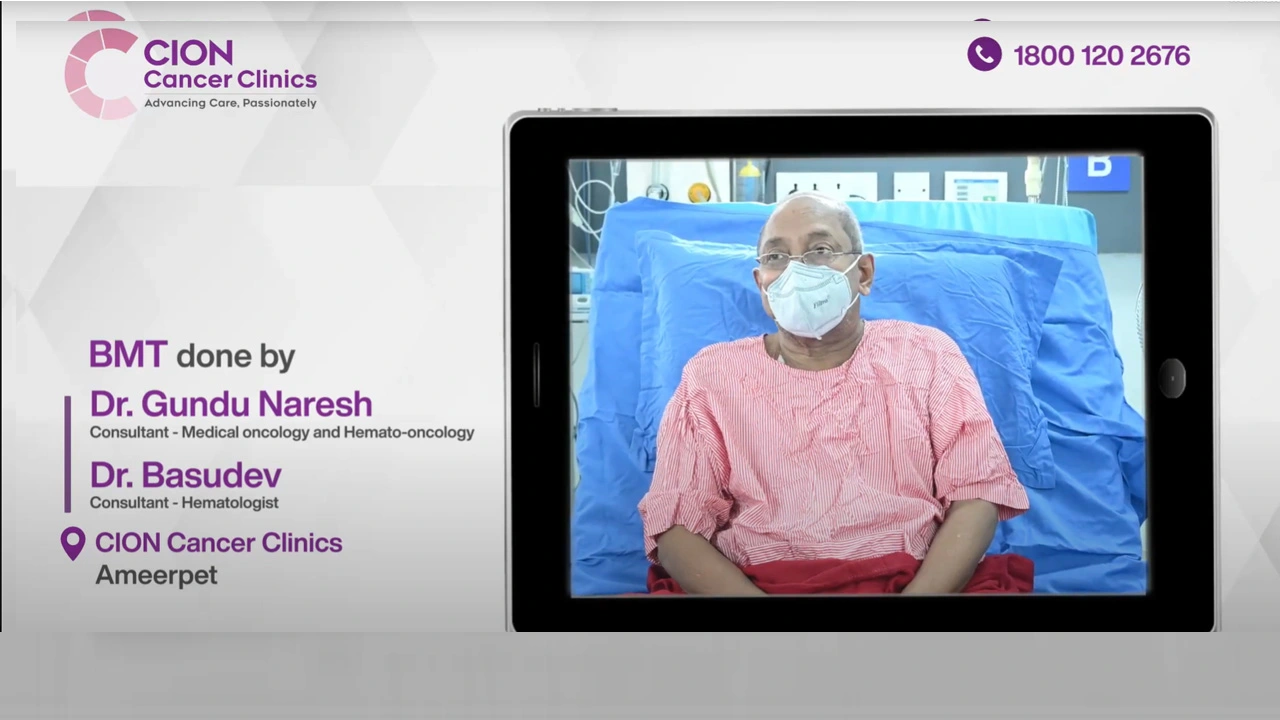
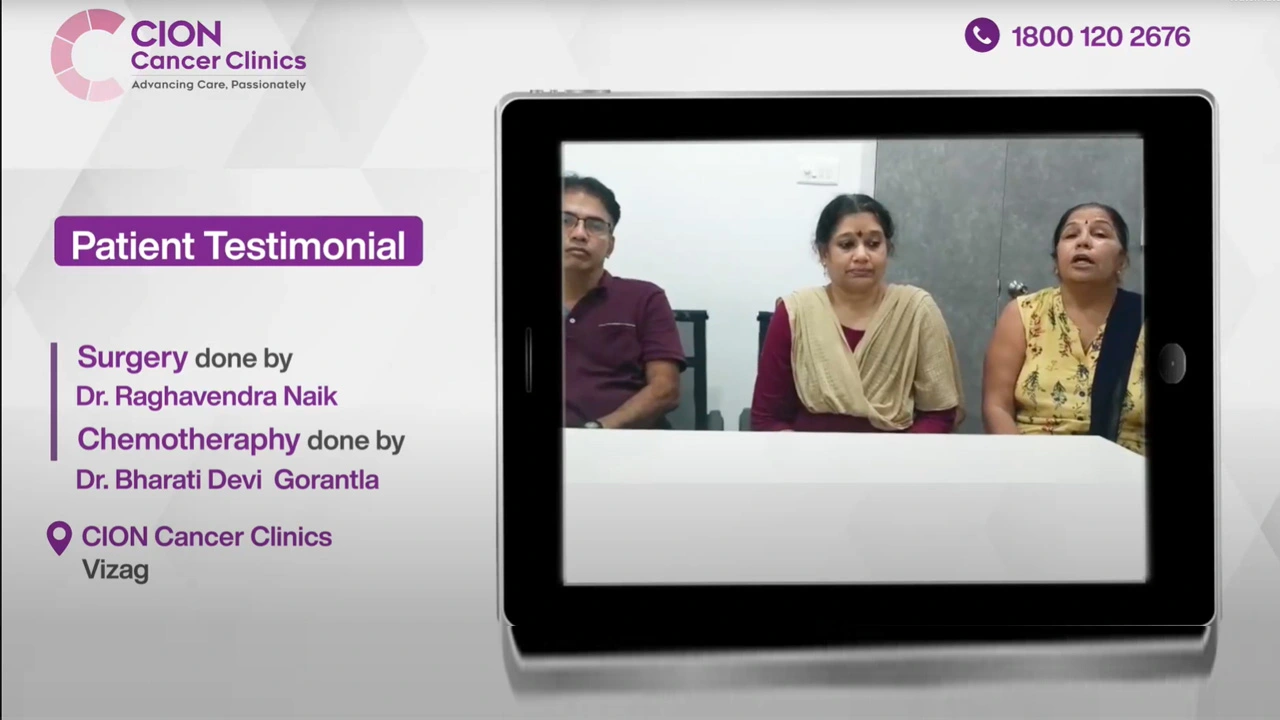
These aren't paid endorsements or written reviews. These are video testimonials from real patients and families — recorded on their own phones, in their own words. Pick any one. Watch it. Then decide.






















Read all 800+ reviews on Google
Start Your Story. Book Free Consultation.Not usually. SPF 70 blocks about 98.6% of UVB rays compared to SPF 50's 98% — a very small real-world gain. The price difference between SPF 50 and SPF 100 products is often large for that tiny extra protection. Money spent on reapplying SPF 30 or 50 sunscreen every two to three hours through the day protects your skin more than switching to a higher number applied once in the morning.
Most dermatologists recommend a minimum of SPF 30 for daily use in Hyderabad, Telangana, and North Andhra Pradesh, where UV levels stay high through most of the year. Choose a broad-spectrum sunscreen, apply it generously about 15–20 minutes before stepping out, and reapply every two to three hours if you are outdoors. This matters more than choosing SPF 50 over SPF 30.
It can, though this depends more on the formula than the SPF number itself. Higher-SPF sunscreens sometimes use more filtering ingredients, which can feel thicker on oily or acne-prone skin. If a high-SPF sunscreen feels too heavy to wear daily, a lighter SPF 30 formula that you actually apply generously and reapply on time will protect your skin better than a high-SPF one you avoid using.
Yes. SPF 30 is enough for daily protection for most people, including those with oily or acne-prone skin. Look for a sunscreen labelled 'non-comedogenic' or 'oil-free' rather than focusing on a higher SPF number, since these labels affect breakouts more than the SPF value does. A lightweight SPF 30 gel or fluid you are willing to reapply works better than a heavier high-SPF cream you stop using.
Yes, if you are near windows or stepping outside during the day. UV rays pass through window glass and cloud cover, even though you may not feel the heat. On overcast days or when working near a bright window in Hyderabad's climate, SPF 30 broad-spectrum sunscreen is still worth applying, since skin damage from UV exposure builds up even without visible sunburn.