
Medical Oncologist
Not every skin cancer patient is a safe candidate for an operation. This page explains what can rule surgery out, and what your team offers instead.
Surgery should not be the first choice if you have a serious bleeding or clotting disorder, are on blood thinners that cannot be safely paused, have poor wound healing from uncontrolled diabetes, or your skin cancer has already spread beyond what an operation can remove. Your oncology team checks all of this before recommending surgery.
Surgery cures most early skin cancers, but it is not automatically the right choice for every patient. Before recommending surgery, your team checks your bleeding and clotting history, any blood-thinning medicines you take, how well your wounds tend to heal, and how far the cancer has grown.
A serious bleeding or clotting disorder can make a surgical wound hard to control safely. Blood thinners taken for the heart or after a stroke often need a careful pause-and-restart plan, agreed with your cardiologist, before surgery goes ahead. Poor wound healing, commonly from uncontrolled diabetes, smoking, or poor blood flow to the skin, raises the risk of infection or a wound that will not close. If the cancer has grown deep into nearby tissue or spread to other organs, surgery alone may not remove all of it, and it is ruled out as the main treatment.
| Reason surgery is not suitable | Likely alternative approach |
|---|---|
| Bleeding or clotting disorder | Radiation therapy, or a medicine applied directly to the skin |
| On blood thinners that cannot be safely paused | Radiation therapy, timed around your medicine schedule |
| Poor wound healing from uncontrolled diabetes | Radiation now, with surgery reconsidered once sugar control improves |
| Cancer has spread beyond the skin | Immunotherapy or another whole-body medicine, sometimes alongside radiation |
| Patient chooses not to have surgery | Radiation, a topical medicine, or immunotherapy, chosen after an honest talk about trade-offs |
No. It means surgery is not the safest first option for you right now. Radiation therapy, a topical medicine applied to the skin, or immunotherapy can still control or clear many skin cancers. Your oncology team chooses the option that fits your specific health picture and the cancer's stage.
Yes, the choice is yours. If you refuse surgery, your team explains what each alternative can and cannot achieve, including where it is less certain than surgery, so you can decide with full information. They then build a treatment plan around your decision.
Often, yes. If a blood thinner is paused safely, or diabetes control improves, surgery may become possible later. Your team can revisit the decision as your health changes.
Where to find us
Addressed by landmark, because that is how this city navigates. Each centre also names the areas it serves, so you can place it without a map. Consultation and day-care Chemotherapy run at every one of them.
Trained at AIIMS, Tata Memorial, and leading international centres. Combined 150+ years of experience. Every complex case is reviewed by 3+ of them — together.

MBBS(Gold Medal), DNB(General Medicine), DM(Medical Oncology)(Gold Medal)

MBBS, MD(General Medicine), DM(Medical Oncology)(Adyar,Chennai), ECMO, MRCP SCE(UK)

MBBS, MD (General Medicine), DrNB (Medical Oncology), ECMO, MRCP SCE (Medical Oncology) (UK)



MBBS (AIIMS), MS (Surgery) (AIIMS), DNB (Surgical Oncology), MRCS (Edinburgh)



MBBS, MS(General Surgery), M.Ch(Surgical Oncology), FMAS, FARIS(Ongoing)







MBBS, MS (General Surgery), DrNB (Surgical Oncology), FALS Oncology

Want a specific doctor for your case? Mention them when booking.
Book Free ConsultationShare your name and number — we'll call you back within 30 minutes to schedule your consultation.
A 45-minute consultation with a specialist who treats this every week.
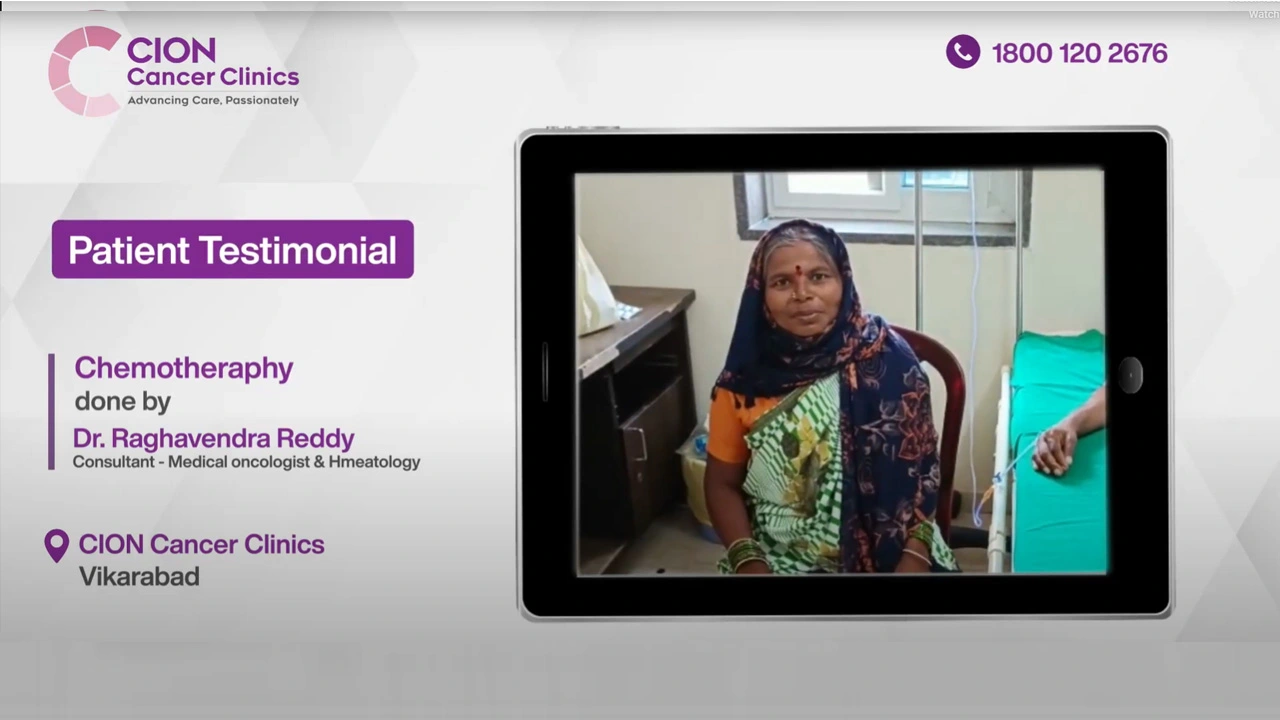
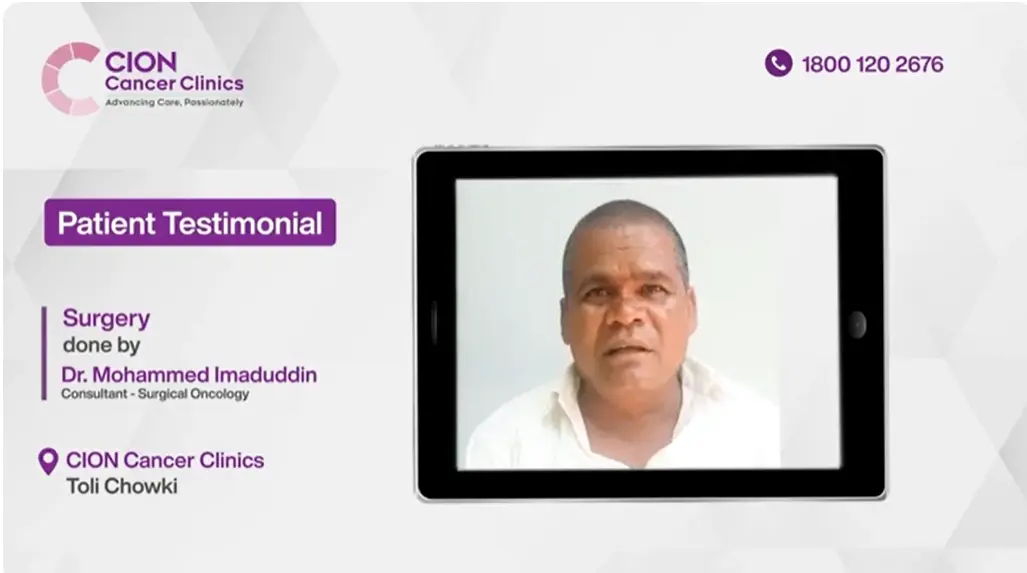
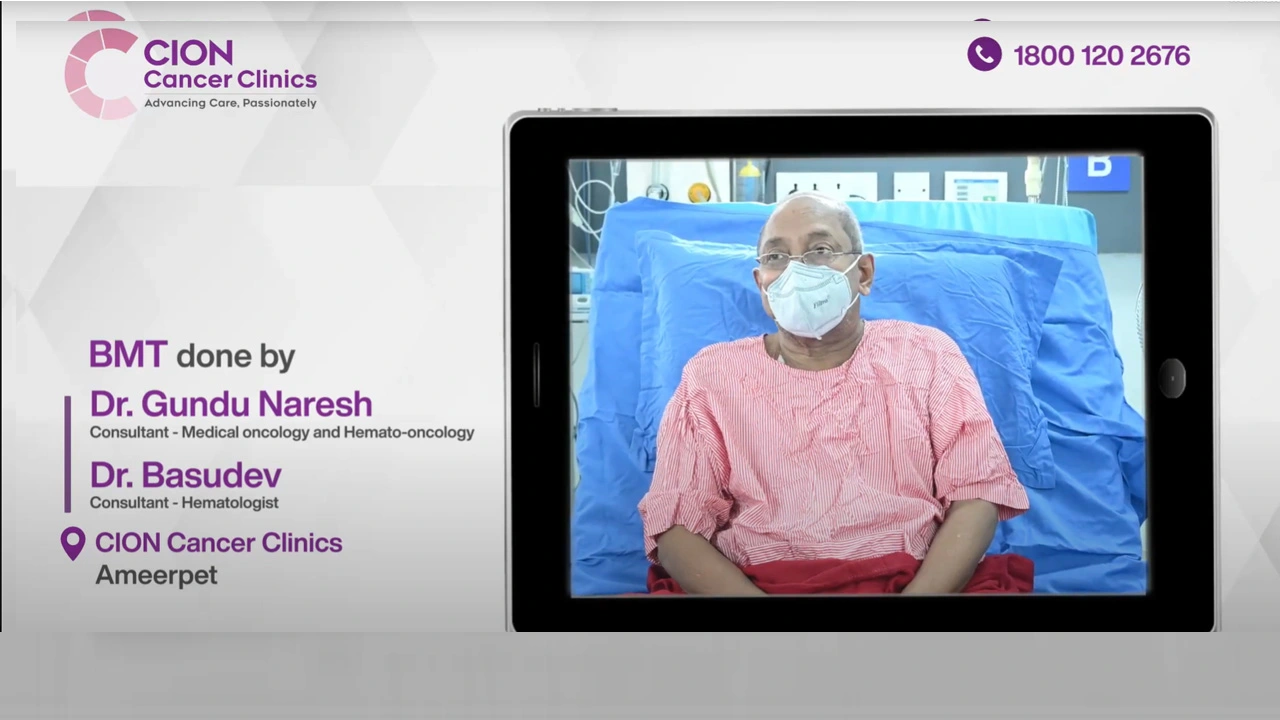
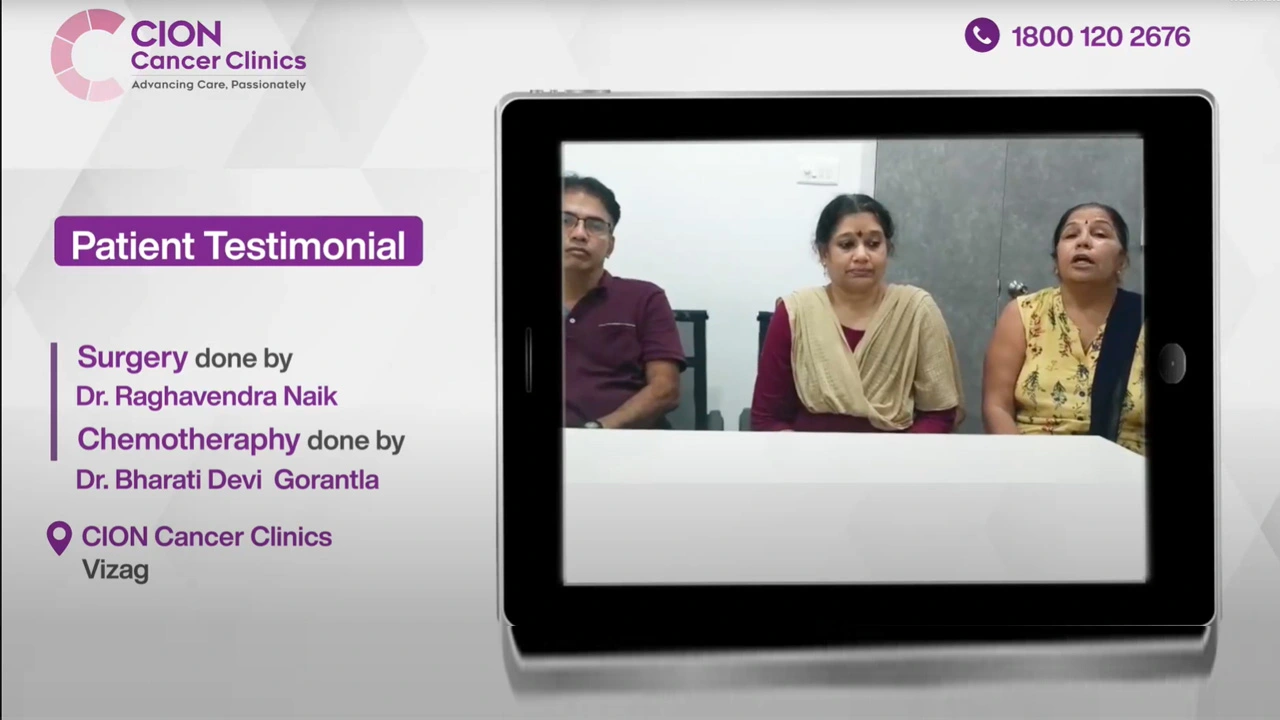
These aren't paid endorsements or written reviews. These are video testimonials from real patients and families — recorded on their own phones, in their own words. Pick any one. Watch it. Then decide.
Read all 800+ reviews on Google
Start Your Story. Book Free Consultation.A very low platelet count raises the risk of bleeding during and after surgery, so your team may hold off until the count is corrected or well controlled. In the meantime, they may treat the cancer with radiation or a topical medicine instead. Once your bleeding risk is back to a safe level, surgery can often be reconsidered. Always share your platelet results and any bruising or bleeding history with your oncology team before a surgery date is fixed.
In many cases, yes. Stopping a blood thinner too soon can risk a clot in your stent, so surgery is not automatically ruled out. Your oncology team and cardiologist work out together whether the thinner can be paused briefly, switched, or continued through a smaller procedure. If pausing is not safe, radiation therapy is often used instead so your heart protection is not disturbed. This decision is always made jointly, never by the oncology team alone.
Not permanently. Uncontrolled diabetes slows wound healing and raises infection risk, so many teams prefer to bring your blood sugar under control before operating. During this time, radiation or a topical medicine can treat the cancer so it is not left untreated while you wait. Once your sugar levels are stable, your surgeon can reassess whether an operation is now safe. Tell your team about your diabetes control at the very first visit.
Not always pointless, but it usually stops being the main treatment. When skin cancer has spread beyond what can be physically removed, surgery alone cannot clear it, so immunotherapy or another medicine that works through the whole body usually leads the plan. Surgery or radiation may still be used later on a specific troublesome area. Ask your oncologist to explain exactly what surgery could and could not achieve in your specific case.
Yes. Refusing surgery does not mean refusing treatment. Your team will explain the alternatives available for your specific skin cancer, honestly including where they may work less well than surgery, and build a plan around the option you choose. You are free to change your mind later if your circumstances or thinking change. What matters most is that your decision is fully informed, not that you accept surgery.
Often, yes. When age and other illnesses make anaesthesia and recovery riskier than the cancer itself, radiation therapy or a topical medicine applied to the skin can control many skin cancers without an operation. The right choice depends on the type and location of the cancer and your relative's overall health, so this needs a full assessment by the oncology team rather than a decision made from age alone.