

Medical Oncologist
One tablet a day, for five years or longer. For hormone-driven breast cancer it does more to stop the cancer returning than almost anything else. It is also the treatment women are most likely to quietly stop taking.
Not your stage, and not your choice — one line in your biopsy report decides it. So before you read any further, go and find it.
On the report, under a heading such as Immunohistochemistry or IHC. It will look close to this:
Either one being positive is enough. You may see a percentage or a score beside it — that detail matters to your oncologist, not to whether this treatment applies. Reading the whole report →
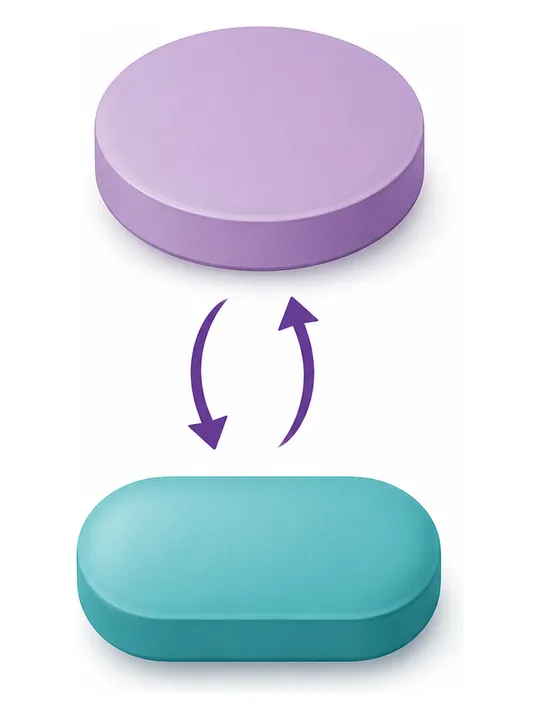
You will be on one of them. Which one depends mainly on whether you have been through menopause, and it matters because their side effects are different.
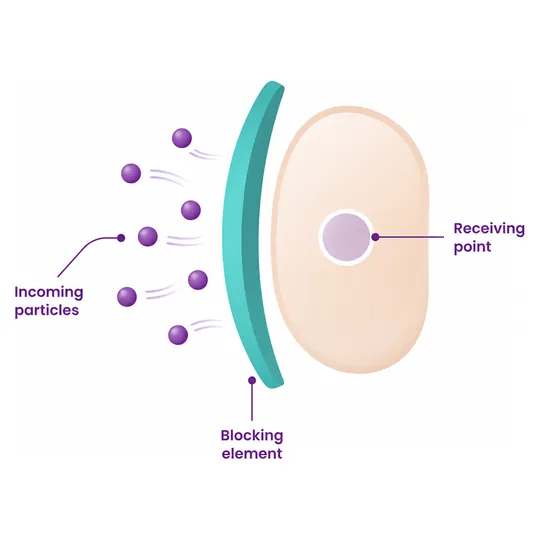
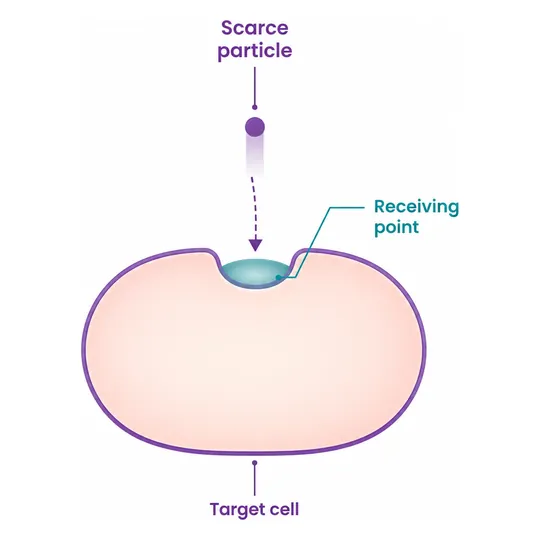
Your tablet has a name, and this page does not use it. Ask your oncologist which of these two kinds you are on, and write it down. It decides which side effects to expect, what monitoring you need, and what you can be switched to.
Nobody describes this part, so women assume the first bad months are how it will always be. They usually are not.
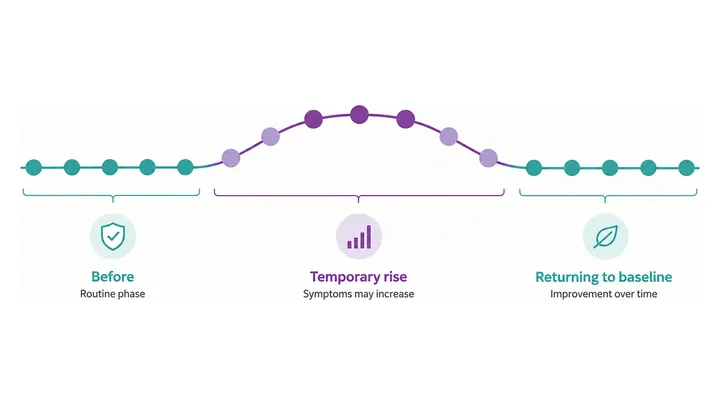

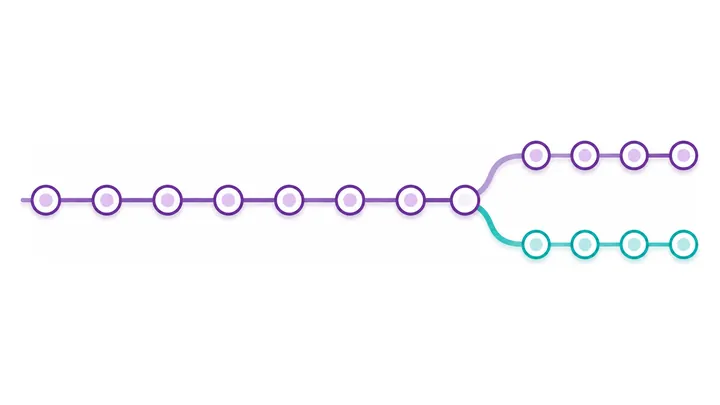
The protection does not stop when the tablet does. The benefit of the years you have taken keeps working long after the last one. That is why finishing the course matters more than it feels like it should while you are in the middle of it.
Every one of these has something that helps. Pick one to see what, and when it is worth a phone call rather than waiting for your next review.
The commonest reason women stop. Stiffness in the hands, wrists and knees, often worst on waking, and it can feel like arthritis arriving all at once.
What helps: regular gentle movement, which feels like the wrong advice and is the best evidenced. Simple pain relief for the first months. Most importantly, ask to be switched — the other kind of tablet, or a different one within the same kind, often suits far better.
Worth a call before your next reviewIf it is stopping you sleeping or using your hands. Do not spend months waiting for an appointment to say so.
Talk to our team
Call the helpline or leave your details, and someone will help you arrange a consultation at the CION centre nearest you. One helpline serves every CION centre.
You are not unusual and you are not being told off. But this is worth reading before you decide it is settled.
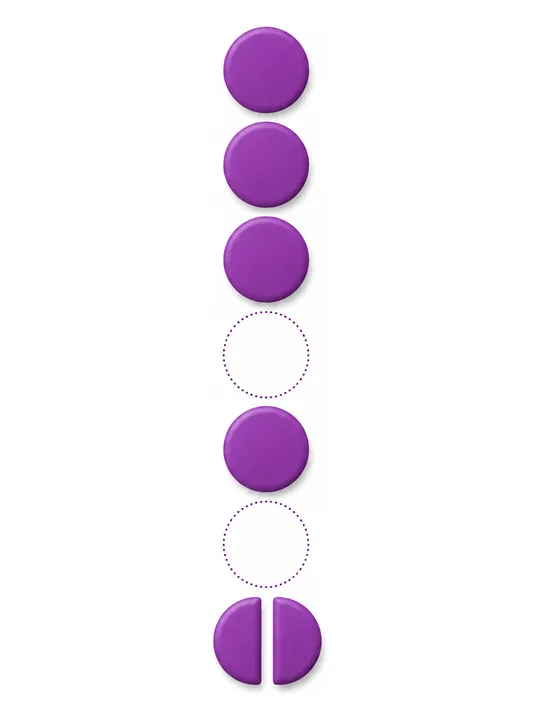
This is commoner than stopping altogether, and it almost never comes up at appointments. Women halve the dose so they can sleep, or skip it on working days, and then cannot find a way to mention it.
Mention it anyway. Taken irregularly, the tablet gives you the side effects and less of the protection. Your oncologist would much rather know and change something.
Finishing the course is one of the strongest things you can do to stop this kind of cancer coming back. The earlier you stop, the more of that you give up.
And it is almost never necessary. The other kind of tablet, a different one within the same kind, a change of timing, or treatment for the side effect itself. Switching is the answer far more often than stopping.
The practical questions that come up once the treatment stops being an event and becomes a routine.
Not while you are taking it, and this is worth planning rather than hoping about. These tablets must not be taken in pregnancy, and the course is long enough to matter a great deal if you are young.
What to do: raise it before you start, not at year three. There are recognised ways to pause treatment for a pregnancy and resume afterwards, and there are fertility steps that are best taken early. Use reliable non-hormonal contraception meanwhile.
Bring it up nowAsk at your very next appointment, whatever stage you are at. Options narrow with time.
The line that decides all of this.
Cycles, and how it differs.
Sessions, and what a visit takes.
What remission actually means.
How the operation is decided.
If the plan does not sit right.
If the aches, the sleep or the flushes are making this unbearable, there is almost always something to change. Bring your reports and the strip you were given. A medical oncologist can tell you which kind you are on, what it should be doing, and what you can be switched to. Consultations in Telugu, Hindi and English.
9 clinics across Hyderabad, within a network of 35+ centres across Telangana and Andhra Pradesh. Care is delivered inside NABH-accredited partner centres.
Toll free 1800 202 8726 · Advancing Care. Passionately.
Trained at AIIMS, Tata Memorial, and leading international centres. Combined 150+ years of experience. Every complex case is reviewed by 3+ of them — together.

MBBS(Gold Medal), DNB(General Medicine), DM(Medical Oncology)(Gold Medal)

MBBS, MD(General Medicine), DM(Medical Oncology)(Adyar,Chennai), ECMO, MRCP SCE(UK)

MBBS, MD (General Medicine), DrNB (Medical Oncology), ECMO, MRCP SCE (Medical Oncology) (UK)



MBBS (AIIMS), MS (Surgery) (AIIMS), DNB (Surgical Oncology), MRCS (Edinburgh)



MBBS, MS(General Surgery), M.Ch(Surgical Oncology), FMAS, FARIS(Ongoing)






MBBS, MS (General Surgery), DrNB (Surgical Oncology), FALS Oncology

Want a specific doctor for your case? Mention them when booking.
Book Free ConsultationShare your name and number — we'll call you back within 30 minutes to schedule your consultation.
Where to find us
Addressed by landmark, because that is how this city navigates. Each centre also names the areas it serves, so you can place it without a map. Consultation and day-care Chemotherapy run at every one of them.
Talk to our team
Call the helpline or leave your details, and someone will help you arrange a consultation at the CION centre nearest you. One helpline serves every CION centre.