

Medical Oncologist
Most women now need far fewer sessions than they expect. A five or six week course was once standard. Shorter schedules are now recommended for most people. If travel is your problem, that is the most useful thing on this page to ask about.
The number of sessions is the part of this treatment that has changed most. Fewer, larger doses now give the same result as the long daily courses of a decade ago. That matters enormously if you are travelling in from a district every weekday.
Three courses in common use. They are equally effective for suitable cancers, so the question is which one fits your life — and that is a fair thing to raise.
It is a clinical decision rather than a preference. But your travel situation is information your radiation oncologist needs, and it does sometimes change the plan.
Ask your radiation oncologistWhat technique is planned, whether a shorter course applies to you, and whether the network can deliver it.
The treatment itself is the shortest part of it. Almost nobody is told this, and it is the reason the number of trips matters more than the number of minutes.
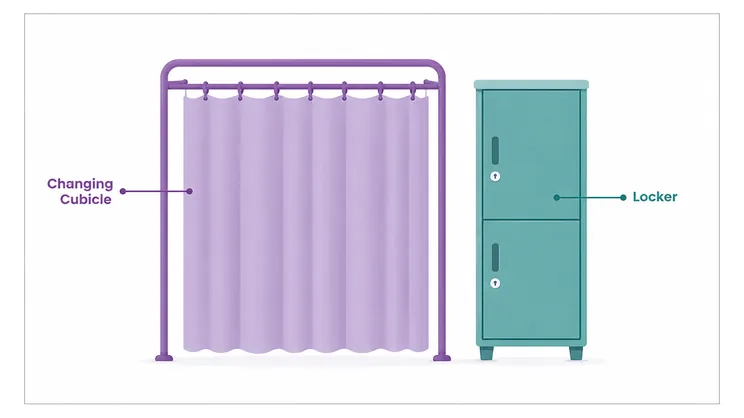
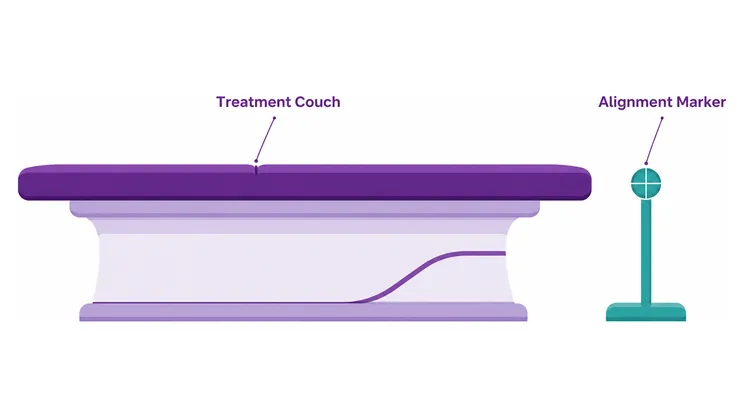
Inside the department, a visit is about twenty minutes. The reason a course feels heavy is everything around it — the travel each way, the wait, and doing it again the next day. If you are coming from a district, count the journey rather than the treatment when you plan.
There is one appointment before treatment starts where nothing is given. It is also where you find out what the position feels like, which is the part worth preparing for.
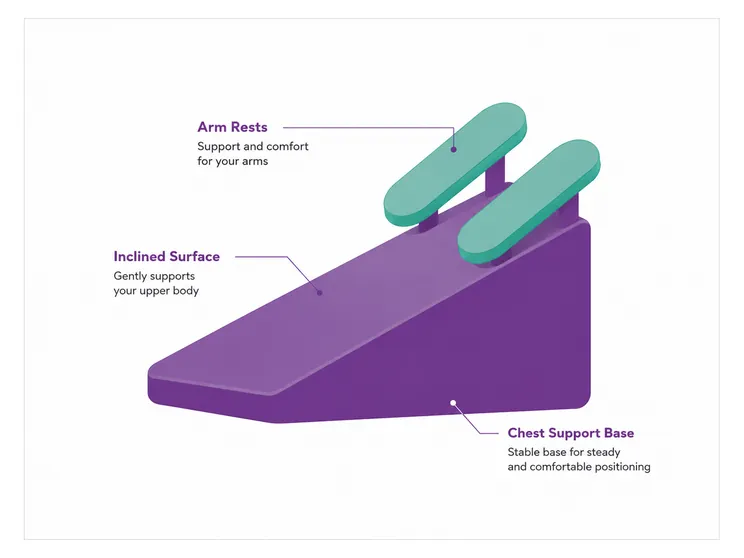
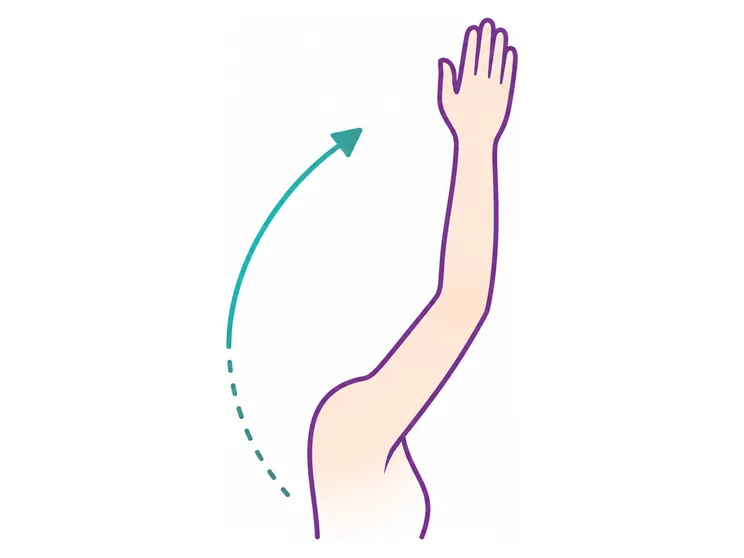
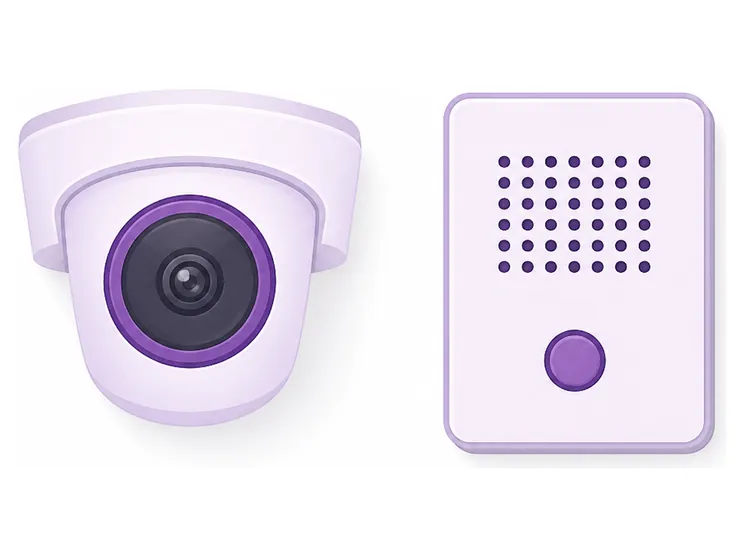
You are alone in the room, and never unobserved. The staff watch you on camera and can hear you the whole time. The machine stops the moment they need it to, and you can raise a hand or speak at any point. You may be asked to hold your breath for a few seconds at a time, which moves the heart away from the treated area. You will practise that at planning, not on the first day.
Pick a factor to see how it bears on the number of sessions. Knowing these is what turns the conversation into a two-way one.
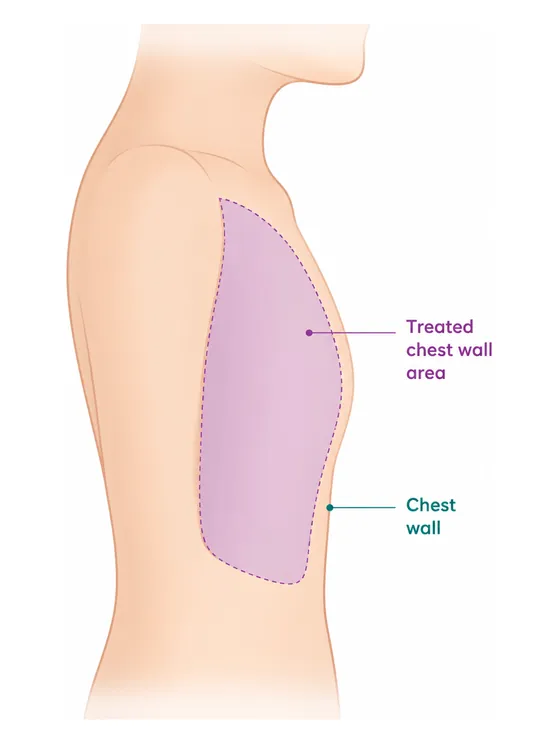
The starting point for everything. After a lumpectomy, radiation to the breast is almost always part of the plan. After a mastectomy it is added only when there is a specific reason, such as a large cancer or involved nodes.
Worth asking: “Given the operation I had, do I need radiation at all — and if so, to what area?”
Effect on the number of sessionsDecides whether you need any, and whether the chest wall or the nodes are included.
Talk to our team
Call the helpline or leave your details, and someone will help you arrange a consultation at the CION centre nearest you. One helpline serves every CION centre.
The answer is different depending on which operation you had, and the difference matters.
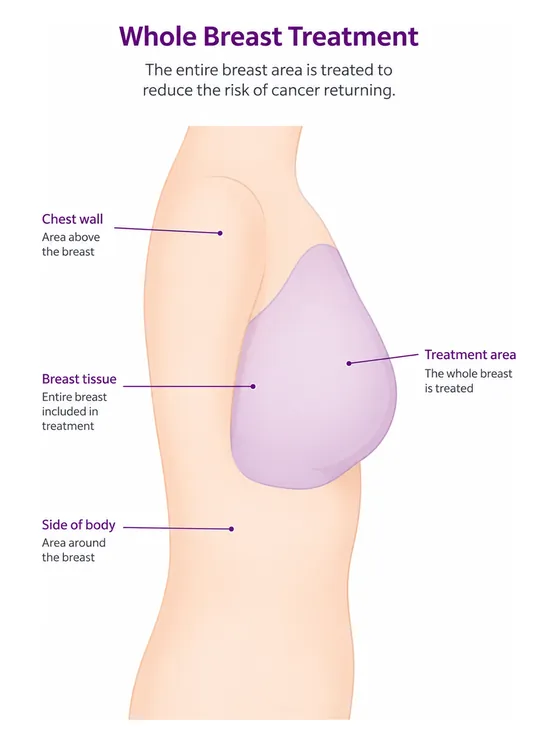
Radiation is local, so the effects are mostly local too. That surprises people who are expecting something like chemotherapy.
The commonest effect by far. The skin over the treated area gradually reddens, darkens or feels tight. It usually builds from about the second week and peaks a week or two after the course finishes.
What helps: a plain unscented moisturiser, loose cotton clothing, and no hot water or soap directly on the area. Tell the team early if it breaks or weeps rather than waiting for the next review.
How long it lastsSettles over several weeks after the course ends. Some permanent darkening is common and it fades a great deal.
Trained at AIIMS, Tata Memorial, and leading international centres. Combined 150+ years of experience. Every complex case is reviewed by 3+ of them — together.

MBBS(Gold Medal), DNB(General Medicine), DM(Medical Oncology)(Gold Medal)

MBBS, MD(General Medicine), DM(Medical Oncology)(Adyar,Chennai), ECMO, MRCP SCE(UK)

MBBS, MD (General Medicine), DrNB (Medical Oncology), ECMO, MRCP SCE (Medical Oncology) (UK)



MBBS (AIIMS), MS (Surgery) (AIIMS), DNB (Surgical Oncology), MRCS (Edinburgh)



MBBS, MS(General Surgery), M.Ch(Surgical Oncology), FMAS, FARIS(Ongoing)






MBBS, MS (General Surgery), DrNB (Surgical Oncology), FALS Oncology

Want a specific doctor for your case? Mention them when booking.
Book Free ConsultationShare your name and number — we'll call you back within 30 minutes to schedule your consultation.
Where to find us
Addressed by landmark, because that is how this city navigates. Each centre also names the areas it serves, so you can place it without a map. Consultation and day-care Chemotherapy run at every one of them.
Talk to our team
Call the helpline or leave your details, and someone will help you arrange a consultation at the CION centre nearest you. One helpline serves every CION centre.
Why radiation makes them equivalent.
Cycles, and what they involve.
What a surgical bill is made of.
What curative intent means.
What to do in the first seven days.
The whole course, and scheme cover.
Bring your surgery notes and pathology report. A radiation oncologist can tell you whether radiation is needed and which area it would cover. They can also say how many sessions that means, and which centre would deliver them. Tell us where you are travelling from — it is information we need, not a complication.
9 clinics across Hyderabad, within a network of 35+ centres across Telangana and Andhra Pradesh. Radiation is delivered on equipment inside NABH-accredited partner centres, planned and overseen by CION radiation oncologists.
Toll free 1800 202 8726 · Advancing Care. Passionately.