 Call Us
Chemotherapy
Drugs that attack fast-growing cells, given by drip or tablet in rounds. Tiredness, hair loss and low blood counts are common and are planned for.
 2 CION specialists for Karimnagar
They plan chemotherapy, targeted therapy and immunotherapy, with surgeons and radiation doctors at a tumour board. Call to check where and when your doctor is in.
Medical Oncologist
Medical Oncologist
Share your details and our care team will call you back to fix a time with the right specialist.
Other CION locations in Telangana

Call the helpline or leave your number. Tell the care team what the biopsy or scan says, and which part of the district you live in. They suggest the partner hospital and the day that suits you.

The CION medical oncologist goes through every report, examines the patient, and explains in plain words what is known so far and what is still missing.

Some people need a staging scan or a test on the tumour tissue before a medicine can be chosen. You are told where each test is done, and whether any of it means travelling.

Medical, surgical and radiation oncologists discuss the case together. You then hear the plan, the alternatives and a written cost estimate.
Where the plan allows, rounds are arranged at the partner hospital, with blood checked before each one. Most people go home the same day.
Your type of cancer, its stage and tests on the tumour decide which of these apply to you.
Drugs that attack fast-growing cells, given by drip or tablet in rounds. Tiredness, hair loss and low blood counts are common and are planned for.
Medicines that act on one particular change in the cancer. A tumour test shows whether that change is there. Without it, these drugs do not help.
Drugs that help the body's own immune system recognise the cancer. Used for certain cancers only, with side effects that need careful watching.
For cancers that grow on hormones, such as many breast and prostate cancers. Usually tablets or injections over a long period, with regular check-ups.
For some cancers, a low dose of chemotherapy is given alongside radiotherapy to make it work better. The two specialists agree the timing, and you are told where the radiotherapy is given.
Medicines for pain, sickness, poor appetite and sleep. They do not treat the cancer itself, but they decide how well the patient gets through each week.
Every case goes to CION’s network tumour board, where these specialists from CION’s centres join your doctor. Ask for any of them when you book.
Treat cancer with medicines such as chemotherapy.
10+ years · MBBS, DM (Medical Oncology), MD (Radiation Oncology)
8+ years · MBBS (Gold Medal), DNB (General Medicine), DM (Medical Oncology) (Gold Medal)
8+ years · MBBS, MD (General Medicine), DM (Medical Oncology) (Adyar, Chennai), ECMO, MRCP SCE (UK)
8+ years · MBBS, MD (General Medicine), DrNB (Medical Oncology), ECMO, MRCP SCE (Medical Oncology) (UK)
Treat cancer with carefully aimed radiation.
10+ years · MBBS, MD (Radiation Oncology), MPH
Decide whether an operation can remove the cancer, and when.
Head of Surgical Oncology
12+ years · MBBS, MS (General Surgery), M.Ch (Surgical Oncology)
8+ years · MBBS, MS (General Surgery), M.Ch (Surgical Oncology), FMAS, FARIS (Ongoing)
20+ years · MBBS (AIIMS), MS (Surgery) (AIIMS), DNB (Surgical Oncology), MRCS (Edinburgh)
10+ years · MBBS, MS (General Surgery), M.Ch (Surgical Oncology)
7+ years · MBBS, MS (General Surgery), M.Ch (Surgical Oncology), FMAS
5+ years · MBBS, MS (General Surgery), DrNB (Surgical Oncology), FALS Oncology
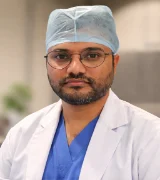
10+ years · MBBS, MS (General Surgery), DrNB (Surgical Oncology)
Diagnoses and treats blood cancers and blood disorders.
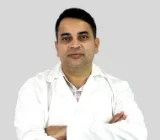
10+ years · MBBS, MD (Immunohaematology & Blood Transfusion), Fellowship in Clinical Haematology (CMC Vellore)
Start with a Consultation
Ask for the doctor you want, or we’ll match you.
For many families, the consultations and most of the chemotherapy can happen at the partner hospitals. That keeps the repeated visits close to home. Some steps may still need a trip, and it is better to know that at the start.
Families come from Godavarikhani, Huzurabad, Metpally, Jagtial and Sultanabad. Tell the care team where you are starting from. They can suggest which partner hospital and which appointment time is easiest for you.
An operation, radiotherapy or a specialised scan may be done at a centre outside Karimnagar, sometimes in Hyderabad. Your care team names the place and explains what is involved before you agree. Ask how long you may need to stay, so that work and home can be arranged.
Tiredness often peaks a few days after a round. Plan for the patient to rest at home, and keep the care team's number and the nearest emergency department's address where the whole family can find them.
Good to know
For fever, bleeding or sudden breathlessness during treatment, go to the nearest emergency department first, then call the care team.
Why it helps: It tells you how much side effect is worth accepting
Why it helps: So you are not guessing on a treatment day
Why it helps: You can plan travel and a stay in good time
Why it helps: A written estimate lets the family plan before the first dose
Why it helps: Fever during chemotherapy cannot wait until morning
Myth
What is true: The plan comes from the CION team and its tumour board either way. Having the rounds nearer home means fewer exhausting journeys, which matters over months of treatment.
Myth
What is true: Age alone does not decide. Fitness, other illnesses and the person's own wishes matter more, and doses can often be adjusted.
Myth
What is true: Doses are lowered to keep treatment safe when side effects build up. It is a normal adjustment, and it often lets you finish the plan.
Myth
What is true: Sometimes medicines after surgery lower the chance of the cancer coming back. The oncologist explains whether that applies to you.
Every CION specialist page for Karimnagar, and the Karimnagar location page.
Partner hospitals and services for the district
How chemotherapy is arranged at the partner hospitals
How CION specialists agree your plan together
If an operation is likely to come first
The general guidance on this page draws on these sources. Facts about CION come from CION’s own pages.
Leave your number and our care team calls you back, or call any time. One helpline serves every CION centre.
Medically reviewed by Dr. Naresh Gundu, Consultant Medical Oncologist (MBBS, DNB (Internal Medicine), DM (Medical Oncology)). Last reviewed October 2026. This page is general information for families from Karimnagar, not medical advice: your specialist advises on tests and treatment after seeing you.
Still unsure? Call 1800 202 8726.
No. CION's oncologists consult at partner hospitals: Kakatiya Hospital, Sri Life Line Hospital, MNR Hospital, and Abhaya Hospital in Warangal. Chemotherapy is arranged locally at those hospitals. The care team tells you which one to visit, and on which day.
Dr. Naresh Gundu and Dr. N. Kiranmayee are medical oncologists on the CION team that serves Karimnagar. The care team tells you where and when each of them sees patients, so check with them before travelling.
Often, yes. Chemotherapy is arranged at the partner hospitals where the plan allows. Some treatments, or other parts of the plan such as surgery or radiotherapy, may need a centre elsewhere. You are told before you agree.
Your case is discussed at a CION tumour board, where medical, surgical and radiation oncologists agree the plan. The partner hospital gives the treatment, and blood is checked before each round, with the CION oncologist overseeing the plan.
Yes. Bring the written plan, details of any doses already given and every report. A CION medical oncologist will say whether they agree, and if not, why. You are not committed to treatment with CION.
CION's team helps with cashless insurance and gives you a written estimate before you start. Bring your insurance card and policy papers, and mention any government or employer scheme when you call so it can be checked.
Call the care team and tell them where you live. They will suggest the partner hospital that is most practical for you, and the day a CION oncologist is seeing patients there.
A family member can bring the reports for a first discussion. The oncologist can explain the findings and the likely next steps. The patient will need to be seen before any treatment starts.
Follow Us:



 1800 120 2676