 Call Us
Radiation oncologist
The doctor who decides on and plans radiotherapy. Different from the medical oncologist, who plans chemotherapy.
 2 CION specialists for Karimnagar
They plan radiotherapy with your surgeon and medical oncologist, and your care team names the centre that gives it. Call to check where and when your doctor is in.
Radiation Oncologist
Radiation Oncologist
Share your details and our care team will call you back to fix a time with the right specialist.
Other CION locations in Telangana

The care team asks what has been found, where, and whether radiation has been suggested. They tell you which partner hospital to visit for the first consultation, and when a CION oncologist is there.

A CION oncologist at a partner hospital reads your reports and examines you. If anything is missing, they tell you which test is needed and why. Bring the family member who will help with decisions.

Surgeons, medical oncologists and radiation oncologists look at your case together and agree on the order of treatment, including whether radiation is needed.

Dr. Mohanty or Dr. Vajrala explains the plan, the side effects and the centre where it will be given. You receive a written estimate before you decide.
After a planning scan, treatment runs on weekdays at the named centre. When the course ends, follow-up and any further medicines can often return to the partner hospitals.
The doctor who decides on and plans radiotherapy. Different from the medical oncologist, who plans chemotherapy.
Treatment aimed at controlling the cancer for the long term.
Treatment aimed at easing pain, bleeding or pressure, not at removing all the cancer.
One treatment visit. The full dose is split into many fractions so healthy tissue can recover in between.
Radiation placed inside the body, close to the tumour, for a short time. Common in cervical cancer.
A scan taken in your exact treatment position, used to aim the beam.
Every case goes to CION’s network tumour board, where these specialists from CION’s centres join your doctor. Ask for any of them when you book.
Treat cancer with carefully aimed radiation.
Decide whether an operation can remove the cancer, and when.
Head of Surgical Oncology
12+ years · MBBS, MS (General Surgery), M.Ch (Surgical Oncology)
8+ years · MBBS, MS (General Surgery), M.Ch (Surgical Oncology), FMAS, FARIS (Ongoing)
20+ years · MBBS (AIIMS), MS (Surgery) (AIIMS), DNB (Surgical Oncology), MRCS (Edinburgh)
10+ years · MBBS, MS (General Surgery), M.Ch (Surgical Oncology)
7+ years · MBBS, MS (General Surgery), M.Ch (Surgical Oncology), FMAS
5+ years · MBBS, MS (General Surgery), DrNB (Surgical Oncology), FALS Oncology
10+ years · MBBS, MS (General Surgery), DrNB (Surgical Oncology)
Treat cancer with medicines such as chemotherapy.
10+ years · MBBS, DM (Medical Oncology), MD (Radiation Oncology)
10+ years · MBBS, DNB (Internal Medicine), DM (Medical Oncology)
8+ years · MBBS (Gold Medal), DNB (General Medicine), DM (Medical Oncology) (Gold Medal)
8+ years · MBBS, MD (General Medicine), DM (Medical Oncology) (Adyar, Chennai), ECMO, MRCP SCE (UK)
8+ years · MBBS, MD (General Medicine), DrNB (Medical Oncology), ECMO, MRCP SCE (Medical Oncology) (UK)
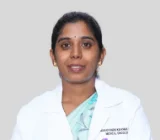
7+ years · MBBS, DM (Medical Oncology), MD (Internal Medicine)
Diagnoses and treats blood cancers and blood disorders.
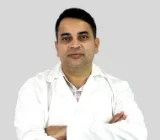
10+ years · MBBS, MD (Immunohaematology & Blood Transfusion), Fellowship in Clinical Haematology (CMC Vellore)
Start with a Consultation
Ask for the doctor you want, or we’ll match you.
These are typical patterns. Your radiation oncologist explains what applies to your plan.
Builds slowly and is often worst near the end. Rest when needed, keep a short daily walk, and accept help with chores.
The treated skin may redden, darken or peel like sunburn. Wash gently, wear loose cotton and use only the cream the team approves.
Mouth and throat treatment can make swallowing painful. Soft food, frequent small meals and early dietitian advice help keep weight up.
Pelvic treatment can cause loose stools or passing urine more often. Tell the team, as medicines and food changes usually help.
The partner hospitals are where CION's oncologists see patients in the district, and where chemotherapy is arranged. They are not CION centres, and they do not give CION radiotherapy.
CION's oncologists consult at Kakatiya Hospital, Sri Life Line Hospital and MNR Hospital, and at Abhaya Hospital in Warangal. When you call, the care team tells you which one to visit and when a CION oncologist is there.
For some cancers, chemotherapy is given in the same weeks as radiation. Chemotherapy is arranged locally at the partner hospitals, but during a radiation course your doctors decide where each dose is given, so the two treatments fit together around your blood counts and your travel.
Patients come from Godavarikhani, Huzurabad, Metpally, Jagtial and Sultanabad as well as Karimnagar town. Tell the care team where you live, so they can suggest the partner hospital that is easiest to reach.
Good to know
This page cannot tell you whether radiation suits your cancer. Share your reports and the care team will book the right specialist.
Myth
What is true: The beam is shaped closely to the area being treated. Side effects appear mostly in that area, and most of them settle in the weeks after treatment ends. Your doctor explains beforehand which longer-lasting effects are possible for your plan.
Myth
What is true: For some cancers, the two work best when given in the same weeks. For others, one follows the other. The order matters, and the tumour board decides it before treatment starts.
Myth
What is true: Some patients manage this early on. Tiredness usually grows as the course goes on, and a long daily journey can become hard. Plan a fallback before you start, such as a relative's home or a room near the treating centre for the later weeks.
Myth
What is true: Second opinions are routine in cancer care. Most doctors expect them. They either confirm the plan or raise a useful question before treatment begins. Bring every report so the second doctor sees exactly what the first one saw.
Every CION specialist page for Karimnagar, and the Karimnagar location page.
CION's partner hospitals and services in Karimnagar
How radiotherapy is arranged for families from the district
For chemotherapy given alongside radiation
Have a radiotherapy plan checked before you start
The general guidance on this page draws on these sources. Facts about CION come from CION’s own pages.
Leave your number and our care team calls you back, or call any time. One helpline serves every CION centre.
Medically reviewed by Dr. Kirti Ranjan Mohanty, Consultant Radiation Oncologist (MBBS, MD (Radiation Oncology)). Last reviewed October 2026. This page is general information for families from Karimnagar, not medical advice: your specialist advises on tests and treatment after seeing you.
Still unsure? Call 1800 202 8726.
No. CION's oncologists consult at partner hospitals in Karimnagar, but radiotherapy is not given there. CION's radiation oncologists plan it, and your care team names the centre that gives it. You know where it is, and have a written estimate, before you agree.
CION's oncologists consult at Kakatiya Hospital, Sri Life Line Hospital and MNR Hospital, and at Abhaya Hospital in Warangal. Chemotherapy is arranged locally at those hospitals. The care team tells you which one to visit and when.
Dr. Kirti Ranjan Mohanty holds an MBBS and an MD in Radiation Oncology. Dr. Gangadhar Vajrala holds an MBBS, an MD in Radiation Oncology and an MPH. Both are part of the CION team serving Karimnagar. The care team tells you where and when each one sees patients.
Radiotherapy usually means going in every weekday for several weeks, though courses to ease pain are often shorter. Many families stay near the treating centre during the week and come home at weekends. Your radiation oncologist gives you the schedule.
Many do. Age alone does not rule out radiotherapy. The doctor looks at day-to-day strength, other illnesses and the aim of treatment, and may adjust the course. They will tell you honestly if a gentler approach makes more sense.
Call the CION care team the same day for broken skin, being unable to eat or drink, or new pain. For a high fever, bleeding or sudden breathlessness, go to the nearest emergency department first, mention the cancer treatment, then call the team.
CION's team helps with cashless insurance and gives you a written estimate before you start. Bring your insurance papers to the first consultation. If a government or employer scheme covers you, mention it when you call so the team can check it.
Yes. A relative can share the reports with the care team first, which saves the patient a journey while the team works out what is needed. The patient will still be seen before any treatment is planned.
Follow Us:



 1800 120 2676