CION’s oncologists consult at GVP, Keerthana Hospital, Vedantha and other partner hospitals in Madhurwada, where chemotherapy is arranged close to home. Surgery and radiotherapy are planned by the same team and given at the treating centre your care team names.
Medical, surgical and radiation oncologists, who discuss your case together before a plan is confirmed. Call to check where and when your doctor is in.
What does each CION specialist in Madhurawada look after?
All three see patients in Madhurawada and discuss cases
together at a tumour board.
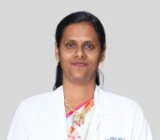
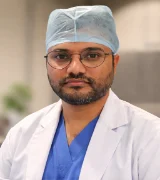
Dr. Bharati Devi Gorantla
Medical oncologist. Plans chemotherapy, targeted therapy and
immunotherapy, checks blood counts before each round, and helps
manage side effects such as tiredness, mouth sores and a low white
cell count.
Often the first doctor when
Medicines are likely to come first
The cancer has spread beyond one place
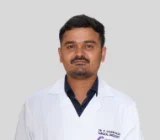
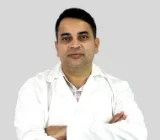
Dr. Gowri Naidu
Surgical oncologist. Decides whether an operation can remove the
cancer, how much tissue to take, and whether medicines or radiation
should come first to make surgery safer.
Often the first doctor when
There is a lump or growth not yet tested
A biopsy is needed to confirm the diagnosis
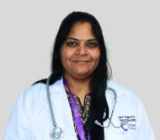
Dr. Sushma P Venkata
Radiation oncologist. Decides whether radiotherapy will help, which
area to treat, how much to give and over how long. Often involved
before or after an operation.
Often the first doctor when
Radiotherapy has already been suggested
Surgery is not the right choice
Which cancer myths cost families precious time?
Myth
"Any doctor can treat cancer if they are experienced."
What is true: Cancer care has its own specialists for medicines,
surgery and radiation. A general physician or surgeon may find the
problem, but a cancer specialist should plan the treatment, ideally
with the other two.
Myth
"Herbal treatment first, hospital only if that fails."
What is true: Waiting can let a treatable cancer grow. Some herbal
products also interfere with cancer medicines. Tell your oncologist
about anything you take, and do not delay tests while you try
something else.
Myth
"A biopsy will make the cancer spread."
What is true: This fear stops many people from getting a clear
answer. A biopsy is how doctors confirm what the growth is and which
treatment suits it. Without it, treatment is a guess.
Myth
"Once diagnosed, there is nothing left to decide."
What is true: There are usually choices: the order of treatment,
where each part happens, and how to fit it around family life. Ask
about them. A good plan has room for your priorities.
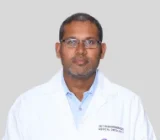
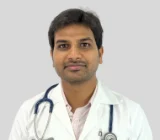
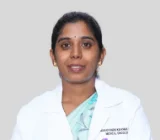
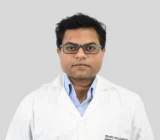
More CION Specialists
Every case goes to CION’s network tumour board, where these specialists from CION’s centres join your doctor. Ask for any of them when you book.
How do you go from a worrying report to a treatment plan?
1
Share what you have
Call the helpline or leave your number. Tell the care team what the
reports say, where they were done, and which language suits you. They
choose the right specialist and partner hospital with you.
2
Bring the full file
Biopsy reports, scan films and CDs, blood tests, prescriptions and
discharge summaries. Old reports matter too, because the doctor may
compare them with the newest ones.
3
Talk it through
The oncologist reads every report, examines the patient and explains
what is known. Bring the family member who will help decide, so
nobody has to explain it again at home.
4
Get one agreed plan
Your case is reviewed at a tumour board. You then hear the plan,
the other choices and a written estimate before treatment
starts.
What are the tests an oncologist may ask for?
Biopsy
A small piece of the growth is taken out with a needle or a minor
procedure, so it can be checked under a microscope.
Histopathology
The laboratory report on that piece. It says whether it is cancer
and what type.
Immunohistochemistry (IHC)
Extra stains on the same tissue. They narrow down the exact type
and help choose medicines.
Biomarker
A feature of the cancer cells, found by testing, that shows whether
a particular medicine is likely to work.
PET-CT
A scan that shows where in the body cells are unusually active. It
helps find out how far a cancer has spread.
Staging
Putting the results together to say how far the cancer has
spread. Most treatment decisions rest on it.
Which parts of treatment can be arranged in Madhurawada?
Meeting the oncologist
Where: At one of the partner hospitals in Madhurawada
Chemotherapy
Where: Arranged locally at the partner hospitals, mostly as day-care
An operation
Where: At a hospital your care team names, with the distance, before you agree
Radiotherapy
Where: At a centre your care team names when it is planned
Check-ups after treatment
Where: Usually back with the same team, close to home
What should Madhurawada families plan for before treatment starts?
Ask early what can stay close to home and what cannot. Consultations
and chemotherapy are arranged at the partner hospitals in
Madhurawada. For an operation or radiotherapy, your care team names the
place, and how far it is, before you decide.
1Chemotherapy without a hospital stay
Most chemotherapy is day-care. The patient comes in, has a blood
test, receives the treatment and sleeps at home. Over many visits,
having it nearby saves real effort for the patient and the relative
who comes along.
2Radiotherapy needs a plan for travel
Radiotherapy usually means going in every weekday for several weeks.
That makes the journey, and who will go along each day, worth sorting
out at the start rather than the week before.
3Coming from nearby areas
Families from Rushikonda, Bheemunipatnam, Kommadi, MVP Colony and
Gajuwaka also book through the same helpline. Tell the care team where
you live and they will suggest the partner hospital that is easiest to
reach.
4Who to call when something changes at home
Before treatment starts, ask which signs mean a call to the care
team and which mean going straight to emergency. A high fever during
chemotherapy, heavy bleeding or sudden breathlessness always means the
nearest emergency department first. Keep the helpline number saved on
more than one phone in the family.
Good to know
CION's team helps with cashless insurance and gives
you a written estimate before you start.
Medically reviewed by Dr. Bharati Devi Gorantla, Consultant Medical Oncologist (MBBS, MD (General Medicine), DM (Medical Oncology) (Adyar, Chennai), ECMO, MRCP SCE (UK)). Last reviewed October 2026. This page is general information for families from Madhurawada, not medical advice: your specialist advises on tests and treatment after seeing you.
What do people in Madhurawada ask before seeing an oncologist?
1Which hospitals in Madhurawada does CION work with?
CION's oncologists see patients at partner
hospitals GVP, Keerthana Hospital, Vedantha and Vatsalya. None of them
is a CION centre. The care team tells you which one to visit and when,
based on the doctor you need.
2Can I see a surgical oncologist here?
Yes. Dr. Gowri Naidu, a surgical oncologist,
sees patients in Madhurawada. The operation itself takes place at a
hospital your care team names, and you are told how far it is before
you agree.
3Is chemotherapy arranged locally?
Yes. Chemotherapy is arranged at the partner
hospitals, usually as day-care. Dr. Bharati Devi Gorantla or another
CION medical oncologist plans each round and checks blood counts
first.
4Does Madhurawada have radiotherapy?
Dr. Sushma P Venkata, a radiation oncologist,
sees patients here and plans treatment. Radiotherapy itself is given
at a centre your care team names. Ask about travel early, because it
usually runs every weekday for several weeks.
5How do we book a first appointment?
Call the helpline or leave your number on this
page. No referral letter is needed. Keep your reports ready, because
the care team may ask about them on the call.
6Will our insurance be accepted?
CION's team helps with cashless insurance and
gives you a written estimate before you start. Bring your card and
policy papers so the team can check them early.
7Can relatives come first if the patient is too unwell?
Yes. A family member can bring the reports for a
first talk. The oncologist will still need to see the patient before
treatment is planned, but much can be explained first.
8Can you give a second opinion on another hospital's plan?
Yes. Bring the plan and every report behind it.
The oncologist will say whether they agree, and why. It does not
commit you to treatment with CION.
 Call Us







 1800 120 2676


