 Call Us
Cervical cancer
Often treated with radiotherapy and chemotherapy together, followed by internal radiotherapy, called brachytherapy, where a source is placed close to the cervix for a short time.
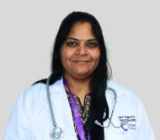 1 CION specialist for Madhurawada
They plan radiotherapy with your surgeon and medical oncologist, and your care team names the centre that gives it. Call to check where and when your doctor is in.
Radiation Oncologist
Share your details and our care team will call you back to fix a time with the right specialist.
A look inside CION L.B. Nagar
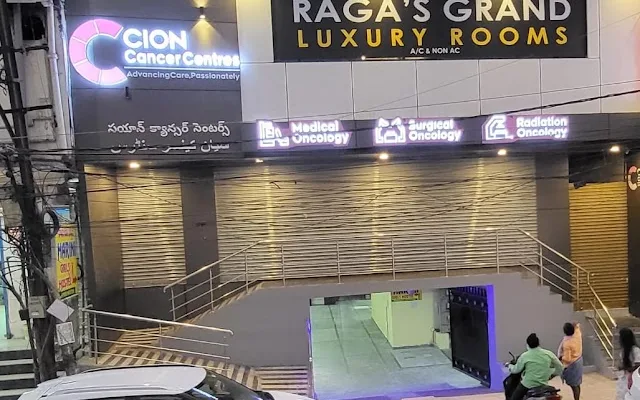
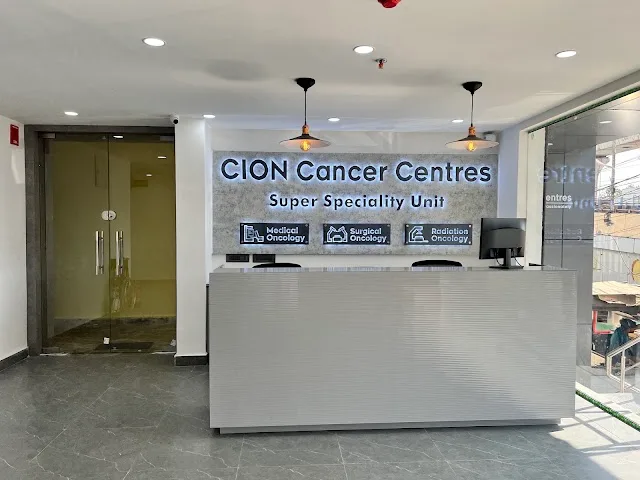
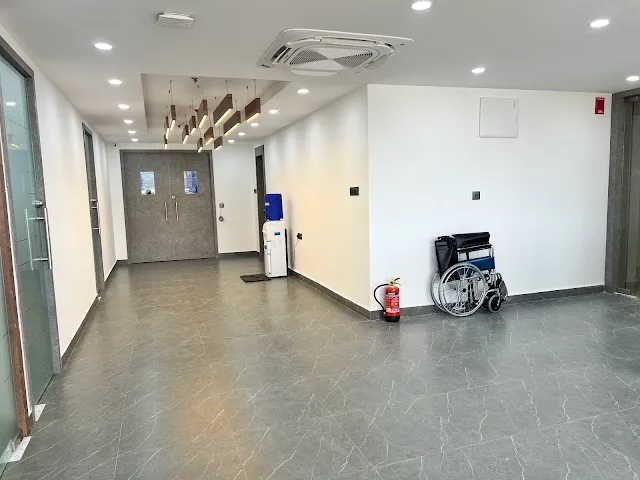
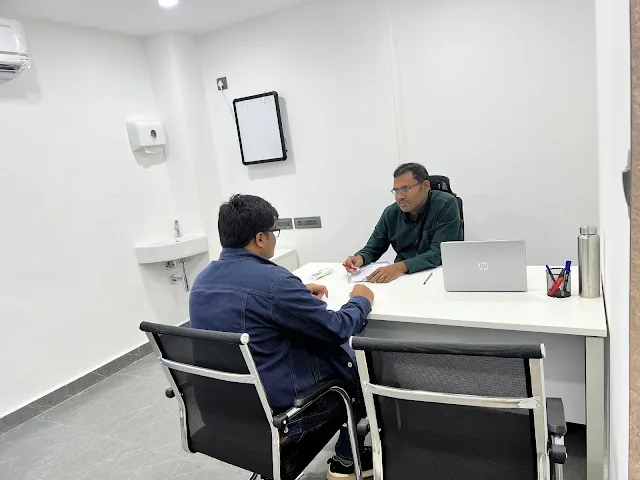
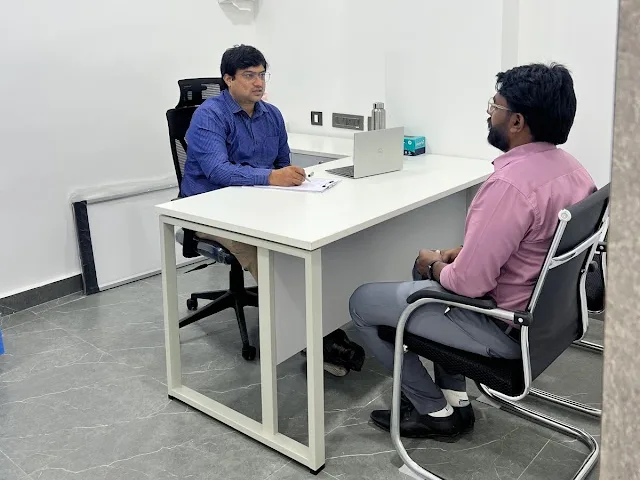
Other CION locations in Andhra Pradesh
These are typical roles, not rules. Your own plan depends on the stage, your health and what has already been done.
Often treated with radiotherapy and chemotherapy together, followed by internal radiotherapy, called brachytherapy, where a source is placed close to the cervix for a short time.
Usually given after an operation that keeps the breast, and sometimes after the breast is removed, to lower the chance of the cancer coming back in the same area.
Used after surgery, or with chemotherapy instead of surgery where an operation would affect speech or swallowing too much.
Often combined with chemotherapy. For some early lung cancers in people who cannot have an operation, a short, precise course may be used instead.
A short course can ease bone pain and lower the risk of a break. Its aim is comfort, and it often works within a few weeks.

Dr. Sushma reads the biopsy, the scans and any operation notes, then examines you. She explains whether rays will help and why.

Your case is discussed with medical and surgical oncologists, so the order of surgery, medicine and rays is agreed together.
At the treating centre, a scan is taken in your treatment position. The doctor marks the area to treat and the organs to protect.
The plan is checked by the physics team before treatment starts, so the dose lands where it was drawn.
Every case goes to CION’s network tumour board, where these specialists from CION’s centres join your doctor. Ask for any of them when you book.
Treat cancer with carefully aimed radiation.
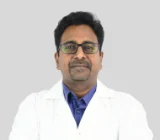
10+ years · MBBS, MD (Radiation Oncology), MPH
Decide whether an operation can remove the cancer, and when.
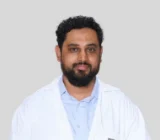
Head of Surgical Oncology
12+ years · MBBS, MS (General Surgery), M.Ch (Surgical Oncology)
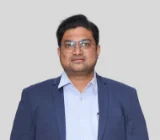
8+ years · MBBS, MS (General Surgery), M.Ch (Surgical Oncology), FMAS, FARIS (Ongoing)
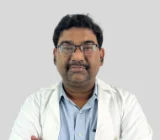
20+ years · MBBS (AIIMS), MS (Surgery) (AIIMS), DNB (Surgical Oncology), MRCS (Edinburgh)
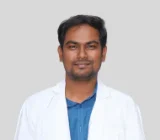
10+ years · MBBS, MS (General Surgery), M.Ch (Surgical Oncology)
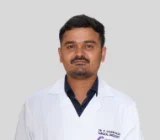
7+ years · MBBS, MS (General Surgery), M.Ch (Surgical Oncology), FMAS
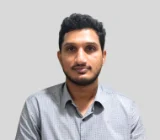
5+ years · MBBS, MS (General Surgery), DrNB (Surgical Oncology), FALS Oncology
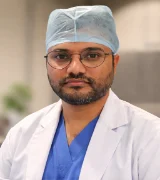
10+ years · MBBS, MS (General Surgery), DrNB (Surgical Oncology)
Treat cancer with medicines such as chemotherapy.
10+ years · MBBS, DM (Medical Oncology), MD (Radiation Oncology)
10+ years · MBBS, DNB (Internal Medicine), DM (Medical Oncology)
8+ years · MBBS (Gold Medal), DNB (General Medicine), DM (Medical Oncology) (Gold Medal)
8+ years · MBBS, MD (General Medicine), DM (Medical Oncology) (Adyar, Chennai), ECMO, MRCP SCE (UK)
8+ years · MBBS, MD (General Medicine), DrNB (Medical Oncology), ECMO, MRCP SCE (Medical Oncology) (UK)
7+ years · MBBS, DM (Medical Oncology), MD (Internal Medicine)
Diagnoses and treats blood cancers and blood disorders.
10+ years · MBBS, MD (Immunohaematology & Blood Transfusion), Fellowship in Clinical Haematology (CMC Vellore)
Start with a Consultation
Ask for the doctor you want, or we’ll match you.
Because you go there again and again. Radiotherapy usually means going in every weekday for several weeks, so a trip that feels easy once can become exhausting by the third week.
Your care team names the centre that gives your radiotherapy and tells you how far it is. Ask this at the first consultation, not after the plan is fixed. People from Rushikonda, Bheemunipatnam, Kommadi, MVP Colony and Gajuwaka all weigh up the same thing: how the patient will get there each weekday, and who will go with them.
Fix a regular time slot if you can. Arrange the same transport each day. Keep water and a light snack with you. Small steps like these matter more than people expect once tiredness sets in.
Do not wait for the weekly review if something new worries you. Skin that breaks open, a mouth too sore to drink, loose motions that do not settle, or a fever all need a call the same day. The care team can tell you whether to come in, change a medicine, or go to the nearest emergency department first.
Chemotherapy is arranged locally at the partner hospitals, and blood tests between visits can often be done close to home. Your team tells you which reviews can stay local.
Good to know
CION's team helps with cashless insurance and gives you a written estimate before you start. Ask for it to cover the whole course.
Chemotherapy: Travels through the whole body in the blood
Chemotherapy: Side effects can show up anywhere
Chemotherapy: Usually in cycles with rest gaps between
Chemotherapy: Arranged locally at Madhurawada partner hospitals
Chemotherapy: Planned by a medical oncologist
Myth
What is true: With external beam treatment, nothing stays in you once the machine stops. You can travel by bus, cook for the family and hold children as usual.
Myth
What is true: Tiredness is common during the course and for some weeks after. Most people get their energy back gradually. Late effects are possible in the treated area, and your doctor will explain which ones to watch for.
Myth
What is true: Course length depends on the aim and the area. A short course for bone pain is planned that way on purpose, and longer is not always better.
Myth
What is true: Gentle washing with plain water is usually fine. Avoid scrubbing, strong soaps and hot water on the area, and ask the team which cream to use.
Myth
What is true: Follow-up visits matter. They check how the treated area has healed, pick up late effects early and decide when the next scan is due. Keep every appointment, even when you feel well.
Every CION specialist page for Madhurawada, and the Madhurawada location page.
Partner hospitals, services and how to reach the team
How a course is planned and arranged
Have an existing radiotherapy plan checked
If an operation comes before radiotherapy
The general guidance on this page draws on these sources. Facts about CION come from CION’s own pages.
Leave your number and our care team calls you back, or call any time. One helpline serves every CION centre.
Medically reviewed by Dr. Sushma P Venkata, Consultant Radiation Oncologist (MBBS, MD (Radiation Oncology)). Last reviewed October 2026. This page is general information for families from Madhurawada, not medical advice: your specialist advises on tests and treatment after seeing you.
Still unsure? Call 1800 202 8726.
Dr. Sushma P Venkata (MBBS, MD, Radiation Oncology) sees patients in Madhurawada through CION's partner hospitals. When you call, the care team confirms which hospital and which day, so you do not travel to the wrong place.
CION's oncologists consult at GVP, Keerthana Hospital, Vedantha and Vatsalya. Chemotherapy is arranged locally at these hospitals. CION does not have a centre of its own in Madhurawada, so your visits happen at one of these partners.
No CION location gives radiotherapy. Dr. Sushma plans it, and the care team names the centre that gives it and tells you how far it is. You hear this before you agree, so you can plan the weekday trips.
For some cancers, yes. Cervical, throat and food pipe cancers are common examples. Your doctors agree the order together. If both run in the same weeks, ask how the chemotherapy days fit around your radiotherapy visits.
It depends on the area treated. Sore skin, tiredness, a sore mouth or loose motions are common, depending on the site. Call the team the same day for high fever, bleeding, being unable to drink, or sudden breathlessness.
Yes. Bring the plan from the other hospital and all the reports behind it. Dr. Sushma will tell you whether she agrees, and if not, why. A second opinion does not tie you to treatment with CION.
CION's team helps with cashless insurance and gives you a written estimate before you start. Bring your policy details to the first visit. If you are covered by a government or employer scheme, mention it when you call so the team can check it.
No. Call the helpline or leave your number on this page. A note from your current doctor helps, but the reports matter more. Bring every biopsy report, scan and operation note, even ones that seem out of date.
Follow Us:



 1800 120 2676