CION’s oncologists consult at Prudence, Indura Motherhood, Shri Chakra and other partner hospitals in Nizamabad, where chemotherapy is arranged close to home. Surgery and radiotherapy are planned by the same team and given at the treating centre your care team names.
Medical, surgical and radiation oncologists, who discuss your case together before a plan is confirmed. Call to check where and when your doctor is in.
How does care move from a phone call to a treatment plan?
1
A conversation with the care team
You tell them what was found and where. They ask which language
suits the family and which partner hospital is easiest to reach, then
fix a time.
2
Reports in one folder
Biopsy, scans with their CDs, blood tests and discharge papers, in
date order. A report you think is unimportant may hold the line the
doctor needs.
3
The consultation
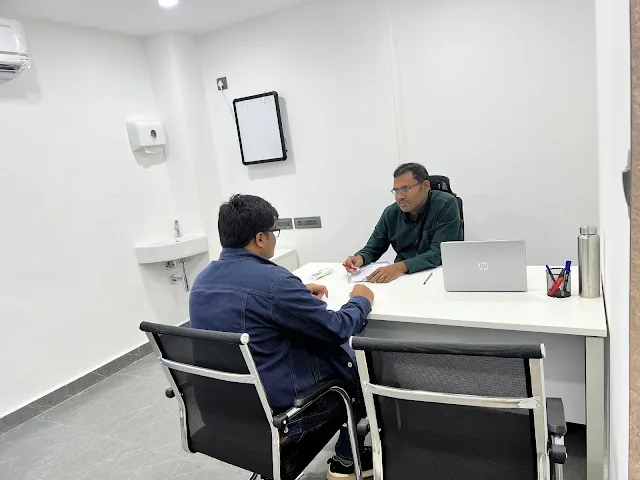
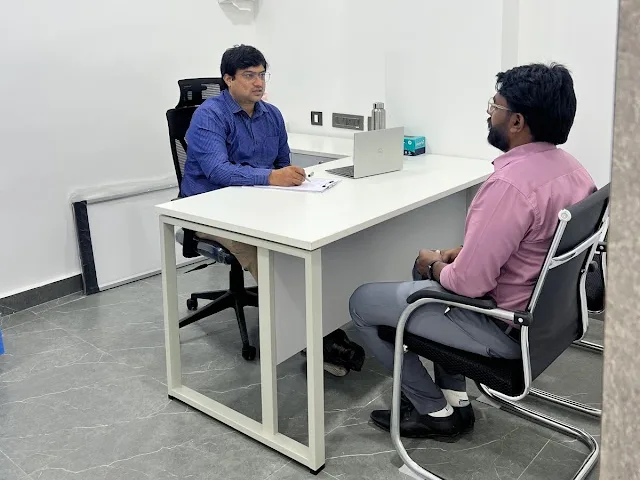
The oncologist examines the patient, goes through the reports and
explains what is known and what is still missing. Bring the person who
will help decide, and a written list of questions so nothing is
forgotten in the moment.
4
Tumour board review
Medical, surgical and radiation oncologists discuss the case
together. Their agreed plan comes back to you with alternatives and a
written estimate.
5
Treatment begins
Chemotherapy is arranged at a partner hospital in Nizamabad,
usually as day-care. Before each round your blood counts are checked.
Anything that must happen elsewhere is named, with the distance, before
you agree, and follow-up visits come back to the town.
When might a Nizamabad family need to travel for treatment?
Mainly for an operation or for radiotherapy. Consultations,
chemotherapy and follow-up can usually stay at the partner hospitals in
Nizamabad. Your care team names the hospital for any other step before
you say yes.
1Surgery is not always first
Some cancers are better treated with medicines first, to shrink them
before an operation. In others, surgery would not help at all. A
surgical oncologist explains which applies to you, and the care team
tells you where the operation would happen and how far it is.
2Radiotherapy needs planning
Radiotherapy usually means going in every weekday for several weeks.
Families from Bodhan, Armoor or Banswada should raise travel and a place
to stay as soon as it is mentioned. Asking early gives time to sort out
leave and money.
3Cost and insurance
CION's team helps with cashless insurance and gives you a written
estimate before you start. Ask for an estimate for each step, so you
can see the cost of the local and the travelling parts separately.
4Who this arrangement does not suit
A consultation at a partner hospital is not emergency care. If a
patient on treatment has a high fever, heavy bleeding or sudden
breathlessness, go to the nearest emergency department first. Then call
the care team.
Which ideas about cancer treatment hold Nizamabad families back?
Myth
"Treatment near home cannot be as good as treatment in a city."
What is true: The plan is what matters, and every CION plan is
reviewed by a team of specialists. Having chemotherapy close to home
means less travel on the days the patient feels worst.
Myth
"A biopsy makes cancer spread."
What is true: This fear delays many diagnoses. A biopsy is how the
doctor learns exactly what the cancer is, which decides the right
treatment. Without it, the plan is a guess.
Myth
"We should try home remedies before seeing a specialist."
What is true: Waiting rarely makes treatment easier. Some remedies
also interfere with cancer medicines. Tell the oncologist about
anything the patient is already taking.
Myth
"Older patients are too weak for any treatment."
What is true: Age alone does not decide it. The oncologist looks at
overall health and what the patient wants, and many older people are
treated safely with a plan adjusted to them.
Myth
"Seeing a new doctor means doing every test again."
What is true: Not if you bring your reports. Good tests from another
hospital are usually accepted. A test is repeated only when something
is missing or out of date, and the doctor should tell you why.
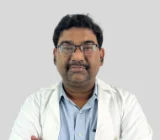
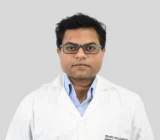
Medically reviewed by Dr. Naresh Gundu, Consultant Medical Oncologist (MBBS, DNB (Internal Medicine), DM (Medical Oncology)). Last reviewed October 2026. This page is general information for families from Nizamabad, not medical advice: your specialist advises on tests and treatment after seeing you.
1Which hospitals in Nizamabad do CION oncologists consult at?
Prudence, Indura Motherhood, Shri Chakra and
Sukhibava. These are partner hospitals, not CION centres. Chemotherapy
is arranged at them too. The care team tells you which hospital and
which day suit the doctor you need.
2Who are the medical oncologists for Nizamabad?
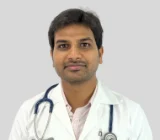
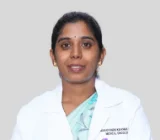
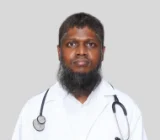
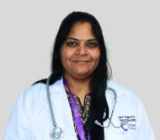
Dr. Naresh Gundu and Dr. N. Kiranmayee, both
with a DM in Medical Oncology, are part of the CION team that serves
Nizamabad. Call the helpline to check where and when each is seeing
patients.
3Can chemotherapy stay in Nizamabad?
Usually, yes. It is arranged at the partner
hospitals in the town, most often as day-care, so the patient sleeps
at home. If a particular treatment needs a larger centre, you are told
before it starts.
4Do we have to go to Hyderabad at all?
It depends on the plan. An operation or
radiotherapy usually happens outside the town. Your care team names
the hospital, and how far it is, before you agree. Many visits can
still stay in Nizamabad.
5Is a referral needed to see a CION oncologist?
No. Book through the helpline or the form on
this page. A referral letter helps, but your reports matter more. Bring
every one you have.
6How does insurance work?
CION's team helps with cashless insurance and
gives you a written estimate before you start. Bring your policy
papers to the first visit, and mention any government or employer
scheme when you call so it can be checked.
7Can we ask CION to check a plan from another hospital?
Yes. Bring the plan and the reports behind it.
An oncologist will tell you whether they agree and, if not, why. It
does not commit you to treatment with CION.
8What if the patient cannot come to the first visit?
A family member can come with the reports. Many
families start this way when the patient is unwell or lives in a
village outside the town. The doctor can explain a lot at that meeting. The patient still needs to
be seen before treatment is planned.
 Call Us








 1800 120 2676


