 Call Us
External beam radiotherapy
The most common type. You lie on a table while a machine outside the body aims radiation at the cancer. You feel nothing during it, and you go home afterwards.
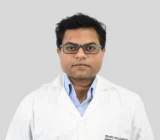
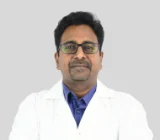 2 CION specialists for Nizamabad
They plan radiotherapy with your surgeon and medical oncologist, and your care team names the centre that gives it. Call to check where and when your doctor is in.
Radiation Oncologist
Radiation Oncologist
Share your details and our care team will call you back to fix a time with the right specialist.
A look inside CION L.B. Nagar
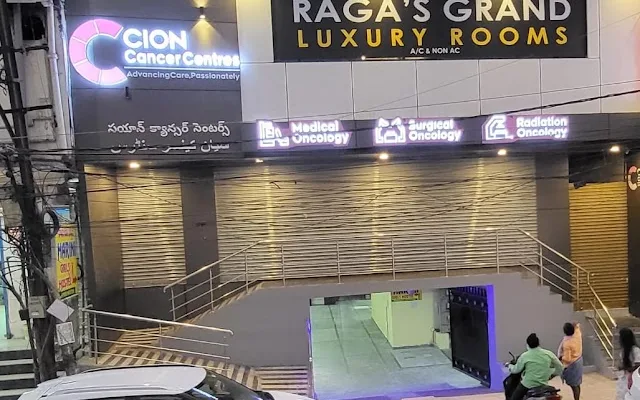
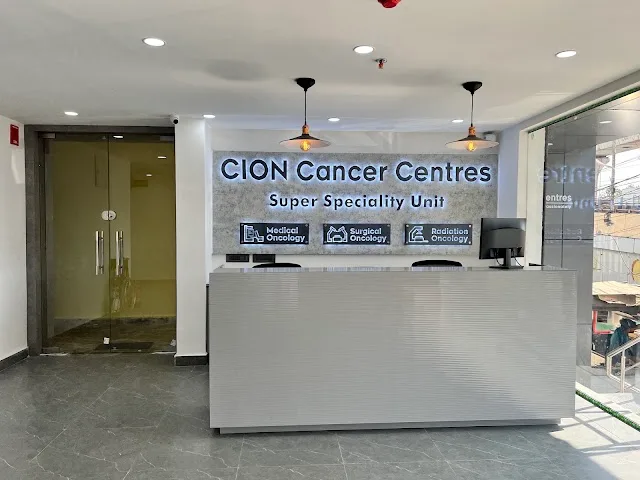
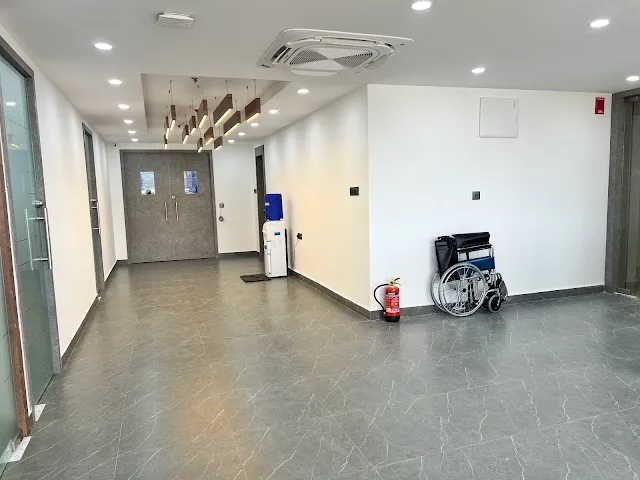
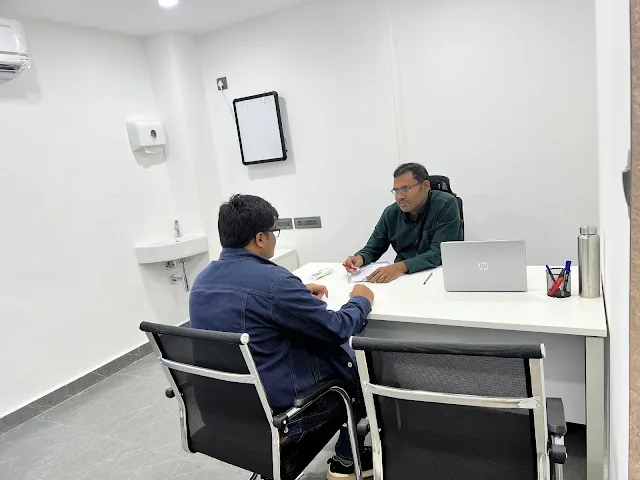
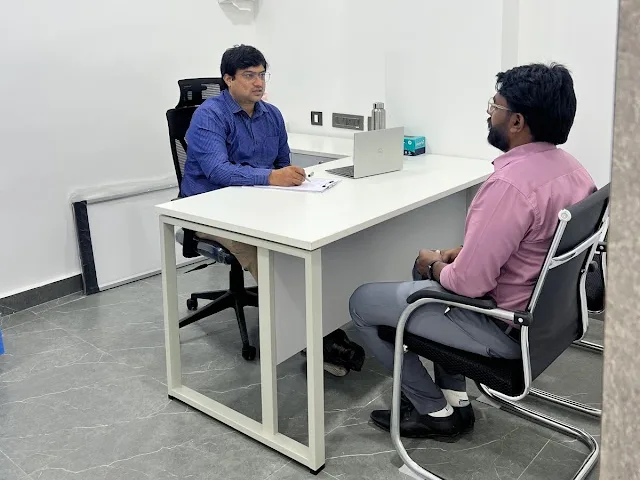
Other CION locations in Telangana
You may hear several terms at the consultation. These are the broad types, described plainly.
The most common type. You lie on a table while a machine outside the body aims radiation at the cancer. You feel nothing during it, and you go home afterwards.
Also called brachytherapy. A radiation source is placed inside the body, close to the cancer, for a short time. It is used for some cervical, womb and prostate cancers.
Radiotherapy and chemotherapy planned in the same weeks. The chemotherapy makes cancer cells more sensitive to radiation. It is harder going, so support at home matters more.
Palliative radiotherapy, meaning treatment aimed at easing symptoms. It can calm bone pain, stop bleeding, or relieve pressure from a growth, often over only a few visits.
Radiotherapy usually means going in every weekday for several weeks. That is the single biggest practical issue for a family in Nizamabad, and it is worth sorting out before the planning scan.
Ask the care team to name the treatment centre at the first consultation. Then work out how you would get there each day, and what time you would have to leave home. If the answer is too hard, say so. There may be another way to arrange it.
Many families from Bodhan, Banswada, Balkonda, Armoor and Dichpally decide that one person will stay near the treatment centre on weekdays with the patient. This saves the patient a long journey every day, when tiredness is already building up. Ask the care team what other families have done.
Pack food and water for the journey, and rest on arrival. People who eat well through the course often cope better with tiredness. If eating becomes hard, tell the doctor early rather than waiting for the next review.
CION's team helps with cashless insurance and gives you a written estimate before you start. Ask whether the estimate includes the planning scan and any chemotherapy given in the same weeks, so the family knows the full picture.
Good to know
This page cannot tell you which type of radiotherapy you need, or how long it will run. Your radiation oncologist will.
Every case goes to CION’s network tumour board, where these specialists from CION’s centres join your doctor. Ask for any of them when you book.
Treat cancer with carefully aimed radiation.
Decide whether an operation can remove the cancer, and when.
Head of Surgical Oncology
12+ years · MBBS, MS (General Surgery), M.Ch (Surgical Oncology)
8+ years · MBBS, MS (General Surgery), M.Ch (Surgical Oncology), FMAS, FARIS (Ongoing)
20+ years · MBBS (AIIMS), MS (Surgery) (AIIMS), DNB (Surgical Oncology), MRCS (Edinburgh)
10+ years · MBBS, MS (General Surgery), M.Ch (Surgical Oncology)
7+ years · MBBS, MS (General Surgery), M.Ch (Surgical Oncology), FMAS
5+ years · MBBS, MS (General Surgery), DrNB (Surgical Oncology), FALS Oncology
10+ years · MBBS, MS (General Surgery), DrNB (Surgical Oncology)
Treat cancer with medicines such as chemotherapy.
10+ years · MBBS, DM (Medical Oncology), MD (Radiation Oncology)
10+ years · MBBS, DNB (Internal Medicine), DM (Medical Oncology)
8+ years · MBBS (Gold Medal), DNB (General Medicine), DM (Medical Oncology) (Gold Medal)
8+ years · MBBS, MD (General Medicine), DM (Medical Oncology) (Adyar, Chennai), ECMO, MRCP SCE (UK)
8+ years · MBBS, MD (General Medicine), DrNB (Medical Oncology), ECMO, MRCP SCE (Medical Oncology) (UK)
7+ years · MBBS, DM (Medical Oncology), MD (Internal Medicine)
Diagnoses and treats blood cancers and blood disorders.
10+ years · MBBS, MD (Immunohaematology & Blood Transfusion), Fellowship in Clinical Haematology (CMC Vellore)
Start with a Consultation
Ask for the doctor you want, or we’ll match you.

Your radiation oncologist explains the aim, the likely side effects, and what happens if you choose not to have it. You sign only when you understand.
A planning scan is taken in your treatment position. Over the next few days the team works out exactly where the radiation will go and checks the plan carefully.
Each weekday you lie in the same position for a few minutes while the machine delivers the dose. The staff watch you on a screen and can hear you throughout.
The doctor sees you regularly to check skin, weight and eating, and to treat side effects early.

After the last treatment, check-ups continue. Some can happen closer to home. A scan later on shows how the cancer has responded.
What a clear answer covers: Control the cancer, lower the chance of return, or ease a symptom
What a clear answer covers: A named centre, told to you before you agree
What a clear answer covers: Yes or no, and where it will be given
What a clear answer covers: The usual ones for the area treated, and which need a call
What a clear answer covers: A written estimate, and help with cashless insurance
Myth
What is true: There is no good evidence for this. Radiotherapy damages cancer cells in the area treated. If the cancer appears elsewhere later, that is the disease itself, not the radiation.
Myth
What is true: Most people eat their usual home food. Some need softer or less spicy food when the mouth, throat or gut is treated. Ask for diet advice that fits the area being treated.
Myth
What is true: External radiotherapy is usually given to outpatients. You come in, have the treatment and leave. A stay is needed only in some situations, and you will be told in advance.
Myth
What is true: Age alone does not rule it out. What matters is general health and the aim of treatment. The doctor can shorten or adapt a course for someone frail.
Myth
What is true: The partner hospitals in Nizamabad stay part of your care. Chemotherapy and many check-ups can still be arranged there, and your reports travel with you between teams.
Every CION specialist page for Nizamabad, and the Nizamabad location page.
Partner hospitals and how to reach the CION team
How radiotherapy is arranged for patients from Nizamabad
Treatment that is often given alongside radiation
When an operation comes before or after radiotherapy
The general guidance on this page draws on these sources. Facts about CION come from CION’s own pages.
Leave your number and our care team calls you back, or call any time. One helpline serves every CION centre.
Medically reviewed by Dr. Kirti Ranjan Mohanty, Consultant Radiation Oncologist (MBBS, MD (Radiation Oncology)). Last reviewed October 2026. This page is general information for families from Nizamabad, not medical advice: your specialist advises on tests and treatment after seeing you.
Still unsure? Call 1800 202 8726.
They are part of the CION team that serves Nizamabad. The care team tells you where and when each of them sees patients, and books the consultation that suits your case. Call the helpline first so they can look at what has been found.
CION's oncologists consult at Prudence, Indura Motherhood, Shri Chakra and Sukhibava, and chemotherapy is arranged at these partner hospitals. Radiotherapy is not given there by CION. The care team names the centre that gives it.
The treatment itself is not felt. You lie still for a few minutes and hear the machine moving. Discomfort, if it comes, is from side effects that build over the course, such as sore skin. These can be treated, so mention them early.
That depends on your plan. A full course usually means every weekday for several weeks, and a comfort course is much shorter. Some families travel daily and some stay nearby. Your doctor tells you the length once the plan is made.
If your doctor recommends internal radiotherapy, the care team tells you which centre gives it and where. It is used for some cancers only. Ask at the consultation whether it is part of your plan.
No. Call the helpline or leave your number on this page. A referral helps but is not required. Bring every biopsy report, scan CD and operation note, because these are what the plan is built on.
CION's team helps with cashless insurance and gives you a written estimate before you start. Bring your policy details, and mention any employer or government scheme you are covered by so the team can check it.
Yes. A family member can bring the reports and hear the options first, which helps when the patient is unwell or the journey is long. The doctor still needs to examine the patient before planning starts.
Follow Us:



 1800 120 2676