 Call Us
Newly diagnosed, with a biopsy report
What the medical oncologist does: Orders any missing tests and leads the planning
 1 CION specialist for Sangareddy
They plan chemotherapy, targeted therapy and immunotherapy, with surgeons and radiation doctors at a tumour board. Call to check where and when your doctor is in.
Medical Oncologist
Share your details and our care team will call you back to fix a time with the right specialist.
Other CION locations in Telangana
What the medical oncologist does: Orders any missing tests and leads the planning
What the medical oncologist does: Decides whether medicines first could shrink the tumour
What the medical oncologist does: Decides whether medicines after it would lower the chance of return
What the medical oncologist does: Plans medicines to control it and ease symptoms
What the medical oncologist does: Reviews what was given before and chooses what to try next
The route depends on the medicine. Your oncologist tells you which applies to you, and why.
The most common way for chemotherapy. A thin tube goes into a vein in the arm and the medicine runs in slowly while the patient sits in a chair. Usually done as day-care at the partner hospital.
Some chemotherapy, many targeted therapies and most hormone therapies are tablets. They are strong medicines and must be taken exactly as written, with regular check-ups.
A few cancer medicines, and some supportive medicines that protect blood counts, are given as a small injection. They take only a few minutes.
When veins are hard to find or treatment will run a long time, a small device may be placed under the skin of the chest. It spares the arm veins and is removed when treatment ends.
Every case goes to CION’s network tumour board, where these specialists from CION’s centres join your doctor. Ask for any of them when you book.
Treat cancer with medicines such as chemotherapy.
10+ years · MBBS, DM (Medical Oncology), MD (Radiation Oncology)
10+ years · MBBS, DNB (Internal Medicine), DM (Medical Oncology)
8+ years · MBBS, MD (General Medicine), DM (Medical Oncology) (Adyar, Chennai), ECMO, MRCP SCE (UK)
8+ years · MBBS, MD (General Medicine), DrNB (Medical Oncology), ECMO, MRCP SCE (Medical Oncology) (UK)
7+ years · MBBS, DM (Medical Oncology), MD (Internal Medicine)
Treat cancer with carefully aimed radiation.
10+ years · MBBS, MD (Radiation Oncology), MPH
Decide whether an operation can remove the cancer, and when.
Head of Surgical Oncology
12+ years · MBBS, MS (General Surgery), M.Ch (Surgical Oncology)
8+ years · MBBS, MS (General Surgery), M.Ch (Surgical Oncology), FMAS, FARIS (Ongoing)
20+ years · MBBS (AIIMS), MS (Surgery) (AIIMS), DNB (Surgical Oncology), MRCS (Edinburgh)
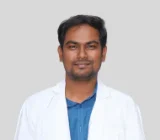
10+ years · MBBS, MS (General Surgery), M.Ch (Surgical Oncology)
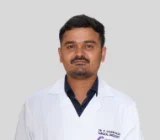
7+ years · MBBS, MS (General Surgery), M.Ch (Surgical Oncology), FMAS
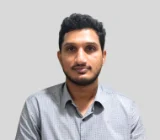
5+ years · MBBS, MS (General Surgery), DrNB (Surgical Oncology), FALS Oncology
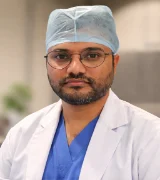
10+ years · MBBS, MS (General Surgery), DrNB (Surgical Oncology)
Diagnoses and treats blood cancers and blood disorders.
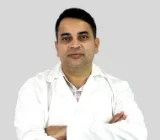
10+ years · MBBS, MD (Immunohaematology & Blood Transfusion), Fellowship in Clinical Haematology (CMC Vellore)
Start with a Consultation
Ask for the doctor you want, or we’ll match you.

They ask what has been found, where you live and which language you prefer. Then they suggest a partner hospital in Sangareddy or Narayankhed and a consultation day.

Dr. Raghavendra Reddy goes through every report, examines the patient and explains what is known. Bring the family member who will help make decisions.

A scan, blood work, or a test on the tumour tissue. You are told where each is done. Some may need a trip outside the district.
Medical, surgical and radiation oncologists look at the case as a team. You then hear the recommendation, the alternatives and a written estimate.

Chemotherapy is arranged at the partner hospital, usually as day-care. You leave with a written schedule and a number to call.
Consultations, chemotherapy and follow-up can stay at the partner hospitals. An operation, radiotherapy and some specialised scans happen at other centres, which the care team names, with the distance, before you agree.
The partner network serves people from Patancheru, Zaheerabad, Ramayampet, Manoor and the villages around Narayankhed. Ask the care team which partner hospital is easiest from your home and how to reach it from the Sangareddy bus stand. If another CION location suits you better, the same helpline books it.
The days after a dose can bring tiredness and a poor appetite. A short journey home on those days is far easier than a long one. Treatment close to home also means relatives can keep working and children can stay in school.
If radiotherapy is part of the plan, it usually means going in every weekday for several weeks, so where the patient stays matters. Ask about this early. For an operation, the care team tells you the hospital, how far it is, and how long the stay is likely to be, before the family agrees.
CION's team helps with cashless insurance and gives you a written estimate before you start. Bring policy papers to the first visit, and raise any money worry early.
It cannot tell you which medicine is right, or for how long. Your biopsy, scans and general health decide that, read by the oncologist with the rest of the team.
Myth
What is true: Every week spent waiting gives the cancer time to grow. Home remedies have not been shown to treat cancer, and some interfere with real treatment. See the specialist first, then ask about anything else you want to try.
Myth
What is true: A port is simply a safer way to give medicine over many rounds. It protects the veins in the arm. It says nothing about how serious the cancer is.
Myth
What is true: There are often other medicines to try, and sometimes other kinds of treatment. Your oncologist will explain the next options honestly, including when further treatment is unlikely to help.
Myth
What is true: A drop in blood counts is an expected effect of many medicines. It usually recovers between rounds. The team checks it before every dose and waits or adjusts if it is too low.
Every CION specialist page for Sangareddy, and the Sangareddy location page.
Partner hospitals in Sangareddy and Narayankhed, and services
How chemotherapy is arranged at the partner hospitals
Which kind of cancer specialist to see first
Where to start if the report came from a blood test
The general guidance on this page draws on these sources. Facts about CION come from CION’s own pages.
Leave your number and our care team calls you back, or call any time. One helpline serves every CION centre.
Medically reviewed by Dr. C. Raghavendra Reddy, Consultant Medical Oncologist (MBBS (Gold Medal), DNB (General Medicine), DM (Medical Oncology) (Gold Medal)). Last reviewed October 2026. This page is general information for families from Sangareddy, not medical advice: your specialist advises on tests and treatment after seeing you.
Still unsure? Call 1800 202 8726.
Dr. C. Raghavendra Reddy, MBBS (Gold Medal), DNB (General Medicine), DM (Medical Oncology) (Gold Medal). He is part of the CION team that serves the district. The care team tells you where and when he sees patients, and books a time that suits your family.
No. CION does not run its own centre in the district. Its doctors consult at partner hospitals in Sangareddy, such as Manjeera, Hope and Star hospitals, and in Narayankhed. Chemotherapy is arranged at these hospitals. The care team tells you which one to visit.
Often, yes. CION has partner hospitals in Narayankhed too: Sri Sanvi, Amrutha and Sai Sanjeevani. Tell the care team where you live when you call, and they will suggest the partner hospital that is easiest for you to reach on treatment days.
Usually. The patient comes in, blood counts are checked, the medicine is given and they go home the same evening. Some treatments need a hospital stay, and your oncologist will tell you before the first dose if yours is one of them.
Those are planned by CION's surgical and radiation specialists with your medical oncologist. They are not done at the partner hospitals in the district. The care team names the centre for each step, and how far it is, before you agree.
CION's team helps with cashless insurance and gives you a written estimate before you start. Bring your card or policy papers to the first visit. If a government or employer scheme covers you, mention it when you call so the team can check.
Yes. Bring the plan and all the reports behind it. The oncologist will explain it, say whether they agree, and tell you why. A second opinion does not tie you to treatment with CION. It helps you go ahead with confidence.
Go to the nearest emergency department the same day and say the patient is on chemotherapy. A fever during treatment can mean an infection that needs quick care. Do not wait for the next appointment, and do not give a fever tablet first without advice.
Follow Us:



 1800 120 2676