 Call Us
In the same weeks
Called concurrent chemoradiation. Chemotherapy makes cancer cells more sensitive to radiation. It is used for some head and neck, cervical, lung and rectal cancers. It is harder on the body, so reviews are closer.
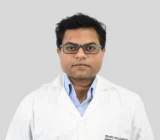
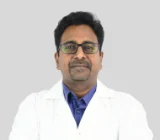 2 CION specialists for Sangareddy
They plan radiotherapy with your surgeon and medical oncologist, and your care team names the centre that gives it. Call to check where and when your doctor is in.
Radiation Oncologist
Radiation Oncologist
Share your details and our care team will call you back to fix a time with the right specialist.
Other CION locations in Telangana
Many people need both. The order and timing are planned by your medical and radiation oncologists together.
Called concurrent chemoradiation. Chemotherapy makes cancer cells more sensitive to radiation. It is used for some head and neck, cervical, lung and rectal cancers. It is harder on the body, so reviews are closer.
Sometimes chemotherapy is given first to shrink the cancer or deal with spread, and radiotherapy follows. In that case, much of the early treatment may be arranged at a partner hospital close to home.
For some cancers, radiation comes first and chemotherapy follows. Your doctors explain why they chose that order for you.
Many people need only radiotherapy, for example after some operations or to ease pain from a cancer in the bone.
Ask your doctor
The doctor who decides on and plans radiotherapy, and checks on you during the course.
A scan taken in your treatment position, used to design where the beams go.
A single daily treatment. The course is made of many fractions.
A close-fitting mesh mask, made for you, that keeps the head still during head and neck treatment.
Extra treatment after surgery to lower the chance of the cancer coming back.
Treatment aimed at easing symptoms and improving comfort.
Every case goes to CION’s network tumour board, where these specialists from CION’s centres join your doctor. Ask for any of them when you book.
Treat cancer with carefully aimed radiation.
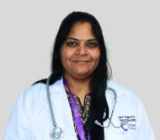
Decide whether an operation can remove the cancer, and when.
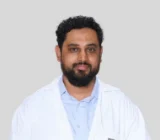
Head of Surgical Oncology
12+ years · MBBS, MS (General Surgery), M.Ch (Surgical Oncology)
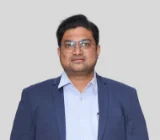
8+ years · MBBS, MS (General Surgery), M.Ch (Surgical Oncology), FMAS, FARIS (Ongoing)
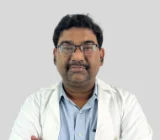
20+ years · MBBS (AIIMS), MS (Surgery) (AIIMS), DNB (Surgical Oncology), MRCS (Edinburgh)
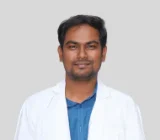
10+ years · MBBS, MS (General Surgery), M.Ch (Surgical Oncology)
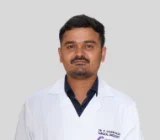
7+ years · MBBS, MS (General Surgery), M.Ch (Surgical Oncology), FMAS
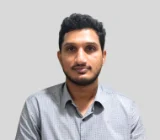
5+ years · MBBS, MS (General Surgery), DrNB (Surgical Oncology), FALS Oncology
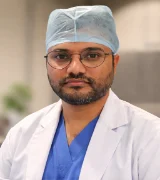
10+ years · MBBS, MS (General Surgery), DrNB (Surgical Oncology)
Treat cancer with medicines such as chemotherapy.
10+ years · MBBS, DM (Medical Oncology), MD (Radiation Oncology)
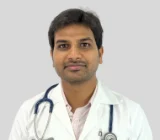
10+ years · MBBS, DNB (Internal Medicine), DM (Medical Oncology)
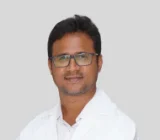
8+ years · MBBS (Gold Medal), DNB (General Medicine), DM (Medical Oncology) (Gold Medal)
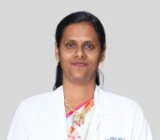
8+ years · MBBS, MD (General Medicine), DM (Medical Oncology) (Adyar, Chennai), ECMO, MRCP SCE (UK)
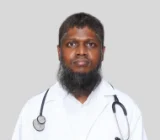
8+ years · MBBS, MD (General Medicine), DrNB (Medical Oncology), ECMO, MRCP SCE (Medical Oncology) (UK)
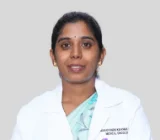
7+ years · MBBS, DM (Medical Oncology), MD (Internal Medicine)
Diagnoses and treats blood cancers and blood disorders.
10+ years · MBBS, MD (Immunohaematology & Blood Transfusion), Fellowship in Clinical Haematology (CMC Vellore)
Start with a Consultation
Ask for the doctor you want, or we’ll match you.

Tell the care team what has been found, where, and what has been done so far. Mention whether you live nearer Sangareddy or Narayankhed, so they can suggest the most convenient partner hospital.
Dr. Mohanty or Dr. Vajrala reads the biopsy, scans and operation notes, examines you, and explains whether radiotherapy fits, what it is meant to do, and the likely length of the course.

If you need more than one kind of treatment, your case is discussed by medical, surgical and radiation oncologists together, so the plan is agreed in one place.
A planning scan is done at the treatment centre the care team names. Daily treatment then runs every weekday for several weeks, with regular reviews.

After the course, check-ups continue. Some can be arranged closer to home, and chemotherapy, if needed, can often be arranged at a partner hospital.
Plan the journey before the planning scan. Daily travel is the part of radiotherapy that families most often underestimate, and it is easier to sort out early than halfway through.
Once the centre is named, work out the daily trip from your home, whether that is in Sangareddy, Patancheru, Zaheerabad, Narayankhed, Ramayampet or Manoor. Some families travel each day. Others arrange for the patient and one relative to stay near the centre during the week.
Tiredness builds through the course. Agree early who will travel with the patient each week, so one person is not doing everything. Share the doctor's instructions in writing with everyone helping.
Pack food and water for the journey, because long waits on an empty stomach make tiredness worse. If the mouth, throat or gut is being treated, ask early for diet advice. Anyone still working should speak to their employer before the course starts about shorter days or leave, rather than trying to manage both and falling behind on treatment.
CION's team helps with cashless insurance and gives you a written estimate before you start. Ask whether it covers the planning scan and any chemotherapy in the same weeks.
Good to know
This page cannot tell you whether you need radiotherapy or how long yours will be. Your radiation oncologist will.
Usual place: Partner hospitals in Sangareddy or Narayankhed, as the care team books
Usual place: Arranged at the partner hospitals
Usual place: The centre your care team names
Usual place: Often closer to home, as your doctor advises
Myth
What is true: Most side effects are short-term and settle in the weeks after the course. Some long-term effects can happen in the treated area, and your doctor will explain the ones that apply to you.
Myth
What is true: External radiotherapy leaves no radiation in the body. Hugging, sharing meals and sleeping in the same room are all safe.
Myth
What is true: They often are. For several cancers, the combination works better than either alone. Your doctors plan the doses and timing so that you can manage both.
Myth
What is true: Feeling well is good news, but the full course is planned to treat cancer cells you cannot feel. Talk to your doctor before changing anything.
Myth
What is true: The partner hospitals handle consultations and chemotherapy. Radiotherapy is given at a separate centre. The care team names it early so the family is not surprised by the journey.
Every CION specialist page for Sangareddy, and the Sangareddy location page.
All seven partner hospitals and how to reach the team
How radiotherapy is arranged for Sangareddy patients
Chemotherapy arranged at the partner hospitals
The doctors who plan chemotherapy alongside radiation
The general guidance on this page draws on these sources. Facts about CION come from CION’s own pages.
Leave your number and our care team calls you back, or call any time. One helpline serves every CION centre.
Medically reviewed by Dr. Kirti Ranjan Mohanty, Consultant Radiation Oncologist (MBBS, MD (Radiation Oncology)). Last reviewed October 2026. This page is general information for families from Sangareddy, not medical advice: your specialist advises on tests and treatment after seeing you.
Still unsure? Call 1800 202 8726.
They are part of the CION team that serves Sangareddy. The care team tells you where and when each of them sees patients, and books the consultation that suits your reports and where you live.
Not for CION patients. The partner hospitals are where CION's oncologists consult and where chemotherapy is arranged. Radiotherapy is given at the centre your care team names, and you are told where before you agree.
Not always. CION also works with Sri Sanvi Hospital, Amrutha Hospital and Sai Sanjeevani Hospital in Narayankhed. Tell the care team where you live, and they will suggest the arrangement with the least travel.
Sometimes. When they run in the same weeks, chemotherapy may be given at the treatment centre on a radiation day, or arranged separately. Your doctors decide, depending on the drugs and how you are coping.
Usually not. For some treatments to the abdomen or pelvis, you may be asked to have a full bladder or an empty stomach. The team gives you clear instructions at the planning scan.
Every biopsy report, scan with its CD, operation note and discharge summary, plus a list of your medicines. Bring old reports as well. The doctor needs the full history to plan safely.
CION's team helps with cashless insurance and gives you a written estimate before you start. Bring your policy papers, and mention any employer or government scheme so the team can check it for you.
Ask the care team when you book. Many families have a son or daughter working elsewhere who wants to hear the plan. Where it is possible, the doctor can include them, so the family hears the same explanation.
Follow Us:



 1800 120 2676