Nutrition through radiation
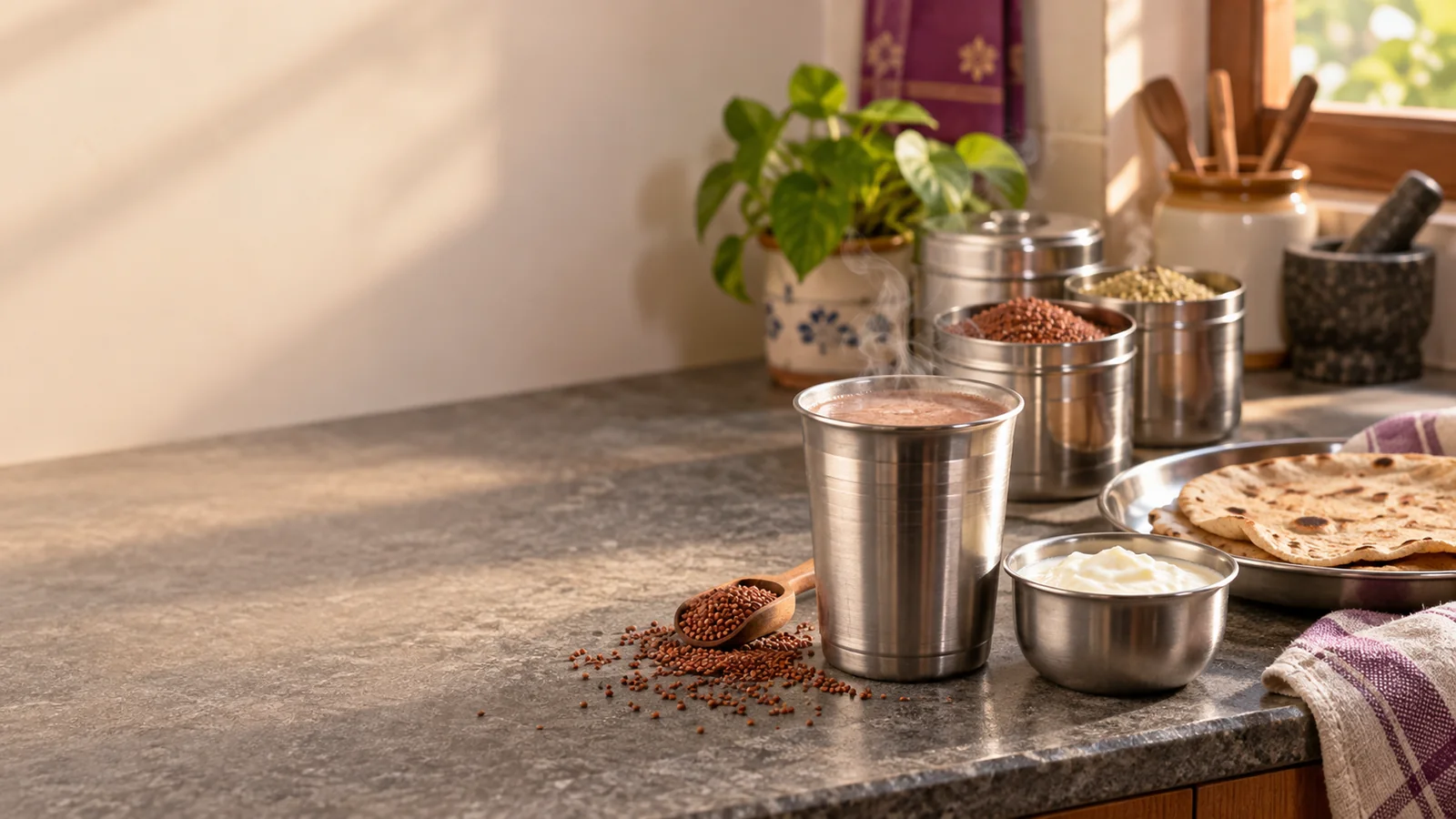
Ragi java, jonna roti, korra rice, a bowl of curd — the food your family already knows how to cook is usually a good base through cancer treatment, not something to abandon. What changes is the texture, the portion and the timing, and those depend on where you are being treated and how the mouth, gut and appetite are behaving that week.
4.8 · 800+ Google reviews · 15,000+ patients treated
The direct answer
Yes, for most patients.
Ragi, jonna, sajja and korra are ordinary, nourishing cereals, and there is no reason to drop them when treatment starts. They add calcium, iron and fibre to a plate that usually shrinks during treatment. What they do not do is act on the cancer or replace any part of your medical plan.
For most families the practical question is not whether ragi is allowed. It is whether the person being treated is eating enough at all. During radiation, calorie and protein needs go up while appetite, taste and swallowing often go down. A familiar food someone will actually finish does more good than an unfamiliar diet they push away after two spoons.
Good food, not medicine
Two different ideas get tangled in the same forwarded message. Millets are good food. Millets are not medicine.
Question 1
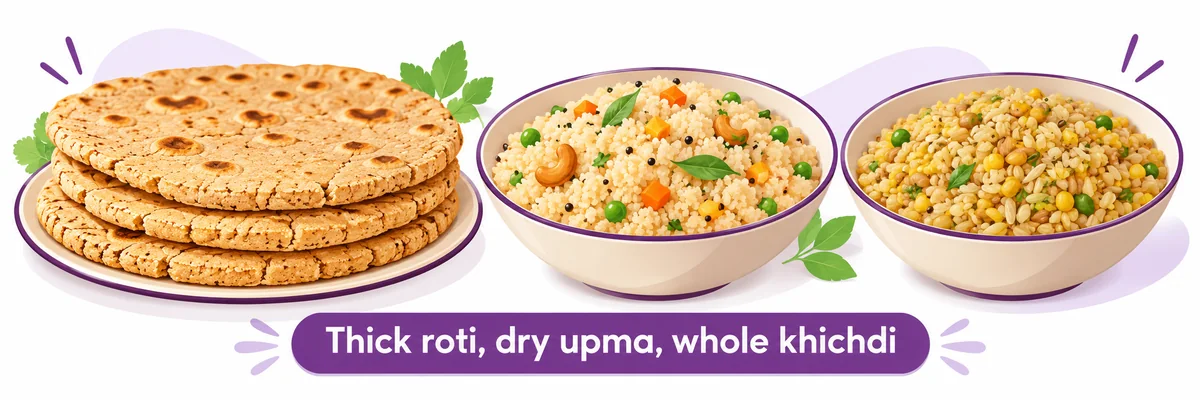
Sometimes yes, sometimes no — and the form you cook them in decides it, not the grain. Thin ragi java, ambali and fermented batters are among the gentlest things on this list. A thick, dry jonna or sajja roti is hard work when the mouth is sore or the gut is inflamed. Same flour, very different experience.
Pick how it is cooked — the tabs run gentlest to hardest
Ragi java, ambali, thin porridge, ragi malt with milk.
Warm, easy to swallow, and simple to enrich with milk or a spoon of ghee.

Fibre is the reason a millet can feel heavy. Whole millets carry more of it than polished rice, which helps when constipation is the problem and works against you when loose motions are. NCCN and ASTRO supportive-care guidance both point the same way here: during radiation-related diarrhoea, fibre is reduced for a while, not avoided for good. Cooking with more water, straining a java, serving it warm rather than hot and pairing it with curd are the usual ways families keep the food familiar while making it easier on the gut.
Finger millet — ragi — is one of the richest cereal sources of calcium in the Indian diet. The ICMR–NIN Indian Food Composition Tables place its calcium several times above rice or wheat, gram for gram. That is a good reason to keep ragi in the rotation during treatment, when appetite is small and every spoon has to carry more. It is not a reason to expect ragi to do anything to the cancer itself.
Question 2
Be careful whenever fibre or texture is already a problem. During pelvic radiation with loose motions, during mouth and throat soreness, when blood counts are low, and when a doctor has restricted your diet for kidney or diabetes reasons. In those weeks millets are softened, strained or briefly swapped — not banned for life.
One more thing worth saying plainly, because it comes up in almost every consult. Families are often sent messages claiming that switching entirely to millets, or to a millet-and-herbs regimen, starves a tumour. It does not, and going millet-only can quietly cost weight at exactly the point where weight matters most. Traditional foods and traditional systems of medicine hold real meaning in many homes, and nobody here will ask you to abandon them. What we do ask is that you tell your treating team everything being taken at home — foods, kashayams, powders, oils — so nothing interacts with your treatment unnoticed.
If weight is dropping week on week, if less than half a normal meal is going down for several days, or if loose motions are not settling, call your treating team or CION’s helpline at 1800 202 8726 rather than adjusting the diet at home and waiting for the next visit.
Talk to us
Tell us the treatment site and how the mouth, gut and appetite are behaving, and our dietitian will work out what belongs on the plate right now. No pressure, no unnecessary tests.
Putting it into practice
Six steps that work in an ordinary Telugu kitchen, without a special shop or a special product. This is general dietary guidance — your dietitian sets the portions.
Ask which of ragi, jonna, sajja, korra or samalu is already familiar at home. A food someone has eaten since childhood gets finished far more often than a new one, and finishing is the entire point.
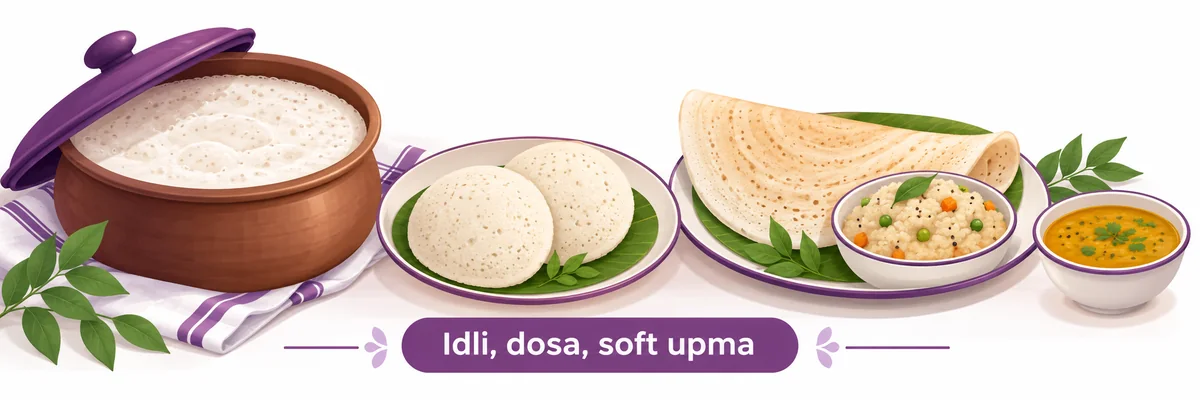
Match the preparation to the week: thin java and ambali when the mouth or gut is sore, idli, dosa and upma on ordinary days, soft-cooked millet rice once digestion is settled.
Milk, curd, ghee, groundnut, coconut or a little jaggery stirred into a ragi preparation is what makes it calorie-dense. A millet on its own is a modest calorie load and will not hold weight by itself.
Dal, curd, paneer, egg, fish or chicken alongside. Millets are a cereal, and cereal alone will not meet the extra protein need that radiation creates.
Replace one or two meals a day, not all of them. A varied plate is easier to sustain across six weeks than a strict switch that collapses in week three.
Same scale, same time of day, once a week, written down. A steady drop is the signal to change the plan, and it is far easier to act on early than after a month.
Millet by millet
The names below are the ones used in most Telugu kitchens, so you can hand this straight to whoever is cooking. Every row is a starting point for your dietitian to adjust, not a prescription.
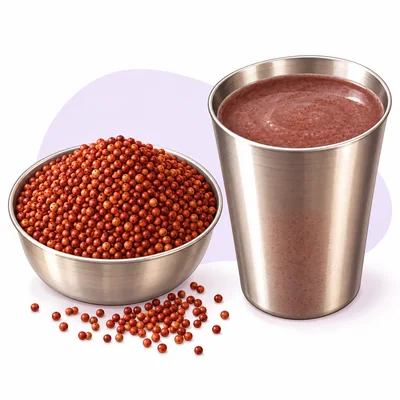
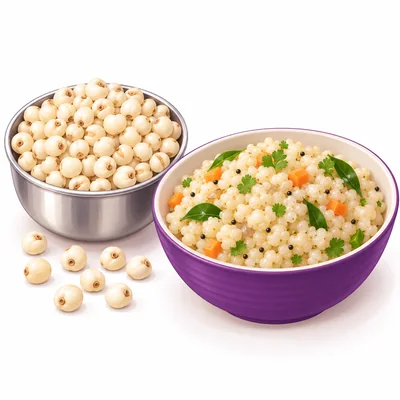
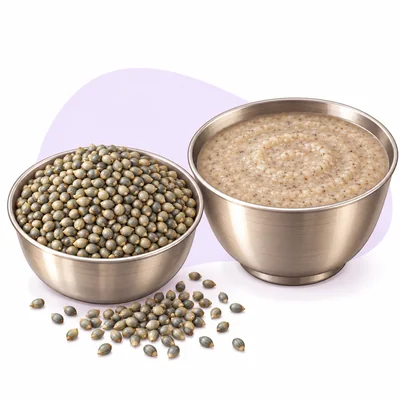
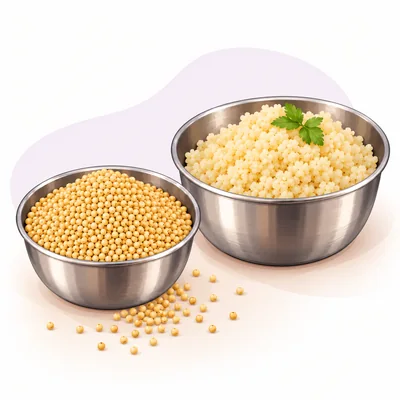
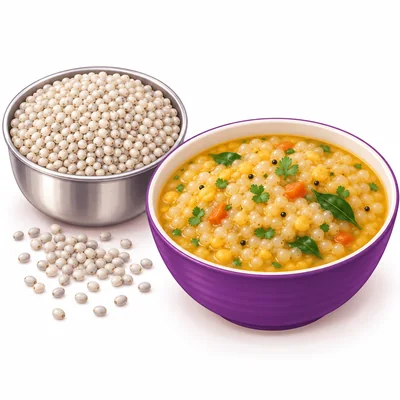
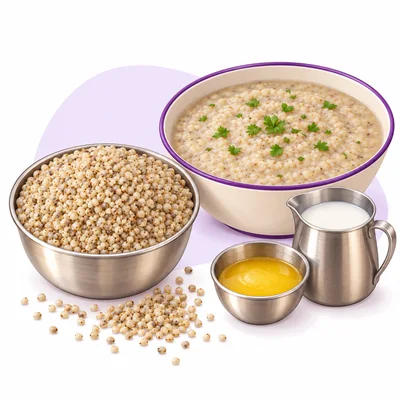
| Millet (Telugu name) | Easiest form during treatment | Suits | Take care if |
|---|---|---|---|
| Finger millet — ragi / ragulu | Thin java, ambali, ragi malt with milk | Sore mouth, small appetite, low calcium intake | Gut is upset — strain it and thin it further |
| Sorghum — jonna | Soft jonna upma or a thin porridge rather than dry roti | Ordinary treatment days, settled digestion | Mouth soreness — a dry roti is coarse and scratchy |
| Pearl millet — sajja | Warm sajja java or a soft khichdi | Patients who dislike sweet preparations | Loose motions — high in fibre, ease it back for now |
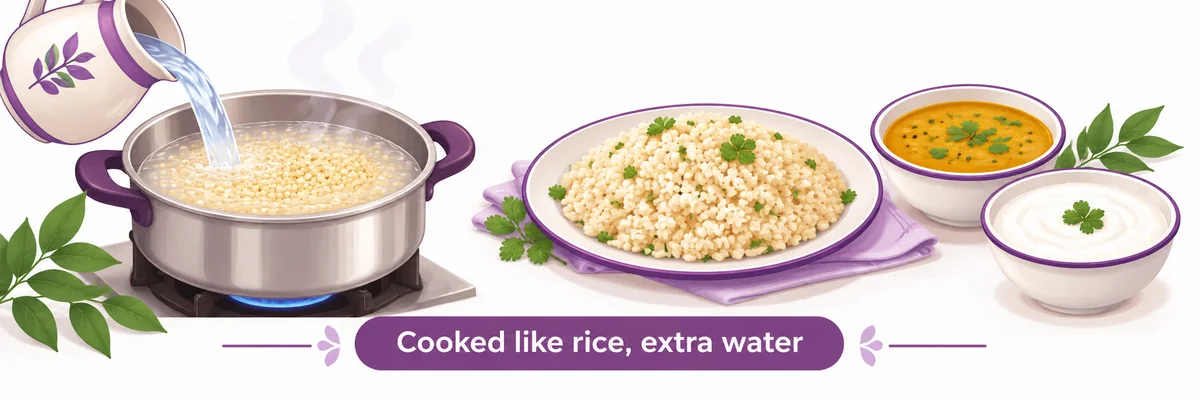
| Foxtail millet — korra | Cooked like rice with extra water; upma; idli | Replacing one rice meal a day | Sensitive gut — cook it softer and serve with curd |
| Little millet — samalu | Soft-cooked and mixed through dal | A gentle change from plain rice | Same as above — more water, nothing dry |
| Barnyard millet — udalu | Thin khichdi or porridge | Very small appetites and light meals | Light on calories — needs ghee, milk or dal alongside |
This is general dietary guidance, not an individual plan. Which of these belongs on your plate, and in what portion, depends on your treatment site, your weight and your blood reports — a call for a dietitian working with your radiation oncology team.
Question 3
Most of them stay. Ghee and curd are useful during treatment because they add calories and protein to small portions. Very spicy pickles and chutneys are usually reduced while the mouth or gut is sore. Fasting is the one traditional practice to discuss with your team before you keep it.
Calorie-dense and easy to add. A spoon stirred into java, rice or dal lifts the calorie count without increasing the volume someone has to swallow.
Protein, fluid and a cooling texture, often tolerated better than plain milk when taste has changed. Freshly set and kept covered when blood counts are low.
Not forbidden — reduced while the mouth, throat or gut is sore, then brought back as symptoms settle rather than dropped permanently.
Ask first. Skipped meals during a radiation course are where weight is most often lost, and there is usually a way to honour the practice without going without food.
Nobody is asking you to change how your family eats. Tell your dietitian what a normal week in your kitchen looks like, and the plan gets built inside that rather than around it.
Talk to us
One conversation with a dietitian who knows Telugu home cooking is worth more than a dozen forwarded diet lists.
Common questions
For most patients, yes — as good everyday food, not as a treatment. Ragi, jonna, sajja, korra and samalu are nourishing cereals, and ICMR–NIN food composition data puts finger millet well ahead of rice and wheat for calcium. They also carry more dietary fibre than polished rice. That is genuinely useful during a treatment course, when portions shrink and every spoon has to carry more. What no guideline body — NCCN, ASTRO, ICMR or WHO — supports is the idea that a millet acts on the cancer itself. Keep them on the plate for nutrition, alongside your treatment, and let the plan your oncologist has set do the medical work.
It depends far more on how they are cooked than on which millet you choose. Thin ragi java, ambali and fermented batters — idli and dosa — are among the gentlest preparations available, and are often tolerated when little else is. A thick, dry jonna or sajja roti sits at the other end: coarse, high in fibre and hard work for a sore mouth or an inflamed gut. Cooking with extra water, straining a porridge, serving it warm rather than hot and pairing it with curd are the usual adjustments families make. During radiation-related loose motions, fibre is temporarily reduced in line with NCCN and ASTRO supportive-care guidance, then reintroduced as symptoms settle.
Four situations call for care. During pelvic radiation with loose motions, the extra fibre in whole millets can make things worse, so preparations are softened, strained or briefly swapped. With mouth ulcers or painful swallowing, anything dry or coarse is uncomfortable — thin and lukewarm only. When blood counts are low, food safety matters more than the grain: freshly cooked, served hot, nothing kept overnight or bought outside. And if you have been given a restricted diet for kidney or diabetes reasons, millets still need portioning like any other cereal. None of these are lifelong bans — they are adjustments for the week you are in, and your dietitian should set them.
No. There is no evidence from NCCN, ASTRO, ICMR or WHO that any grain, millets included, acts on a tumour, and forwarded messages claiming a millet-only regimen starves cancer are not supported. The practical harm is real: going millet-only usually means fewer calories and less protein at exactly the point when weight loss is the bigger danger. Traditional foods and traditional systems of medicine hold real meaning in many homes, and nobody here will ask you to abandon them. What matters is disclosure — tell your treating team about every food, kashayam, powder or oil being taken at home, so nothing interacts with your treatment unnoticed.
Thin it and cool it. Ragi java made with more water or milk, ambali, or a smooth ragi malt slips down when a roti will not, and the same flour is doing the work either way. Serve it lukewarm rather than hot, keep chilli and strong pickles off the plate on those days, and add calories through milk, ghee or a little jaggery rather than through volume, so a small quantity still counts. If less than half a normal intake is going down for several days, or weight is dropping week on week, that is a call to your treating team rather than something to keep managing at home.
Usually not. A full switch is hard to sustain across a five- or six-week course, and the plate that actually gets finished matters more than the plate that looks ideal on paper. Most dietitians suggest replacing one or two meals a day with a millet preparation while rice, wheat and the rest of your normal cooking stay in the rotation. Variety also makes taste changes easier to handle, since treatment can turn a long-standing favourite unappealing without warning. If you have been advised a specific change for diabetes or kidney reasons, follow that advice — but make it with your dietitian, not from a forwarded list.
Families we cook alongside
Most of the people who call us are not the patient — they are the husband, wife or daughter trying to get one more spoon in. We plan with you, not only for you.
Medical disclaimer. This page is general dietary guidance and is not a substitute for advice from your own treating team. Which millet, in which form and in what portion depends on your treatment site, your weight, your blood reports and any kidney or diabetes restriction you have been given, so confirm any change with your oncologist or dietitian first, and tell them about every food, kashayam, powder or oil being taken at home. If something is worrying you, contact your own care team or call us on 1800 202 8726.