They plan chemotherapy, targeted therapy and immunotherapy, with surgeons and radiation doctors at a tumour board. Call to check where and when your doctor is in.
What kinds of cancer medicine might the oncologist suggest?
The choice depends on the type of cancer, its stage and
what tests on the tumour show. Many plans combine more than one.
Chemotherapy
Medicines that kill fast-dividing cells, given through a drip or as
tablets. Used for many cancers, before surgery, after it or on its
own.
Not suited when
The patient is too weak to cope with side effects
Tests show it is unlikely to help this cancer
Targeted therapy
Medicines aimed at a specific change inside the cancer cell. They
only work when that change is present, so the tumour is tested
first. Some are tablets taken at home, which changes how often the
patient needs to come in. They are not suited to cancers that lack the
change they target.
Immunotherapy
Medicines that help the patient's own immune system recognise the
cancer. Approved for some cancers only, and usually after testing the
tumour. Its side effects differ from chemotherapy, and a few of them
need prompt attention, so the team explains what to watch for before
it starts.
Hormone therapy
Used for cancers that grow in response to hormones, such as some
breast and prostate cancers. Often tablets taken at home over a long
period, with check visits in between. It does not help cancers that do
not depend on hormones.
What happens on a chemotherapy day at CION Kukatpally?
1
Arriving in the morning
Come with the treatment card, your medicines and something to eat.
A family member can usually stay with the patient. Wear loose,
comfortable clothes with sleeves that roll up easily.
2
Blood counts first
A blood test checks that it is safe to go ahead. If the counts are
too low, the oncologist may delay the round or adjust the dose.
3
A word with the doctor
The oncologist or the nurse asks how the last round went: appetite,
sleep, fever, stomach upset, tingling. Mention everything, even small
things.
4
The treatment
Medicines to prevent sickness are given first, then the
chemotherapy, usually through a drip in a day-care chair or bed.
5
Home the same day
Most patients go home that evening with written instructions,
medicines for home and a number to call if something changes. The next
round is usually fixed before you leave, so you can plan the trip from
Balanagar.
More CION Specialists
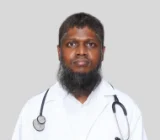
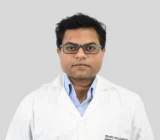
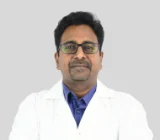
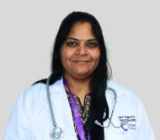
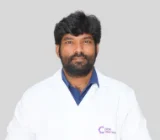
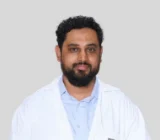
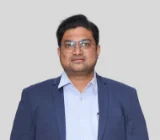
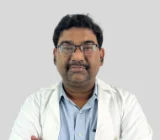
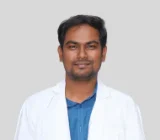
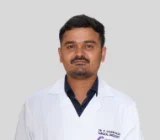
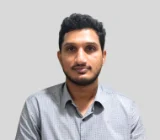
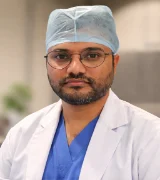
Every case goes to CION’s network tumour board, where these specialists from CION’s centres join your doctor. Ask for any of them when you book.
A fever during chemotherapy is not an ordinary fever. If the
patient feels hot, is shivering, or is suddenly very unwell, go to the
nearest emergency department the same day and tell them the patient is
on chemotherapy. Then call the care team. Do not wait for the next
planned visit, and do not hide the fever with tablets first.
How do treatment visits fit around life in Balanagar?
Chemotherapy is given at CION Kukatpally, not in Balanagar. Most of
it is day-care, so the patient sleeps at home. Because the rounds
repeat, it helps to plan transport and who comes with the patient from
the start.
1Working through treatment
Some people keep working, especially in light jobs. Tiredness often
builds up over the course rather than at the start. Tell your oncologist
about your work early, so the timing of rounds can take it into
account where possible.
2From Moosapet, Sanathnagar and nearby
Families from Moosapet, Sanathnagar, Ferozguda and Bowenpally are
booked the same way. If Ameerpet, Kompally or another CION centre in
Hyderabad is easier to reach, say so when you call.
3Keeping the cost predictable
Cancer medicines are given over a course, so the total matters more
than one bill. CION's team helps with cashless insurance and gives you
a written estimate before you start. Ask what the estimate covers, bring
earlier reports so tests are not repeated, and mention any government
or employer scheme the family holds so the care team can check
it.
4What medicines cannot do alone
Many cancers need an operation or radiotherapy as well. Those are not
done at Kukatpally. Your CION doctors plan them and the care team names
the centre before you agree.
Good to know
This page cannot tell you which medicine suits your
cancer. A consultation with the reports can.
What do people around Balanagar believe about chemotherapy?
Myth
"Everyone on chemotherapy loses their hair."
What is true: Some medicines cause hair loss and many do not. Your
oncologist can tell you before the first round whether yours is likely
to, and the hair usually grows back after treatment ends.
Myth
"Chemotherapy is poison, so it does more harm than good."
What is true: Chemotherapy has side effects, and the dose is chosen
to balance benefit against them. When tests show it is unlikely to
help, a good oncologist says so and does not offer it.
Myth
"The patient must stop eating normal food."
What is true: Most patients should keep eating well. Weight loss
during treatment makes it harder to cope. Ask the team before cutting
out any food. Small, frequent meals often help when appetite is
low.
Myth
"Tablets from the shop can replace the chemotherapy."
What is true: Some herbal products interfere with cancer medicines.
Tell the oncologist about everything the patient takes, including
powders, oils and tonics. Stopping cancer medicines in favour of them
gives the cancer time to grow.
Nearby Popular Locations
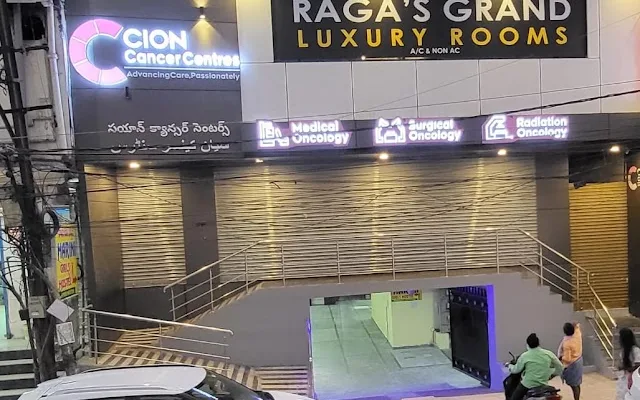
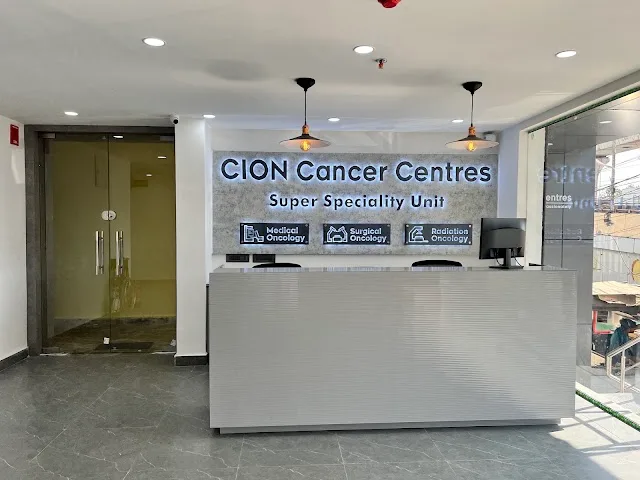
The same specialists and one helpline serve every CION location in Hyderabad. Pick the location nearest you, then the specialist you need.
Medically reviewed by Dr. Naresh Gundu, Consultant Medical Oncologist (MBBS, DNB (Internal Medicine), DM (Medical Oncology)). Last reviewed October 2026. This page is general information for families from Balanagar, not medical advice: your specialist advises on tests and treatment after seeing you.
Questions about medical oncology for Balanagar families
CION has no clinic in Balanagar. Families from
Balanagar are seen at CION Kukatpally, the nearest CION centre, where
consultations and chemotherapy are given. Medical oncologists Dr.
Naresh Gundu and Dr. N. Kiranmayee are part of the team. The care team
books the visit.
2How long does a chemotherapy day take?
It varies with the medicine. Some are given
within a short visit; others take most of the day. The blood test and
the doctor's check come first. Your oncologist tells you what to expect
before the first round, so you can plan the day.
3How many rounds will be needed?
That depends on the cancer, its stage and how it
responds. Your oncologist explains the planned course at the start and
reviews it as treatment goes on. Treat any number you hear elsewhere as
someone else's plan, not yours.
4Can the patient eat before chemotherapy?
Usually yes. A light meal before treatment
often helps. Some tests or medicines have special instructions, and the
team will tell you if yours does. Carry water and a simple snack for the
day.
5What side effects should we watch for at home?
Tiredness, stomach upset, mouth soreness and a
lower appetite are common. Fever, bleeding, breathing trouble or
severe loose motions need prompt attention. You are given a written
list and a number to call before you leave on the first
day.
6Does insurance cover chemotherapy?
CION's team helps with cashless insurance and
gives you a written estimate before you start. If the family holds a
government or employer scheme, mention it when you call so the care
team can check it for you.
7Can we get a second opinion on a chemotherapy plan?
Yes. Bring the plan and every report behind it.
A CION medical oncologist will go through it and tell you whether they
agree, and if not, why. It does not commit you to treatment at
CION.
8Can targeted therapy or immunotherapy be given instead?
Only when the cancer type and the tumour tests
support it. These medicines suit some cancers and not others. Your
oncologist explains whether testing is worthwhile in your case, and
what the results would change.
 Call Us


 1800 120 2676