 Call Us
Breast
A lump or a report after a mammogram. The surgeon explains whether the whole breast or only the lump needs removing, and what happens to the glands in the armpit.
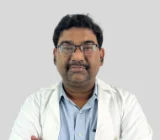
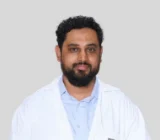 2 CION specialists for Masab Tank
They decide whether an operation can remove the cancer, and plan it with medical and radiation oncologists. Call to check where and when your doctor is in.
Surgical Oncologist
Head of Surgical Oncology
Share your details and our care team will call you back to fix a time with the right specialist.
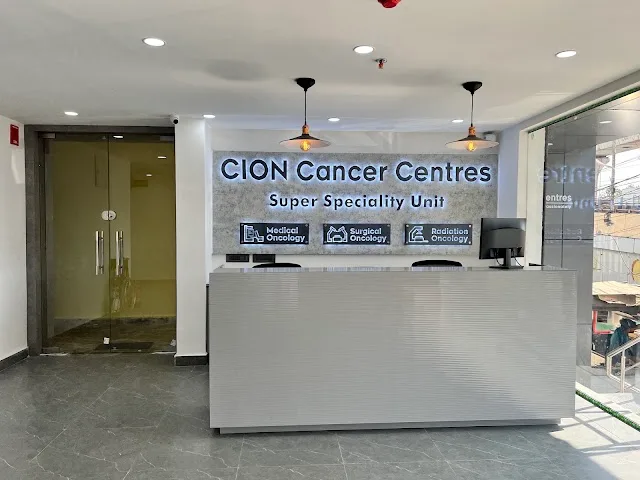
A look inside CION L.B. Nagar
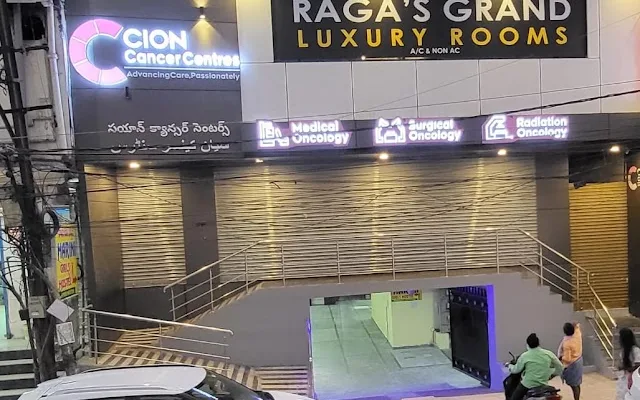
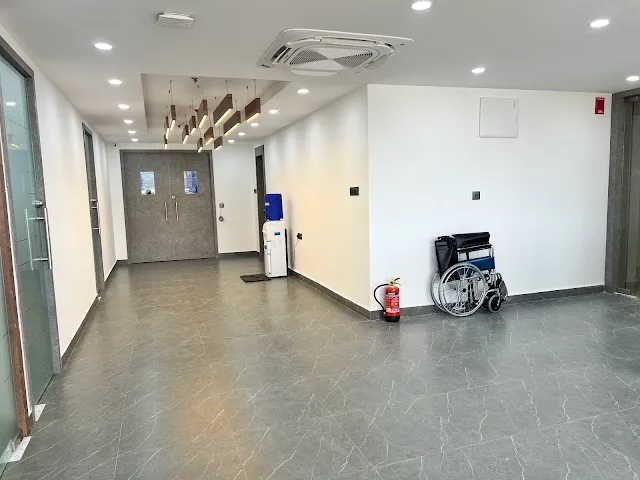
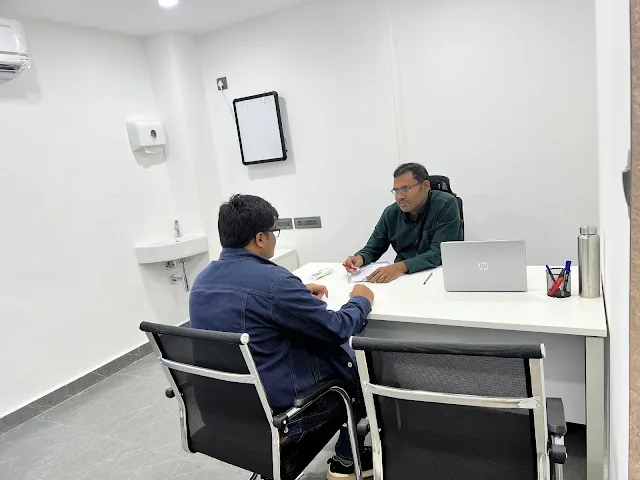
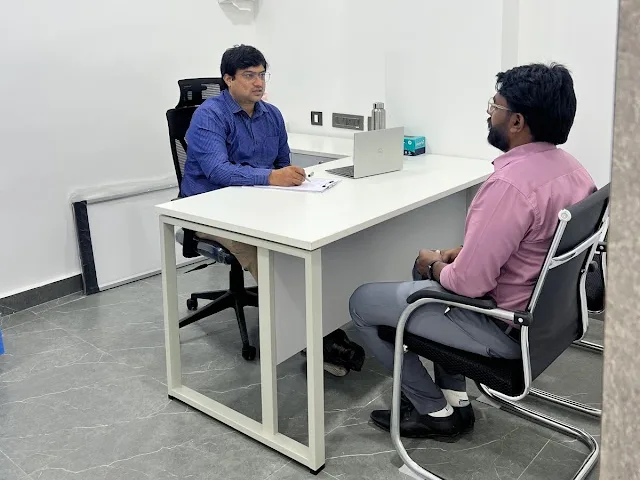
Other CION centres in Hyderabad
These are examples, not a full list. Bring any report that worries you.
A lump or a report after a mammogram. The surgeon explains whether the whole breast or only the lump needs removing, and what happens to the glands in the armpit.
A sore or patch that has not healed. Operations here are planned carefully around speech, chewing and swallowing, so it is worth asking how each will be affected.
Found after bleeding, weight loss or a scope test. Some are removed straight away. Others are shrunk with medicines first, and the surgeon plans the operation for when they have done their work.
A neck swelling, a changing mole, or a lump deep in the muscle. Many of these are treated mainly by surgery, sometimes with other treatment afterwards.
What you should hear clearly: Whether the operation aims to remove the cancer or to ease a symptom
What you should hear clearly: The organ or part, and whether glands are taken too
What you should hear clearly: Bleeding, infection, and anything specific to your operation
What you should hear clearly: The named hospital, how far it is, and a written estimate
What you should hear clearly: What would happen with a different treatment, or none
Every case goes to CION’s network tumour board, where these specialists from CION’s centres join your doctor. Ask for any of them when you book.
Decide whether an operation can remove the cancer, and when.
8+ years · MBBS, MS (General Surgery), M.Ch (Surgical Oncology), FMAS, FARIS (Ongoing)
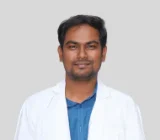
10+ years · MBBS, MS (General Surgery), M.Ch (Surgical Oncology)
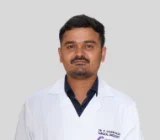
7+ years · MBBS, MS (General Surgery), M.Ch (Surgical Oncology), FMAS
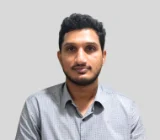
5+ years · MBBS, MS (General Surgery), DrNB (Surgical Oncology), FALS Oncology
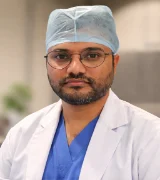
10+ years · MBBS, MS (General Surgery), DrNB (Surgical Oncology)
Treat cancer with carefully aimed radiation.
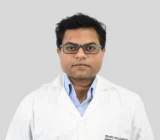

10+ years · MBBS, MD (Radiation Oncology), MPH
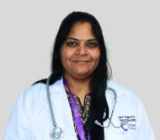
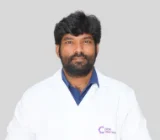
13+ years · MBBS, MD (General Physician), DNB (Radiation Oncology)
Treat cancer with medicines such as chemotherapy.
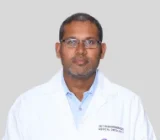
10+ years · MBBS, DM (Medical Oncology), MD (Radiation Oncology)
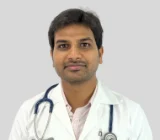
10+ years · MBBS, DNB (Internal Medicine), DM (Medical Oncology)
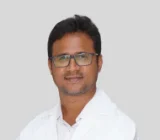
8+ years · MBBS (Gold Medal), DNB (General Medicine), DM (Medical Oncology) (Gold Medal)
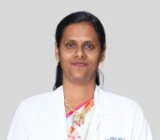
8+ years · MBBS, MD (General Medicine), DM (Medical Oncology) (Adyar, Chennai), ECMO, MRCP SCE (UK)
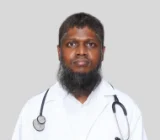
8+ years · MBBS, MD (General Medicine), DrNB (Medical Oncology), ECMO, MRCP SCE (Medical Oncology) (UK)
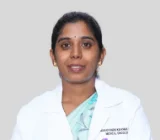
7+ years · MBBS, DM (Medical Oncology), MD (Internal Medicine)
Diagnoses and treats blood cancers and blood disorders.
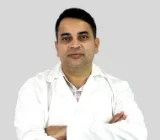
10+ years · MBBS, MD (Immunohaematology & Blood Transfusion), Fellowship in Clinical Haematology (CMC Vellore)
Start with a Consultation
Ask for the doctor you want, or we’ll match you.

You are asked not to eat beforehand. The anaesthetist sees you, and the surgeon checks once more that you understand what is planned.

Nurses help you sit up, walk and start eating as soon as it is safe. Moving early lowers the chance of chest infections and clots.
You leave with wound instructions, medicines and a number to call. You are told which problems mean going straight to an emergency department.
The surgeon checks the wound and goes through the tissue report with you. This report decides whether more treatment is needed.
If chemotherapy is advised, it can be given at CION Masab Tank. If not, follow-up visits continue, spaced further apart over time.
It is where your surgical care starts and continues. The meeting with the surgeon, the planning, chemotherapy and follow-up happen here. The operation happens at the hospital your care team names.
If your plan includes chemotherapy before or after surgery, it is given at CION Masab Tank. You sit in a day-care chair while nurses watch over you, then go home the same day. The doctor who planned it works from the same records as your surgeon.
CION Cancer Clinics, 10-1-1, Utkoor - Mogdumpur Road, AC Guards, Lakdikapul, Hyderabad 500028. It is close to Lakdikapul Metro and near the Masab Tank bus stop, and is open Monday to Saturday, 9:30 AM to 6:00 PM.
Families from Lakdikapul, Khairatabad, Basheer Bagh, Nampally, Himayat Nagar and Mehdipatnam often find Masab Tank the nearest CION centre. If Tolichowki, Banjara Hills or another CION centre suits you better, the same helpline books it.
Good to know
This page cannot tell you whether surgery is right for you. A surgeon who has read your reports can.
Myth
What is true: A planned operation by a cancer surgeon does not spread the disease. Delay is what lets it grow. Families who wait because of this fear often lose the time when surgery would have helped most.
Myth
What is true: Removing more tissue does not always lower the risk. Sometimes a smaller operation with other treatment works just as well, and leaves you with fewer changes to live with.
Myth
What is true: A good cancer surgeon advises against surgery when it will not help, and says so openly. Ask directly, "What would you do if we did not operate?"
Myth
What is true: Most people sense something is wrong. Being told kindly, with the family in the room, usually helps them face the operation and recovery.
The same specialists and one helpline serve every CION location in Hyderabad. Pick the location nearest you, then the specialist you need.
You are here
Address, timings and services near Lakdikapul
How operations are planned and followed up from here
How surgeons and oncologists agree the order of treatment
The doctors who plan chemotherapy around surgery
The general guidance on this page draws on these sources. Facts about CION come from CION’s own pages.
Leave your number and our care team calls you back, or call any time. One helpline serves every CION centre.
Medically reviewed by Dr. Imaduddin Mohammed, Head of Surgical Oncology (MBBS, MS (General Surgery), M.Ch (Surgical Oncology)). Last reviewed October 2026. This page is general information for families from Masab Tank, not medical advice: your specialist advises on tests and treatment after seeing you.
Still unsure? Call 1800 202 8726.
Dr. Imaduddin Mohammed, Head of Surgical Oncology at CION, sees patients at CION Masab Tank. Dr. Muralidhar Muddusetty is also on the CION surgical team, and the care team tells you where and when he sees patients. Call the helpline to book a time that suits you.
No. Masab Tank is for the consultation, planning, chemotherapy and follow-up. Your care team names the hospital where the operation takes place and tells you how far it is from your home. You hear this, with a written estimate, before you agree.
Bring the report and, if you have them, the slides or tissue block. The surgeon may ask for the sample to be looked at again, or for extra tests on it. This is routine, and it often saves you from having a second biopsy.
Many people do, but not everyone. It depends on the type and stage of the cancer, and on what the tissue report shows after the operation. If chemotherapy is advised, it can be given at CION Masab Tank in a day-care chair.
Yes. Bring the plan and every report behind it. The surgeon will say whether they agree with the operation and its timing, and explain why if not. Many families find this helps them go ahead with confidence, wherever the operation is finally done.
CION's team helps with cashless insurance and gives you a written estimate before you start. Bring your insurance card and policy papers to the first visit, so your cover can be checked before an operation date is set.
The centre is open Monday to Saturday, 9:30 AM to 6:00 PM. It is at AC Guards, Lakdikapul, close to Lakdikapul Metro and the Masab Tank bus stop. Call before you come to make sure the surgeon is in on that day.
Call the number you were given for a fever, a wound that is red or leaking, or pain that keeps getting worse. For heavy bleeding, sudden breathlessness or collapse, go to the nearest emergency department first, and let your care team know as soon as you can.
Follow Us:



 1800 120 2676