 Call Us
External beam radiotherapy
Radiation aimed from a machine outside the body. It is the most common type, and you are not radioactive afterwards.
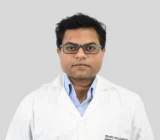
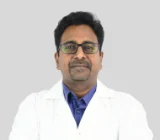 2 CION specialists for Banjara Hills
They plan radiotherapy with your surgeon and medical oncologist, and your care team names the centre that gives it. Call to check where and when your doctor is in.
Radiation Oncologist
Radiation Oncologist
Share your details and our care team will call you back to fix a time with the right specialist.
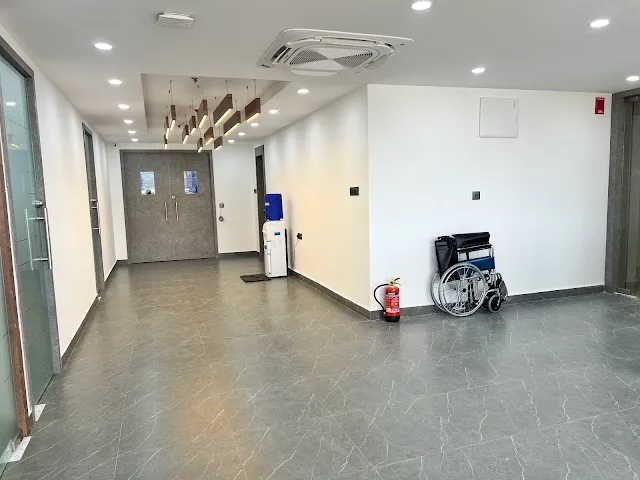
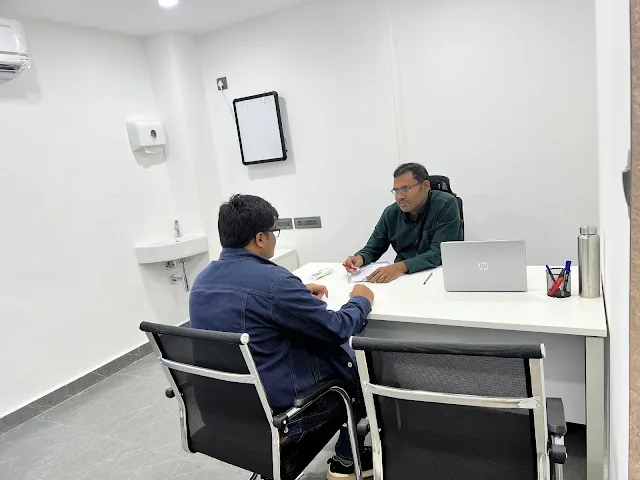
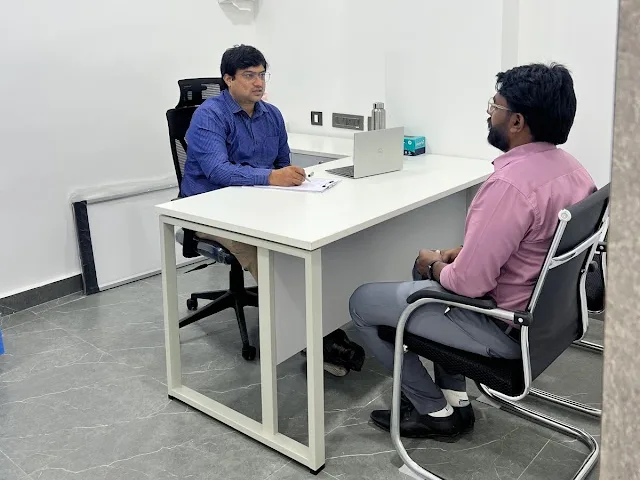
A look inside CION L.B. Nagar
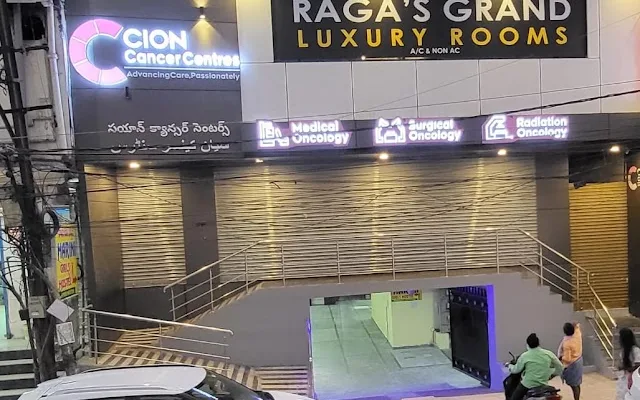
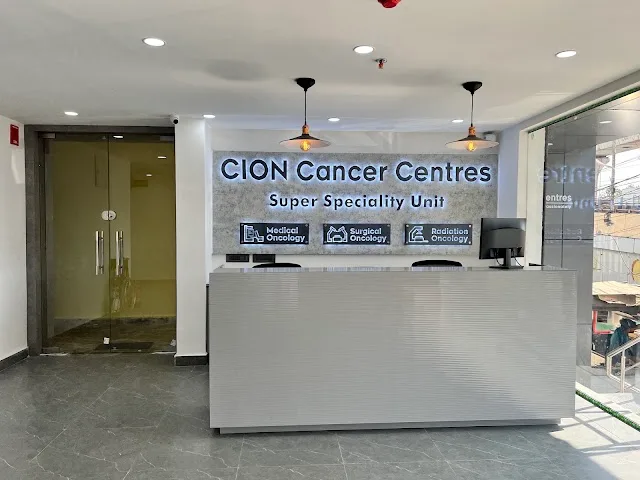
Other CION centres in Hyderabad

You bring the biopsy report, scans and any earlier treatment summaries. Your case goes to the tumour board, where surgeons, medical oncologists and radiation oncologists agree on the order of treatment.
The radiation oncologist examines you, explains the aim of the treatment, lists the side effects likely for your area of the body, and answers the family's questions.
A scan is taken in the exact position you will lie in for treatment. Small marks may be made on the skin so the beam lines up the same way each time.

Each visit is short, and you feel nothing from the beam itself. The doctor sees you during the course to check the skin, your eating and your energy.
Radiation aimed from a machine outside the body. It is the most common type, and you are not radioactive afterwards.
Radiation placed inside or very close to the tumour for a short time. It is used for some cancers of the cervix and a few others.
One treatment visit. The total dose is split into many small fractions so normal tissue can recover between them.
Chemotherapy given in the same weeks as radiotherapy, so each one works better.
A scan taken in your treatment position before radiotherapy starts. It is used to map the area to treat, not to check the cancer.
Treatment aimed at easing pain, bleeding or pressure, rather than removing every cancer cell.
Every case goes to CION’s network tumour board, where these specialists from CION’s centres join your doctor. Ask for any of them when you book.
Treat cancer with carefully aimed radiation.
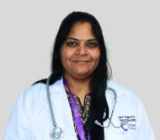
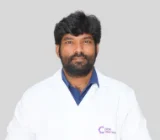
13+ years · MBBS, MD (General Physician), DNB (Radiation Oncology)
Decide whether an operation can remove the cancer, and when.
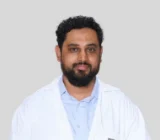
Head of Surgical Oncology
12+ years · MBBS, MS (General Surgery), M.Ch (Surgical Oncology)
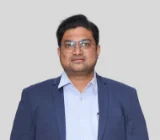
8+ years · MBBS, MS (General Surgery), M.Ch (Surgical Oncology), FMAS, FARIS (Ongoing)
20+ years · MBBS (AIIMS), MS (Surgery) (AIIMS), DNB (Surgical Oncology), MRCS (Edinburgh)
10+ years · MBBS, MS (General Surgery), M.Ch (Surgical Oncology)
7+ years · MBBS, MS (General Surgery), M.Ch (Surgical Oncology), FMAS
5+ years · MBBS, MS (General Surgery), DrNB (Surgical Oncology), FALS Oncology
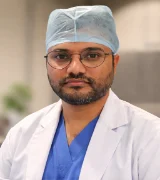
10+ years · MBBS, MS (General Surgery), DrNB (Surgical Oncology)
Treat cancer with medicines such as chemotherapy.
10+ years · MBBS, DM (Medical Oncology), MD (Radiation Oncology)
10+ years · MBBS, DNB (Internal Medicine), DM (Medical Oncology)
8+ years · MBBS (Gold Medal), DNB (General Medicine), DM (Medical Oncology) (Gold Medal)
8+ years · MBBS, MD (General Medicine), DM (Medical Oncology) (Adyar, Chennai), ECMO, MRCP SCE (UK)
8+ years · MBBS, MD (General Medicine), DrNB (Medical Oncology), ECMO, MRCP SCE (Medical Oncology) (UK)
7+ years · MBBS, DM (Medical Oncology), MD (Internal Medicine)
Diagnoses and treats blood cancers and blood disorders.
10+ years · MBBS, MD (Immunohaematology & Blood Transfusion), Fellowship in Clinical Haematology (CMC Vellore)
Start with a Consultation
Ask for the doctor you want, or we’ll match you.
Radiation side effects stay mostly in the area being treated. These are typical patterns, not a forecast for you.
A sore mouth and throat, a dry mouth and changes in taste can build up over the course. Eating soft food and seeing a dietitian early helps.
The skin over the area may turn red, dry or itchy, much like sunburn. A cough or mild breathlessness can come with chest treatment.
Loose stools, more frequent passing of urine and some tummy discomfort are common. Your team gives you food advice and medicines to help.
Headaches, hair loss over the treated area and tiredness are the most common effects. Steroid tablets are sometimes given to calm swelling, and your doctor explains how to take them and when to stop.
Tiredness that grows towards the end of the course and lasts a while after it. Rest, light walking and eating well all help.
CION Banjara Hills is where many families start: consultations and chemotherapy are given here. The radiotherapy itself happens at the centre your care team names, and you hear its name and location before you agree.
Several cancers are treated with chemotherapy and radiation together. In that case your medical oncologist can give the chemotherapy here, check your blood counts, and coordinate the timing with your radiation oncologist so you are not pulled in two directions on the same day.
The centre is in Banjara Hills, about five minutes from Errum Manzil Metro and near the Irrum Manzil bus stop. It is open Monday to Saturday, 9:30 AM to 6:00 PM. Call the helpline for directions before your first visit.
Families from Jubilee Hills, Madhapur, Film Nagar, Yousufguda, Punjagutta and Road No. 12 often use this centre for consultations and follow-up. If another CION centre is closer, the same helpline books it.
Good to know
Your follow-up after radiotherapy can usually return to the CION centre you started at.
Myth
What is true: Hair loss from radiotherapy happens only where the beam passes. Treatment to the breast will not affect the hair on your head. Treatment to the head may, and your doctor tells you whether it is likely to grow back.
Myth
What is true: You can bathe. Use lukewarm water and a mild soap, pat the treated skin dry, and avoid rubbing off any marks. Your team tells you which creams are safe.
Myth
What is true: It does not. Radiation damages cancer cells so they cannot keep dividing. Cancer that spreads during treatment does so because of its own behaviour, which is why your team keeps checking how it responds.
Myth
What is true: The effect carries on for weeks after the last visit. That is why the follow-up scan is usually done some time after the course ends, not the next day.
The same specialists and one helpline serve every CION location in Hyderabad. Pick the location nearest you, then the specialist you need.
You are here
Services and timings at this centre
How radiotherapy is arranged for patients who start here
For the chemotherapy side of a combined plan
Have a radiotherapy plan checked before you start
The general guidance on this page draws on these sources. Facts about CION come from CION’s own pages.
Leave your number and our care team calls you back, or call any time. One helpline serves every CION centre.
Medically reviewed by Dr. Kirti Ranjan Mohanty, Consultant Radiation Oncologist (MBBS, MD (Radiation Oncology)). Last reviewed October 2026. This page is general information for families from Banjara Hills, not medical advice: your specialist advises on tests and treatment after seeing you.
Still unsure? Call 1800 202 8726.
No. This centre gives consultations and chemotherapy. CION's radiation oncologists plan your radiotherapy, and your care team names the centre where it is given. You hear where it is and how you will get there before you agree to anything.
Dr. Kirti Ranjan Mohanty holds an MBBS and an MD in Radiation Oncology. Dr. Gangadhar Vajrala holds an MBBS, an MD in Radiation Oncology and an MPH. Both are part of the team serving Banjara Hills. Ask the care team where and when each one is seeing patients.
Most curative courses mean visits every weekday for several weeks. Courses to ease pain are often much shorter. The exact plan depends on your cancer and the area treated. Your radiation oncologist gives you the schedule at the consultation, so you can plan around it.
Usually not. Most people go in for each visit and return home the same day. Some internal treatments, or a patient who is very weak, may need a short stay. Your radiation oncologist tells you in advance if that applies, so the family can prepare.
Some people keep working, especially early in the course. Tiredness tends to build towards the end. Plan for lighter duties or leave in the later weeks, and talk to your doctor if the tiredness is making daily life hard.
Call the helpline for exact directions before your first visit. The centre is in Banjara Hills, about five minutes from Errum Manzil Metro and near the Irrum Manzil bus stop, and it is open Monday to Saturday, 9:30 AM to 6:00 PM.
CION's team helps with cashless insurance and gives you a written estimate before you start. Bring your policy papers to the first visit. If you are covered by a government or employer scheme, say so when you call, and the team will check what it covers.
Yes. Bring the plan and every report behind it. A CION oncologist will go through it and tell you whether they agree, and if not, why. This is a normal step in cancer care and does not commit you to treatment at CION.
Follow Us:



 1800 120 2676