 Call Us
Dr. Kirti Ranjan Mohanty
MBBS, MD (Radiation Oncology). Plans radiotherapy and reviews you through the course. The care team tells you where and when he sees patients.
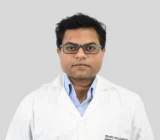
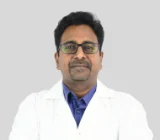 2 CION specialists for Hyderabad
They plan radiotherapy with your surgeon and medical oncologist, and your care team names the centre that gives it. Call to check where and when your doctor is in.
Radiation Oncologist
Radiation Oncologist
Share your details and our care team will call you back to fix a time with the right specialist.
A look inside CION L.B. Nagar
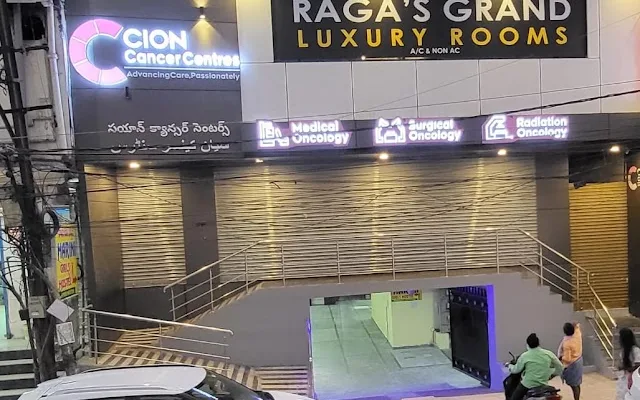
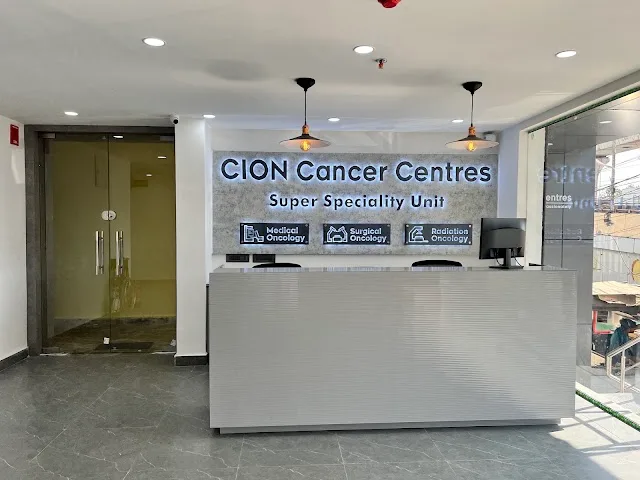
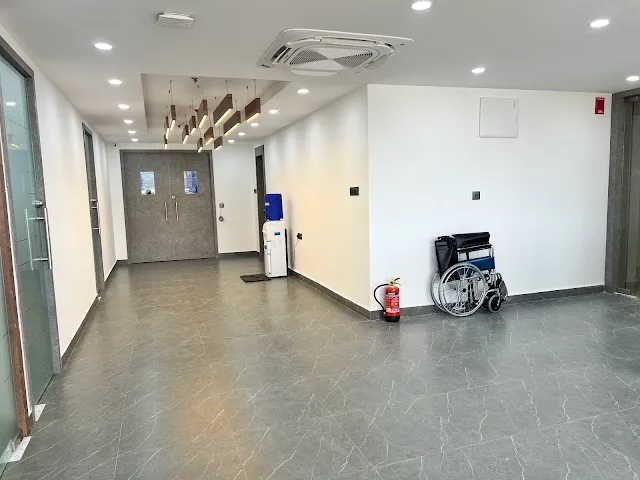
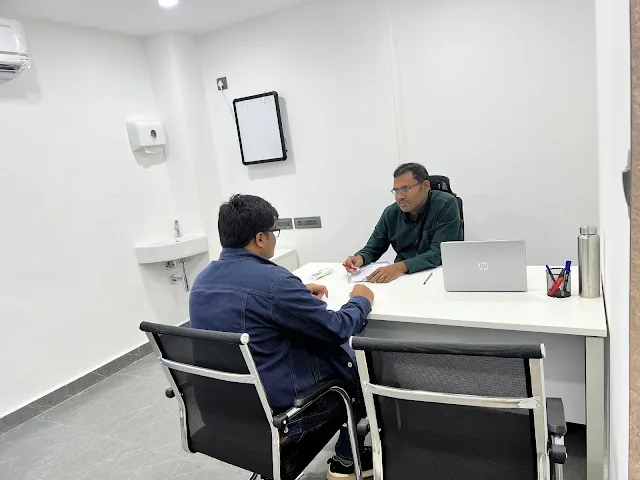
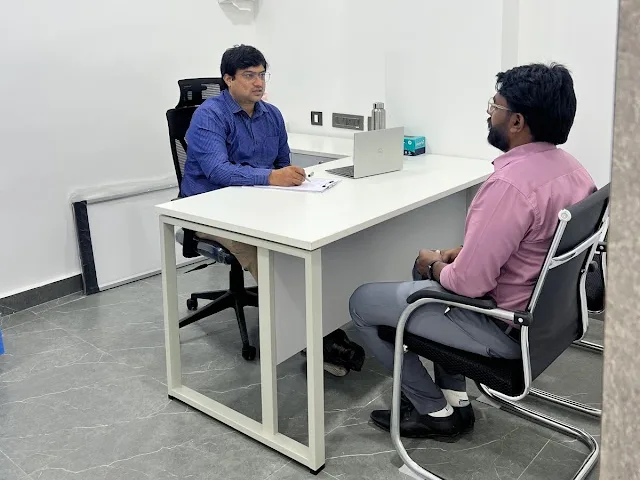
CION centres in Hyderabad

At a CION centre, the radiation oncologist reads your reports, examines you and explains whether radiotherapy will help, what it aims to do, and the likely side effects for that part of the body.
A scan is taken in the exact position you will lie in for treatment. Small skin marks or a fitted mask may be used, so that each day the rays reach the same place.

The doctor marks the area to treat and the healthy organs to protect. Physicists then work out the dose. This takes some days, and nothing is given until the plan is checked.
Each session is short and you feel nothing while the machine runs. The doctor sees you during the course to check skin, eating and tiredness.
Because radiotherapy usually means going in every weekday for several weeks. Each visit is short, but missed days can weaken the treatment. Where the treatment centre is, and how the patient gets there each day, matters as much as the plan.
No CION centre in Hyderabad gives radiotherapy. Your radiation oncologist plans it, and the care team names the centre that will give it. Ask for that name at the consultation, not after the planning scan. Then you can see whether the daily trip works for your family.
A trip that seems fine once can be hard every weekday, especially as tiredness builds towards the end of a course. Families from the districts often stay with relatives in Hyderabad, or arrange a room near the treatment centre. Decide who will travel with the patient, and whether that person can take the time.
Some courses combine weekly chemotherapy with daily radiotherapy. The chemotherapy can be given as day-care at a CION centre in Ameerpet, Kukatpally, Kompally, Masab Tank, L.B. Nagar, Tolichowki or Banjara Hills. Ask the care team to line both up so the days are not wasted.
Every case goes to CION’s network tumour board, where these specialists from CION’s centres join your doctor. Ask for any of them when you book.
Treat cancer with carefully aimed radiation.
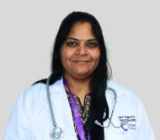
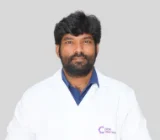
13+ years · MBBS, MD (General Physician), DNB (Radiation Oncology)
Decide whether an operation can remove the cancer, and when.
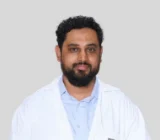
Head of Surgical Oncology
12+ years · MBBS, MS (General Surgery), M.Ch (Surgical Oncology)
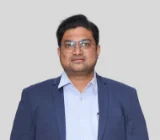
8+ years · MBBS, MS (General Surgery), M.Ch (Surgical Oncology), FMAS, FARIS (Ongoing)
20+ years · MBBS (AIIMS), MS (Surgery) (AIIMS), DNB (Surgical Oncology), MRCS (Edinburgh)
10+ years · MBBS, MS (General Surgery), M.Ch (Surgical Oncology)
7+ years · MBBS, MS (General Surgery), M.Ch (Surgical Oncology), FMAS
5+ years · MBBS, MS (General Surgery), DrNB (Surgical Oncology), FALS Oncology
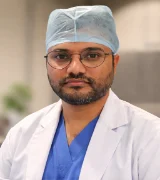
10+ years · MBBS, MS (General Surgery), DrNB (Surgical Oncology)
Treat cancer with medicines such as chemotherapy.
10+ years · MBBS, DM (Medical Oncology), MD (Radiation Oncology)
10+ years · MBBS, DNB (Internal Medicine), DM (Medical Oncology)
8+ years · MBBS (Gold Medal), DNB (General Medicine), DM (Medical Oncology) (Gold Medal)
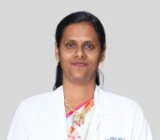
8+ years · MBBS, MD (General Medicine), DM (Medical Oncology) (Adyar, Chennai), ECMO, MRCP SCE (UK)
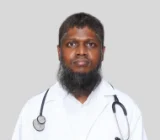
8+ years · MBBS, MD (General Medicine), DrNB (Medical Oncology), ECMO, MRCP SCE (Medical Oncology) (UK)
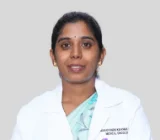
7+ years · MBBS, DM (Medical Oncology), MD (Internal Medicine)
Diagnoses and treats blood cancers and blood disorders.
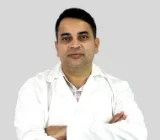
10+ years · MBBS, MD (Immunohaematology & Blood Transfusion), Fellowship in Clinical Haematology (CMC Vellore)
Start with a Consultation
Ask for the doctor you want, or we’ll match you.
MBBS, MD (Radiation Oncology). Plans radiotherapy and reviews you through the course. The care team tells you where and when he sees patients.
MBBS, MD (Radiation Oncology), MPH. Plans radiotherapy and follows up afterwards. The care team tells you where and when he sees patients.
Consultation, second opinions, day-care chemotherapy and follow-up after radiotherapy. Open Monday to Saturday, 9:30 AM to 6:00 PM.
Where the planning scan and daily sessions happen. Named by the care team, with a written estimate, before you agree. Ask how far it is from where you will stay, and whether there is an early or late slot that suits the person travelling with the patient.
Why it matters: It shapes how much side effect is worth bearing
Why it matters: Travel and a place to stay need planning
Why it matters: They differ for the mouth, chest, pelvis and skin
Why it matters: Both need to be booked around each other
Why it matters: So the whole course is covered before day one
Rays aimed at the body from a machine outside it. The most common kind, and you do not become radioactive.
A radiation source placed inside the body, close to the tumour, for a short time. Used for some cervical and other cancers.
One daily session. A course is split into many fractions so healthy tissue can recover in between.
A scan taken in your treatment position, used to map the area to treat and the organs to protect.
Chemotherapy given during the same weeks as radiotherapy, so each makes the other work better.
A shorter course aimed at easing pain, bleeding or pressure from the cancer, rather than removing it.
Myth
What is true: Not with the usual external radiotherapy. The rays stop when the machine stops. You can hug your children and grandchildren straight after a session. A few rare internal treatments need short precautions, and you would be told.
Myth
What is true: Radiotherapy treats only the area marked on the plan. Side effects are mostly in that area, such as sore skin there or, for the throat, sore swallowing. General tiredness is common and passes after the course.
Myth
What is true: Gaps can let cancer cells recover between doses. If travel, illness or a festival will stop you coming, tell the team early so they can plan around it.
Myth
What is true: For many cancers it is a main treatment aimed at removing the disease. It is also used for comfort later on. The aim is different for each person, so ask which one applies.
The same specialists and one helpline serve every CION location in Hyderabad. Pick the location nearest you, then the specialist you need.
You are here
Where radiotherapy consultations and follow-up happen
Full profiles of CION's radiation oncologists
If chemotherapy runs alongside your radiotherapy
If you are not yet sure which specialist you need
The general guidance on this page draws on these sources. Facts about CION come from CION’s own pages.
Leave your number and our care team calls you back, or call any time. One helpline serves every CION centre.
Medically reviewed by Dr. Kirti Ranjan Mohanty, Consultant Radiation Oncologist (MBBS, MD (Radiation Oncology)). Last reviewed October 2026. This page is general information for families from Hyderabad, not medical advice: your specialist advises on tests and treatment after seeing you.
Still unsure? Call 1800 202 8726.
Dr. Kirti Ranjan Mohanty (MBBS, MD Radiation Oncology) and Dr. Gangadhar Vajrala (MBBS, MD Radiation Oncology, MPH). Both see patients in Hyderabad. The care team tells you which CION centre and which day when you book.
No. CION's Hyderabad centres give consultations and day-care chemotherapy. Your radiation oncologist plans the radiotherapy, and the care team names the centre that will give it, with a written estimate, before you agree.
Usually every weekday for several weeks, though some courses are shorter. Your doctor tells you the full length of your course at planning. Knowing it early lets the family arrange travel, work leave and somewhere to stay if needed.
You feel nothing while the machine runs, and each session is short. Discomfort, if it comes, builds slowly in the treated area, such as sore skin or a sore throat. The team checks you during the course and gives medicines and advice to ease it.
Many people do, especially early in the course. Tiredness tends to build towards the end and for a while after. Daily travel takes time too. Talk to your employer early so there is room to cut back if needed.
Yes. Bring the plan, the scans and the biopsy report. A CION radiation oncologist will tell you whether they agree, and why. This often helps families decide whether a long course is worth travelling for. It does not commit you to anything.
CION's team helps with cashless insurance and gives you a written estimate before you start. Ask that it covers the planning scan and the whole course, not only the first sessions. Mention any employer or government scheme so the team can check it.
Side effects usually settle over the following weeks. Follow-up visits can happen at a CION centre in Hyderabad. A scan is usually done later, once the treated area has had time to settle, to see how the cancer responded.
Follow Us:



 1800 120 2676